
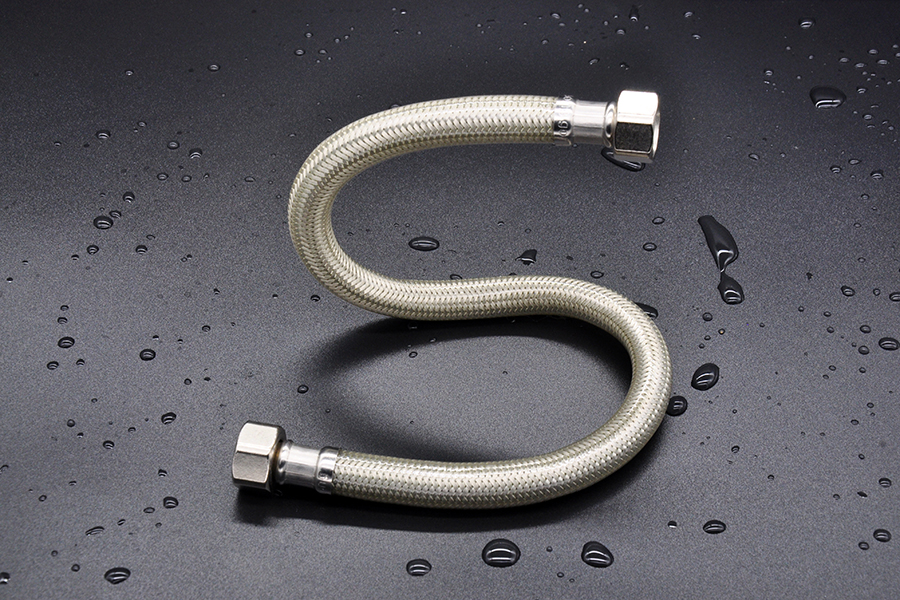
Most shower hoses adhere to standard size specifications, yet not every hose is compatible with every shower system. Many people discover that their newly purchased hose does not fit the existing fixtures in their home. Therefore, it is crucial to verify the connection dimensions before making a purchase. Doing so helps you avoid complications during the installation process. Some hoses may utilize different standards—particularly in older homes or custom-designed shower systems. By learning how to identify these differences and understanding what steps to take when a hose is incompatible, you can shop with confidence and select the perfect hose to meet your specific needs.
Key Takeaways
- Most shower hoses feature 1/2-inch connections. Be sure to verify the thread size before purchasing; this helps prevent issues during installation.
- Common thread types include 1/2″ BSPP and 1/2″ NPT. These two types are not mutually compatible; therefore, accurately identifying which thread type your shower system uses is essential.
- Choose a durable and sturdy material for your hose—such as stainless steel. Compared to plastic hose, stainless steel hose typically offers a longer lifespan and is less prone to rusting or cracking.
- If a hose does not fit, you can resolve the issue by using an adapter. Adapters allow you to easily and seamlessly connect fixtures with different thread types or sizes.
- Inspect your shower hose regularly for any signs of leaks or damage. It is recommended to replace the hose every few years to ensure your shower system operates safely and performs at its best.
Standard shower head sizes

Common thread types for shower head hoses
A lot of people wonder if all shower head hoses fit. The answer depends on the thread type and size. Most new homes use standard shower head sizes. Some old or special systems might be different.
The most common thread types for shower head hoses are:
- 1/2″ BSPP (British Standard Pipe Parallel): This thread uses a rubber washer to seal. It is common in the United States and other countries.
- 1/2″ NPT (National Pipe Tapered): This thread is tapered and seals by tightening. It is not as common for shower heads but is still used in some places.
- 3/4″ BSPP: This bigger size is usually for toilet supply lines, not shower head hoses.
Tip: BSPP and NPT threads have the same pitch, but they do not fit together. Always check the thread type before you buy a new hose.
Are most shower heads universal?
Many people ask if shower heads are universal. Most of the time, the answer is yes. Most new shower head hoses use the 1/2″ BSPP thread. This fits most shower systems around the world. It makes it easy to find a hose that fits most bathrooms.
Groups like the International Association of Plumbing and Mechanical Officials (IAPMO R&T) make these rules. The table below shows how these rules work:
| Organization | Description |
|---|---|
| IAPMO R&T | Makes the Uniform Plumbing Code (UPC) for the US and Canada. This code helps keep plumbing safe and good quality. |
Most shower head sizes follow these rules. This means people can change or upgrade their shower heads easily. But there are some exceptions, especially in old homes or custom showers.
When picking a new hose, look for features that help it fit most showers. GONGGONG braided hoses are a good example. The table below shows why these hoses work with most shower systems:
| Feature | Description |
|---|---|
| Durable Materials | Stainless steel hoses last longer than plastic ones. |
| Rust-resistant Material | Stops leaks and keeps water clean. |
| Premium Materials | Stops tangling and damage from daily use. |
| Flexibility | Bends easily to fit different showers. |
| Water Pressure Compatibility | Handles strong water flow without problems. |
| Ease of Installation | Standard fittings make setup quick and easy. |
People should think about a few things when choosing a standard or special hose:
- Functionality: Decide if you want a simple shower or extra features.
- Style: Pick a finish that looks good in your bathroom.
- Material: Choose strong materials so the hose lasts longer.
- Compatibility: Make sure the hose fits standard shower head sizes and check what you need to install it.
By knowing these facts, anyone can pick the right hose for their shower. Most new hoses, like GONGGONG, fit most showers and work with the most common shower head sizes.
Factors affecting shower head hose compatibility
Regional and specialty differences
Shower hose compatibility may vary depending on your geographic region. In the United States, most hoses utilize the 1/2-inch BSPP thread standard. In other countries, however, 1/2-inch NPT threads or region-specific connector specifications may be used. Certain custom shower systems or older plumbing fixtures may require the use of adapters. Therefore, it is essential to carefully verify the thread type and size before purchasing a hose. Universal hoses are typically compatible with the bathroom plumbing systems found in most newly constructed homes; however, there are instances where extra caution is warranted. Individuals who travel frequently, or those whose homes are equipped with imported bathroom fixtures, may encounter compatibility issues. Such users should prioritize purchasing hose products that comply with the local plumbing codes of their specific region.
Material, length, and flexibility
The material of a shower hose is of paramount importance. Stainless steel hoses are highly durable and resistant to rust; conversely, while plastic hoses are lightweight and affordable, they carry a higher risk of cracking or becoming permanently deformed due to excessive bending. The table below compares the advantages and disadvantages of various materials:
| Material | Pros | Cons | Best for… |
|---|---|---|---|
| Stainless Steel | Very strong, does not rust, looks fancy | Heavier, can scratch, gets dirty | People who want a strong and nice-looking hose |
| PVC/Plastic | Light, bends easily, cheap, easy to clean | Not as strong, can crack, bends too much | People who want a light and easy-to-clean hose |
The length of the hose directly impacts user comfort. Shower hoses available on the market typically range in length from 1.5 to 3 meters. The optimal hose length should be determined based on the specific layout of your bathroom:
- 1.25 meters: Good for bathtubs.
- 1.60 meters: Fits most showers and lets you move easily.
- 2.00 meters: Gives more space for standing showers.
A hose with good flexibility is not only easier to install but also more convenient and comfortable to handle during use. GONGGONG brand braided hoses feature exceptional flexibility, ensuring flexible and convenient handling. The table below illustrates how hose dimensions influence performance characteristics:
| Feature | 8mm Hose | 10mm Hose |
|---|---|---|
| Flexibility | Moves well in small spaces | Easy to use in tight spots |
| Weight | Light for kids and older people | Makes cleaning less tiring |
| Swivel Joint | N/A | Stops twisting and lets it move freely |
| Anti-Tangling | N/A | Keeps shape when bent |
| Reinforced Mesh | N/A | Stops hose from folding in sharp turns |
| Memory Material | N/A | Goes back to straight after use |
| Ideal Use | Good for small bathrooms | Cleaning hard-to-reach places |
Universal hoses with flexible and right-length materials fit most showers. People who pick a universal hose usually do not have problems. GONGGONG braided hoses are strong, bendy, and safe, so they are a good choice.
Solutions for non-standard shower head hoses

Using adapters and converters
Not all showerheads are the same size. If the hose connections do not match, an adapter can be used to resolve the issue. There is a wide variety of adapters available for shower hoses; common types include:
- Thread Converters: Used to convert NPT threads to BSP threads, or to adjust thread sizes.
- Swivel Adapters: Allow the showerhead to rotate flexibly in different directions.
- Flow Restrictors: Used to reduce water pressure when it is excessively high.
- Quick-Connect Adapters: Allow for easy, tool-free installation, making them ideal for renters.
- Dual-Function Adapters: Combine multiple features into a single unit—for example, offering both thread conversion and flow control capabilities.
The purpose of an adapter is to bridge the connection between hoses with incompatible interfaces. Most universal shower hoses are compatible with standard plumbing systems; however, for certain older or specialized shower fixtures, an adapter is required to establish a proper connection. With these tools, you can easily upgrade or replace your shower hose without having to replace the entire shower system.
How to identify your hose type
Before purchasing a new hose, it is advisable to first identify the type of hose you currently have. This will help you select the most suitable replacement hose or adapter. Here are the specific steps for identifying your hose type:
- Examine the threads to determine whether they are external (protruding) or internal (recessed). If the threads are tapered, this indicates that they are pipe threads.
- Use a ruler or tape measure to determine the thread size. Measure the outer diameter for external threads, and the inner diameter for internal threads.
- Count the number of threads per inch (known as thread density) or measure the thread pitch.
The following tools will make this inspection process much easier:
- Adjustable wrench or pliers
- Screwdriver set
- Digital tape measure for better measuring
- Plumber’s level to keep things straight
- Stud finder to help mount things safely
If you check these things, your new hose will fit your shower head.
Installation tips for non-standard hoses
Proper installation techniques are essential for preventing leaks and avoiding damage to your equipment. GONGGONG recommends following these steps to ensure a leak-free hose connection:
- Select a washer and O-ring that are correctly sized for your hose.
- Wrap an appropriate amount of PTFE tape (sealant tape) around the threads, starting from the second thread groove.
- When connecting, first tighten the fitting by hand; use a wrench to assist with tightening only if necessary.
- Once installation is complete, turn on the water supply and carefully check for any leaks.
- Never overtighten, as this may result in damaged threads.
By strictly adhering to the steps above—even if you are using a non-standard hose size—you can ensure that your shower system remains secure, reliable, and operates smoothly.
Most shower hoses feature a standard ½-inch interface size. This size is compatible with a wide range of shower fixtures. We recommend verifying the thread size prior to purchase to avoid any complications during installation. You can confirm compatibility by measuring the threads, checking for markings, or performing a test fit. High-quality brands like GONGGONG typically offer hoses that combine exceptional durability with flexibility and ease of handling. If you remain unsure, we recommend verifying the specifications further.
FAQ
Do all shower hoses fit all showerheads?
Most shower hoses are compatible with standard-sized shower systems. However, some older or custom shower systems may require specialized hoses or adapters. Therefore, consumers should always verify the thread dimensions before making a purchase.
How do I measure the thread specifications of a shower hose?
You can use a ruler to measure the outer diameter of the threads and count the number of threads per inch (known as thread density). Using this data, you can accurately identify the correct size specifications.
Which shower hose material is the most durable?
Compared to plastic, hoses made of stainless steel or braided materials typically offer a longer service life. For instance, GONGGONG brand braided hoses are constructed from high-strength, premium-quality materials that effectively resist rust and various forms of physical damage.
Is it safe to use an adapter to connect a shower hose?
As long as it is installed correctly, using an adapter to connect a shower hose is completely safe. Users should select high-quality, reliable adapters and strictly follow the installation instructions to effectively prevent leaks and equipment damage.
How often should a shower hose be replaced?
Most users typically replace their shower hoses every few years. If you notice signs of leaking, rust, kinking, or twisting in the hose, it indicates that it is time to replace it with a new one. Regularly inspecting your shower hose helps ensure the safety of your shower system.