

Many people ask: Are all shower hoses the same? In the plumbing world, “universal” typically means that a showerhead is compatible with most types of shower arms (i.e., the pipe connecting to the wall). You do not need any special tools to install it. Most shower systems in the United States utilize the 1/2-inch “National Pipe Thread” (NPT) standard. This standardized design allows for easy compatibility between various fittings. However, other countries or regions may use different thread types. Therefore, not all shower hoses will fit every shower system. While there are a few exceptions, you can usually find a suitable solution.
- Universal means:
- Fits most shower arms
- Can change by region and thread type
Key Takeaways
- Universal shower head hoses work with most standard shower arms. This makes upgrading your shower system effortless, requiring no special tools. Most shower systems in the U.S. use the 1/2-inch NPT thread standard, ensuring that the vast majority of showerheads fit properly. Before purchasing a new shower hose, be sure to verify the thread size to ensure a durable and secure connection. Additionally, these hoses are compatible with a wide variety of shower fixtures.
Shower tubes and universal fit

What makes shower tubes universal?
Universal-design showers are specifically engineered to ensure that individuals can shower safely. Designers have incorporated a range of features to ensure convenient accessibility for the vast majority of people. Key elements include:
- A step-free entrance with no thresholds, facilitating easy access for everyone.
- Dimensions measuring at least 48 by 48 inches or 36 by 60 inches, providing ample space for movement within the shower area.
- An entrance width of at least 36 inches, allowing for smooth entry by individuals using mobility aids.
- A clear floor space of 36 by 36 inches positioned directly in front of the entrance, further enhancing safety during entry.
- An adjustable handheld showerhead that remains easily within reach for the user, regardless of their position within the shower enclosure.
- Robust wall construction prepped for the future installation of grab bars or seating, making the shower easily adaptable to changing needs.
It is precisely these design details that endow the shower with its broad universality, ensuring that people of all ages and varying physical abilities can enjoy a safe and secure showering experience with complete peace of mind.
Standard sizes and compatibility
Standardized shower connections play a crucial role in ensuring the universal compatibility of shower equipment. In North America, most shower connections utilize a ½-inch thread size. This standard dimension allows numerous brands to manufacture accessories that are mutually compatible. Adopting a standard size means that any new showerhead or hose you purchase can typically be installed and used without issue.
The table below lists common showerhead size specifications:
| Size Category | Dimensions (inches) | Description |
|---|---|---|
| Small Shower Heads | 3 to 4 | Good for small bathrooms and give strong water streams. |
| Medium Shower Heads | 5 to 6 | Give good coverage and pressure, used in many models. |
| Large Shower Heads | 7 to 9 | Found in rain or fancy showers, spray water over a big area. |
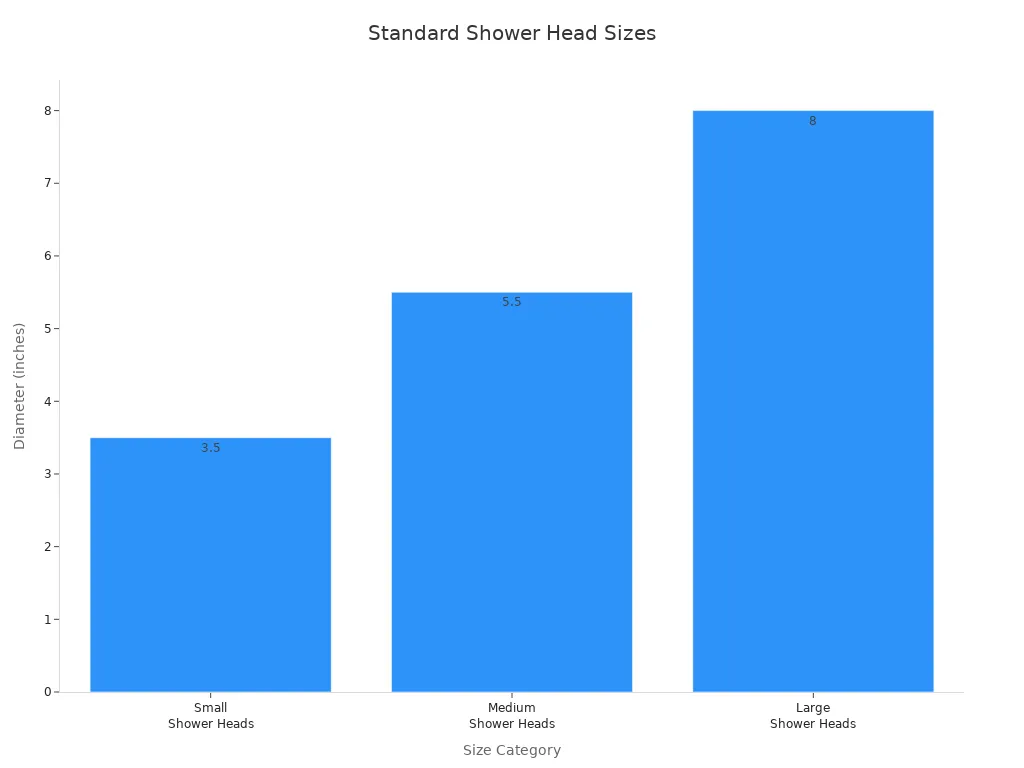
Most universal showerheads are designed to fit standard ½-inch connections. This makes replacing or upgrading your shower equipment effortless, as you do not need to worry about compatibility issues between components. However, the actual size and shape of the showerhead itself will still influence its aesthetic style and user experience.
Standardized connection specifications facilitate interoperability between products from different brands and models. This provides consumers with a wider range of options when updating their shower equipment. Thanks to the universal compatibility of shower hoses and connections, users can easily find replacement parts that are both compatible and high-performing.
Universal shower heads and tubes fittings
Shower head fittings and thread types
Shower connections play a critical role in ensuring the proper functioning of a shower system. The threads on the connection are responsible for securely joining the shower hose to the showerhead. Most shower systems utilize threaded connections to effectively prevent water leaks. Globally, shower connections primarily employ two main types of threads. The table below lists the most common thread types and their applicable regions:
| Thread Type | Size | Common Usage |
|---|---|---|
| NPT | 1/2 inch | U.S. and countries with similar plumbing standards |
| BSP | Varies | UK, Europe, and parts of Asia |
NPT threads are tapered in shape and are primarily used in the United States. BSP threads, conversely, are predominantly found in the United Kingdom, Europe, and parts of Asia. BSP threads are further subdivided into two forms: tapered and parallel. These different thread types vary in both their shape and pitch. Precisely because of these differences, a showerhead with NPT threads cannot be fitted to a shower hose utilizing BSP threads without the aid of a specialized adapter. Consequently, shower fittings must be matched with the corresponding thread type to ensure a secure and stable connection.
Shower heads universal fit in the US
In the United States, most shower fixtures utilize the ½-inch NPT (National Pipe Taper) thread standard. This size has been standardized, ensuring that showerheads are universally compatible with the plumbing systems found in the majority of American households. Universal showerheads can be easily connected to standard shower hoses. The ½-inch NPT thread design ensures a tight connection, effectively preventing leaks. Many types of showerheads—including rain-style (rainfall) and standard models—employ this specific threaded interface.
International differences
International markets use different thread systems for shower head fittings. The US uses the National Pipe Thread (NPT) system. The UK and many other countries use the British Standard Pipe (BSP) system. NPT threads have a 60-degree angle, while BSP threads have a 55-degree angle. NPT threads have flat peaks and valleys. BSP threads have rounded peaks and valleys. These differences make the connection between shower tubes and heads unique in each region. Adapters are often needed to connect a shower head from one country to a shower tube from another. Standardized thread sizes help, but not all showers use the same system. International plumbing codes set the rules for which thread type is used. This affects the compatibility of shower head sizes and fittings. People who want to use rain or other types of shower heads in different countries should check the thread before buying. A shower head adapter can solve many connection problems.
Shower tube compatibility issues and exceptions
When shower tubes don’t fit
Occasionally, a shower hose you have purchased may not fit perfectly with your existing plumbing system. There are several potential reasons for this occurrence. For instance, a user might purchase a new shower hose with specifications that do not match the old hose, or there may be discrepancies in the thread type or size between the new and old components. The following are some common reasons why a shower hose may fail to fit:
- Water pressure changes can make fixtures loose over time.
- Leaks can wear out fittings and make them loose.
- If caulking is loose, water can get in and loosen things.
- Bad installation can cause a poor fit.
- Using the shower a lot can loosen screws and fittings.
- Stripped threads make it hard to keep the tube tight.
- Cold weather can crack or loosen fittings.
Many people encounter compatibility issues when purchasing new shower accessories. If the components do not match, problems such as leaks or restricted water flow may arise. Using non-standard fittings often creates significant difficulties during the installation of shower hoses. Some users feel at a loss when trying to determine whether new accessories will fit correctly. In such cases, carefully reading the installation instructions provided by the manufacturer can help you verify whether the accessories are suitable.
If your shower hose does not fit smoothly, never attempt to force it into place. Forcing the connection may damage the threads or result in leaks. Instead, try to find a safe and proper method to connect the various components.
Using adapters for compatibility
Adapters can help resolve many installation challenges associated with shower hose fittings. These compact accessories allow you to connect hoses and showerheads with different thread types or sizes. You can use shower adapters to bridge the gap between components that would otherwise be incompatible. Here are several types of adapters that can help resolve installation issues:
- Pipe Adapters: Used to connect pipes made of different materials to fixtures.
- Thread Adapters: Used to connect components with different thread types, effectively preventing leaks.
- Quick Connectors: Make the installation process simple and fast, requiring no special tools.
Adapters enable users to pair universal showerheads with non-standard hoses. Furthermore, they allow users to easily upgrade their shower equipment without having to replace the entire plumbing system. When making a purchase, please be sure to verify that the adapter is compatible with both your shower hose and your showerhead.
If you are looking for a robust and durable solution, GONGGONG braided hoses are an ideal choice. Crafted from tough, resilient materials, these hoses are built to last. They are flexible and pliable, yet resistant to kinking or twisting, ensuring a smooth and uninterrupted water flow. GONGGONG hoses are compatible with a wide variety of showerheads and are suitable for use in diverse shower installation environments. Even in setups involving non-standard specifications, users can complete the installation with ease.
GONGGONG’s custom shower hoses strike the perfect balance between strength and flexibility. Constructed from stainless steel, they not only provide effective leak prevention but are also capable of withstanding high water pressure. In contrast to standard hoses—which often utilize weaker plastics or thin metals—GONGGONG hoses offer a significantly longer service life. The brand offers a wide range of hose lengths and dimensions, ensuring that the vast majority of users can find a product that perfectly fits their specific shower fixtures and water supply systems.
Tip: Always measure your shower tube and check if new parts will fit before you buy. If you have problems, try a shower head adapter or a GONGGONG hose for a safe and easy fit.
How to check shower tube compatibility
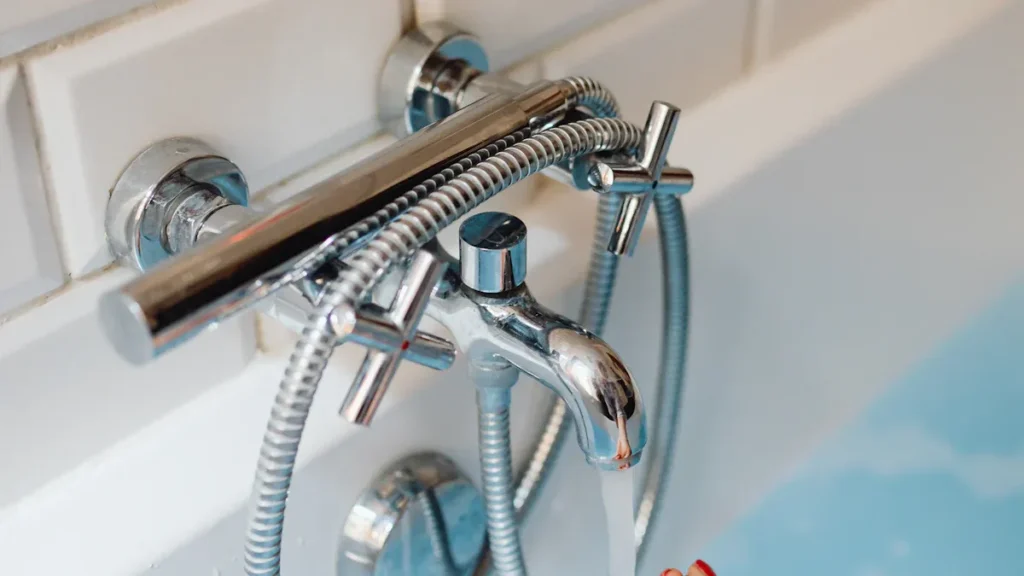
Measuring and identifying fittings
People often wonder whether a newly purchased shower hose will be compatible with their existing fixtures. The first step is to measure the dimensions of the connectors. You can use a few simple tools to accomplish this task:
- A caliper can help you measure the inner diameter of internal threads (female connectors) and the outer diameter of external threads (male connectors). Using this tool allows you to obtain precise dimensional data.
- A tape measure is ideal for measuring the length of the shower hose as well as the diameter of the piping.
- A straight ruler is suitable for measuring smaller parts and connectors.
In the United States, most shower fixtures utilize a ½-inch pipe thread standard. Because this size is so prevalent, many showerheads and hoses are cross-compatible. Before purchasing new accessories, be sure to measure the thread size on your shower arm (the water outlet pipe). Doing so will help you avoid complications when installing your new fixtures.
Steps to ensure a proper fit
Before you begin the installation, you need to verify that all components fit together correctly. Follow these steps to ensure a tight, leak-free connection:
- Inspect the showerhead and shut off the water supply. Remove any limescale or buildup accumulated on the showerhead.
- Remove the showerhead by rotating it counter-clockwise. If the head is stuck tightly, you may use pliers to assist in its removal.
- Clean the threads on the shower arm, removing any adhering dirt or residual sealant tape.
- Wrap Teflon tape (plumber’s tape) around the threads to ensure a proper seal is formed.
- Reattach the showerhead by rotating it clockwise. Once installed, check the connection point for any leaks.
By following the steps above, you can correctly install your shower hose and showerhead. Before considering the installation complete, be sure to double-check that all components are securely fastened. While universal shower hoses can simplify the installation process, taking actual measurements and strictly adhering to the steps outlined above will yield the best results. With proper preparation, your shower system will function safely and reliably.
By using a universal shower hose, you can easily upgrade and modernize your bathroom. Before purchasing a shower hose or showerhead, be sure to verify its compatibility with your existing fixtures. Measure the thread dimensions and carefully read the instructions on the product packaging. Doing so not only ensures that your new accessories fit your plumbing system perfectly but also helps you avoid unnecessary expenses. In the United States, most showerheads utilize the ½-inch NPT thread connection standard. If your newly purchased shower hose does not match your existing plumbing, you may consider using an adapter or opting for products from a trusted, high-quality brand like GONGGONG.
- Ensure the showerhead is compatible with your existing plumbing system.
- Verify that the thread dimensions are accurate.
- Avoid the hassle of having to hire a plumber or process returns and exchanges due to incompatible parts.
FAQ
What does “universal” mean when referring to a shower hose?
“Universal” means that the shower hose is compatible with most standard shower arms and showerheads. Users can install it into many home shower systems without the need for special tools. This makes it easier for everyone to replace or upgrade their shower equipment.
Will a shower hose from abroad work with my shower system?
A shower hose from abroad may not be compatible. Different countries utilize different types of threading. Therefore, it is essential to verify the thread size before making a purchase. If the connections do not match, an adapter can be used to connect the hose to the shower system.
How can I determine if a specific shower hose is compatible?
Users should measure the thread size on their shower arm. In the United States, most shower systems feature 1/2-inch threaded connections. Additionally, checking the product label or instruction manual can help confirm whether the shower hose is compatible with your existing equipment.
What should I do if the shower hose cannot be installed?
If the shower hose cannot be installed, never attempt to force it by overtightening. Using an adapter or an adjustable hose can help resolve this issue. Brands like GONGGONG offer flexible and diverse solutions for various types of shower systems.
Are all showerheads and hoses safe for use with hot water?
Most showerheads and hoses are safe for use with hot water. However, users should still consult the product details to ensure compatibility. High-quality hoses—such as those from the GONGGONG brand—are designed to safely withstand both hot and cold water flows.