
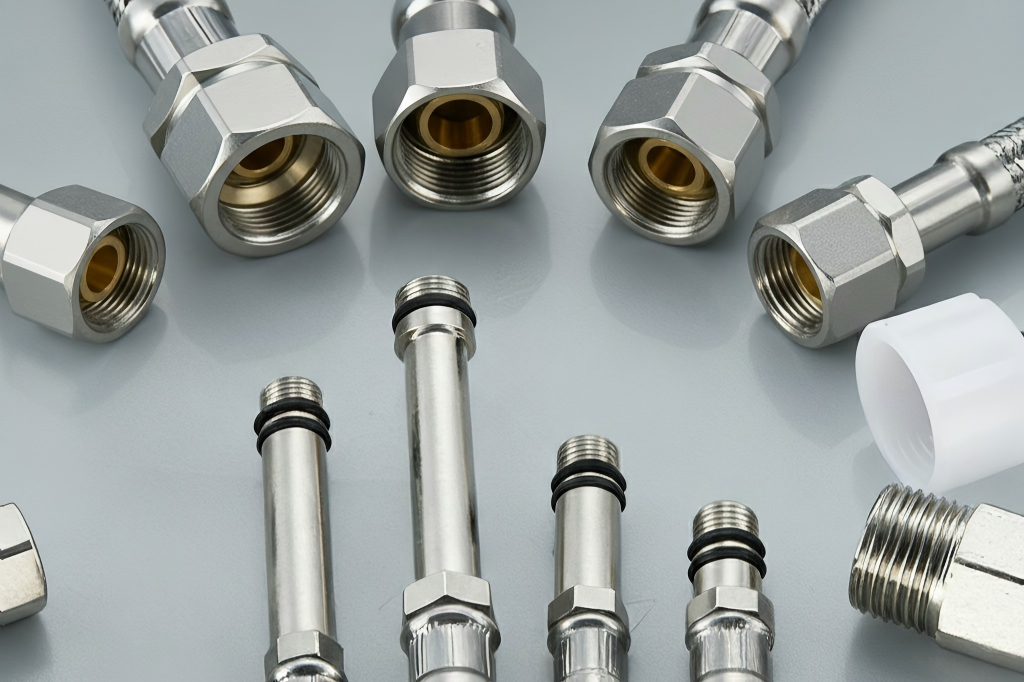
Steel braided hoses outperform standard rubber and plastic hoses substantially under heavy-duty operating conditions. These high-performance fluid lines minimise the risk of destructive water damage, as their robust construction prevents sudden hose rupture. Property owners favour these flexible connectors for long service life, reliable heat resistance, and consistent structural integrity even when exposed to abrupt, extreme pressure surges.
Key Takeaways
- Steel braided hoses withstand rigorous service and can operate reliably for up to twelve years without bursting.
- The tough metal outer sheath shields inner liners from sharp edges and safely accommodates high water pressure.
- While they carry a higher upfront cost, they deliver long-term savings by preventing costly water damage within buildings.
Steel Braided Hoses vs. Standard Lines
Material Strength and Lifespan
Plumbers frequently compare standard water connectors against steel braided hoses for new construction projects. Ordinary rubber hoses degrade rapidly under repeated stretching and abrasion. Low-cost plastic hoses are cheaper, yet these basic components weaken steadily under everyday loads. Consequently, conventional hoses may fail unexpectedly during regular operation.
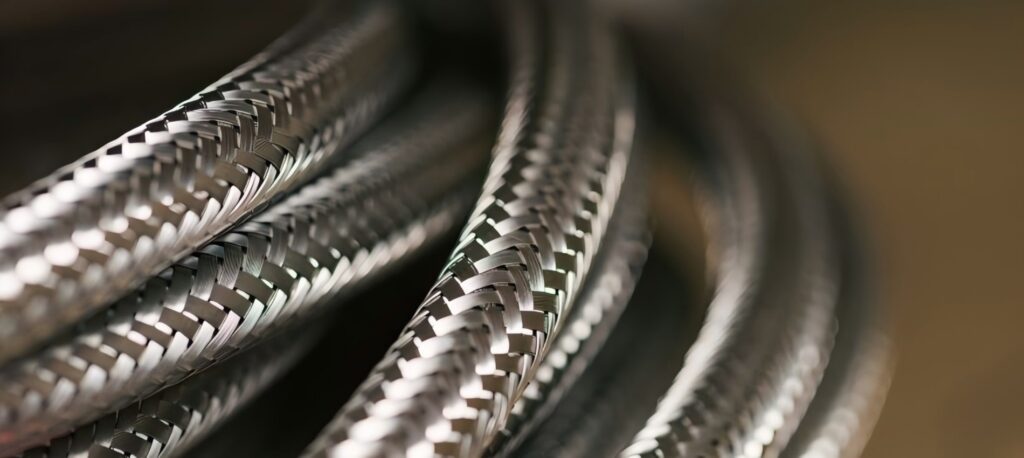
Braided metal construction offers far superior protection against daily scuffing and heavy compressive loads. A woven stainless steel outer layer safeguards the soft inner liner from sharp corners and tight bends. This dense wire mesh structure enables steel braided hoses to deliver a much longer service life in demanding residential and commercial environments.
| Hose Type | Typical Lifespan (Years) |
|---|---|
| Steel Braided Hose | 8 – 12 years |
| Standard Rubber Hose | 3 – 5 years |
Pressure and Heat Resistance
Persistent pressure fluctuations accelerate wear on lightweight hoses over extended use. Steel braided hoses feature tightly wrapped wire reinforcement surrounding the inner core. This external metal barrier resists failure amid violent, sudden water pressure spikes. Heavy-duty braided assemblies safely handle working pressures up to 6000 PSI.
Prolonged heat exposure also gradually breaks down the raw materials inside regular hoses. Braided metal hoses retain their strength through sharp shifts between hot and cold water temperatures. Modern commercial plumbing systems rely on heavy-duty braided hoses to manage thermal expansion safely. Facility managers select certified high-performance hoses to eliminate burst risks and maintain system safety.
Key Advantages of a Braided Hose
Industry professionals recognise three primary advantages when installing braided metal hoses within modern systems:
- Enhanced Strength and Durability: The outer stainless steel braid delivers robust structural reinforcement, boosting hose resistance against physical stress and preventing catastrophic failure.
- High Pressure Tolerance: These premium assemblies safely sustain continuous internal pressure without bulging or splitting.
- Superior Abrasion and Corrosion Resistance: The woven metal outer cover protects internal layers from ongoing mechanical friction, aggressive chemicals, and degradation caused by harsh ambient conditions.
Burst and Abrasion Protection
Unprotected hose outer walls often sustain mechanical damage in demanding industrial settings. Heavy machinery, sharp structural edges and constant vibration wear down basic rubber hoses quickly. High-performance braided metal hoses resolve this issue with a tightly woven stainless steel outer sheath. This protective wire mesh isolates delicate internal components from severe surface contact.
The external metal framework restricts dangerous radial expansion of the hose wall during abrupt fluid pressure spikes. By limiting liner movement, the wire mesh maintains stable internal fluid dynamics under intense operating loads.
Controlled Hose Expansion: Braiding limits radial expansion of hose walls under pressure.
Stainless steel braiding absorbs repeated physical impacts from surrounding equipment. The rigid outer structure contains internal fluid forces and effectively prevents punctures. Even if the inner liner develops an unforeseen structural fault, the woven sleeve maintains the assembly’s shape. This reliable containment limits leak volume, giving plant operators critical time to shut off main control valves. Commercial facilities install these burst-resistant braided hoses in high-risk zones to avoid expensive water damage.
Inner Core and Chemical Safety
Modern plumbing systems require contaminant-free fluid transport alongside dependable long-term mechanical performance. Approved braided hose assemblies feature inner liners manufactured from EPDM, PEX or chemically inert PTFE. Leading OEM supplier GONGGONG produces custom braided hoses for wholesale commercial buyers, ensuring material safety for both hot and cold water distribution systems.
| Property | PTFE Braided Hose | Standard Rubber Hose |
|---|---|---|
| Chemical Resistance | Exceptional resistance to acids, fuels, solvents, oils | Limited; can degrade with strong chemicals |
Commercial engineers specify advanced synthetic liners because standard rubber hoses degrade upon contact with corrosive fluids or concentrated cleaning agents. Conventional industrial hoses break down rapidly under high heat or chemical exposure. Food-grade EPDM liners withstand heavy loads, with a maximum instantaneous burst pressure of 35 BAR. PTFE liners resist degradation from concentrated sulphuric acid, hydrofluoric acid, caustic soda and active halogens. Premium braided hose assemblies preserve overall system integrity and stop toxic substances from leaching into potable water supplies. Professional contractors depend on durable braided metal hoses for extended service across challenging commercial applications.
Applications for Braided Metal Hoses
Residential Plumbing and Fixtures
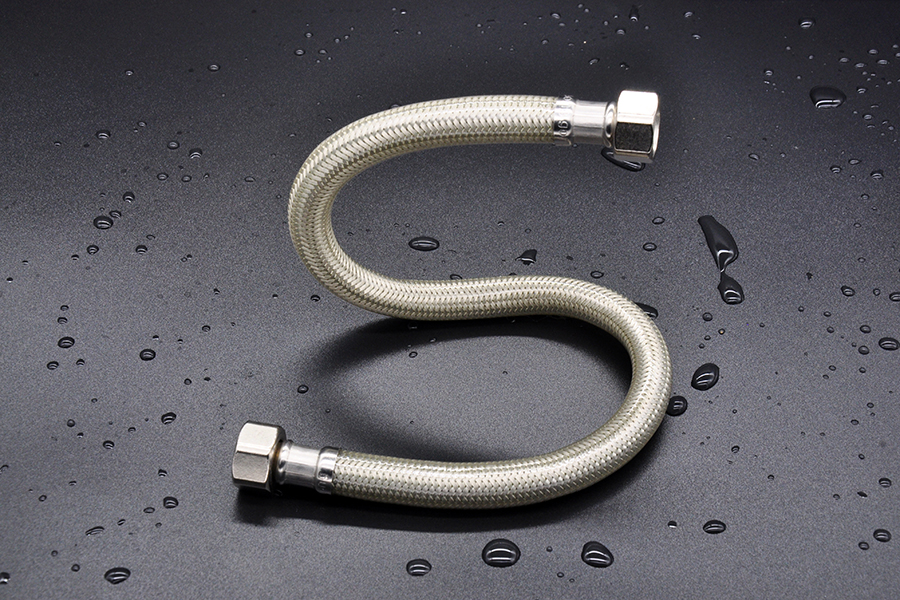
Homeowners widely use braided metal hoses for domestic water supply connections. These sturdy lines deliver potable water to sinks, bidets and premium shower systems. Basic rubber plumbing lines degrade quickly under constant pressure. In contrast, braided metal hoses deliver reliable service for 10 to over 20 years. Their flexible steel outer layer prevents sharp kinking inside compact cabinet spaces beneath kitchen sinks.
Established manufacturer GONGGONG supplies custom braided hose components as a trusted partner to global brands. The company engineers flexible braided lines with dimensionally stable, safe inner liners. Its products hold internationally recognised certifications including WRAS, ACS and WaterMark. For this reason, commercial contractors select these tested, standardised hoses to guard buildings against major internal water leaks.
Industrial and High-Stress Uses
Heavy factory machinery requires heavy-duty braided hoses for safe hydraulic power transmission. Automotive brake circuits operate under high internal pressure. Standard rubber hoses handle 1,000 to 1,500 psi, while steel braided hoses support extreme pressures up to 3,000 psi. Modern vehicle brake systems need a minimum operating pressure of 1,200 psi for effective stopping power. Dense steel wire reinforcement restricts hose expansion, transferring hydraulic force directly to brake calipers.
Beyond automotive systems, large-scale machinery relies on braided metal hoses for pneumatic power transfer. Chemical processing facilities select braided hoses to transport corrosive fluids without hazardous leakage. Food manufacturing plants also utilise hygienic braided hoses for internal fluid handling. Industrial operators choose these robust lines to sustain equipment performance in harsh operating environments.
Trade-Offs to Consider
Initial Upfront Investment
Steel braided hoses carry a higher purchase price compared to basic alternatives. Premium raw materials push manufacturing costs higher from the outset. Steel wire reinforced hoses cost $2.50 per foot, while basic fibre braided options cost $1.50 per foot, creating a clear price difference of $1.00 per foot.
| Hose Type | Price per Foot | Notes |
|---|---|---|
| Steel Wire Reinforced Hose | $2.50 / ft | Comparable to steel braided options |
| Fiber Braided Hose | $1.50 / ft | Standard alternative |
| Price Difference | $1.00 / ft | Calculated difference |
Replacing aged lines during kitchen faucet repairs increases overall labour costs. Typical supply hose replacement work adds $40 to $150 to service bills. Additional plumbing issues such as corroded valves can push total costs up by $100 to $300. Tradespeople replace worn piping to maintain household water safety.
Competent plumbers will complete pre-inspections and outline all costs upfront. Older existing steel braided supply lines that have been in service for several years are also recommended for replacement. All these items contribute to the final service charge.
Flexibility and Space Constraints
Rigid external metal braiding reduces bending capability during installation within tight spaces. Installers must handle these flexible assemblies carefully in confined areas. Heavy metal hoses require wider bend radii than plain rubber pipes. Sharp, forced twists crimp internal passages and disrupt consistent water flow in compact locations.
Contractors plan routing thoroughly before fitting braided metal hoses in narrow spaces. Precise measurements are required to protect inner liners in low-clearance zones. Rubber hoses bend easily in cramped areas, yet the tough metal shield protects soft inner tubing from crushing damage. Experienced fitters specify custom-length assemblies to avoid dangerous kinks on complex plumbing jobs.
Steel braided hoses deliver improved tensile strength, cope with elevated water pressure and protect buildings against leaks. Qualified plumbers recommend these lines for critical plumbing runs and industrial machinery. Builders specify reliable GONGGONG braided hose assemblies to secure building water systems for many years. Investing in tested flexible hose sets delivers consistent operational safety for all demanding applications.
FAQ
How long do steel braided metal hoses usually last?
Steel braided metal hoses generally stay strong for 8 to 12 years. Their tough build stops sudden water leaks and severe pipe damage.
Why do plumbers choose high performance braided supply lines?
Plumbers prefer these superior lines because they easily manage huge pressure spikes up to 6000 PSI without popping or stretching under heavy stress.
Are braided metal hoses safe for fresh drinking water systems?
Yes. These pipes feature tested inner tubes made from EPDM or PEX that transport pure drinking water safely without spilling harmful chemicals.