
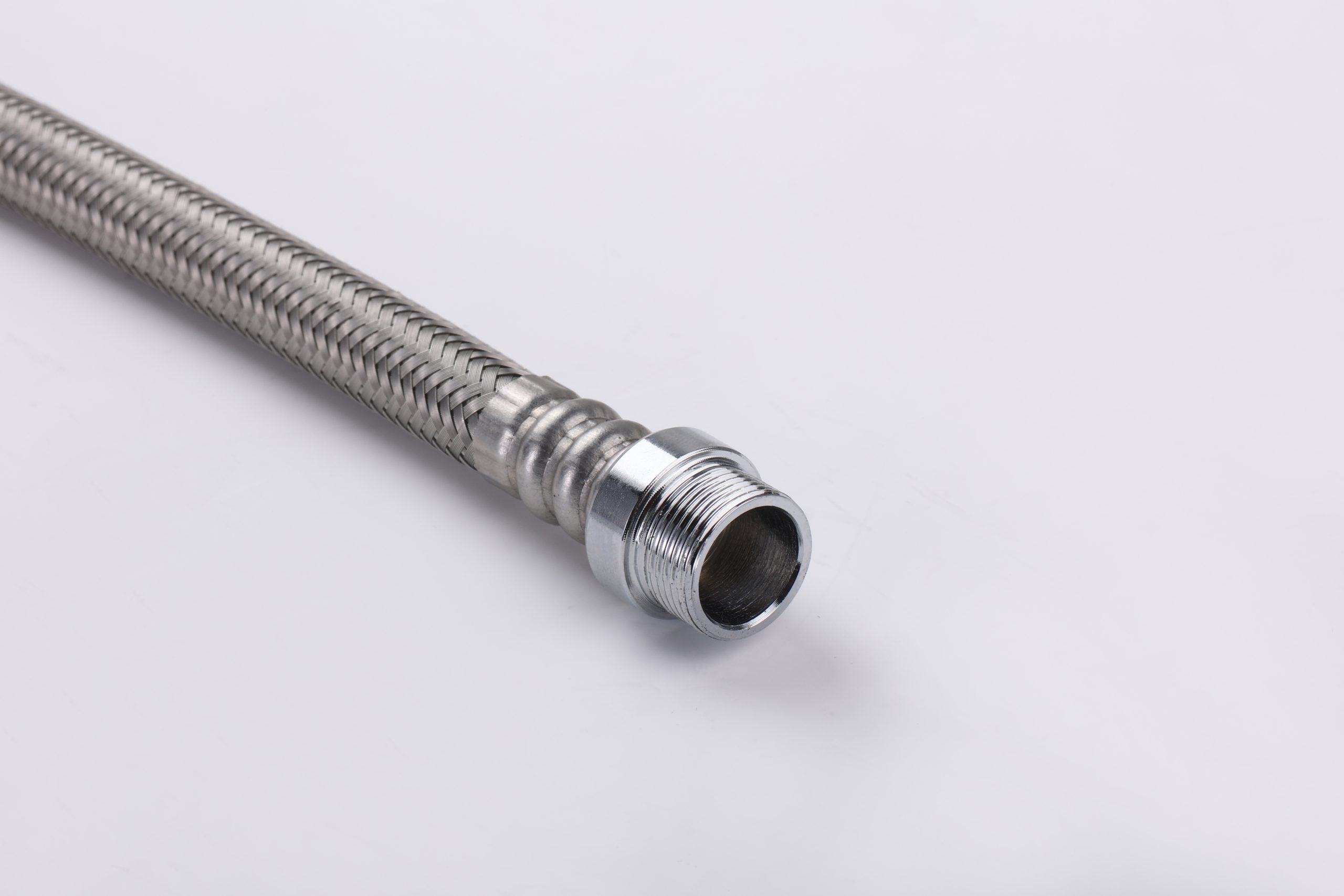
Yes, quick connect fittings are available in a variety of sizes. The most common standard sizes are 1/4 inch, 3/8 inch, and 1/2 inch. Using the wrong size can lead to leaks, a drop in pressure, or even an inability to make a connection. This guide will explain the standard sizes, why matching them matters, and how to measure your equipment to select the right fit.
Key Takeaways
- Quick connect couplings primarily come in three sizes: 1/4 inch (small tools), 3/8 inch (most hoses), and 1/2 inch (heavy-duty equipment).
- Measure the inner diameter (ID) of the female coupling or the outer diameter (OD) of the male plug to determine the correct size.
- Mismatched sizes cause leaks, pressure drops, and connection failures. Always verify the pressure rating and thread standards.
Standard Quick Connect Fitting Sizes and Uses
1/4-Inch Fittings: Compact and Low-Flow
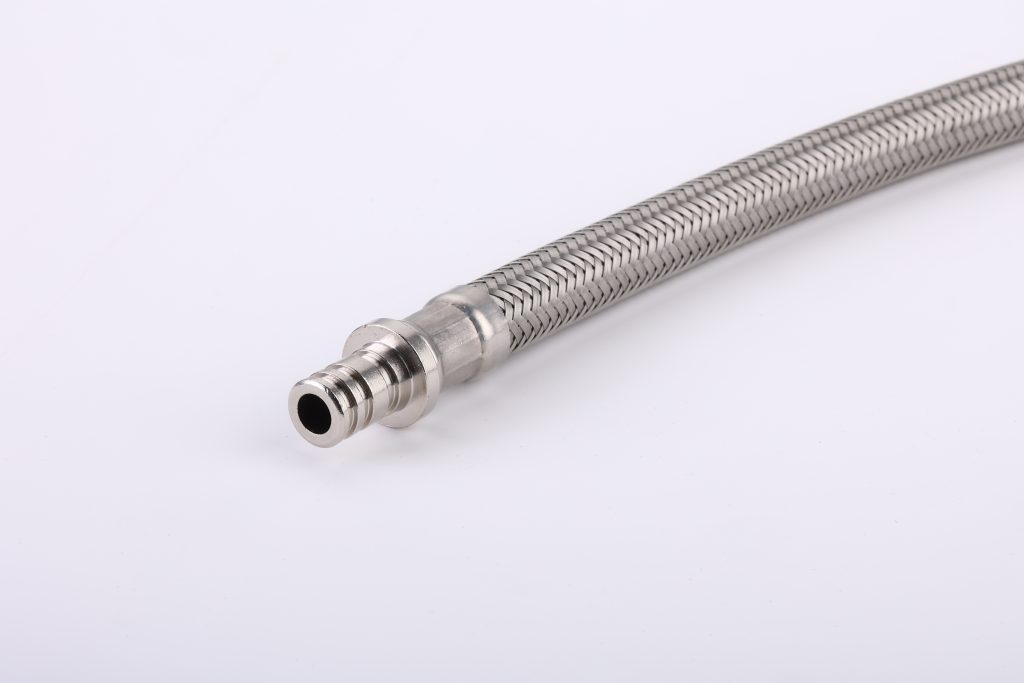
The 1/4-inch size is a common, small-scale option designed for low flow rates and short line lengths. These are suitable for small hand tools, pneumatic air supply lines, spray-painting equipment, and compact DIY projects. Because their transport capacity is limited, they are recommended only for light-duty operating conditions.
3/8-Inch Fittings: The Balanced Middle Ground
The 3/8-inch size falls between compact and heavy-duty categories. It offers a higher flow rate than 1/4-inch while maintaining excellent flexibility. It is commonly used for medium-flow lines, commercial-grade pressure washers, and standard residential plumbing. A flexible shower hose or a standard kitchen hose often utilizes 3/8-inch fittings to ensure a stable, balanced water delivery system.
1/2-Inch Fittings: High-Flow and Heavy-Duty
The 1/2-inch size is intended for heavy-duty equipment and high-flow applications. You will typically find these on large industrial hoses, main water supply lines, and high-pressure washers.
For outdoor faucets, most standard garden hoses do not use quick connects at the tap; instead, they follow the 3/4-inch GHT (Garden Hose Thread) standard. However, many users add a 3/4-inch GHT to 1/2-inch quick connect adapter to make swapping hoses faster.
Why Quick Connect Fitting Size Affects Performance
The Risk of Leaks and Weak Pressure
Dimensions determine how a coupling performs under pressure. When a coupling fits perfectly, it creates a tight seal. A slight deviation compromises this seal. Inserting a 6 mm tube into a 1/4-inch fitting might be easy, but it will not lock securely; under pressure, the tube could slip or be ejected entirely. A tube that is too small restricts flow, while one that is too large prevents the system from maintaining pressure.
Connection Failures and Thread Damage
Mismatched threads can lead to leaks and accidental disconnection. Forcing fittings together can damage their internal valves and ruin the valve seats. Always ensure thread standards are consistent, as mixing different standards (like ISO-A and ISO-B) will fail to create a proper seal and may cause permanent damage.
How to Measure and Choose Quick Connect Fitting Sizes
Measuring Inner Diameter (ID) vs. Outer Diameter (OD)
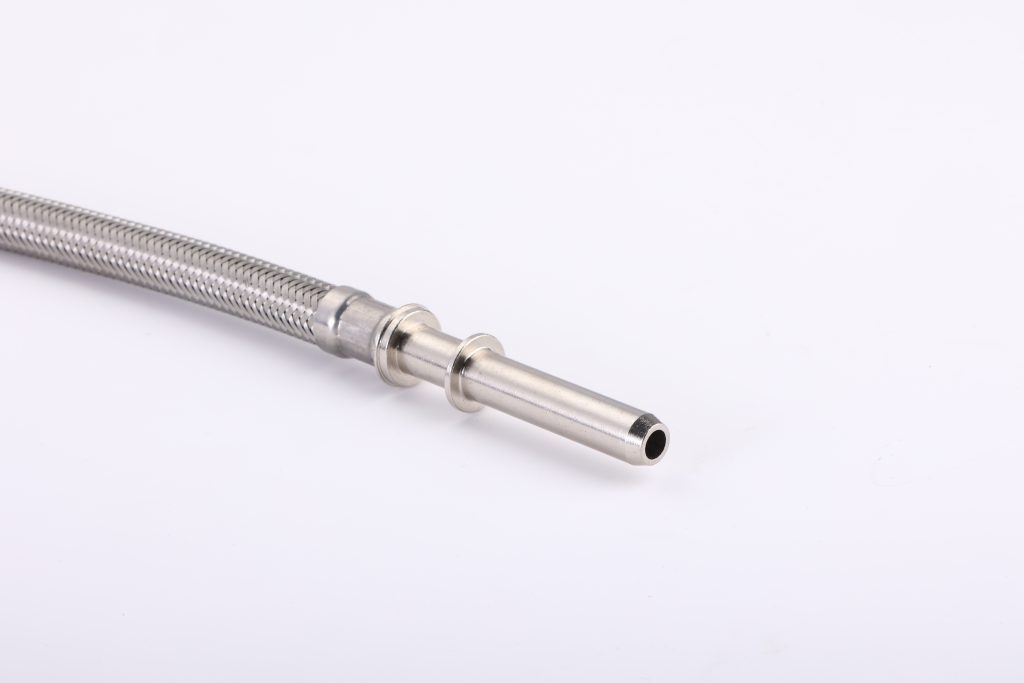
To find the right size, use a caliper and a thread gauge. For a quick connect fitting, measure the inside diameter of the female socket or the outside diameter of the male plug. A thread gauge confirms the pitch, which should fit snugly in the threads with no wiggle room. Compare your readings against a standard sizing chart.
Matching Fittings to Your Hose Types
When selecting hoses and fittings, always match the hose diameter to the fitting size. For example, stainless braided hose products are available in various inner diameters (including EPDM, PEX, or PTFE cores) and custom lengths. Ensuring the hose diameter aligns with the fitting specifications creates a secure, leak-free connection and prevents the hose from kinking.
FAQ
How can a user tell which quick connect size they have?
Measure the female socket’s inside diameter or the male plug’s outside diameter. A caliper and a thread gauge confirm the reading against a size chart.
Can an adapter fix a mismatched fitting size?
Yes. An adapter bridges two sizes. However, it also adds an extra connection point, which increases the risk of leaks. Matching the size directly from the start gives a tighter, simpler setup.
Do garden hoses use the same sizes as pressure washers?
No. Garden hoses generally follow the 3/4-inch GHT thread at the tap. Pressure washers and indoor plumbing use 1/4-inch, 3/8-inch, or 1/2-inch quick connect fittings.