

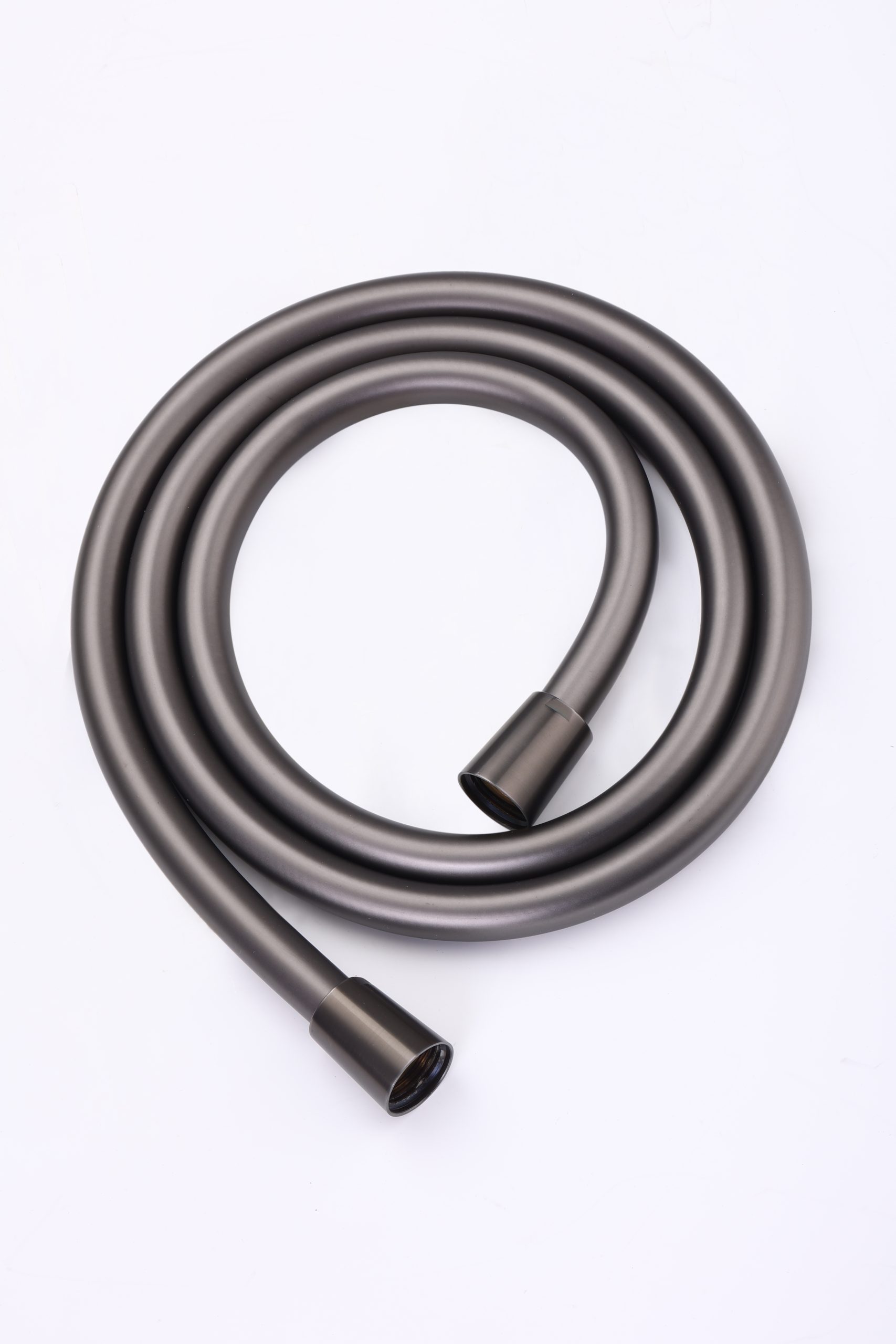
Yes, you can make a shower hose longer. Many people want to move around more in the bathroom. Some want to reach farther or help kids and older people. There are easy ways to do this for most people at home. Picking a good hose like the GONGGONG Braided Hose helps it last longer. It also keeps the water safe.
Tip: Always pick hoses and fittings that do not rust. This helps them last a long time.
Key Takeaways
- You can make your shower hose longer at home. This helps you feel more comfortable and makes it easier to use.
- Pick strong materials like brass or stainless steel for the parts. These materials stop rust and leaks from happening.
- Extension fittings or adjustable shower arms let you reach more spots when you shower.
- Always look at the size and kind of your hoses and parts. This makes sure everything fits right and stops leaks.
- Check your shower hose often for cracks or leaks. This keeps your shower safe and working well.
Why Extend a Shower Hose?
Common Reasons
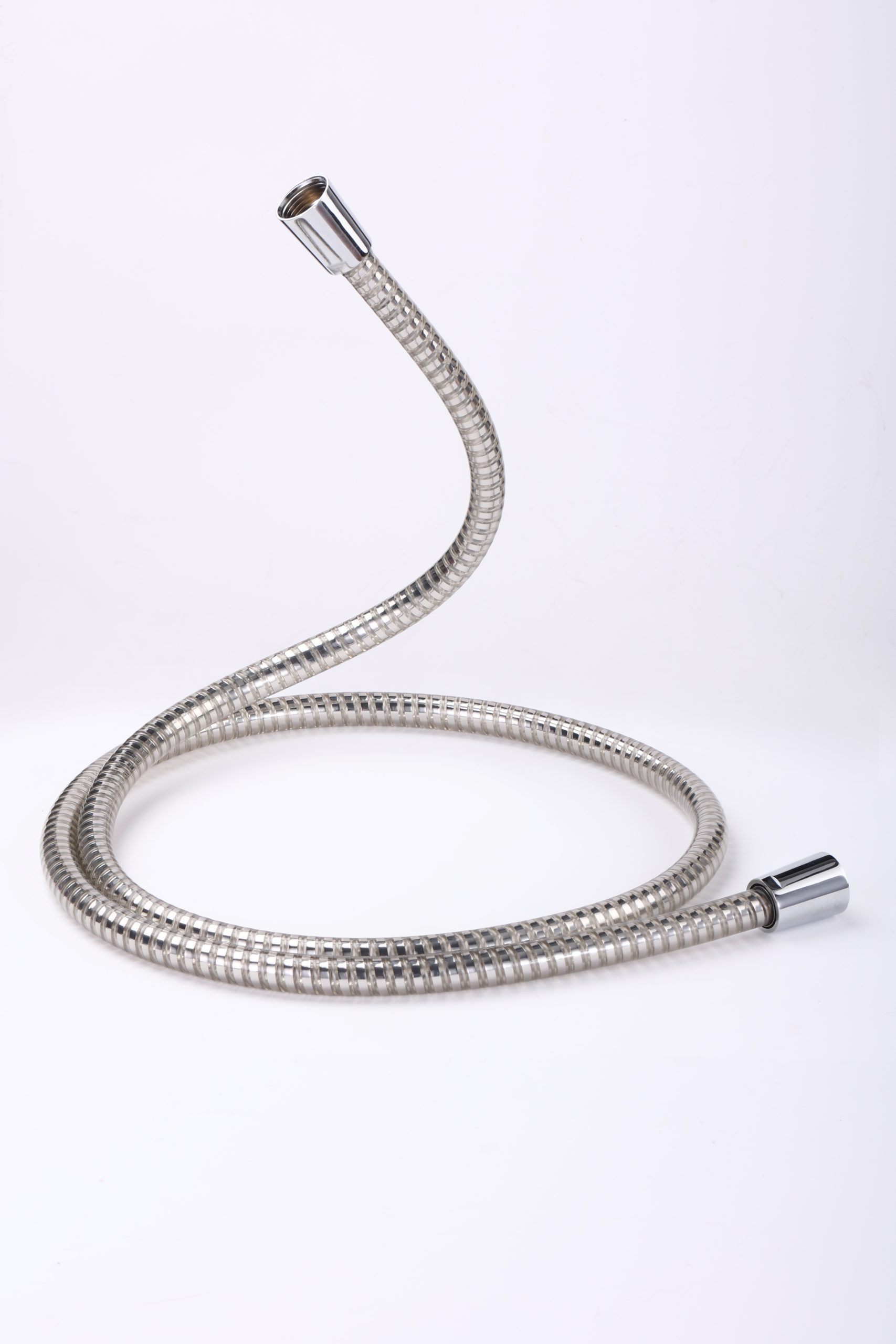
Many people want a longer shower hose for simple reasons. A longer hose can make shower time easier and nicer. Here are some main reasons:
- Comfort: A longer hose lets you move more. You can shower while sitting or standing.
- Accessibility: Families with older people, kids, or pets like longer hoses. It makes bathing safer and easier for everyone.
- Practical Utility: In small bathrooms, a longer hose can reach more spots. This makes cleaning and rinsing much easier.
Note: Making a shower hose longer can help people of any age enjoy bathing more.
Benefits
Making a shower hose longer has many good points, especially for people with special needs. The table below shows how different people can use a longer hose:
| User Group | Benefits |
|---|---|
| Individuals with mobility impairments | Lets people sit while showering, good for those who can’t stand long. |
| Caregivers | Makes it easier to help others bathe and stay dry. |
| Post Surgery or Injury Recovery | Less moving is needed, so showering is easier when healing. |
A longer hose can also help clean the shower, wash pets, or fill buckets. Many people see that a longer hose can really help with daily tasks.
Shower Hose Extension Methods
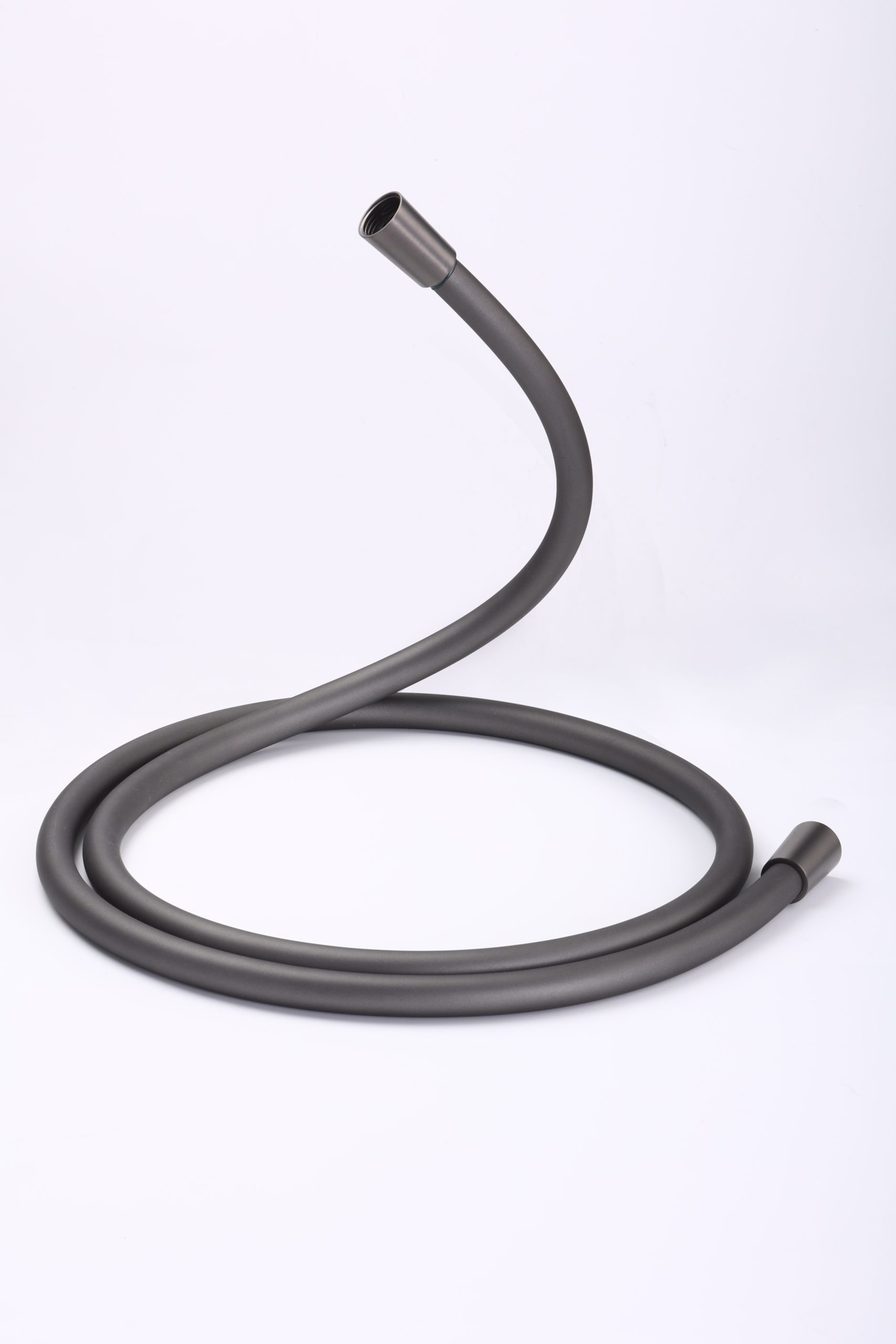
Making a shower hose longer can help you feel more comfortable. It also lets you move around more in the bathroom. There are a few good ways to do this at home. Each way has its own good points and works for different people.
Using Extension Fittings
Extension fittings join two hoses or make one hose longer. These fittings are made from different materials. Brass and stainless steel fittings do not rust and are strong. They last a long time and look nice. Plastic fittings are cheaper and lighter. They work best if your water pressure is low.
| Type of Fitting | Advantages | Disadvantages |
|---|---|---|
| Metal Fittings (Stainless Steel, Brass, Chrome-Plated) | Very strong, do not rust, good for high water pressure, look nice | Cost more, can be heavy and may hurt old fixtures |
| Plastic Fittings (PVC or Reinforced Polymer) | Cheap, light, do not rust, good for low water pressure | Can break from heat or sun, not as strong over time |
Tip: Pick brass or stainless steel fittings to stop leaks and rust. These fittings also help your shower hose last longer.
Most extension fittings come with washers and seals. These small parts stop water from leaking out. Most people can put in an extension fitting in about an hour. Some even have a 24-month warranty, so you feel safe using them.
Connecting Two Hoses
You can also make a shower hose longer by joining two hoses. You need a special connector for this. The connector must fit both hoses. Plumber’s tape, called Teflon tape, helps seal the connection. Wrap the tape around the threads to keep water from leaking.
| Aspect | Recommendation |
|---|---|
| Compatibility | Make sure the fitting size and thread type match both the filter and the shower hose. This stops leaks or water flow problems. |
| Sealing | Use plumber’s tape on all threads to stop leaks. Do not tighten too much or you might break plastic fittings. |
| Use High-Quality Fittings | Buy fittings made from strong materials like brass or reinforced polymer. This helps stop cracks or breaks. |
| Apply Teflon Tape | Wrap plumber’s tape around the threads two or three times before connecting. This keeps water in and makes tightening easier. |
| Hand-Tighten Properly | Tighten by hand first, then use a wrench for a small turn. If you tighten too much, you can break the threads or seals. |
Sometimes, joining two hoses can cause problems. Water pressure might change, or leaks can happen if the connection is not tight. The table below shows some problems you might see:
| Problem | Description |
|---|---|
| Uneven Water Pressure | Water pressure can go up and down between showerheads. |
| Leaking | Water can leak and raise your water bill if washers are old or connections are loose. |
| Diverter Valve Malfunction | The diverter valve might not work right, so water comes out of both showerheads. |
| Compatibility Issues | It can be hard to install if the plumbing or sizes do not match. |
Note: Always check the size and type of your hoses before joining them. This helps stop leaks and keeps water moving well.
Adjustable Shower Arms
Adjustable shower arms are another way to make your shower hose reach farther. These arms connect to the shower pipe you already have. You can move the shower head up, down, or tilt it. This helps you reach more places and works for people of different heights.
Adjustable shower arms have many features. The table below shows what to look for:
| Feature | Description |
|---|---|
| Material and Strength | Pick strong materials like stainless steel or brass. These last longer and look good. |
| Adjustability and Ease of Use | Find shower arms that move or tilt so you can aim the water where you want. |
| Spray Styles and Water Strength | Choose models with different spray options and strong water flow for a better shower. |
| Ease of Installation | Get designs that are easy to put in, with clear steps and no tools needed. |
Tip: Stainless steel adjustable arms are strong and can be recycled. They last a long time and are good for the planet.
Adjustable shower arms help families make their showers fit their needs. They also make it easier for everyone to clean and bathe.
Compatibility and Troubleshooting
Hose and Fitting Sizes
Picking the right hose and fittings stops leaks. It also makes sure everything fits together well. Most shower hoses in the U.S. use a ½ NPS thread size. This size works with most showerheads and wall pipes. But some hoses have connectors that are not standard sizes. These can be made of plastic or brass. Always check the thread type before you buy new parts. This makes putting in the hose much easier.
The table below lists common things to look for in shower hoses and fittings:
| Feature | Details |
|---|---|
| Length | Most shower hoses are about 60 inches long. This length may not work for everyone. |
| Connectors | Many hoses have plastic connectors. Some have brass connectors that are not standard sizes. |
| Standard Thread Size | Most shower hoses in the U.S. use a ½ NPS thread size. This helps them fit most showers. |
| Considerations for Use | Think about your shower size and how you will use the hose. This helps you pick the right length. |
Tip: Measure your old hose and check the thread type before you buy a new one.
Water Pressure Concerns
Making a shower hose longer can change water flow. The hose diameter changes pressure and spray. Narrow hoses (8–10mm) make water pressure higher. This gives a strong, focused spray. Standard hoses (12–14mm) give balanced flow and pressure. This makes a steady stream. Wide hoses (15mm or more) lower the pressure. They give a softer, wider spray.
| Hose Diameter | Water Pressure Effect | Spray Characteristics |
|---|---|---|
| Narrow (8–10mm) | Makes pressure higher because water moves through a smaller space | Spray is strong and focused |
| Standard (12–14mm) | Gives balanced flow and pressure | Spray is steady and covers well |
| Wide (15mm+) | Lowers pressure but gives more water | Spray is soft and wide |
To keep water pressure good, you can:
- Make sure all threads match, like 1/2″ NPT or 1/2″ BSP.
- Use strong fittings made from brass or stainless steel.
- Add a flow regulator or anti-kink liner if needed.
- Seal all threads with Teflon tape.
- Check hoses often for cracks or mineral buildup.
When to Get Help
Some problems need a professional to fix. Leaks, water damage, or pressure issues can happen if hoses are not put in right. Small mistakes can cause big repairs or more problems later.
- Leaks can happen if connections are not tight.
- High water pressure can break hoses or fittings.
- Bad waterproofing can let water get behind walls.
- Small mistakes during setup can cause bigger problems later.
Note: If you see leaks, water pressure changes, or get confused, a licensed plumber can help fix things fast and safely.
FAQ
Can anyone extend a shower hose at home?
Most people can extend a shower hose with basic tools. They need to follow instructions and check hose sizes. If problems happen, they should ask a plumber for help.
What tools do people need to extend a shower hose?
People often need an adjustable wrench, plumber’s tape, and a new hose or fitting. Some kits include all parts needed for the job.
Will a longer hose lower water pressure?
A longer hose may lower water pressure a little. The effect depends on the hose diameter and water system. Most people do not notice a big change.
How often should people check their shower hose for leaks?
People should check their shower hose every few months. They should look for cracks, rust, or leaks. Early checks help prevent bigger problems.