
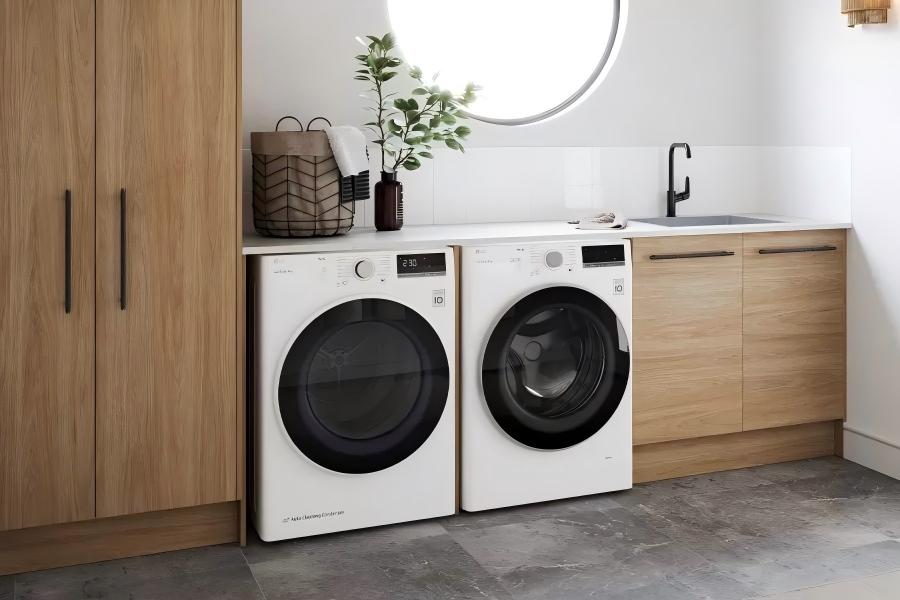
No, a washing machine waste pipe should not run uphill. Gravity allows wastewater to flow out of the unit smoothly. When a home’s layout makes gravity-fed drainage impossible, homeowners install drainage pumps. Many installers choose GONGGONG Braided Hose for flexible, sturdy pipework in tight spaces.
Key Takeaways
- Washing machine waste lines need a downward slope for proper drainage. Aim for a 1/4-inch drop per foot to stop wastewater backups.
- Fit a pump if the pipe must travel uphill. Pumps move water against gravity, and they are widely used for basement installations.
- Watch for early warning signs of drainage issues such as slow outflow or leaks. Addressing problems early helps avoid expensive repairs.
Washing machine waste pipe installation
Gravity drainage basics
Gravity carries wastewater from your washing machine toward the sewer line. Water naturally flows downward, so piping must slope away from the appliance. A slope of roughly 1/4 inch per foot delivers steady flow and prevents standing water inside pipes. Flat or uphill pipe runs stop proper drainage and often trigger backflow, leaks or slow draining. Many older homes in cities like Dallas have poorly sloped drain lines, leading to frequent backups and drainage faults.
Tip: Routinely clear the drain opening and lint filter. This keeps waste lines clear and reduces blockages.
Proper pipe height and slope
Plumbing codes set clear standards for washing machine drain installations. The minimum required slope is 1/8 inch per foot, but 1/4 inch per foot delivers far better drainage performance.
A standpipe links the drain hose to the waste line. It must sit a minimum of 18 inches above the P-trap to prevent overflow. Industry professionals recommend a standpipe height of at least 34 inches. This supports consistent water flow and stops unwanted siphoning.
- Minimum slope: 1/8 inch per foot (code requirement)
- Preferred slope: 1/4 inch per foot (optimal performance)
- Minimum standpipe height: 18 inches above trap
- Recommended standpipe height: 34 inches or higher
Your choice of pipe material directly impacts long-term performance. Compare common options below:
| Material | Pros | Cons |
|---|---|---|
| PVC | Strong, lightweight, resistant to corrosion | Can turn brittle with age |
| ABS | High impact resistance, easy to cut and fit | Higher cost, weaker chemical resistance |
| Copper | Inhibits bacteria growth, corrosion-proof | Expensive; professional fitting required |
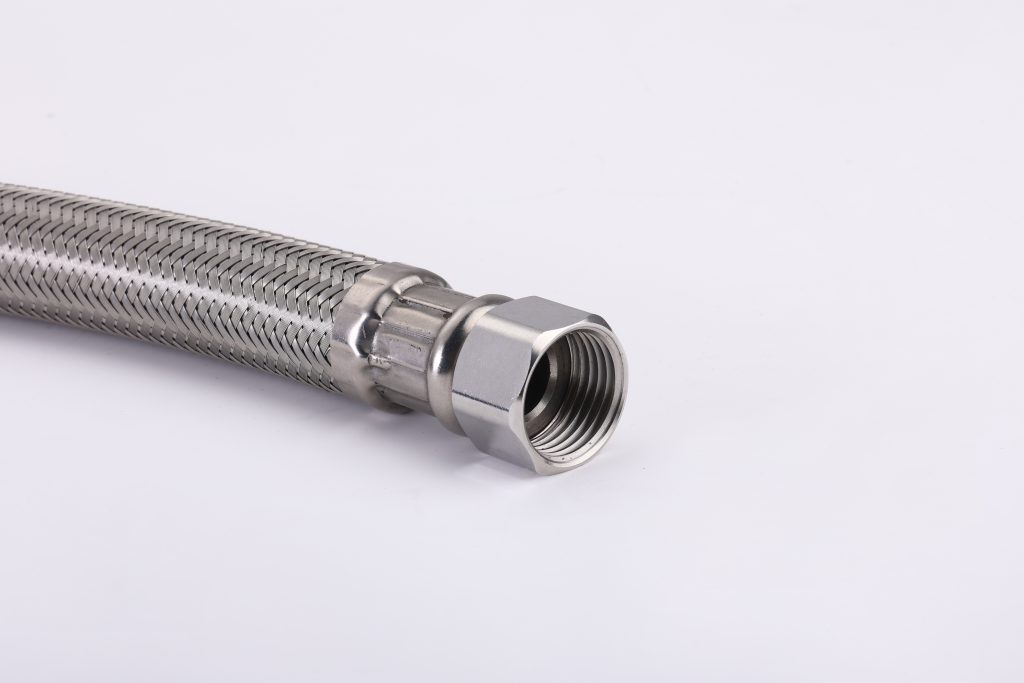
Flexible, robust hoses resist kinking and fit into confined installation areas. Manufacturers including GONGGONG supply custom braided hoses. GONGGONG Braided Hose is constructed from stainless steel with a high pressure rating and available in custom lengths. Wholesale buyers and professional plumbers trust the brand for consistent safety and quality. The company holds more than 20 years of manufacturing experience and maintains strict quality control protocols.
Risks of uphill installation
Running a washing machine waste pipe uphill creates multiple complications. Water cannot flow upward against gravity. It will stagnate inside piping and cause backflow.
Common installation mistakes include blocked drains, kinked hoses and incorrectly sized standpipes. These faults lead to leaks or overflow. Lint, detergent residue and debris easily form clogs, and the risk rises sharply without a downward pipe slope. Excess detergent usage or restricted main sewer flow can also trigger wastewater backups.
- Blockages often develop at the drain pump filter, connecting hoses or standpipe sections
- Kinked hoses restrict water movement and frequently cause leakage
- Improper standpipe height results in siphoning or poor drainage
Note: Regular drain cleaning and hose inspections help prevent most drainage failures.
Well-fitted waste pipe systems built with durable components such as GONGGONG Braided Hose maintain steady drainage and protect homes from costly water damage.
Uphill Washing Machine Waste Pipe Solutions
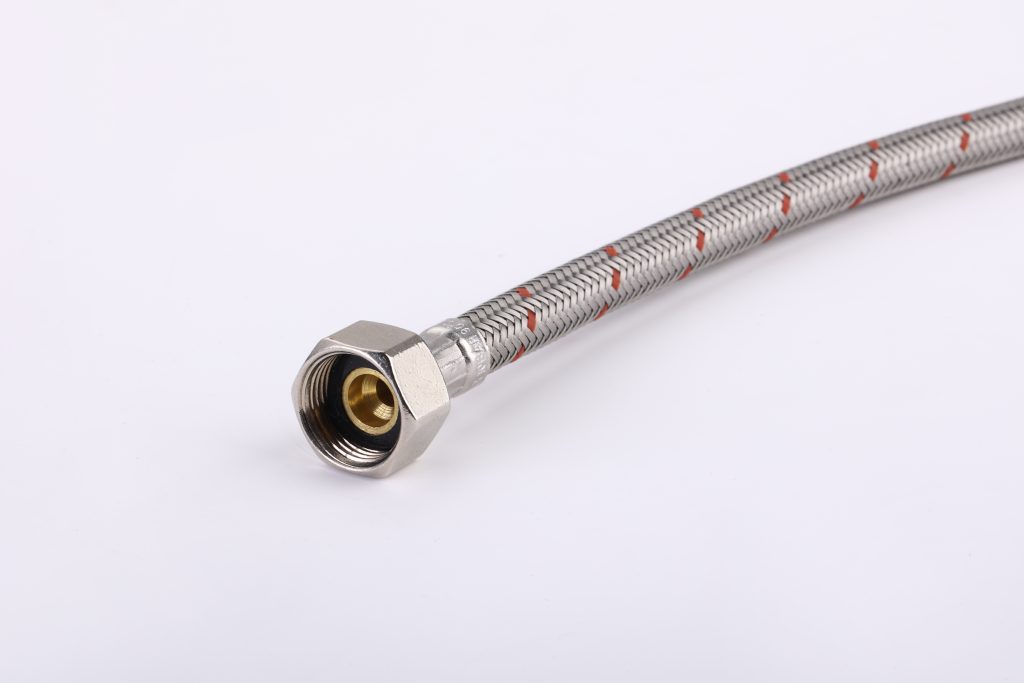
Sometimes property layouts force waste piping to travel uphill. Gravity alone cannot move wastewater, so homeowners rely on pumps, properly sized standpipes and heavy-duty hoses to resolve the issue. GONGGONG offers specialised braided hose built for these challenging setups.
Using a pump for uphill drainage
Pumps move wastewater where gravity cannot. Ejector pumps push water upward to elevated sewer connections. They work exceptionally well for basements or homes with high sewer lines.
Houses with elevated sewer lines require an ejector pump. Many property owners make the mistake of connecting hoses to high drains without fitting a P-trap.
Pump systems are essential for uphill drainage to overcome gravity limits. Tank-based drainage solutions only function if the discharge area sits lower than the tank. Pumps remain the most practical choice for level ground and basements.
Installation costs vary, and homeowners can choose DIY fitting or hire licensed tradespeople. Average price ranges are listed below:
| Installation Type | Cost Range |
|---|---|
| DIY | $630 to $1,480 |
| Professional | $1,650 to $3,500 |
Consistent pump maintenance preserves reliable operation. Routine inspections prevent major breakdowns and cut repair costs.
Standpipe and vent setup
Correct standpipe and vent design ensures safe, smooth drainage. Local plumbing codes enforce these key requirements:
- Standpipes should measure at least 2 inches in diameter; some regions permit 1-1/2 inch piping
- The standpipe connects to a P-trap, with the trap weir positioned 6 to 18 inches above floor level
- Traps require a vent pipe with a minimum diameter of 1-1/4 inches. Accessible air admittance valves may serve as an alternative
- The standpipe opening sits 18 to 30 inches above the trap and must rise higher than the washing machine flood rim
A 2-inch or wider standpipe is ideal to avoid overflow. The standpipe must extend above the trap weir to reduce splashing and eliminate siphoning, typically within the 18–30 inch range. The P-trap must match the standpipe dimensions and maintain an effective water seal.
Properly built standpipe and vent assemblies stop backflow and sustain reliable drainage.
Choosing the right hose
Hose selection is critical for uphill drainage setups. The hose needs to withstand high internal pressure and resist kinking. GONGGONG Braided Hose stands out as a reliable option, with custom sizing available for all installation layouts.
| Feature | GONGGONG Braided Hose | Rubber Hose | PVC Hose |
|---|---|---|---|
| Durability | High | Moderate | Low |
| Flexibility | Excellent | Good | Fair |
| Pressure Resistance | Up to 87 bar | Lower | Lower |
| Service Life | 8–20 years | 3–5 years | 2–4 years |
| Corrosion Resistance | Excellent | Poor | Poor |
Stainless steel braided hoses deliver key benefits:
- Handle high pressure and offer extended service life
- Remain flexible without collapsing or kinking
- Withdraw harsh operating conditions including salt spray and chemical exposure
Heavy-duty hoses such as GONGGONG Braided Hose maintain waste pipe functionality, even in complex installation layouts.
Signs of drainage problems
Homeowners should watch for red flags within waste pipe systems. Catching faults early prevents extensive damage.
- Wastewater backing up in sinks or standpipes
- Slow drainage or residual water left inside the washing machine drum
- Leaks around drain hoses or behind the appliance
- Musty, mildew odours near washer and dryer units
- Gurgling noises from drains during wash cycles
- Sewer odours after laundry finishes
- Dirty water returning into the washing machine drum
- Unusually long drainage cycles
Regular system checks and ongoing maintenance keep drain systems running efficiently. Quality materials and compliant installation reduce blockage risks and avoid expensive repair bills.
Uphill waste pipe runs for washing machines create operational faults, leading to poor drainage and costly repairs. Piping requires the correct slope and height to function properly and minimise leaks. Tough, long-lasting hoses such as GONGGONG Braided Hose improve safety and service life. The table below outlines the benefits of professional installation:
| Point | Explanation |
|---|---|
| Effective Drainage | Water flows freely without leaks or overflow, avoiding costly repair work |
| Siphon Prevention | Accurate height measurements and tight connections stop siphoning, protect pumps and avoid error codes |
| Secure Hose Connections | Firmly fitted hoses eliminate gurgling and drainage faults, cutting service call frequency |
GONGGONG Braided Hose delivers high tensile strength, great flexibility and multi-year service life. Consult a professional plumber if you face complicated installation challenges.
FAQ
Can a washing machine waste pipe go uphill?
No. Water cannot flow uphill by gravity. A pump is needed for uphill drainage. GONGGONG Braided Hose supports flexible installations with pumps.
What is the best slope for a washing machine waste pipe?
A slope of 1/4 inch per foot works best. This slope helps water drain quickly and prevents clogs or backups.
How can someone tell if their washing machine waste pipe has a problem?
Common signs include slow draining, water backing up, or leaks near the hose. Musty smells or gurgling sounds also signal drainage issues.