
Of course, you can absolutely replace a shower hose yourself! Generally, all you need are some basic tools; simply follow the steps to tighten the connections, and the job is done—no professional skills required. Nowadays, the market offers many products featuring solid craftsmanship and excellent durability—for instance, hoses with a thickened braided design that are less prone to aging or leaking during daily use. Products like those from GONGGONG also excel in terms of pressure resistance and attention to detail, offering you greater peace of mind during use. When installing, simply ensure that the connections match correctly and are properly sealed; the entire replacement process should then go very smoothly.

Key Takeaways
- As long as you follow these simple steps, proceed slowly, and prioritize safety, you can replace the hose yourself.
- Selecting the right hose is essential for preventing leaks and damage.
- Before you begin, prepare simple tools such as a wrench and a screwdriver.
- When replacing the hose, be sure to wear safety gear, such as gloves and safety goggles.
- After installing the new hose, check for any water leaks.
Different Types of Hoses and Their Specific Uses
Garden Hose
Garden hoses are commonly used for watering plants and washing cars, and can also be used to fill children’s pools. Consequently, they require materials that are resistant to sunlight and abrasion, and capable of withstanding frequent movement; typical choices include multi-layered rubber or vinyl, which are resistant to cracking and fading.
Before use, it is advisable to check the hose for kinks or leaks; if any cracks or bulges are detected, the hose should be replaced immediately. When selecting a hose, consider the intended application to determine the appropriate length: longer hoses are suitable for large yards, while shorter ones are easier to store.
Tip:To extend the hose’s service life, avoid using it to convey hot water or high-pressure water streams. When pairing the hose with a sprinkler, ensure that the connectors are compatible.
Appliance Hose
Appliance hoses are used to connect equipment such as washing machines and dishwashers to a water supply; they must possess excellent pressure resistance and flexibility to prevent leaks or bursts. Featuring a stainless steel braided layer, their structure is robust and highly durable.
For instance, select models of GONGGONG braided hoses feature an internal PTFE lining, which helps maintain water purity while offering superior corrosion resistance.
Tip:For household appliances, please be sure to use braided flexible hoses; this helps prevent damage caused by leaks and provides you with complete peace of mind.
Coolant Hose
Coolant hoses are utilized within automotive engines to transport high-temperature coolant between the engine and the radiator. Due to their constant exposure to high-temperature and high-pressure environments, these hoses must possess excellent resistance to both pressure and heat. Typically, coolant hoses are manufactured from high-strength rubber and reinforced with metal wire or fabric; this construction enhances cooling efficiency, effectively mitigates the risk of leaks, and improves overall strength and durability. Some hoses feature silicone or braided fiber structures, offering greater performance stability and making them suitable for more demanding operating conditions.
When replacing a coolant hose, it is essential to measure its length and diameter to ensure proper compatibility with the vehicle.
Note: It is crucial to note that a standard garden hose should never be used as a substitute for a coolant hose, as the two differ significantly in both material composition and structural design. The use of an unsuitable hose can lead to leaks or even result in engine failure.
Tools and Materials for Hose Replacement
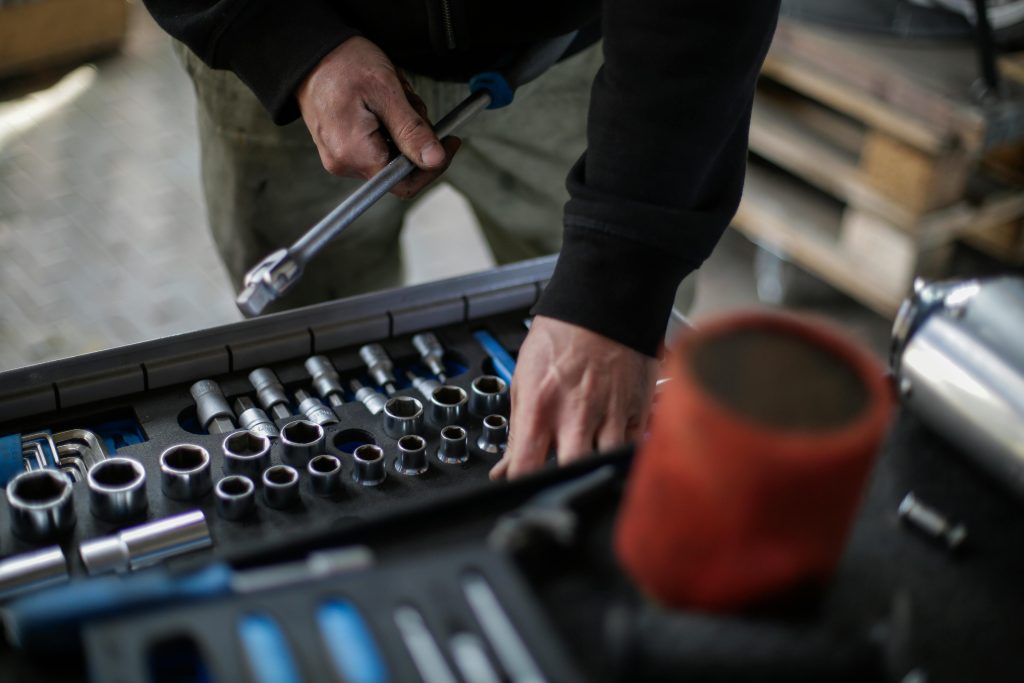
Basic Tools Checklist
Replacing a hose doesn’t require a lot of fancy tools. In most cases, you simply need a few basic tools—items you likely already have in your toolbox. Adjustable wrench or pipe wrench for loosening and tightening hose connections
- An adjustable wrench or pipe wrench for loosening and tightening hose connections
- Specialized wrenches for tight or awkward spaces
- Solder and a torch for copper piping
- A screwdriver for hose clamps
- A bucket or towel to catch any spilled water
Tip: If you are working with PEX piping, you will need a crimping tool or an expansion tool. Also, keep some hose repair tape handy; it can help you seal small leaks in an emergency.
Choosing the Right Replacement Hose
Picking the right hose makes your project easier and safer. You want a hose that fits well and lasts a long time. Here’s what you should check:
- Length – Measure the old hose so you get the right size.
- Diameter – Common sizes are 1/4”, 5/16”, and 3/8”. Match the width to your system.
- Material – Choose a hose that fits your needs. Stainless steel braided hoses like GONGGONG work well for appliances. Rubber or vinyl hoses are good for gardens.
- Connections – Look at the ends. Some twist on, others snap in place. Make sure they match your faucet or appliance.
You can also think about climate, style, and special features. For example, frost-proof hoses work better in cold places.
Safety Gear
Safety first. Always protect yourself while working! Wear gloves to protect your hands from sharp edges; wear safety glasses to prevent water and debris from entering your eyes. Before starting work, always check clamps and accessories for rust or damage. If any problems are found, replace the affected parts immediately.
How to Replace Hoses
Preparation Steps
Start by getting ready. Good prep makes hose replacement much easier and safer.
- Prepare all tools and new hoses, and ensure the hose size and type are suitable for your product.
- Wear gloves and goggles. Protect your hands and eyes from sharp objects or splashes.
- Work in a clean, well-lit space. Lay down towels or plastic sheets to catch spills.
- If you’re working on a car, let the engine cool down.
- For appliances, unplug them before you start.
- Keep a bucket or pan nearby to catch any water or coolant that comes out.
- Check your new hose for any damage before you install it.
Tip: Always replace old hose clamps with new ones. This helps prevent leaks and keeps your system secure.
Removing the Old Hose
Now you’re ready to take off the old hose. Here’s how you do it:
- Loosen the hose clamps with a screwdriver or pliers. Slide them away from the ends.
- Gently twist the hose to break the seal. If it sticks, wiggle it back and forth. Don’t use too much force.
- Pull the hose off the fittings. If it’s stuck, cut it with a utility knife, but be careful not to damage the fittings.
- For a car’s cooling system, drain the coolant into a pan before you remove the hose. This keeps things tidy and safe.
- Dispose of old coolant properly. It’s toxic and should not go down the drain.
Note: Check the fittings for rust or corrosion. Clean them before you put on the new hose.
Installing the New Hose
Let’s put on the new hose. Take your time and make sure everything fits well.
- Slide the new hose onto the fittings. Make sure it goes all the way on.
- Put the hose clamps over the ends. Tighten them until they’re snug, but don’t over-tighten. Too much pressure can damage the hose.
- For a car’s cooling system, make sure the hose lines up with the radiator and engine. Avoid sharp bends or kinks.
- If you’re replacing a garden hose, attach the fittings and clamps as needed. Make sure everything feels secure.
- For appliances, double-check that the hose matches the water inlet or outlet. A good fit stops leaks before they start.
Tip: Wrap Teflon tape around threaded fittings for a better seal. This helps prevent leaks.
Testing for Leaks
You want to make sure your hose replacement worked. Testing is the last step.
- Turn on the water or start the engine (for cars) slowly.
- Watch the hose and fittings closely. Look for drips, sprays, or wet spots.
- For a car’s cooling system, let the engine run for a few minutes. Check the coolant level and add more if needed.
- If you see leaks, turn everything off. Tighten the clamps a little more or adjust the hose.
- Once you’re sure there are no leaks, clean up your tools and workspace.
| Common Mistakes to Avoid | How to Prevent Them |
|---|---|
| Over-tightening hose clamps | Tighten just enough to seal, not crush |
| Reusing old or damaged clamps | Always use new clamps for a secure fit |
| Using the wrong hose type | Match the hose to your system’s needs |
| Skipping safety gear | Always wear gloves and goggles |
| Not checking for leaks | Test every connection before finishing |
Common Hose Repair Issues
Garden Hose Repair Tips
You’ve probably encountered a leaky garden hose. Most homeowners experience leaks, knots, blockages, cracks, or low water pressure.
If you find a leak, first connect the nozzle and turn on the faucet, marking the leak point. Check the faucet; if it feels loose, tighten the sealing nut. Sometimes, you’ll need Teflon tape or a new washer. Next, check the hose fittings for damage. If the washer appears intact, replace the hose end with a hose fitting kit; if the hose is cracked, cut off the damaged section and reconnect it using a hose repair kit.
Note: Electrical tape can be used for small leaks, but larger holes require splicing.
Always drain the hose after each use and store it in a dry place. Clean the hose with a mixture of bleach and water, then rinse thoroughly.
Tip: Before winter arrives, disconnect the hose and drain the water to prevent freezing. During the colder months, store the hose indoors. These repair tips help extend the life of your garden hoses.
Coolant Hose Problems
Your car’s coolant hoses are put to the test. Sometimes you might find cracks, leaks, or bulges. Gently squeeze the hose to check for softening or cracks, wear, or damage. Check the coolant level regularly and add coolant if necessary.
Note: Change the coolant every 30,000 miles (approximately 48,000 kilometers) to keep the hoses in good condition.
A faulty coolant hose can lead to serious overheating and costly engine damage, so regular maintenance and timely repairs can prevent coolant leaks and ensure your vehicle’s safety.
Troubleshooting Leaks
Any hose can leak!
First, you need to locate the leak. Run water through the hose and move it around to find all possible leaks. You can quickly patch them with waterproof tape or repair cuts with a hose repair tool. However, if you find a large area of damage, cut it off and reconnect the hose using a connector.
Also, check the fittings and replace worn washers. Make sure to tighten the new fittings, but don’t overtighten! If leaks persist or the hose is severely damaged, consider upgrading to a higher-quality hose, such as GONGGONG braided hose. This type of hose is more durable and helps avoid future repair hassles.
FAQ
How do I know when to replace a hose?
Please check the hose for cracks, leaks, bulges, or softening. If the joints are rusty or water is spraying out, the hose should be replaced. Old hoses can fail without warning, so check them regularly.
Can I use GONGGONG braided hoses for hot water?
Of course! GONGGONG braided hoses can be used with both hot and cold water. Made of heat- and corrosion-resistant stainless steel, they ensure the safe and reliable operation of your appliances.
What tools do I need for hose replacement?
You usually need:
- Adjustable wrench
- Screwdriver
- Bucket or towel
- New hose clamps
You might need extra tools for special hoses, but these basics work for most jobs.
How do I stop a hose from leaking at the connection?
Try these steps:
- Tighten the clamp gently.
- Replace the washer if it looks worn.
- Use Teflon tape on threaded fittings.
If leaks continue, switch to a premium hose like GONGGONG for a better seal.
Are GONGGONG braided hoses safe for drinking water?
You can absolutely use GONGONG braided hoses to deliver drinking water! They meet strict safety standards and keep the water clean.