
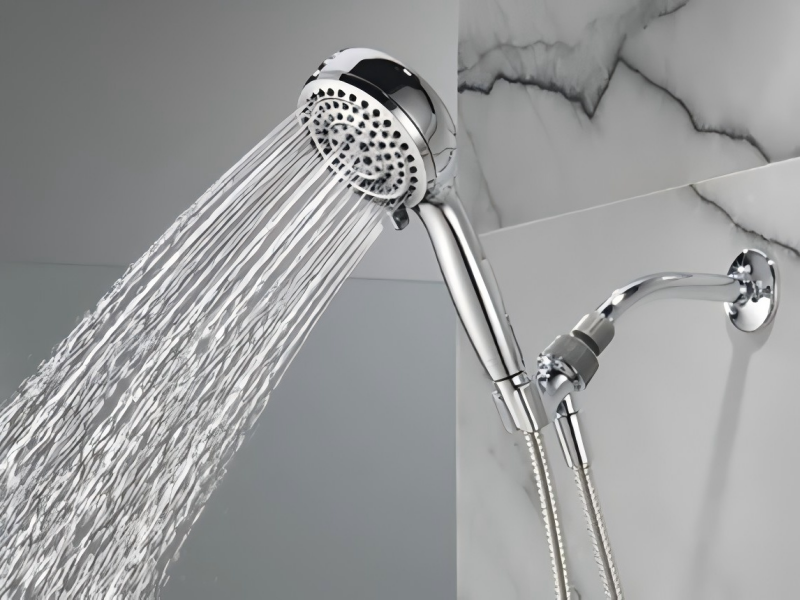
Yes, anyone can replace their shower hose at home. Many people find their shower hoses leaking, cracked, or having insufficient water flow. Some want to upgrade to a newer model. This quick repair requires only some basic tools and simple steps. People often feel nervous about plumbing repairs, but after completing this simple project, they quickly build confidence.
Key Takeaways
- Anyone can replace a shower hose with a few tools. This simple task allows you to enjoy the fun of solving problems yourself.
- Look for leaks, cracks, or insufficient water flow. These signs indicate you should replace your shower hose as soon as possible. Early replacement can prevent bigger problems.
- Choose a sturdy hose suitable for your shower setup. Check the thread size and material. This helps the hose work properly and extends its lifespan.
- Follow the simple steps to remove the old hose and install the new one. Test for leaks to ensure the new hose is properly installed and functioning correctly.
- Take good care of your shower head hose and replace it when necessary. This will not only improve your showering experience but also keep your bathroom tidy.
When to Replace a Shower Hose
Signs You Need a New Shower Hose
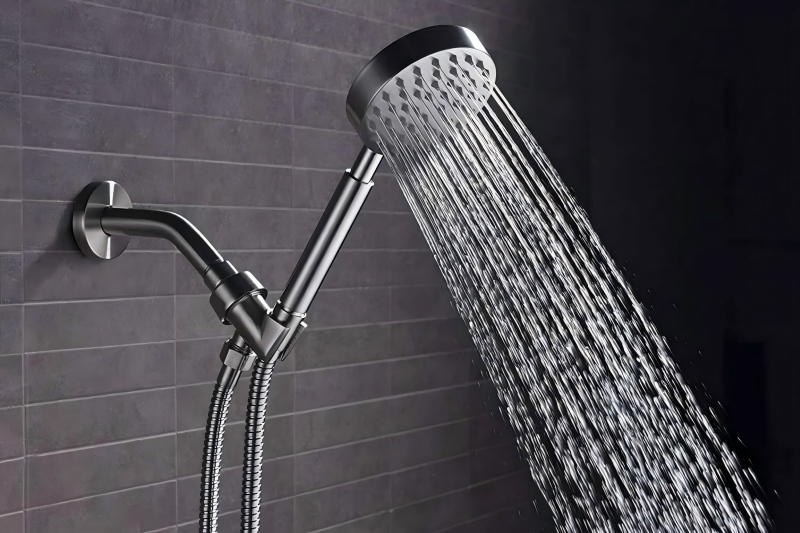
Shower hoses are not permanent. After a while, it will start to wear down. People may find cracks or breaks in the hose. Sometimes, the hose will stiffen and become difficult to move. Water will spray from where it shouldn’t, meaning there’s a leak. If the shower head won’t stay in place or the water flow is weak, the hose may be the problem. Rust or unusual coloring on the fittings may also mean you need to replace the hose. People should check their hoses regularly to detect these problems early.
Tip: Replace your shower hose as soon as you find a problem. This can prevent bigger problems later.
Shower Hose Benefits of Replacement
Replacing your shower hose has many benefits. The table below lists some of the main benefits:
| Benefit | Description |
|---|---|
| Easy Installation | Most hoses have universal fittings, so you can put them on fast and easy without tools. |
| Aesthetic Variety | There are many designs and finishes to match your bathroom. |
| Easy Maintenance | Cleaning is simple and checking the hose often can make it last longer. |
| Versatility | You can use the hose for other things, like washing pets or filling buckets. |
| Environmental Considerations | Some hoses save water, which can lower bills and help the planet. |
Replacing your shower hose with a new one helps save water. Many new hoses work even better with low-flow showerheads. These showerheads use less water and don’t put excessive pressure on the pipes. This can reduce energy costs and decrease the likelihood of leaks. People generally enjoy showering more after replacing their hose. The water flows more smoothly, and the hose won’t get stuck when you bend it. The new hose also makes the bathroom look neater and cleaner.
What You Need to Replace a Shower Hose
Shower Hose Tools and Materials
Replacing a shower hose only requires a few simple tools and materials. You don’t need special skills or expensive tools. You should have the following tools ready:
- A brand new stainless steel shower hose
- An adjustable wrench (for tightening joints)
- A clean cloth (for wiping)
- Teflon tape (for additional sealing if necessary)
Tip: Keep a towel or bucket handy to catch any dripping water during the process.
These tools make the job simple and quick. Most households have these tools.
Choosing the Right Shower Hose
Choosing the right shower hose helps it function properly and extends its lifespan. GONGGONG braided hoses are sturdy, durable, and of superior quality. Made from premium materials, they won’t rust. This means they’re suitable for both hot and cold water.
When choosing a new hose, consider the following:
| Material | Pros | Cons | Best for… |
|---|---|---|---|
| Stainless Steel | Very strong, does not rust, looks nice | Heavy, can scratch things | Long use, fancy bathrooms |
| PVC/Plastic | Light, bends easily, cheap | Not as strong, can bend too much | Saving money, easy cleaning |
| Chrome-Plated Plastic | Light, looks like metal | Shiny part can come off | Want metal look, lower price |
| TPE/Silicone | Bends well, handles heat, safe | Costs more, not common | Health needs, lasts a long time |
Check the hose length before purchasing. Most hoses are around 60 inches (approximately 152 cm) long. Longer hoses provide more room to maneuver. The outer layer of the hose is also important because it gets wet frequently and needs cleaning. Strong fittings, such as brass fittings, help prevent leaks.
To ensure the hose is the right size, follow these steps:
- Check the connection size. Most hoses use 1/2-inch threads.
- If you’re unsure, take an old hose to the store.
- Check the quality of the fittings and threads.
- Check if two gaskets are included in the package to prevent leaks.
By following these tips, you can choose a properly sized and durable shower hose.
How to Replace a Shower Hose
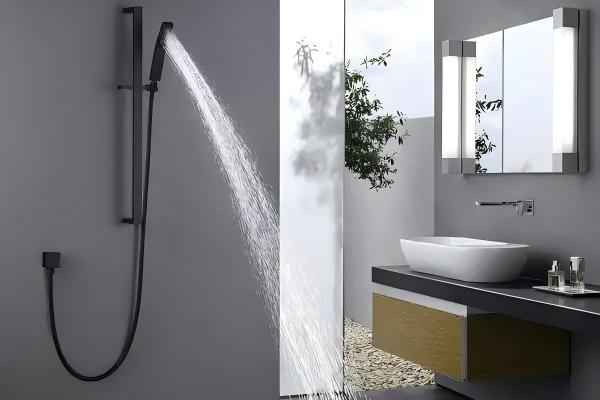
Replacing a shower hose is a simple task that anyone can do. This step-by-step guide will help you complete this job quickly and safely. The process includes removing the old hose, installing the new hose, and checking for leaks.
Remove the Old Shower Hose
First, you’ll need to prepare the work area. The shower must be off. The work area should be dry. Place a towel under the shower to absorb any dripping water. Here’s a step-by-step guide to removing the old hose:
- Place a towel under the shower to absorb moisture.
- Remove the shower head from its holder.
- Turn the shower head off the hose counter-clockwise. If it feels tight, you can use a cloth and pliers.
- Turn the hose connector off the shower unit counter-clockwise. You can use a cloth and pliers if needed.
- Remove the hose, keeping the sealing gasket for later use.
Tip: If the hose feels stuck, you can gently apply pressure with pliers. Avoid using excessive force to prevent damage.
Install the New Shower Hose
After removing the old hose, you can install the new hose. The following steps will help you easily complete the installation:
- Choose the appropriate new hose length and model.
- Prepare all tools, including the new hose, washers, and Teflon tape.
- Press a washer into each connecting nut to ensure a good seal.
- Check again that the threads are clean and the washers are flush.
- If additional sealing is needed, wrap Teflon tape around the threads.
- Screw the new hose clockwise onto the shower head.
- Screw the shower head clockwise onto the other end of the hose.
- Tighten both connections by hand. Use a wrench only if necessary, but never overtighten.
Note: Silicone washers are best suited for hot water or long-term use. They are heat-resistant and abrasion-resistant.
Shower Hose Test for Leaks
Testing the newly installed shower head is very important. The following step-by-step guide will help you check for leaks and ensure the shower head is working properly:
- Slowly turn on the shower head and observe both ends of the hose.
- Check for dripping at the connections.
- If possible, test the hose under normal water pressure.
- If a leak occurs, turn off the shower head and check the gasket. Ensure the gasket is flat and clean.
- If the leak persists, wrap more Teflon tape around the threads.
- Replace the gasket or O-ring if necessary.
Tip: If limescale buildup, soak the shower head in vinegar and gently scrub it. Clean the threads and gasket before reinstalling.
After installing a new hose, check for leaks. Most leaks are caused by uneven gaskets or loose connections. Tightening the connections and using Teflon tape usually solves the problem. Regular maintenance ensures the shower head functions well and extends the hose’s lifespan.
This step-by-step guide helps anyone confidently replace their shower hose. The process uses simple tools and follows clear steps. By following these instructions, you can enjoy a better shower experience and avoid leaks.
Shower Hose Troubleshooting and Tips
Shower Hose Fixing Leaks
Leaks may occur after replacing your shower hose. People often see water dripping from connections or notice water splashing at the connection between the hose and the shower head. Here are some common causes of leaks:
- Loose Connections: Sometimes, the shower hose or shower head connection is not secure. Users should check and tighten all connections by hand.
- Inferior Equipment: Cheap hoses may not fit properly. Using a high-quality, compatible hose helps prevent leaks.
- Improper Shower Installation: Water may leak if the hose is not installed correctly. Users should follow the instructions in the manual and check each step.
- Shower Malfunction: Even after replacing the hose, a damaged shower head can cause leaks. If the shower head is still under warranty, it’s best to contact the manufacturer.
- Damage or Wear: Older shower heads may have worn parts. If the leak persists, the shower head may need to be replaced.
Tip: Always check the gaskets and threads before installing a new hose. Clean parts help form a tight seal.
Shower Hose Compatibility Issues
Not all hoses are compatible with all shower heads. Before purchasing a new hose, check the thread size and connector type. Most showerheads use 1/2-inch threads, but some models require special fittings. If the hose doesn’t fit, leaks or the showerhead may not function properly. Taking your old hose to a store can help you find a suitable replacement. Reading product labels and seeking help can also help avoid mistakes.
Note: Using a universal hot and cold water hose, such as a braided stainless steel hose, can improve safety and performance.
When to Call a Pro
Most people can replace a shower hose themselves. However, sometimes problems require professional help. If the leak persists after checking all connections, or if the shower shows signs of damage, it’s best to call a professional plumber. A plumber can find hidden problems and safely perform repairs. Hiring a professional to install a shower head typically costs between $175 and $451. If you’re unsure how to do it, or if your shower system is complex, you should consider hiring a plumber.
Callout: If you see water stains on your walls or floor, contact a plumber immediately to prevent the problem from escalating.
Replacing the shower hose is a quick way to fix leaks. Replacing the hose is also helpful if the water flow is poor. This job requires only a few simple tools, and the steps are easy to understand. Most problems stem from loose parts or worn-out gaskets. These problems are easy to fix. Replacing the hose yourself can be very rewarding. If the problem persists, you can contact a plumber for assistance.
Remember: A new hose improves your shower experience and keeps your bathroom tidy.
FAQ
How often should a shower hose be replaced?
Most people replace their shower hoses every 2 to 5 years. Signs like leaks, cracks, or weak water flow indicate it’s time for a new hose.
Does any shower hose fit all shower heads?
Most shower heads use a standard 1/2-inch threaded connector. Some models require special connectors. Checking the connector size before purchasing helps avoid mistakes.
What is the best material for shower hoses?
Stainless steel is durable and rust-resistant. Plastic hoses are cheaper and flexible. GONGGONG braided hoses are made of high-quality materials, are durable, and safe.
Do I need special tools to replace a shower hose?
All you need is an adjustable wrench, a clean cloth, and Teflon tape. Most hoses can be installed by hand without additional tools.
What should I do if my new hose leaks?
Tip: Check the gasket and tighten the connection. If it still leaks, wrap Teflon tape around the hose or replace the gasket. If the leak persists, you may need to call a plumber.