
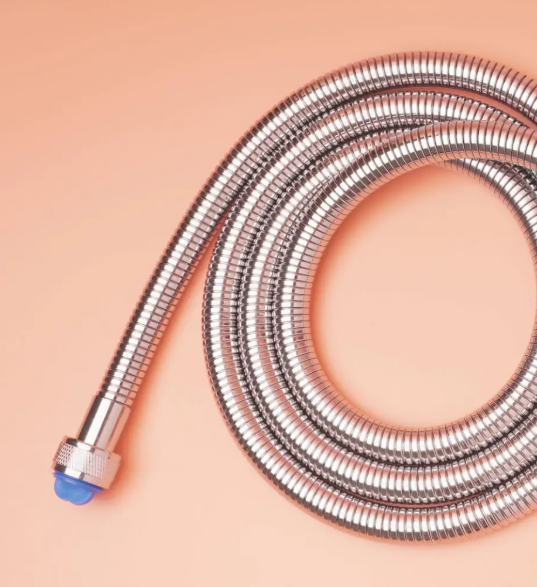
Yes, you can use flexible PVC pipes for pool piping. However, pool experts warn that flexible PVC pipes can shift under pressure, potentially leading to leaks. Furthermore, flexible PVC pipes are susceptible to ground-borne pests and their chemical resistance is not as good as rigid PVC pipes, posing certain risks. Homeowners should check that the pipes meet specifications and follow proper installation procedures before installation.
Key Takeaways
- Flexible PVC pipes are ideal for swimming pool piping because of their good flexibility, allowing them to adapt to confined spaces and making installation easier.
- Flexible PVC pipes are less expensive and can be installed faster, but their lifespan is shorter than rigid PVC pipes, and they may not withstand high pressure or direct sunlight.
- Before using flexible PVC pipes, always consult your local piping regulations. This is especially important for underground piping, helping to ensure safety and compliance with relevant regulations.
Flexible PVC Pipe in Pool Plumbing
What Is Flexible PVC Pipe?
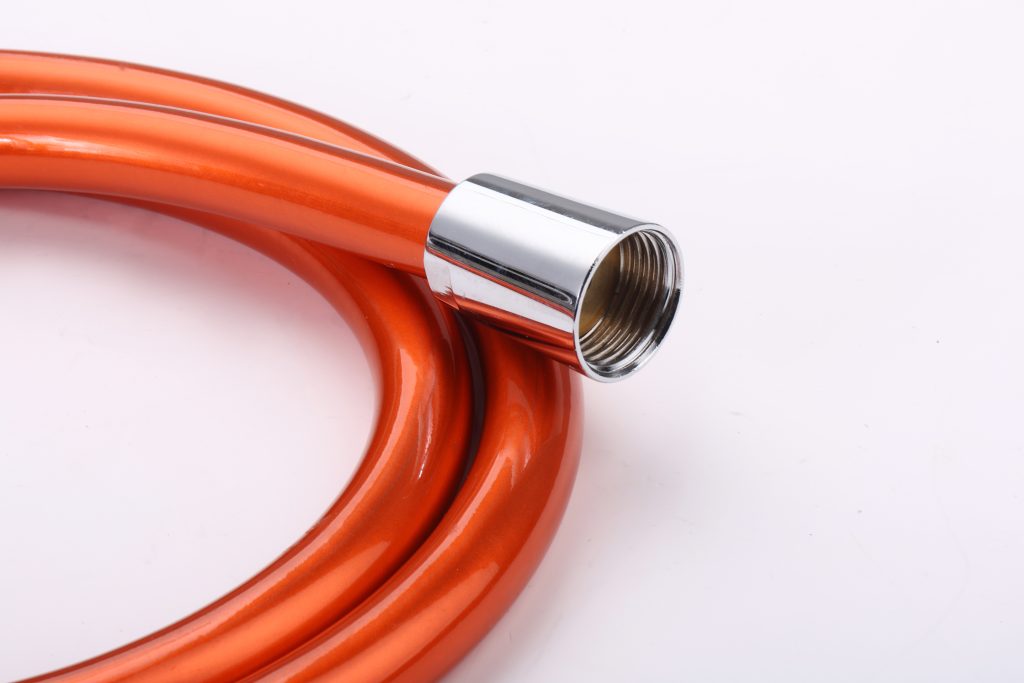
Flexible PVC pipe is ideal for pool piping systems. It can be bent into various shapes, which is especially useful when rigid pipes are insufficient. Many suppliers state that flexible PVC pipe is robust, durable, rust-resistant, and undamaged by chemicals. This type of pipe can withstand pressures up to 60 psi (pounds per square inch) and temperatures up to 70°F (approximately 21°C).
Tip: Flexible PVC pipe is easier to put in and can bend around things. This helps stop leaks.
Flexible PVC pipe works well in many places. But it does not block UV rays as well as rigid PVC. The table below shows how flexible PVC pipe and other materials compare:
| Material | UV Resistance |
|---|---|
| Flexible PVC | Less UV resistant |
| Rigid PVC | More UV resistant |
| Other Materials | Varies, generally better than flexible PVC |
Flexible PVC pipe can change shape if it gets too hot. High heat makes it soft and can bend it. Installers need to think about this when they plan and put in the pipe.
Where Flexible PVC Pipe Is Used in Pools
Flexible PVC pipes are widely used in piping systems for both above-ground and underground swimming pools. In underground pools, 100-foot-long, 1.5-inch diameter rolls are typically used. This specification allows installers to easily maneuver the pipes around corners, reducing the number of connection points. The flexibility of PVC pipes also makes them suitable for spa systems and landscaping projects.
- Flexible PVC pipes are widely used in underground swimming pools.
- They are supplied in long rolls, making it easy to maneuver around corners.
- This means fewer connection points are required, saving time.
Flexible PVC pipes also make the installation of piping systems for above-ground swimming pools easier. Installation is quick and simple. The table below lists the reasons why flexible PVC pipes are more advantageous in certain situations:
| Feature | Flexible PVC | Rigid PVC |
|---|---|---|
| Installation Speed | Easier and faster installation | Slower installation |
| Flexibility | Can bend and wrap corners easily | Rigid, requires fittings |
| Ground Movement Resistance | Withstands ground movement better | Less suitable for movement |
Flexible PVC pipe can handle ground movement better than rigid PVC. This is why it is a good choice for above-ground pools and places with moving soil. Many suppliers can make special flexible PVC pipe for different projects.
Flexible PVC Pipe Pros & Cons
Advantages of Flexible PVC Pipe
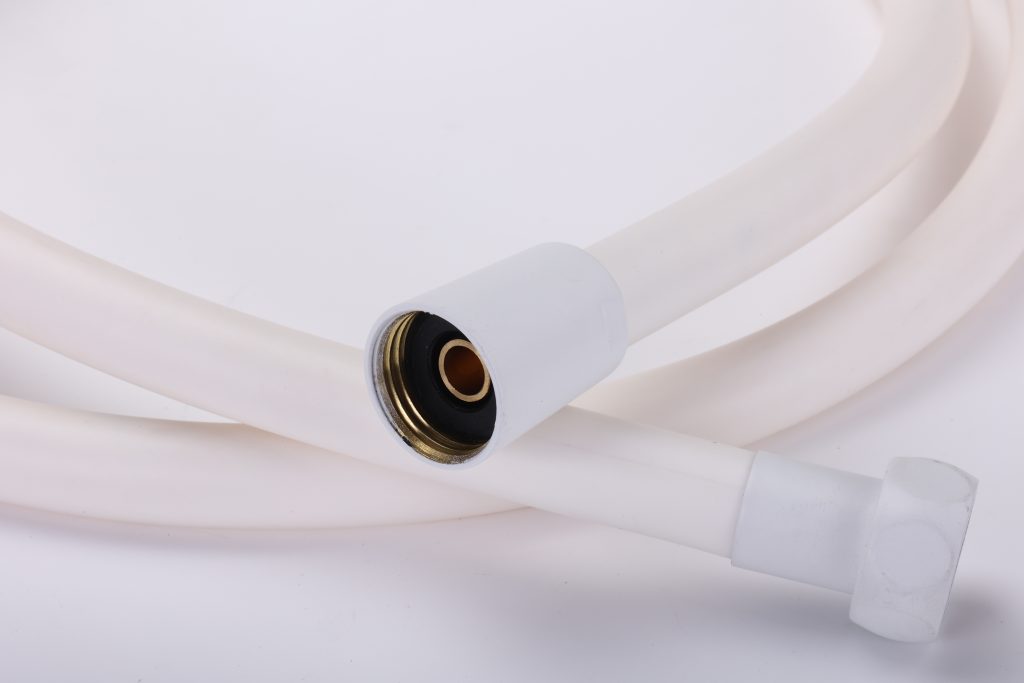
Flexible PVC pipe offers numerous advantages in pool piping systems. Many pool workers choose flexible PVC pipe because it saves time and requires fewer additional fittings. This type of pipe can bend around corners and obstacles, making installation easier than with rigid pipe. Installers don’t need to cut and glue as many joints.
Tip: Flexible PVC pipe helps prevent leaks due to fewer joints, reducing the risk of joint breakage.
Companies like GONGGONG specialize in flexible PVC pipe for large and special projects. These pipes are suitable for both above-ground and underground pools, as well as pools with unique shapes or layouts.
The table below compares installation time for flexible PVC pipe and rigid PVC pipe:
| Type of Pipe | Installation Time Savings |
|---|---|
| Flexible PVC | Saves lots of time because it bends easily |
| Rigid PVC | Needs more parts and takes longer to put in |
Flexible PVC pipes can bend and navigate around obstacles, meaning fewer components are required. Installers especially appreciate their use in confined spaces or winding pools. Flexible PVC pipes help speed up installation, reduce labor costs, and minimize leaks.
Flexible PVC pipes do not rust and are resistant to a variety of pool chemicals. Some companies also produce UV-resistant flexible PVC pipes, which help protect the pipes from sunlight. These properties make flexible PVC pipes the preferred choice for many pool projects.
Disadvantages & Risks
There are some issues that pool owners and staff should be aware of regarding flexible PVC pipes. Compared to rigid PVC pipes, flexible PVC pipes are more prone to flattening or puncture. Heavy soil or sharp objects can damage them, especially when laid underground. In sandy soil, insects and animals may gnaw on the pipes.
Flexible PVC pipes are not as resistant to high pressure as rigid PVC pipes. Their maximum working pressure is lower, so they may not be suitable for all pool systems. Additionally, flexible PVC pipes are less resistant to UV radiation. If the pipes are not covered, sunlight exposure can cause damage.
Common problems with flexible PVC pipes include:
- Cracking due to freeze-thaw cycles in cold regions
- Leaks due to poor joint sealing or soil movement
- Surface damage due to moisture, chlorine, or chemical reactions
- Stress cracking due to environmental factors
- Damage caused by insects or animals
Extra care is required when installing flexible PVC pipe joints. Installers should follow these steps to prevent leaks:
- Measure the pipe length using a rigid tape measure.
- Dry-fit all pipes and components before bonding.
- Use fresh, medium- or high-viscosity PVC adhesive.
- Apply PVC primer and a cleaning agent before applying the adhesive.
- Apply the adhesive while the primer is still wet.
- Never apply adhesive to painted or damp pipes.
- Use compression fittings or unions for easy maintenance.
Pool owners should regularly check the pipes for leaks. Good installation and maintenance help extend the lifespan of flexible PVC pipes.
Note: Flexible PVC may not be right for every pool. Always check local rules and company guides before picking this material.
Code Compliance & Comparison
Pool Plumbing Codes for Flexible PVC Pipe
Flexible PVC must follow local and national rules before use. The International Building Code and International Swimming Pool and Spa Code make these rules. Many companies use these standards. The ISPSC says you cannot use flexible PVC for buried suction lines. This is because dirt can crush the pipe. Installers should talk to local inspectors before using flexible PVC underground.
| Code | Description |
|---|---|
| IBC | Gives basic rules for pool plumbing in many places. |
| ISPSC | Lists pipe types and ratings. Does not allow flexible PVC for buried suction. |
Note: Flexible PVC is good for above-ground lines and watering systems. It is not good for buried suction lines.
Flexible vs. Rigid PVC Pipe
Flexible PVC and rigid PVC both help in pool plumbing and watering systems. Flexible PVC bends around corners and fits special shapes. Rigid PVC lasts longer and can take more pressure. Many companies say to use rigid PVC for main lines in inground pools. Flexible PVC works well for above-ground pools, spa pipes, and watering systems.
| Aspect | Flexible PVC Pipe | Rigid PVC Pipe |
|---|---|---|
| Longevity | Does not last as long | Lasts longer |
| Cost | Cheaper for small jobs | Cheaper for big, straight jobs |
| Performance | Bends easily, not for high pressure | Handles more pressure |
| Environmental Impact | Hard to recycle, makes more pollution | Hard to recycle, makes more pollution |
Some companies can make flexible PVC for special watering systems or pools with odd shapes. People who buy a lot pick flexible PVC for fast jobs. Sellers say to use flexible PVC above ground or in watering systems where dirt weight is not a problem.
Flexible PVC is best for above-ground pools or pools with curves. The table below lists important things to think about:
| Factor | Flexible PVC Pipe | Rigid PVC Pipe |
|---|---|---|
| Installation Ease | Easier | Needs more skill |
| Durability | Absorbs movement | More durable |
Pool owners need to look at local rules. For tricky jobs, ask a pool expert or aquatic engineer. This helps keep the pool safe and follows the rules.
FAQ
Can suppliers manufacture custom flexible pvc pipe for pool plumbing?
Yes. Many suppliers can make custom flexible pvc pipe. They can change the length, diameter, and material. This helps the pipe fit special pool plumbing jobs.
Is flexible pvc pipe suitable for wholesale pool projects?
Flexible pvc pipe is good for big pool projects. It goes in fast and saves money on labor. This helps when working on lots of pools at once.
How does flexible pvc pipe compare to rigid pipe for repairs?
Flexible pvc pipe bends without breaking. It makes repairs faster in small spaces. Rigid pipe needs more parts and takes longer to fix.