
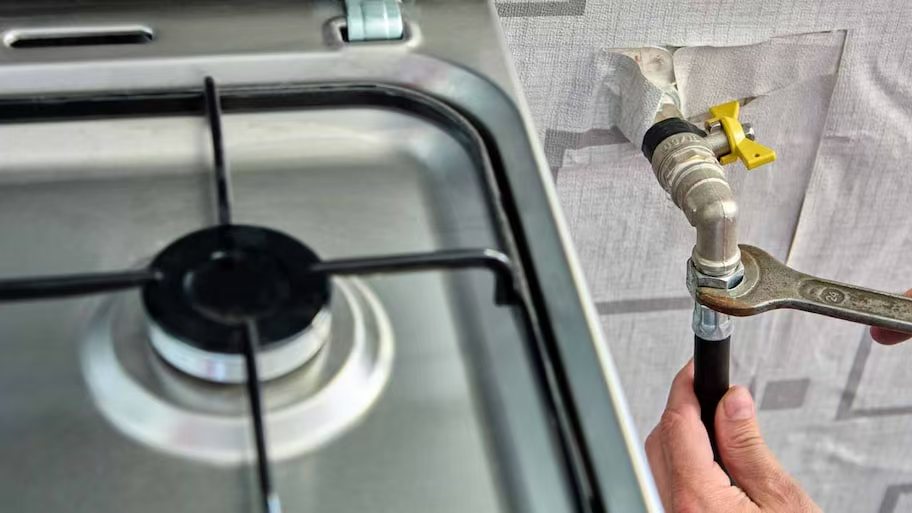
Yes, quick-connect hose can be used to connect gas if the fitting is specifically designed for gas. Safety is paramount. Gas-specific hose help prevent leaks and accidents. Always use products that meet standards. Local regulations may vary. If in doubt, have a professional check the installation to ensure everything is in order.
Key Takeaways
- Always use quick-connect fittings specifically designed for gas to prevent leaks and ensure safety.
- Check for certifications such as CSA, UL, or ISO on the fitting to ensure it is safe.
- Use a step-by-step checklist during installation to ensure correct installation and prevent accidents.
Quick-Connect for gas: What you need to know
How Quick-Connect fittings work
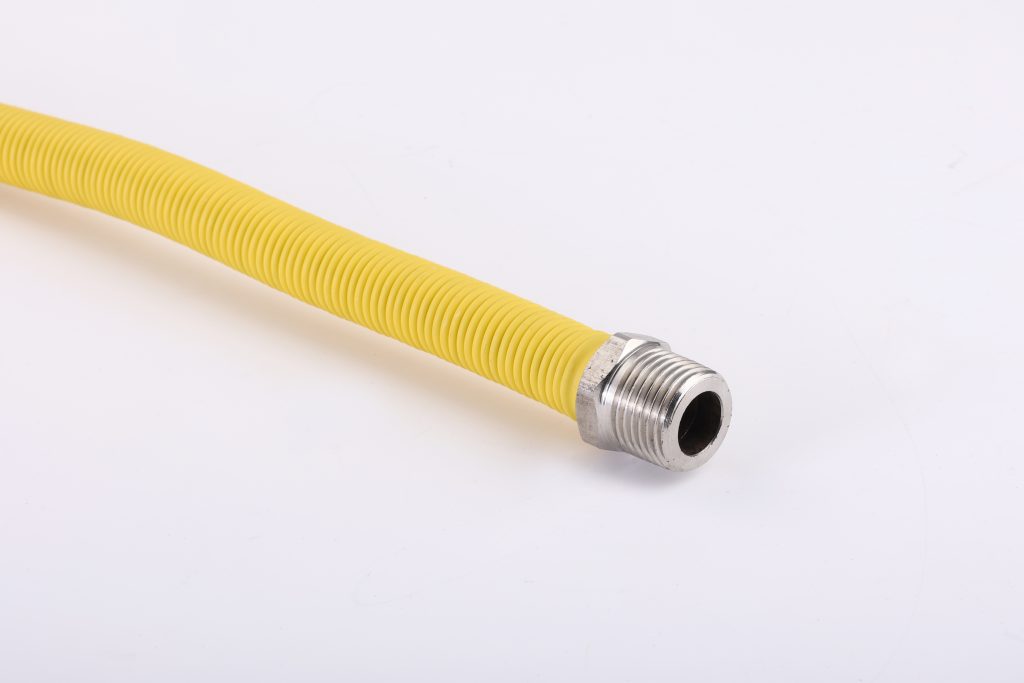
Many people choose gas quick-connect fittings because they are easy to use. These fittings use a push-button snap-fit system. Push the hose in until you hear a click. A click indicates a secure connection and no leaks. To remove, simply pull back the clamp or sleeve. This design ensures both safety and saves time.
Here’s how quick-connect fittings ensure the safety of your gas lines:
- The push-button snap-fit design allows for easy and quick connection and disconnection.
- A clicking sound indicates a tight seal, preventing leaks.
- Locking components prevent accidental detachment of the connector.
- Clamps or sleeves make disassembly easier and safer.
Gas quick-connect fittings are available in several types:
- One-way shut-off fittings cut off gas flow when disconnected.
- Two-way shut-off fittings have valves on both sides for added safety.
- Straight-through fittings allow free flow of gas.
- High-flow fittings are suitable for high-flow applications.
- Safety fittings have an additional locking device to prevent accidents.
GONGGONG quick-connect hoses are a good choice. They feature advanced quick-connect fittings with double locking devices and anti-kink components. The hose is rust-free and can withstand high pressure. Suitable for residential and commercial gas appliances.
Gas-rated vs. standard Quick-Connects
Some quick couplings are not suitable for gas connections. Gas-specific quick couplings for gas connections must adhere to strict safety regulations. They are made of robust materials such as brass or stainless steel to prevent rust and damage. These couplings are equipped with special seals, such as gas-specific PTFE tape, to prevent leaks.
Organizations such as the Compressed Gas Association (CGA) and the International Harmonisation of Contractors (IHC) have established relevant specifications for gas-specific couplings. Products should bear certification marks such as ISO, CSA, ASTM, CE, or UL. Always check these marks before using gas quick couplings.
The following table lists the main differences:
| Feature | Gas-Rated Quick Connect | Standard Quick Connect |
|---|---|---|
| Material | Brass, stainless steel | Varies |
| Sealing | Gas-rated PTFE, strong seals | Standard seals |
| Certifications | ISO, CSA, UL, CE, ASTM | May not have certifications |
| Pressure/Temp Ratings | Clearly listed | Varies |
| Safety Features | Locking, double-shutoff | Basic or none |
Tip: Always use gas-rated quick-connect for gas jobs. This stops leaks and keeps everyone safe.
Benefits for gas appliances
Gas quick-connect couplings offer numerous advantages over traditional threaded connections. They save time and trouble during installation and maintenance. Here are some key benefits:
- Quick-connect couplings allow for quick connection and disconnection. Simply press or rotate.
- Maintenance is easier. Equipment can be quickly disassembled, reducing maintenance time.
- These couplings form a tight seal, preventing leaks. This ensures safety and reliability.
- Locking components prevent accidental detachment, reducing the risk of gas leaks.
- Quick-connect couplings require no special tools. This makes them easy for anyone to use.
- They save time and money, especially in large projects or busy kitchens.
GONGGONG quick-connect hoses embody these advantages. Their dual-locking system and anti-tangle design make them ideal for safety and convenience. This hose is compatible with standard G1/2” couplings, making it suitable for most gas appliances. Its quality and strength are reliable and internationally certified.
Industry trends indicate that quick-connect couplings are becoming increasingly popular year by year. New materials and intelligent features, such as real-time detection, make these couplings even better.
Note: Regular checks are important. Users should look for leaks and change old parts to keep their quick-connect for gas system safe and working well.
Essential Safety Guidelines and Step-by-Step Installation Tips for Using Quick-Connect Fittings with Gas
Choosing the right Quick-Connect for gas
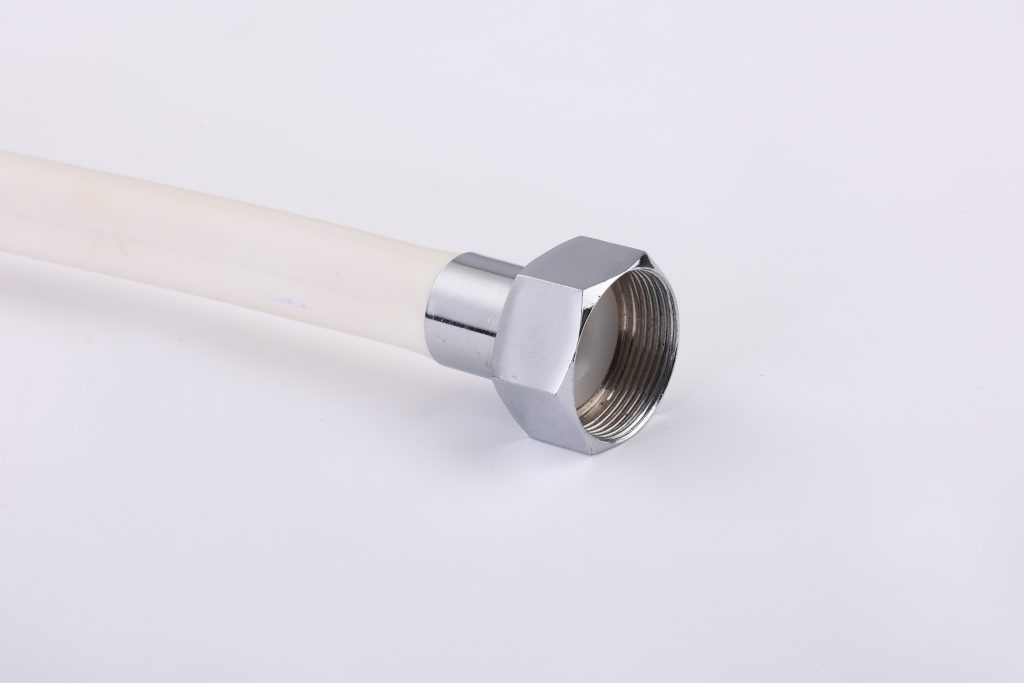
Picking the best quick connect hose for gas is important. People should think about a few things before buying one. The right fitting keeps a natural gas generator safe and stops leaks. GONGGONG has a quick connect hose with double locks and an anti-kink design. This hose works well for homes and businesses.
Here’s a simple table to compare what matters most:
| Criteria | Description |
|---|---|
| Material Composition | Pick stainless steel or brass. These last longer and do not rust. |
| Pressure and Temperature Ratings | Make sure ratings are higher than your system’s limits. |
| Compatibility | Check the size and match the fitting to your gas type and appliance. |
People should always check if the quick connect adapter fits their appliance and gas supply. For example, a natural gas generator needs a fitting that can handle high pressure and heat. The quick connect receptacle must match the hose and the appliance. If someone wants to connect to an outside gas port, they should make sure the fitting is made for outdoor use.
Tip: Look for marks like CSA, UL, or ISO. These show the product is safe.
Installation checklist
Proper installation procedures help ensure everyone’s safety. Here is a simple checklist for installing quick-connect hoses for gas appliances:
- Read the instruction manuals for the quick-connect hoses and quick-connect fittings.
- Before you begin, turn off the gas supply.
- Inspect all parts for damage or wear.
- Connect the quick-connect fittings to the gas appliance and the hoses to the gas supply.
- Use a gas-specific thread sealant, such as PTFE paste or Teflon tape. The 2021 International Gas Code requires that the sealant be compatible with the gas piping material. Some sealants can react with certain gases and cause damage, so always use approved products.
- Tighten the fittings using a torque wrench. Follow the manufacturer’s torque settings.
- Before turning the gas back on, double-check all connections.
- Slowly turn the gas supply back on.
- Perform a leak test by applying soapy water to each connection. If bubbles appear, there is a leak. Tighten or reinstall the fittings and test again. Never use an open flame to check for leaks.
- When not in use, please cover the quick-connect hose with the protective cap.
Safety precautions: Always follow the steps and use the right sealants. If you are not sure, ask a professional for help.
Common issues and troubleshooting
Even if you install everything carefully, problems can happen. Here are some common issues and ways to fix them:
- Overtightening or undertightening fittings can cause leaks. Use a torque wrench and follow the settings.
- Sometimes, people forget to check connections. Always inspect before turning on the gas.
- Annual checks help find wear or rust. Replace any damaged parts right away.
- If a leak shows up, use soapy water on the connection. Bubbles mean there is a leak. Tighten or reinstall the fitting and test again.
- Quick connect devices must have tags showing the gas type and capacity. Put these tags near the gas supply.
- Protective caps keep dirt and damage away when the quick connect hose is not used.
- Quick disconnect devices need a shutoff valve and must be protected from tampering.
Note: Regular checks and safety steps keep a natural gas generator and other appliances working well.
People who follow these steps and use good products like the GONGGONG quick connect hose can have safe, reliable gas connections. Installation steps and yearly checks help stop accidents and keep the system working.
Picking gas-rated Quick-Connect fittings helps keep gas safe. The GONGGONG Quick Connect Hose is a good example. People need to check fittings and hoses before using them. They should use the right sealants so leaks do not happen. It is important to follow local rules and get help from experts. Regular safety checks help everyone feel safe.