
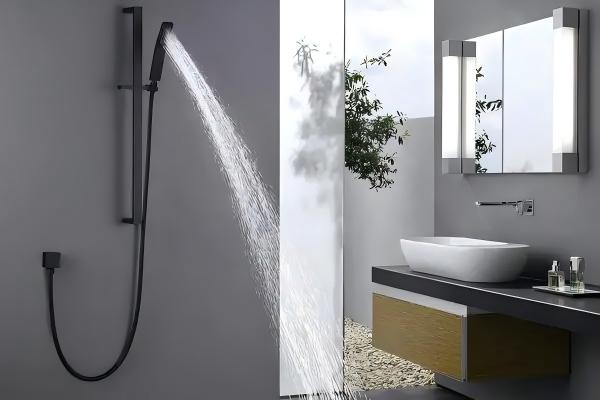
No, not all shower hoses are compatible with all shower heads. Many people encounter problems because threads, sizes, and connection methods can differ. Most shower hoses and shower heads in the US use a standard 1/2-inch thread. However, older homes or shower systems in other countries may use different sizes. These differences often require an adapter to ensure a correct connection. Before purchasing or installing shower hoses and shower heads, be sure to check them to avoid problems and ensure a secure connection.
Key Takeaways
- Not all shower hoses are compatible with all shower heads. You should first check the thread size and type.
- Most shower hoses in the US use 1/2-inch NPT threads. Some older homes or imported products may use other sizes.
- Adapters can help connect mismatched threads or fittings. This makes using different shower heads and hoses much easier.
- Always measure the thread size and check the connector type. This helps you ensure all parts match before purchasing a new hose or shower head.
- Consider the hose’s material and length to ensure durability and compatibility. Stainless steel and brass are more durable than plastic.
Why Shower Hoses May Not Fit
Threading Differences
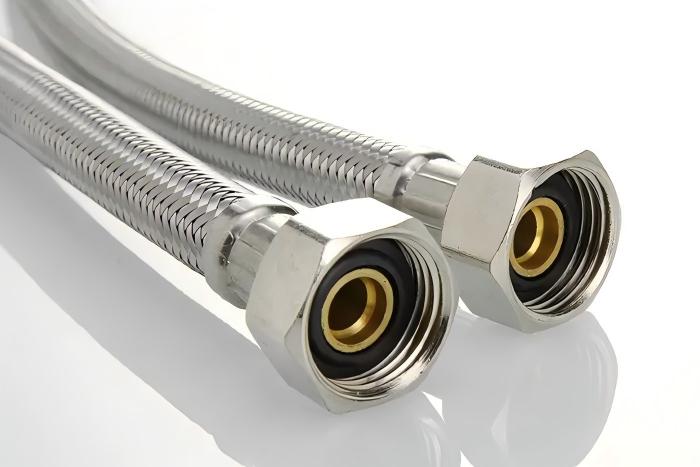
Most shower hoses in the US use 1/2-inch IPS threads. Some older homes or imported products use other sizes, such as 3/4-inch. Not all shower heads are compatible with all hoses because the threads can differ. Plumbing standards also vary by location. The US and Canada use NPT threads. Europe, Australia, and Asia use BSP threads. The table below lists common connection standards:
Many people find their threads don’t match. Adapters can help connect different types of threads. Be sure to check the markings on the shower arm. Look for “1/2-inch NPT” or “BSP” near the bottom. Measure the thread size with a ruler or calipers. NPT threads are approximately 0.84 inches (21.3 mm) in diameter and are compatible with 1/2-inch sizes. BSP threads are slightly smaller and have a different pitch.
Not all plumbing systems use the same 1/2-inch NPT thread. Check the markings on the shower arm. The markings should indicate the thread type. Look for “1/2-inch NPT” or “BSP” near the bottom. Measure the thread diameter with a ruler or calipers. NPT threads are approximately 0.84 inches (21.3 mm) in diameter and are suitable for 1/2-inch sizes. BSP threads are slightly smaller and have a different pitch.
Size Variations
The size of a shower head and the diameter of its hose will affect how it’s installed. Not all shower heads are compatible with all hoses, so sizes may not match. Some hoses are thicker, and some are thinner. These differences will affect water pressure and spray patterns. Large shower heads may not work properly under low water pressure. Smaller shower heads provide a stronger water flow.
- Water pressure affects how a shower head works. Large shower heads may not work properly under low water pressure. Smaller shower heads provide a stronger water flow.
- Spray patterns also differ. Larger shower heads cover a wider area. Smaller shower heads provide a more focused water flow.
- Aesthetics are also important. The size and style of a shower head may or may not match your bathroom style.
- Eco-friendly options are also important. Larger shower heads use more water. Eco-friendly shower heads help balance size and save water.
Connection Types
The type of connection can cause installation problems. Some hoses use threaded connections, while others use quick-connect fittings. Not all shower heads are compatible with all hoses, so the connection type must match. If the fittings don’t match, the hose won’t install correctly. Piping standards like NPT and BSP threads can make installation difficult. Factors such as water pressure and spray pattern can also affect the shower experience. Always check the hose and shower head before installation. If the fittings don’t match, using an adapter can solve most problems.
- Fitting mismatches can be caused by different thread sizes or fitting types.
- Pipe thread standards like NPT and BSP can also cause problems.
- Water pressure and spray pattern are equally important.
Shower hoses and shower heads come in various shapes and sizes. Universal fittings are common, but not always compatible. Always check for compatibility before purchasing or installing a new hose or shower head.
Standard Shower Head Sizes and Fittings
Common 1/2″ and 3/4″ Sizes
Standard shower head sizes are crucial for a good fit. Most homes in the US use 1/2-inch NPT threads. This size fits many plumbing systems. Some older homes or special configurations use 3/4-inch sizes. Check the plumbing system before purchasing a new hose. For these sizes, GONGGONG shower head hoses are a good choice. They fit most universal connectors and are suitable for various installation methods.
Tip: Always measure the thread size before you buy a new hose. This helps you avoid problems with fitting.
Regional and Brand Variations
Not all shower heads are universal. The required size may vary by region and brand. Here are some common differences:
- Most shower heads in the United States use 1/2-inch NPT threads.
- Some older homes or areas outside North America use BSP threads.
- Some brands produce fittings that are only compatible with their own products.
The following table lists the differences in thread types by region:
| Thread Type | Size | Common Locations | Key Differences |
|---|---|---|---|
| NPT | 1/2 inch | U.S. and others | Tapered threads |
| BSP | 1/2 inch | UK, Europe, etc. | Tapered or parallel |
Material and Length Options
Material and length options help you determine if the hose is suitable. GONGGONG braided hoses are made from robust and durable materials such as stainless steel and flexible polymers. These materials are durable and rust-free. Hose are available in various lengths to suit a wide range of bathrooms.
A table shows the usual materials and lengths:
| Material | Benefits | Compatibility Considerations |
|---|---|---|
| Stainless Steel | Strong and does not rust | Good for high-pressure systems |
| Brass | Handles high water pressure | Works with many shower heads |
| Plastic | Light and cheap | May not work with high-pressure systems |
| 12 inches | Good for small spaces | Best for small bathrooms |
| 18 inches | More flexible | Good for most bathrooms |
| 24 inches | Extra long for tall people | Good for big bathrooms |
People should pick hoses that fit what they need. The right material and length make showers more comfortable and work better.
How to Check Shower Hoses Compatibility and Fit
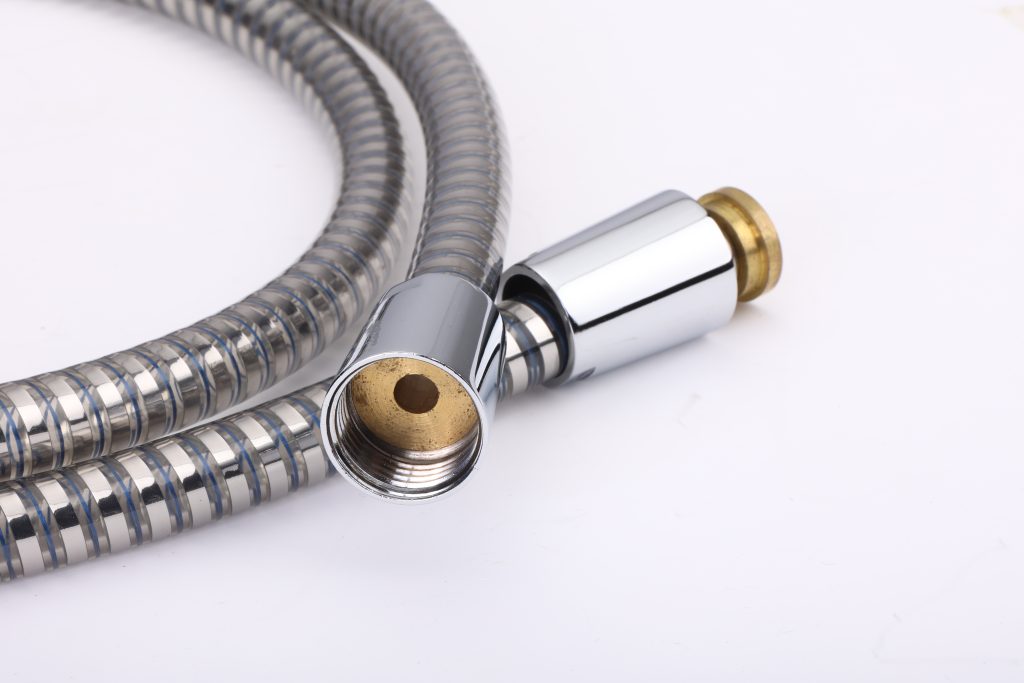
Picking the right shower hose can be tricky. Many people worry if a new hose will fit their shower head. Checking if things fit before buying saves time and stops leaks. Here are some easy steps to help you check if everything fits.
Measuring Thread Size
When connecting a hose and shower head, the thread size is crucial. You can measure the thread size at home using simple tools. A ruler, tape measure, or calipers can be used. To ensure accurate measurement, follow these steps: measure the inner diameter of the internal thread; measure the outer diameter of the external thread.
Most homes use 1/2-inch threads. Some older or imported models may have different thread sizes. Measurement helps avoid errors. If the sizes don’t match, the hose won’t install. You can take your old hose or shower head to a store to have it measured. This will help you find a universally sized hose or shower head, or determine if you need an adapter.
Tip: Always check your measurements twice before buying a new hose. This helps you avoid returns and extra trips to the store.
Identifying Connector Type
Connector types may look the same but work differently. Some hoses screw on, while others use quick-connect fittings. Look at both ends of the hose and the shower head. Check if the connectors match in style and size.
A table can help you compare connector types:
| Connector Type | Description | Common Use |
|---|---|---|
| Screw-on | Threads twist together | Most universal hoses |
| Quick-connect | Push and click to attach | Some modern systems |
If connectors do not match, an adapter can help. Adapters come in many shapes and sizes. They let you join different threads or fittings. Ask for help at the store if you are not sure which adapter to use.
Checking Manufacturer Specs
Manufacturer specifications provide important information about the hose and shower head. Please read the product packaging or find relevant information online. Check the following: Installation type, such as wall-mounted, handheld, or ceiling-mounted. Thread size, usually 1/2 inch, but older or imported models may have different sizes. Water pressure requirements, which will affect the shower experience. Flow rate specifications, indicating whether the product complies with local regulations.
This information can help you choose the right shower head size and confirm that the hose is compatible. Some brands produce universal hoses, but not all hoses are suitable for all shower systems. Carefully reading the specifications will help avoid buying the wrong one.
Note: If the specifications don’t match, you may need an adapter or a replacement hose for a perfect fit.
By following these steps, you can ensure you make the right choice. You’ll clearly know if your shower hose and head are compatible. You’ll also learn when you need an adapter or to choose a universal hose. Double-check to ensure a safe and comfortable shower every time.
Solutions for Mismatched Shower Hoses and Heads
Using Adapters
Many people find their shower hoses and heads do not fit. An adapter can help fix most of these problems. Adapters let you connect different thread types or sizes. This means you can join parts that would not fit together. For example, if you have a European shower head and an American hose, you can use an adapter to connect them. Adapters come in many shapes and sizes. Some adapters change the thread type. Others make the diameter bigger or smaller. Most hardware stores sell many kinds of adapters for plumbing.
Tip: Always look at the package for the right thread type and size before you buy an adapter. This helps stop leaks and makes sure the fit is tight.
Universal adapters work for many setups. They let people use different shower head sizes and hose types without buying a whole new system. When picking a shower head size, think about the connection type too. Using an adapter makes things easier and gives you more choices.
When to Replace Hose or Head
Sometimes, an adapter isn’t enough. If the hose or shower head is old, damaged, or rusty, it’s best to replace it. High-quality hoses like GONGGONG braided hoses offer a variety of special installation options. Custom hoses offer many advantages:
- The flexible design allows you to easily move the hose and better control the water flow.
- The appropriate length and functionality allow the hose to fit a variety of shower fixtures.
- Custom hoses can be tailored to individual needs and bathroom style.
Universal hoses work for many systems, but custom hoses are better suited for specific needs. If you find leaks, rust, or insufficient water flow, you should replace the part. Replacing the hose or shower head can make showering safer and more comfortable.
Not all shower hoses are compatible with all shower heads. Size, thread, and connection type can all cause problems. Always check that the hose and shower head match before purchasing or installing. Adapters can be useful when the connectors are incompatible. Custom hoses make special installations easier. High-quality hoses have a longer lifespan. Stainless steel and ABS plastic are less prone to rust or breakage. The table below lists the items to check before replacing a shower head:
| Key Point | Description |
|---|---|
| Threading Standards | Most use 1/2-inch pipe thread |
| Water Pressure | Some heads need higher pressure |
| Need for Adapters | Use if sizes or threads do not match |
FAQ
What are the most common shower hose sizes in the US?
Most shower hoses in the US use 1/2-inch NPT threads. This size fits most standard shower heads and shower arms. It’s recommended to check your existing equipment before buying a new hose.
Can I use shower hoses from other countries?
An adapter may be needed. Many countries use BSP threads, which are incompatible with the US NPT threads. Always check the thread type before connecting parts from different regions.
How do I determine if a hose fits my shower head?
Tip: Measure the thread size and check the connector type. Read the product label or instruction manual. Take your old hose or shower head to a store for comparison.
Which shower hose materials have the longest lifespan?
| Material | Durability |
|---|---|
| Stainless Steel | Very High |
| Brass | High |
| Plastic | Moderate |
Stainless steel and brass hoses last longer and resist rust. Plastic hoses may wear out faster.