
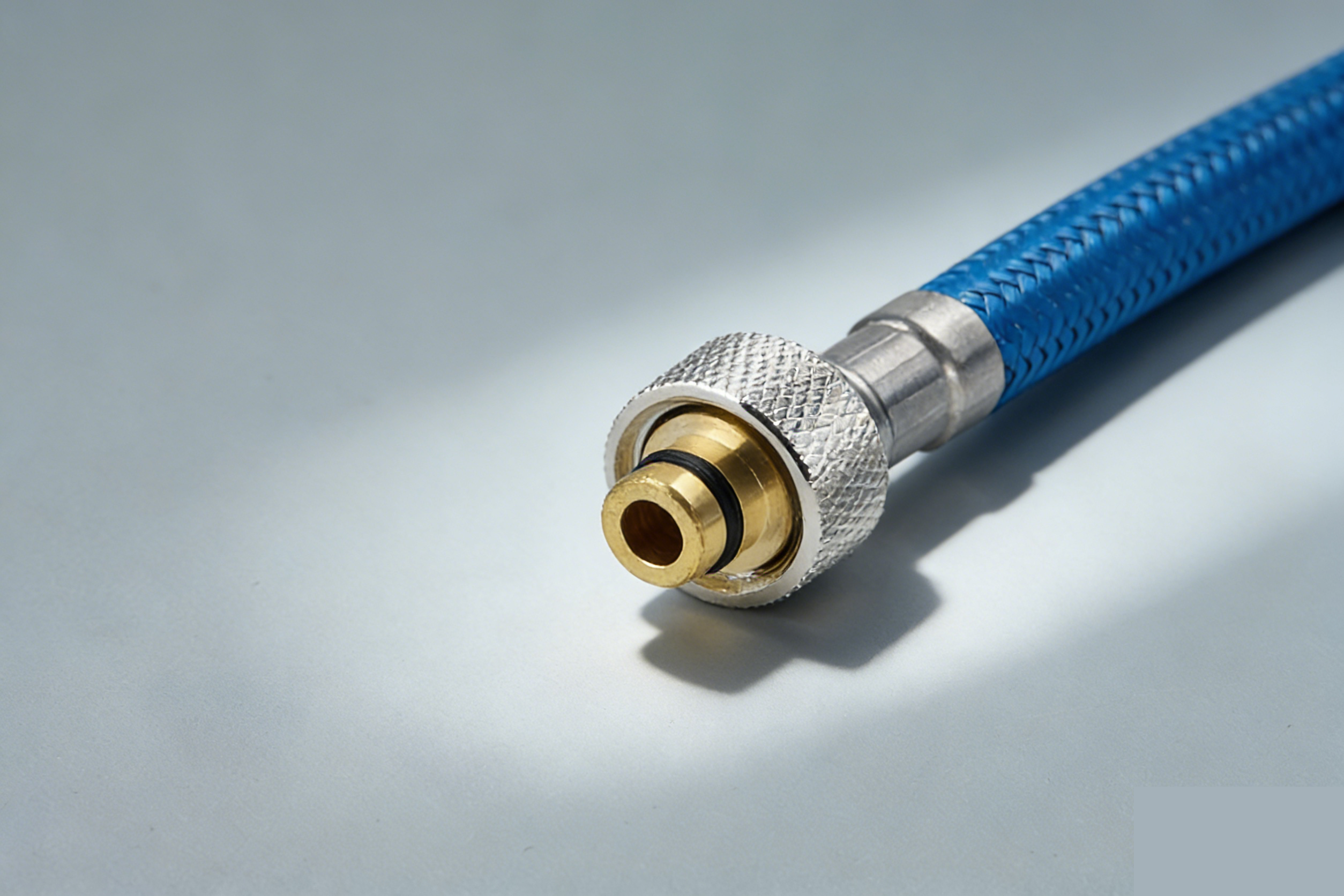
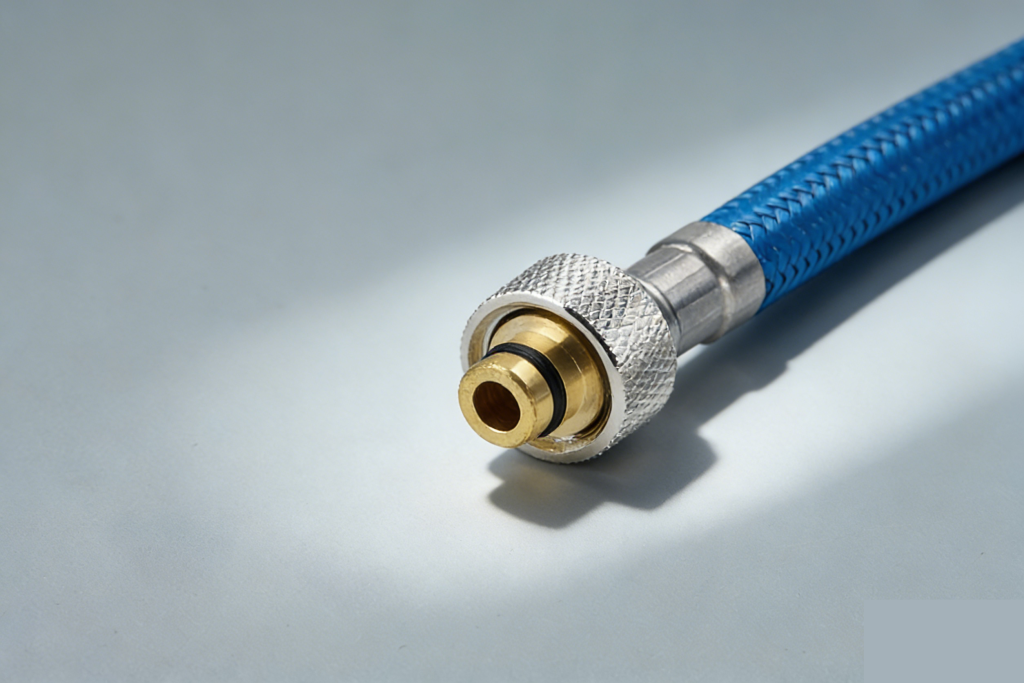
Not all shower hoses are compatible with every showerhead. While most shower fixtures use standard sizes, certain configurations can present installation challenges. Such issues often arise in homes with older plumbing or dual-shower systems. Common issues include:
- Older shower fixtures may use specialized connections.
- Dual-shower systems may not match your existing plumbing.
- Incorrect measurements can lead to installation difficulties.
It is best to verify compatibility before making a purchase. If the parts do not match, an adapter can be used to resolve the issue.
Key Takeaways
- Not all shower hoses are compatible with every showerhead, so it is essential to check the thread size before purchasing. If the connection specifications are non-standard, an adapter can be used to connect components of different sizes and types. Additionally, you should choose a high-quality hose made from durable materials to ensure a longer service life and prevent leaks.
Shower Hose Compatibility: Do They All Fit?

Standard Shower Hoses and Thread Sizes
Most shower hoses are easily compatible with showerheads. In the United States, the majority of hoses and fittings utilize a ½-inch thread size—a standard common in both homes and hotels—ensuring that a new hose will fit most showerheads. Since this specification is widely adopted across many countries, consumers can purchase accessories with confidence.
The primary thread specifications for shower hoses and showerheads are as follows:
- North America: ½-inch NPT
- Europe and Asia: ½-inch BSP
These specifications simplify the installation process, allowing users to replace hoses with ease. Standardization makes purchasing convenient and helps prevent errors.
A look at international standards reveals some variations:
| Feature | NPT (North America) | BSP (Europe & Asia) |
|---|---|---|
| Thread Angle | 60° | 55° |
| Taper | Always tapered | Tapered or parallel |
| Pitch and TPI | Different | Different |
| Seal Method | Thread wedging | Gaskets or O-rings |
| Regional Usage | Predominantly used | Primarily used |
People should check their shower type before buying a new hose. This step helps avoid mistakes and saves time.
Exceptions to Standard Shower Hoses
Not all shower fixtures use the same thread sizes. Products from certain brands or installations in older homes may feature specialized fittings, which can complicate installation or replacement. For instance, hoses manufactured by Aslon Industries Ltd. utilize special connectors, while rainfall showerheads and dual shower systems sometimes employ custom fittings that do not conform to standard sizes.
Older homes can have other reasons for problems. Some common causes are:
| Cause | Explanation |
|---|---|
| Non-standard threading sizes | Older plumbing may have sizes that need changes to fit. |
| Specialty shower systems | Special fittings in rainfall showers may not fit regular shower heads. |
| Custom shower arms | Unique setups may need size changes to fit standard fixtures. |
People should pay attention to these details with older showers or special systems.
How to Choose the Right Shower Head Size
Many people wonder how to choose a shower head of the right size. The first step is to determine the thread size. Here are some practical steps:
- Unscrew the old hose from the shower head.
- Take the old hose to the store for comparison.
- Use a caliper to measure the thread diameter.
- Check for markings such as “1/2-inch NPT” or “BSP.”
- Use a thread gauge to check the thread pitch and size.
- If possible, try fitting the shower head to the connection.
If you are unsure, take the old hose to the store and ask the staff to help you find the right fitting. If the sizes do not match, you can use a universal adapter.
Remember, choosing the right shower head size depends on your specific shower setup and hose. While standard sizes fit most homes, some shower systems may require special specifications. Following these steps helps prevent leaks and ensures a better shower experience.
Tip: Always check the shower hose and shower head sizes before buying. This easy step can save time and money.
Choosing the right shower head size is important for every shower. People who check their hoses and fittings first will have fewer problems and a smoother upgrade.
How to Find the Right Shower Hose
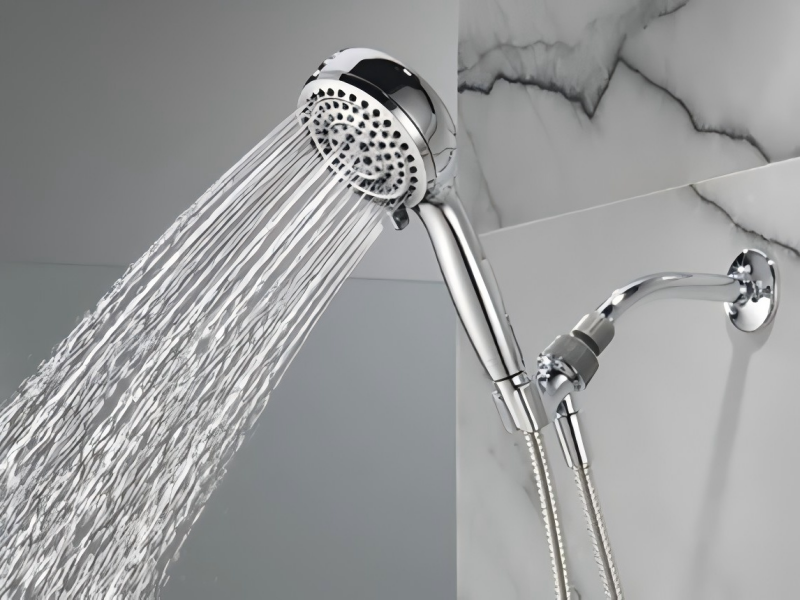
Steps to Check Compatibility
To find the right shower hose, you need to verify compatibility. The following steps can help prevent leaks and other issues:
- Check the markings on the shower arm to confirm the thread type.
- Use a ruler or a pair of calipers to measure the thread width.
- Use a thread gauge to check the thread pitch and size.
- You can take the shower arm or the old hose to a hardware store for assistance.
- Try attaching the showerhead to see if it fits properly.
Mistakes can happen. Failing to use plumber’s tape (thread seal tape) can lead to leaks; overtightening can damage the threads; and choosing the wrong showerhead may affect the shower’s performance. Clean the shower arm before installing the new hose to avoid potential problems.
Using Adapters for Non-Standard Fittings
Sometimes, finding a hose that is a perfect match can be difficult. Adapters can solve many connection mismatch issues. There is a wide variety of adapters available:
- Threaded adapters allow you to switch between NPT and BSP standards or change connection sizes.
- Swivel adapters enable the showerhead to rotate flexibly, enhancing user comfort.
- Flow-limiting adapters help control water flow intensity.
- Quick-connect adapters make installation easy, especially for renters.
- Multifunctional adapters serve multiple purposes, such as combining thread conversion with flow control.
High-pressure showerheads and older plumbing systems often require adapters. Before installation, always verify that the threads match (typically 1/2-inch NPT). Some showerheads cannot connect directly to older pipes, but an adapter can facilitate a smooth installation, allowing you to enjoy a comfortable shower experience.
Tips for High-Quality Shower Hoses
Picking a good shower hose makes showers better. Look for these things:
| Feature | Description |
|---|---|
| Material | Stainless steel shower hose and brass shower hose last long and do not rust. |
| Length | Pick a hose that fits your shower, usually 60 inches or more. |
| Connectors | Strong connectors stop leaks and fit your fixtures. |
| Diameter | Bigger diameter gives more water but must fit your pipes. |
| Anti-kink technology | Stops twisting and tangling so showers are easier. |
High-quality hoses can last up to five years or even longer, whereas standard hoses typically have a lifespan of only one to three years. GONGGONG is a trusted manufacturer of custom braided hoses designed with durable materials and anti-kink functionality. Suitable for both residential and commercial settings, their products are an ideal choice for those seeking a premium shower experience.
Tip: Always look at the warranty. Many companies give lifetime warranties for homes, but business use may have different rules.
Checking the compatibility between the shower hose and the showerhead is important for every household. To ensure proper installation, follow these steps:
- Clean the threads of the shower connection and wrap them with plumber’s tape (PTFE tape).
- Tighten the shower hose by hand.
- Turn on the water to check for leaks.
Choosing a high-quality shower hose and using an adapter for non-standard installations can help prevent installation errors. Regular maintenance helps keep the shower equipment in good working order.
FAQ
Can any shower hose connect to any shower head?
No, not every hose fits every head. Most use a ½-inch size, but some heads need special connectors. Always check the head and hose before buying.
How does someone know if a shower hose is high quality?
They should look for strong materials, like stainless steel. A high quality hose will not kink, leak, or rust. Good heads also improve the shower experience.
What should someone do if the shower head and hose do not fit?
They can use an adapter. Adapters help connect different head sizes. This quick fix lets the head and hose work together without leaks.