

Yes, quick connect hoses can develop leaks. However, most leaks are caused by fixable issues like worn O-rings, loose fittings, or damaged seals, rather than inherent design flaws. Exposure to heat, mineral deposits, and physical stress degrades the rubber components over time. This guide examines the common causes of these leaks, explains how to troubleshoot them, and offers practical prevention advice to keep your water lines dry.
Key Takeaways
- Wear and Tear: Quick connect hoses rarely leak due to design flaws; most leaks come from degraded O-rings or washers.
- Simple Fixes: Replacing a worn washer or O-ring and ensuring a snug fit solves the vast majority of leaks.
- Prevention is Key: Regular inspections, avoiding lateral stress, and keeping fittings clean prevent premature failures.
Why Quick Connect Hoses Leak
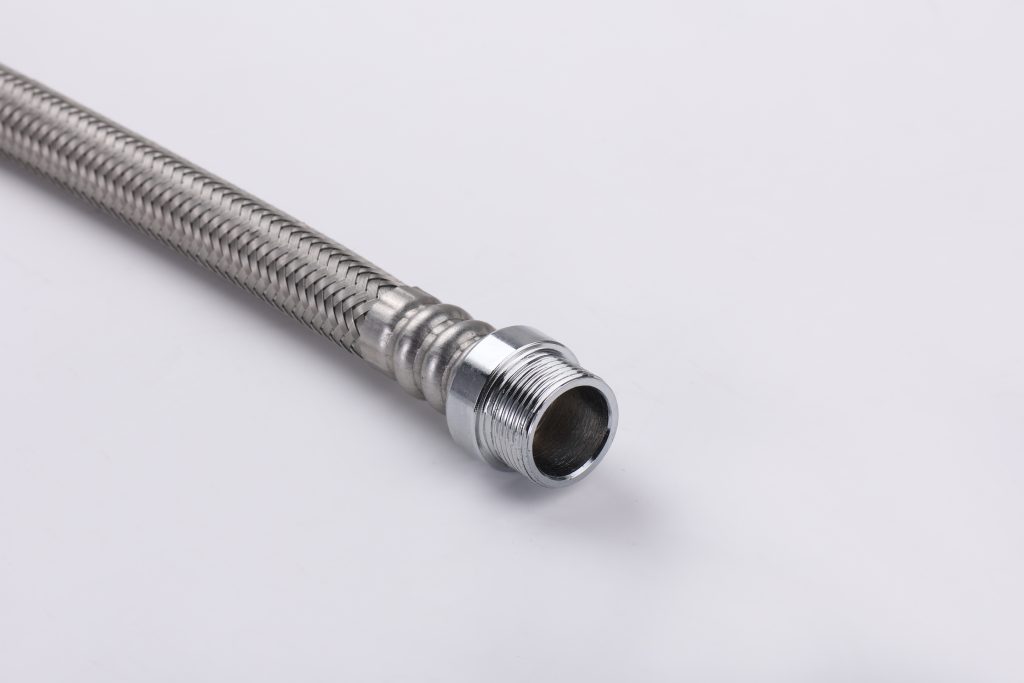
Leaks in quick-connect couplings generally stem from four common causes: damaged O-rings, improper installation (like cross-threading), corrosion of the tubing, or excessive tightening torque. These are not manufacturing defects; they are the result of normal wear, incorrect handling, or assembly errors.
Worn O-Rings and Seals
The O-ring is the heart of a quick-connect fitting. Positioned at the base of the male connector, this small rubber ring presses against the body of the female connector to create a watertight barrier. If the O-ring becomes damaged, this barrier quickly fails. Exposure to heat, mineral deposits, and repeated connecting and disconnecting causes the rubber to harden and lose its elasticity.
Once the ring develops micro-cracks or becomes permanently flattened, water begins to seep from the connection point. Frequently, the fitting starts leaking without any obvious external warning. Inside the female connector, a rubber washer or seal performs a similar function. When this seal fails due to prolonged use, water escapes through the gaps along the edges instead of flowing properly through the hose line.
Loose Fits, Stripped Threads, and Stress
A tight connection is just as important as a good seal. If the male connector wobbles inside the female connector, leaks will inevitably occur. Loose connections typically stem from improper installation or wear to the locking mechanism. Improper installation often involves “cross-threading”—forcing components together when they are not properly aligned, which permanently damages the threads.
Furthermore, lateral stress is a major culprit. Pulling a hose around a sharp corner or dragging it over a curb bends the connection and places immense pressure on the seals. This is why quick-connect fittings often begin to leak after about a year of heavy use. Additionally, overtightening a fitting beyond its limit can crush the internal seals, while grit or sand entering the connector can scratch the O-ring’s surface, creating a path for water to escape.
Fixing Leaks in Quick Connect Hoses
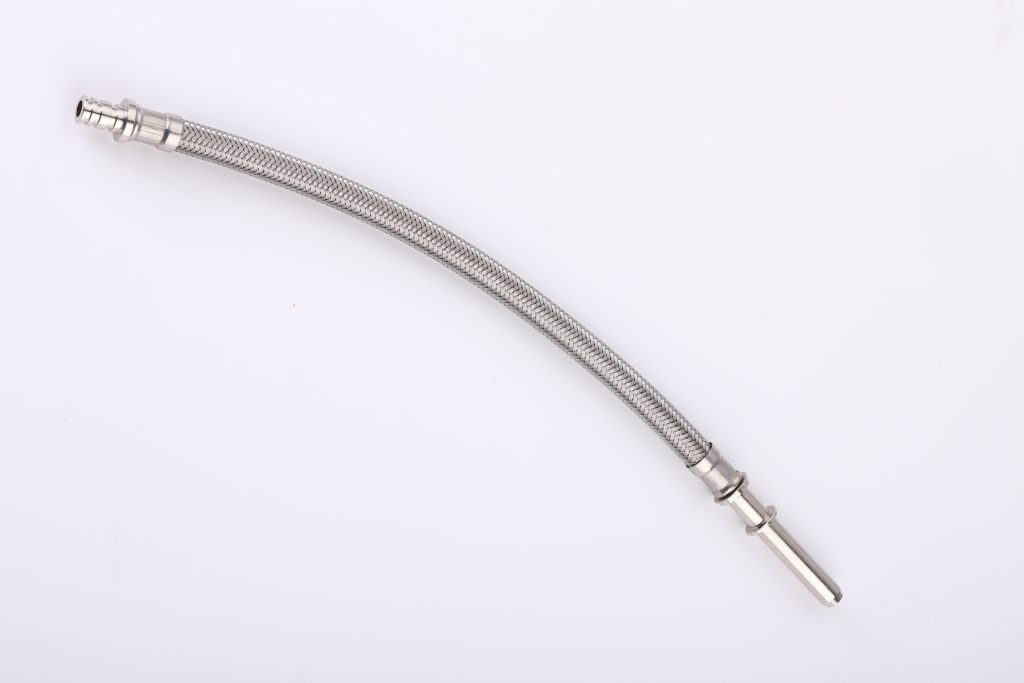
Most quick connect hoses serve for years without trouble. When a fitting does fail, the cause is usually simple, and the repair takes only minutes.
Replacing Garden Hose Washers
Garden hose connectors operate differently from industrial fittings; they rely on a flat rubber washer—rather than an O-ring—to create a seal against the faucet. Leaks at these connections are most commonly caused by a worn, hardened, or missing rubber washer. If a washer has aged, it can no longer be compressed effectively, allowing water to seep through the gaps. Replacing the washer usually solves the problem immediately. If a leak occurs at the male end of a garden hose, it is typically due to a damaged O-ring. Replacing a damaged O-ring is straightforward, requires no tools, and restores a secure, watertight seal in minutes.
Troubleshooting Spring-Loaded Couplings
Spring-loaded quick-connect couplings often require a minor adjustment before use. Ensure you push the coupling forward until it clicks, confirming the O-ring is fully seated within its groove. A properly functioning spring-loaded coupling will produce an audible “click” when correctly engaged. If the spring has weakened due to age, the coupling may slide backward under pressure, causing the seal to fail. If a simple push forward does not resolve the leak, the coupling is likely worn out and should be replaced entirely.
Preventing Leaks in Quick Connect Hoses
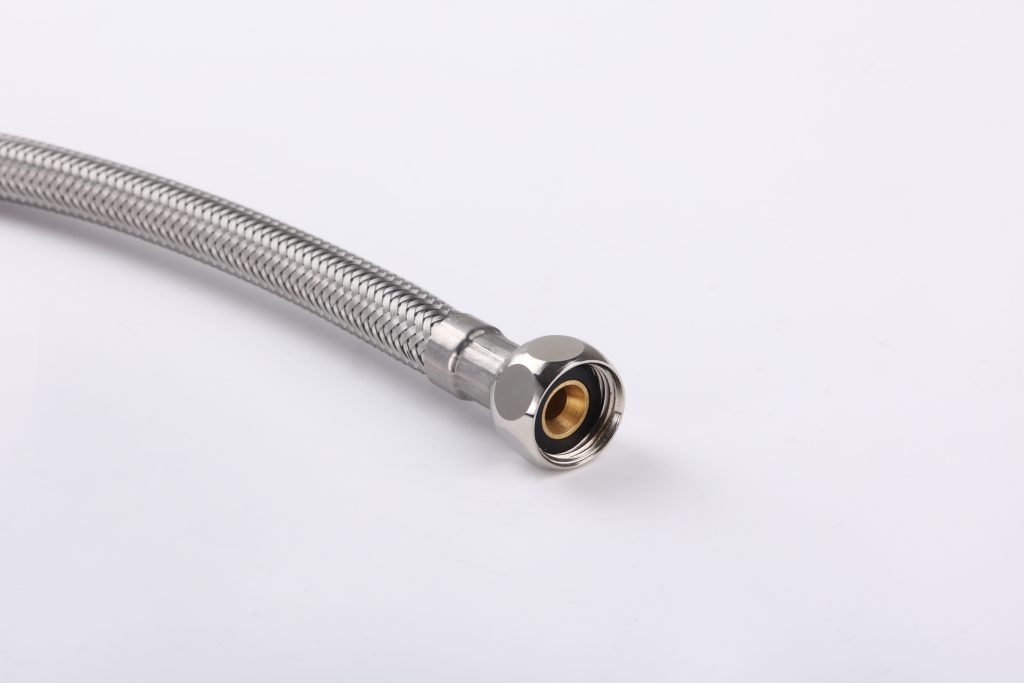
Routine care prevents most leaks and extends the lifespan of your hoses significantly.
Routine Inspections and Cleaning
Inspect the washer and every quick-connect fitting each season. Replace a worn washer before it fails completely. Keep each fitting clean of grit and mineral film, as these abrasive particles destroy O-rings. After every use, confirm the fitting is snug. Testing each quick-connect fitting under pressure before long-term storage is a smart habit that catches small issues before they become major leaks.
Proper Handling and Storage
Avoid over-torque and sideways force on a quick-connect fitting. Never yank the hose by the coupling; always grab the hose body to move it. Store hoses indoors to protect the rubber components from UV damage and extreme temperature fluctuations. A quality quick-connect fitting rewards this care with years of reliable service. For environments requiring high durability, upgrading to a reinforced stainless braided hose ensures the outer layer resists abrasion and kinking, protecting the internal water path.
FAQ
What causes most quick-connect failures?
Improper installation and worn seals explain most failures. A damaged O-ring or a loose quick-connect fitting lets water slip past the joint. Cross-threading during installation is another major cause.
Why does water drip at the spigot?
A garden hose connection drips when the rubber washer hardens or disappears. That washer forms the seal against the faucet, so installing a fresh one usually stops the leaking immediately.
How long do quick connect hoses last?
Quick connect hoses often serve years with basic care. Users should inspect each seal, replace a tired washer, and watch for leaks. A worn quick-connect part is the usual source of leaking, not the hose itself. For long-lasting performance in kitchens and bathrooms, choosing a high-quality kitchen hose or a durable flexible shower hose minimizes the risk of pressure-related failures.