

For most households, the standard length of a shower hose typically ranges from 60 to 80 inches; this range effectively meets the basic requirements of daily use, striking a balance between flexibility and comfort. Some hoses extend even further—up to 2 meters—providing users with greater freedom of movement during their shower, a feature particularly well-suited for situations where a wider range of motion is desired. Selecting the appropriate length helps enhance the overall user experience, making the act of showering feel more effortless and natural. A hose that is too short restricts movement and proves inconvenient to use, whereas one that is excessively long may sag, tangle, or even negatively impact water flow; therefore, it is essential to make a sensible choice based on the actual dimensions of the bathroom and one’s personal usage habits.
- Common shower hose sizes:
- 60 inches
- 70 inches
- 80 inches

Key Takeaways
- Think about your bathroom size and shower type before picking a hose length.
- Strong materials like stainless steel or reinforced rubber make hoses last longer. These materials also keep water pressure steady.
- Check your shower hose often for signs of damage. Replace it if you see any problems.
Standard and Maximum Shower Hose Lengths
Standard Sizes
You often see the length of a standard shower hose listed in both inches and meters. Most homes use a standard shower hose that measures between 1.25 meters and 1.5 meters. These sizes fit most shower setups and give you enough reach for daily use. The table below shows the most common options you will find in stores in the United States and Europe:
| Length (meters) | Description |
|---|---|
| 1.25 | Standard length option |
| 1.5 | Commonly used length |
| 1.75 | Intermediate length |
| 2 | Longer standard option |
Standard shower hoses typically range in length from 1.25 to 1.5 meters, making them suitable for most fixed and handheld showerheads. Common shower hoses are also available in 60-inch and 72-inch specifications to accommodate varying regional standards and user preferences. The standard connection size for shower hoses is generally 1/2 inch, although some products offer 3/8-inch or 3/4-inch options.
This length design facilitates easy adjustment of the showerhead’s position—thereby enhancing operational flexibility—while avoiding issues such as tangling or sagging caused by excessive length; as such, it effectively meets the daily usage requirements of common settings, such as home bathrooms.
Maximum Lengths
In certain situations, you may require a longer shower hose. For instance, if your home features a large walk-in shower, a deep bathtub, or involves specific usage requirements, opting for an extended-length shower hose is a more suitable choice. Standard extended shower hoses typically reach lengths of up to 2 meters, while some specialized products can extend as far as 3 meters.
Factors to Consider When Choosing Shower Hose Length
Shower Type and Space
When selecting a shower hose, the appropriate length should be determined based on the type of shower system and the dimensions of the bathroom space. Handheld showerheads require a hose long enough to reach the entire body, ensuring flexible and convenient use; fixed showerheads, conversely, typically do not involve the selection of a hose length. For smaller bathrooms, a shower hose of approximately 60 inches (about 152 cm) is usually sufficient to meet practical needs; for larger shower enclosures, however, one may opt for a hose up to approximately 120 inches (about 305 cm) in length to expand the cleaning range and enhance overall convenience.
User Needs
Extended-length shower hoses are commonly found in hospitals, nursing homes, and private residences where accessibility design is a priority. These hoses often feature easy-grip handles and lightweight construction to facilitate use by the elderly or those with limited mobility. Additionally, they are typically made from easy-to-clean materials, helping to maintain a hygienic and safe shower environment.
Tip: If you need to assist individuals who use a wheelchair or a shower seat, selecting a longer shower hose can enhance both safety and ease of operation, making the bathing process much smoother and more effortless.
Water Pressure and Material
When selecting a shower hose, in addition to length, one must also consider the impact of water pressure and hose material on the overall user experience. The longer the hose, the greater the distance the water must travel through the pipe, which can potentially lead to a reduction in water pressure and flow intensity. Therefore, when a longer hose is required, priority should be given to materials that offer a more stable structure and superior pressure resistance.
Hoses made from different materials vary in terms of durability, flexibility, and suitability for specific lengths. Some hoses are better suited for short-distance installations, while others are capable of maintaining a steady water flow and ensuring a long service life even at greater lengths. Selecting the appropriate type of hose—based on the bathroom layout, the frequency of hot water usage, and the intensity of daily use—is of paramount importance.
For specific characteristics and applicable scenarios for hoses made of various materials, please refer to the table below:
| Material Type | Advantages | Maximum Length Impact |
|---|---|---|
| Stainless Steel Braided | Durable, resists corrosion | Handles longer lengths under high pressure |
| Reinforced Rubber | Flexible, strong under pressure | Good for longer hoses |
| Plastic (PVC) | Lightweight, budget-friendly | Best for short hoses |
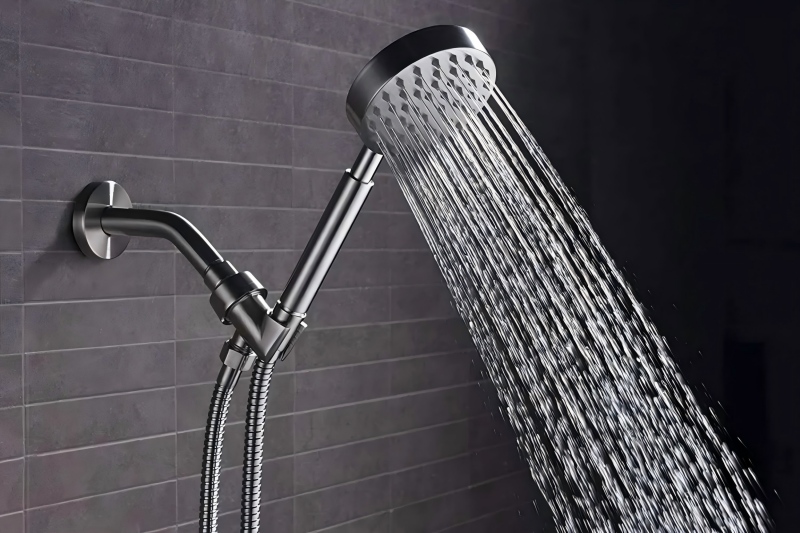
Pros and Cons of Longer Shower Hoses
A longer shower hose can significantly enhance operational flexibility, making daily hygiene routines more efficient. In practical use, it allows you to adjust the showerhead’s position with greater ease, enabling you to cover a wider rinsing area without the need to constantly shift your body.
For households with children or pets, an extended shower hose is particularly useful. It facilitates the convenient rinsing of hair or bodies, minimizes unnecessary splashing, and makes it easier to control the direction of the water flow. Furthermore, during routine cleaning tasks, a longer hose assists in rinsing out the bathtub, walls, or corner areas, thereby boosting cleaning efficiency.
When assisting others with bathing, an extended shower hose also provides greater maneuverability, ensuring the entire process is safer and smoother. Additionally, some shower hoses come equipped with various spray modes or supplementary features that further enrich the user experience.
However, an extended shower hose may also present certain inconveniences during use. For instance, the increased length makes it more prone to tangling or knotting, which can hinder smooth operation; concurrently, the longer water flow path may have a slight impact on water pressure and flow performance. Moreover, excess hose length tends to sag or bunch up—compromising the neatness of the bathroom—and requires extra attention during storage and organization.
Therefore, when selecting a shower hose, one should make a decision based on the available space, frequency of use, and specific requirements, aiming to strike a balance between flexibility and ease of use.
Choosing the Right Shower Hose
Measuring Your Space
Before selecting a shower hose, first measure the actual area of intended use. Focus specifically on determining the distance from the water outlet to the farthest point that needs to be reached; this will help you determine the appropriate hose length.
You can measure the overall length of your existing shower hose by straightening it out. If it is coiled, you can estimate the total length by measuring the diameter of a single coil and multiplying it by the number of coils; this method allows for a more accurate assessment of whether you require a longer or shorter shower hose.
Matching to Your Routine
The selection of a shower hose should be guided by daily usage habits. In shared households, it is advisable to choose a hose length that accommodates varying heights and usage styles to enhance overall convenience.
For greater flexibility, consider pairing the hose with a handheld showerhead or an adjustable bracket to facilitate use by different individuals; in households with children or multiple users, the ability to flexibly adjust both height and angle proves particularly practical. Furthermore, different shower configurations—such as the specific type of showerhead or the presence of a bathtub spout—can influence how the hose is utilized; therefore, the final selection should be based on actual, specific requirements.
FAQ
How do you know if a shower hose is high-quality?
You can check the material and flexibility. A high-quality hose uses stainless steel or reinforced rubber. You should feel a smooth surface. The fittings should not leak. Good quality means the hose lasts longer and works well every day.
What is the best way to clean a shower hose?
Wipe the hose with a soft cloth dampened with mild soapy water, then rinse thoroughly with warm water. High-quality hoses are resistant to limescale buildup; regular maintenance to keep them clean ensures a smooth water flow and keeps them looking like new. To maintain the hose in excellent condition, please avoid using harsh chemicals.
Can a longer shower hose affect water pressure?
Yes, an excessively long hose can reduce water pressure. If the hose is very long, you may notice that the water flow becomes weaker. However, choosing a high-quality hose can mitigate this effect; a premium hose can maintain a steady and strong water flow, even when extended.
How often should you replace your shower hose?
You should inspect your water pipes once a year. If you discover any cracks, leaks, or rust, replace the pipes. High-quality pipes have a longer lifespan; with proper maintenance, they can last for many years. Furthermore, regular inspections help ensure the safe operation of your shower hose.
What makes a shower hose safe for children and pets?
A shower hose is safe for children and pets when it is crafted from non-toxic, BPA-free materials; features a smooth, flexible design to prevent tangling and kinking; and is equipped with leak-proof, secure connectors. Furthermore, features such as anti-scald compatibility, a gentle water flow, and an easy-to-handle spray head contribute to ensuring a safer and more comfortable bathing experience.