
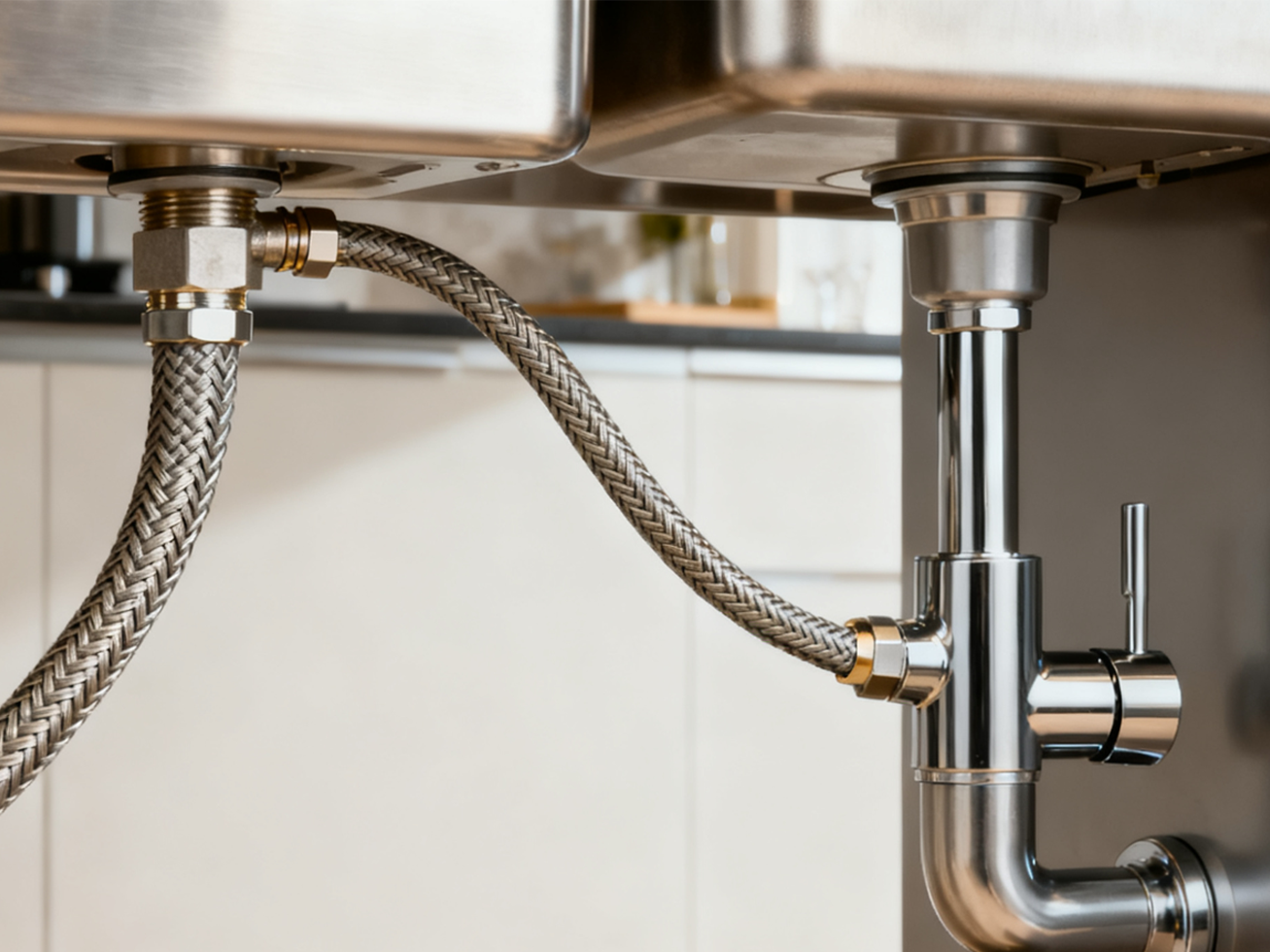
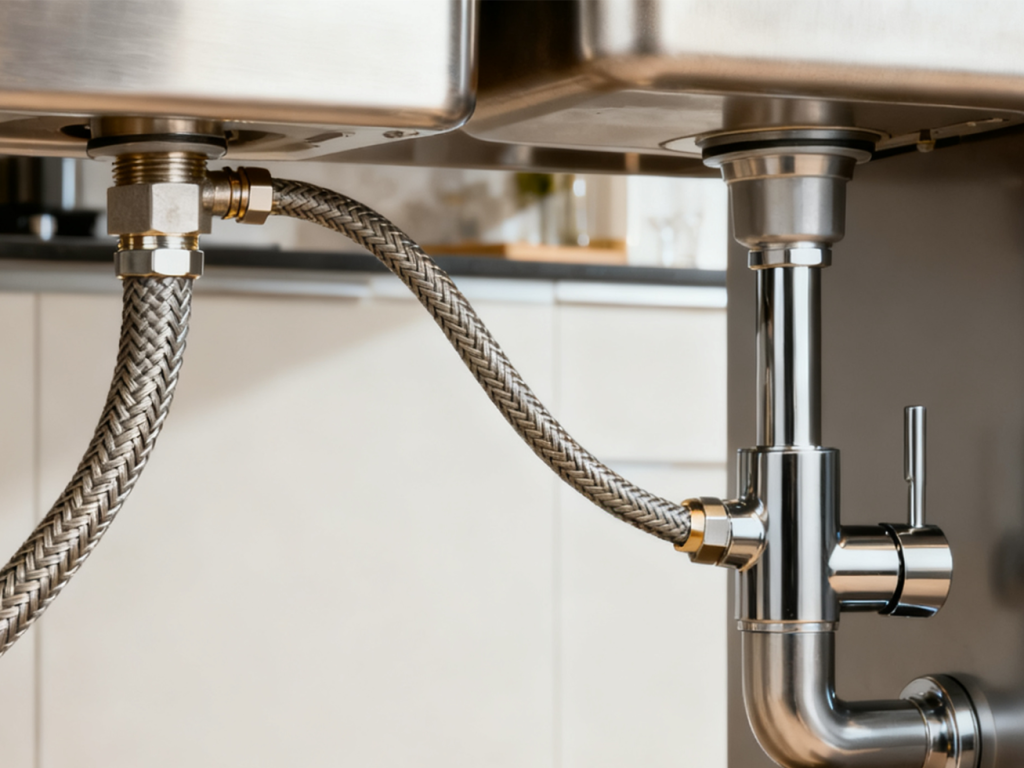
Braided faucet hoses typically last 5 to 10 years. With proper maintenance, high-quality hoses can last up to 20 years. The metal layer of these hoses helps prevent bursting, protecting your home from leaks and saving on repair costs. Regular hose inspections are crucial. A burst hose can lead to serious flood damage.
| Evidence Description | Importance for Homeowners |
|---|---|
| Braided metal hoses are burst-resistant due to their metal layer. | This reduces the risk of leaks, thus preventing costly flood damage to your home. |
| Experts recommend replacing braided hoses every 5 to 8 years. | This means you won’t need to replace hoses frequently, saving on repair costs. |
| Installing braided hoses can reduce the risk of homeowners’ insurance claims. | If the hose doesn’t fail, homeowners can avoid significant losses. |
GONGGONG manufactures robust and durable braided faucet hoses. This helps homeowners extend the life of their plumbing and ensures safety.
Key Takeaways
- Braided faucet hoses typically last 5 to 10 years. With proper maintenance, high-quality hoses can last up to 20 years.
- Regularly inspecting hoses is crucial. Check annually for wear, leaks, or rust. This helps prevent water damage.
- Even if a hose appears intact, it should be replaced every 5 to 8 years. Replacing the hose early can help you avoid costly repairs.
- Choose high-quality hoses from brands you trust, such as GONGGONG. Certified hoses are safer and last longer.
- Proper installation and maintenance of hoses help extend their lifespan. Always follow the manufacturer’s instructions to prevent problems.
Lifespan Of Braided Faucet Hoses
Braided Faucet Hoses Average Service Life
Braided faucet hoses are essential in home plumbing systems. Most people can expect them to last 5 to 10 years. This depends on the hose material and typical water usage. With proper maintenance, some braided hoses can last up to 20 years. The lifespan of stainless steel braided hoses depends on factors such as water pressure, water temperature, and installation quality.
Stainless steel braided hoses are robust and durable. The braided layers effectively prevent the hose from bursting and leaking, making it more durable than rubber hoses. Many experts consider stainless steel braided hoses a wise choice for homes and businesses.
Manufacturer And Expert Recommendations
Plumbing experts and manufacturers offer recommendations on when to replace braided faucet hoses. The table below lists the replacement cycles for different types of hoses:
| Hose Type | Replacement Interval |
|---|---|
| Rubber hoses | Every 3–5 years |
| Stainless steel braided hoses | Every 5–8 years |
Most experts recommend replacing stainless steel braided hoses every 5 to 8 years. This helps prevent leaks and water damage. Some top brands, such as GONGGONG, produce braided faucet hoses with an even longer lifespan. GONGGONG uses robust stainless steel and maintains strict quality control. Their hoses are more durable than most products, especially if you inspect and maintain them frequently.
GONGGONG hoses are durable thanks to their superior design and robust materials. They meet stringent safety and performance standards. Users who choose these hoses can rest assured knowing that their plumbing system uses durable products.
Tip: Regularly check braided faucet hoses for damage. Early replacement can avoid costly plumbing problems.
Factors Affecting Braided Faucet Hoses Longevity
Material Quality In Stainless Steel Braided Water Lines
Material quality is crucial to the lifespan of braided hoses. Top brands like GONGGONG use robust stainless steel that is resistant to rust and wear. These hoses have special certifications such as WRAS, ACS, and WaterMark. This means they are safe, reliable, and perform exceptionally well. Stainless steel braided hoses can bend without breaking. This helps prevent leaks and damage. If you purchase hoses from a reputable brand, it should last a long time.
Braided Faucet Hoses Installation And Usage
How the braided hose is installed is critical. Many hoses break because of improper handling or rough treatment during installation. Some common problems include:
- Improper handling of the hose reduces its strength.
- Twisting the hose during installation damages it. Using two wrenches can prevent this.
- Excessive bending of the hose can cause it to crack or leak.
- Stacking the hose can mask damage to the braided layers.
Installers should always follow the manufacturer’s instructions when installing hoses. This maintains the strength and flexibility of the stainless steel braided hose and reduces the risk of leaks.
Braided Faucet Hoses Water Quality And Pressure
Water quality affects the lifespan of braided hoses. Hard water contains minerals such as calcium and magnesium. These minerals can accumulate inside hoses, obstructing water flow and causing increased pressure. Over time, this can lead to leaks or hose breakage. High chlorine levels in water also accelerate the aging of hose materials. Stainless steel braided hoses should not be used under pressures exceeding 125 psi. Excessive pressure can cause premature hose failure. Regular inspection and maintenance of hoses help extend their lifespan.
Note: Please check your braided faucet hose regularly and ensure it is installed correctly. This helps prevent leaks and extends the hose’s lifespan.
Signs To Replace Braided Faucet Hoses
Visible Wear Or Damage
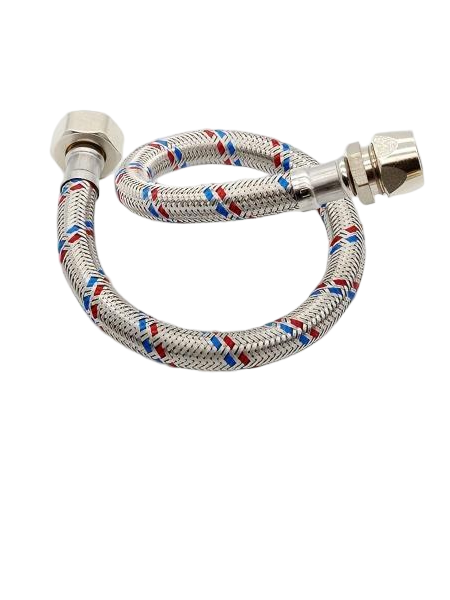
Homeowners need to pay attention to signs that your braided faucet hose needs replacing. Some problems can be observed from the outside of the hose. These problems include:
- Rusty metal braid
- Hose discoloration
- Wearing loose threads
- Bulging or blistering in the hose
- Cracks in the outer layer
- Blistering or wear in the braid
If you notice these signs, the hose may be failing soon. If you find any problems, replace the hose immediately. Ignoring damage can lead to leaks and water stains.
Leaks And Moisture
Leaks can occur where you can’t see them. Under the sink is a common leak point. Leaks can occur at the connection between the shut-off valve and the water supply line. Water can accumulate from leaking joints or corroded braided hose. You might see water pooling in your cabinets or mold growing on the cabinet walls. Checking humidity monthly helps detect leaks early. Water stains on walls or ceilings can indicate a leak. Sometimes, rising water bills or unusual noises from the pipes also suggest a problem. Regular inspections help prevent leaks from worsening. Addressing small drips promptly can prevent them from becoming large leaks.
Age And Inspection Schedule
Even if a braided faucet hose looks perfectly fine, its lifespan is important. Experts recommend checking the hose annually for damage or wear. Most professionals recommend replacing the hose every 5 to 7 years. Even if you don’t see any problems, you should still do this. This regular inspection helps stop leaks before they occur. During each inspection, homeowners should look for bulges, cracks, or corrosion on the hose. Tighten the hose fittings twice a year to ensure they are secure. Doing so helps prevent leaks and protects your home from water damage.
Maximizing The Longevity Of Stainless Steel Braided Faucet Hoses
Regular Inspections Braided Faucet Hoses
Frequently inspecting braided hoses helps extend their lifespan. It is recommended to check the hose monthly for bulges, cracks, or leaks. A pressure test helps determine if the hose is still strong. If the hose is bent or damaged, it should be replaced. The hose needs to be installed correctly and adequately supported to prevent excessive bending or twisting. Cleaning the hose with mild soapy water keeps it clean and makes it easier to spot problems. Keeping a record of your inspections helps you remember what needs attention.
- Check the hose monthly for bulges, cracks, or leaks.
- Remove the hose annually and clean away any dirt.
- Replace the hose with a stronger one every five years.
Tip: Record the time of each hose inspection and any problems found so you can plan future inspections.
Braided Faucet Hoses Maintenance Tips
Regular maintenance helps extend the life of your hose and prevent leaks. People should check faucets and hoses for kinks, bulges, or leaks. Repairing leaks promptly prevents them from worsening. Clean water helps protect the inner walls of the hose. Before winter arrives, turn off and drain outdoor faucets to prevent freezing. It’s a good idea to have a plumber check the hose annually.
- Check the hose for rust, mineral deposits, or leaks.
- Ensure faucets can be turned on and off easily.
- Listen for dripping sounds, which may indicate a minor leak.
Note: Regular hose maintenance extends its life and makes it run more smoothly.
Choosing High-Quality Braided Faucet Hoses
Choosing a high-quality braided hose helps extend its lifespan and makes it easier to bend. Stainless steel hoses are strong, durable, and rust-free. Nylon braided hoses are tough, durable, and less prone to tangling. PVC hoses are cheaper but have a shorter lifespan. High-quality hoses have sturdy inner walls, metal fittings, and a thick sheath. People should choose hoses suitable for everyday use and check for special safety labels.
| Hose Type | Advantages of Stainless Steel Braided Water Lines |
|---|---|
| Stainless Steel | Lasts longer, bends well, does not rust |
| Nylon-Braided | Stronger, does not kink easily |
| PVC | Cheaper, does not last as long |
Choosing certified hoses from reputable brands reduces the risk of leaks and extends their lifespan.
Advantages Of Stainless Steel Braided Faucet Hoses
Durability And Corrosion Resistance
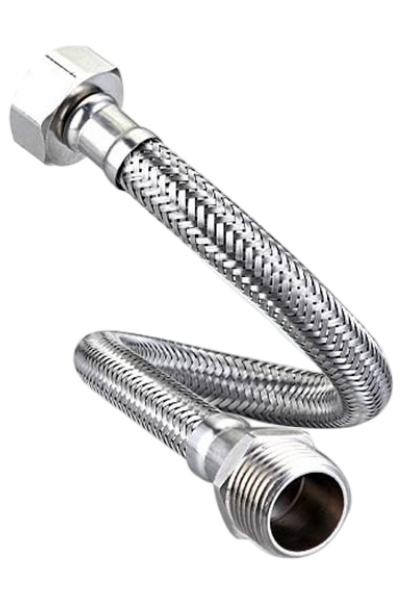
Stainless steel braided hoses are extremely robust and durable, with a long service life. The braided layers effectively protect the hose from damage and allow it to withstand high pressure. Stainless steel is resistant to rust and corrosion, so these hoses perform excellently even in harsh environments. Many businesses choose stainless steel braided hoses because they are more durable than rubber or plastic hoses. Rubber hoses can crack or burst over time, while braided hoses offer better protection and a longer lifespan. People choose stainless steel braided hoses for both residential and commercial use to reduce leaks and repairs.
- Stainless steel braided hoses can withstand high pressure.
- The braided layers protect the inner hose from scratches.
- These hoses are suitable for locations where rubber hoses might break.
Safety And Certification
Safety is paramount in plumbing systems. Certified stainless steel braided hoses help prevent damage from leaks in the home. Rubber hoses are prone to cracking or bursting, leading to serious leaks. Braided hoses, made of robust materials, reduce this risk. Certified hoses meet stringent safety and strength standards. They are rigorously tested to ensure they will not leak or break. Homeowners trust these hoses because they ensure the safety of their water supply systems.
Certified braided hoses help protect homes from leaks and water damage. Choosing the right hose can save money and avoid costly repairs.
Flexibility And Versatility
Braided hoses are easy to bend and twist, making installation convenient even in tight spaces. Installers can install these hoses around corners or behind objects. Their flexible design helps reduce pipe noise and vibration. Each hose undergoes leak testing before leaving the factory, ensuring users have complete confidence in its performance.
| Feature | Description |
|---|---|
| Flexibility | The hose bends easily for fast installation in many places. |
| Vibration Control | The design lowers noise and handles movement without breaking. |
| Leak Testing | Every hose gets checked to make sure it does not leak when used. |
Braided hoses are suitable for a variety of locations, such as kitchens and factories. Their strength and flexibility make them ideal for today’s plumbing systems.
Braided faucet hoses typically last 5 to 10 years. Lifespan depends on the material, installation method, and the water quality in your home. Regularly inspecting hoses helps prevent leaks and water quality problems. Some brands, such as GONGGONG, produce certified hoses for your peace of mind.
- Inspect hoses annually.
- Replace old or damaged hoses immediately.
Choosing quality hoses ensures home safety and saves money. Homeowners should inspect hoses regularly and choose reputable brands to ensure the durability of their plumbing system.
FAQ
How often should homeowners inspect braided faucet hoses?
Homeowners should inspect braided faucet hoses at least once a year. Check for signs of wear, leaks, or rust. Early inspection helps prevent water damage.
Can braided hoses be used for hot and cold water?
Yes, braided hoses can be used for hot and cold water. GONGGONG braided hoses handle temperature changes well and are suitable for kitchen and bathroom faucets.
What certifications should a quality braided hose have?
Quality braided hoses should have certifications such as WRAS, ACS, KTW/W270, or WaterMark.
These certifications indicate that the hose meets stringent safety and drinking water standards.
What are the main signs that a braided hose needs replacing?
| Sign | Description |
|---|---|
| Rust | Metal looks brown or dull |
| Bulges | Hose looks swollen |
| Leaks | Water drips or pools |
Are GONGGONG braided hoses easy to install?
Yes, GONGGONG braided hoses feature a flexible design.Installers can easily install it in confined spaces without encountering kinks.
Please be sure to follow the installation instructions for best results.