
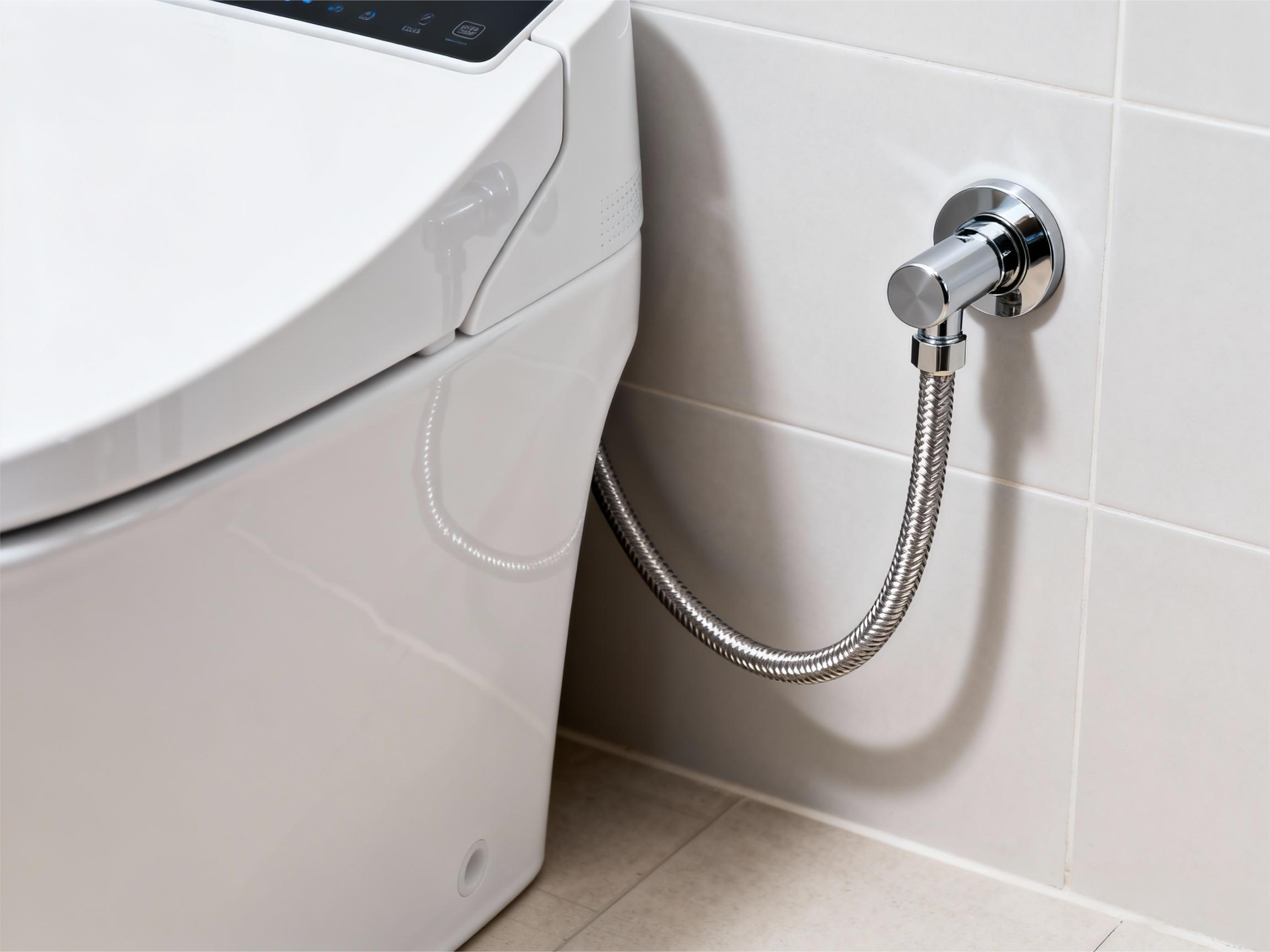
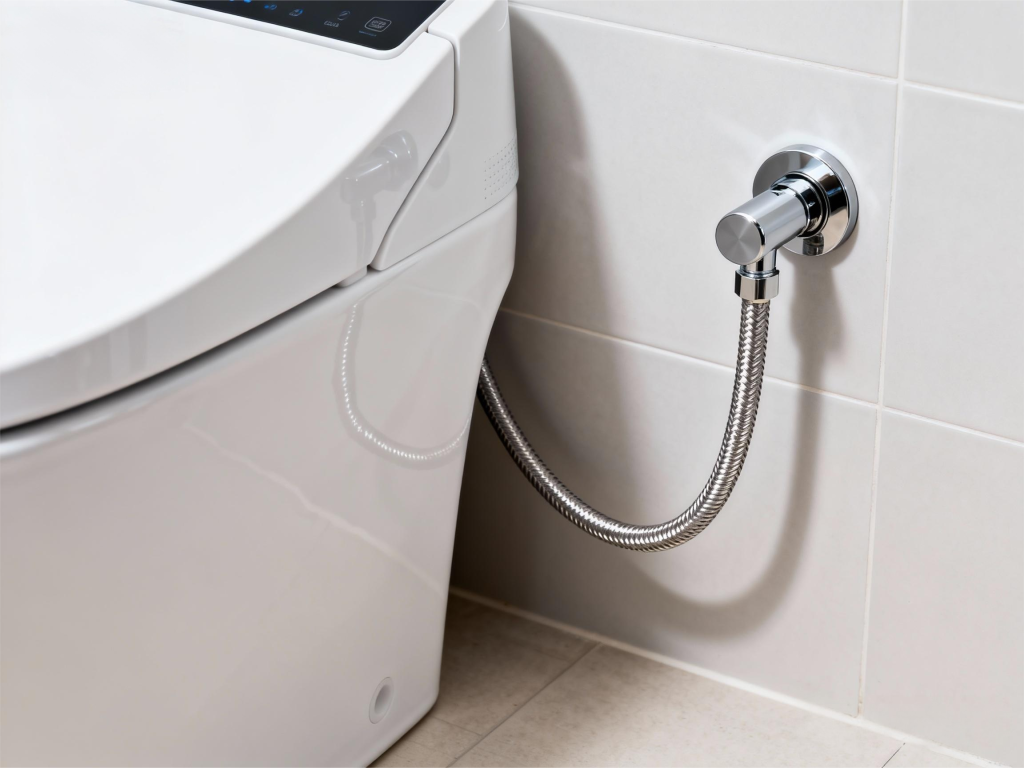
Braided toilet hoses typically last 5 to 10 years. With proper maintenance, some can even last up to 20 years. Recent plumbing data shows that stainless steel braided hoses can last 10 to 20 years or even longer with proper care. These hoses are often hidden inside the pipes, so problems can go unnoticed. This can lead to leaks and significant damage to your home. Regular inspections help avoid expensive repairs and ensure your safety. Homeowners or those who can perform repairs themselves can extend the lifespan of these pipes.
Key Takeaways
- Braided toilet hoses typically last 5 to 10 years. With proper care, high-quality stainless steel hoses can last up to 20 years. Inspecting the pipes twice a year helps detect leaks, rust, or bulges early. This can prevent costly flood damage. Homeowners should replace their hoses every 5 to 7 years to prevent leaks and ensure pipe safety. Stainless steel hoses are stronger, more durable, and more resistant to rust than nylon or plastic hoses. Simple maintenance, such as keeping the area clean and avoiding the use of harsh chemicals, can extend the lifespan of your toilet supply hose.
Lifespan of Braided Toilet Supply Lines
Average Lifespan Range
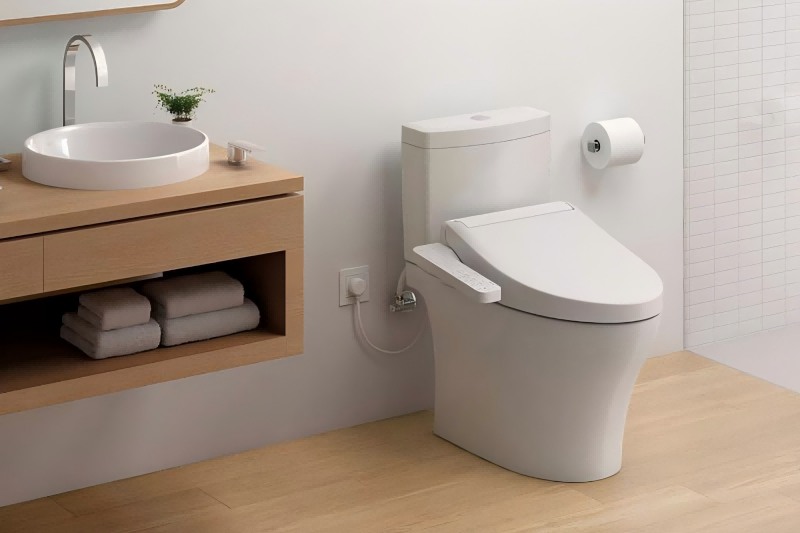
Most people can expect braided toilet supply lines to last 5 to 10 years. Some experts say you should change the toilet water supply line every 5 to 7 years. This helps stop leaks before they start. If you use a high-quality braided supply line made from stainless steel, it might last up to 20 years. It needs to be put in right and taken care of. Checking the line often helps you find problems early. This can make the toilet water supply line last longer.
Tip: Replace your toilet supply hose before it bursts. This can help you avoid damage and high repair costs caused by leaks.
Factors Affecting Lifespan
Many factors affect the lifespan of a braided toilet supply hose. The material of the braided hose is crucial to its strength. The table below compares the performance of different materials:
| Material Type | Durability | Corrosion Resistance | Cost in the Long Run | Flexibility | Pressure Rating |
|---|---|---|---|---|---|
| Stainless Steel | High | Very Strong | Higher upfront cost | Poor | Very High (over 1000 PSI) |
| Nylon | Medium | Good | Affordable but less durable | Excellent | Medium (200-500 PSI) |
| Plastic | Low | Poor | Cheaper at first but repairs cost more | Good | Low |
Stainless steel braided toilet supply hoses are the best choice for rust prevention and high pressure resistance. They have a longer lifespan than nylon or plastic hoses. Nylon braided supply hoses are flexible and scratch-resistant, but they are not as capable of withstanding high pressure as stainless steel. Plastic toilet supply hoses have a lower initial cost, but are more prone to damage and have higher maintenance costs.
Other factors affecting the lifespan of toilet supply hoses include:
- Proper installation can prevent leaks and avoid excessive stress on the hose ends.
- If the braided water supply hose is too short, it is prone to stretching and breaking.
- Strong cleaning agents can damage the outer layer of the pipes, even stainless steel.
- Early inspection and replacement of pipes helps prevent leaks and overflows.
Note: Braided stainless steel water supply hoses are not as prone to cracking as older plastic hoses, making them more suitable for long-term use.
Homeowners should inspect the toilet water supply hose twice a year for rust, bulges, or leaks. Choosing high-quality braided water supply hoses and installing them correctly can extend their lifespan and prevent malfunctions.
Braided Toilet Supply Lines Signs of Water Leaks and Wear
Visible Damage and Corrosion
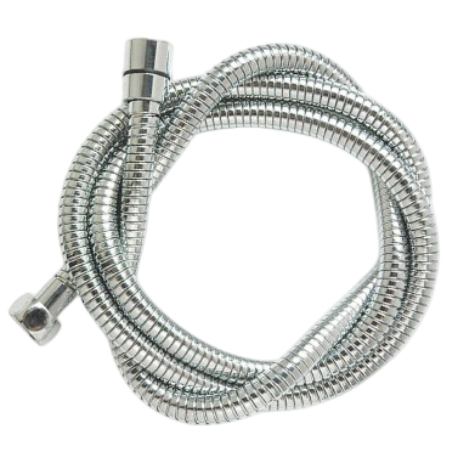
Homeowners can spot early problems with braided supply lines by looking for visible damage. Rust, discoloration, and broken or frayed strands often appear on the outside of the braided hose. These signs show that corrosion or rust has started to weaken the line. When people see these changes, they should act quickly. Waiting too long can lead to leaks or even a burst. Early action helps prevent water damage and keeps the bathroom safe. People should check the entire length of the braided supply lines, not just the ends. Even small spots of rust can grow and cause a crack or burst later.
Low Water Pressure
A sudden drop in water pressure may indicate a problem inside the braided water supply pipe. If the toilet fills slowly, it could be due to a blockage or small cracks in the pipes. Leaks can also cause a drop in water pressure. Sometimes, when a leak goes undetected for weeks, a hidden flood begins. These changes should not be ignored. Ignoring small leaks or drops in water pressure can lead to bursts and major repairs. Regular inspections help detect and address problems before they worsen.
Bulging or Cracks
Swelling, bubbling, or wear on braided water supply pipes indicates a safety hazard within the pipes. These signs often appear before a burst. Cracks in the hose can cause leaks. When the pipe expands, the internal pressure can damage the hose.
Tip: Early detection of problems with braided toilet hoses can save money and avoid expensive repairs. Regular inspections are the best way to prevent bursts or cracks.
Inspecting and Maintaining Braided Toilet Supply Lines
Inspection Frequency and Tips
Homeowners should inspect their braided toilet hoses twice a year. These inspections help prevent leaks and water damage. Check the hose for rust, discoloration, or bulging. Damp areas near the ends of the hose may indicate a problem. If you find these signs, replace the hose immediately. Annual inspections also help detect problems early. To keep your plumbing system robust, be sure to inspect the entire braided hose, not just the ends.
Tip: Early detection of problems with braided toilet hoses can prevent leaks and ensure your bathroom is safe.
Preventive Maintenance Steps
Simple maintenance helps extend the life of your braided toilet hoses. Homeowners should inspect all hoses regularly. A plumber can help inspect the pipes, especially in older homes. Using strong materials such as braided stainless steel helps prevent leaks. Do not use strong chemicals near the hoses. Keep the area around the water supply pipes clean and dry for best results.
- Inspect all braided water supply pipes regularly.
- Have a plumber inspect the water supply pipes in older homes.
- Use sturdy materials for a longer lifespan.
- Keep the area around the pipes clean and dry.
When to Replace the Toilet Water Supply Line
People should change supply lines after a few years, even if they look fine. The table below shows when to change different types of braided supply lines:
| Material Type | Replacement Age |
|---|---|
| Braided Stainless Steel | 8-10 years |
| Plastic | 5-7 years |
Most experts recommend replacing toilet braided water supply pipes every 5 to 7 years. If you find leaks or damage, replace them as soon as possible. Timely intervention can stop leaks and protect your home from water damage. Regular inspection and using high-quality products will ensure your plumbing system operates safely and reliably.
Low Water Pressure
A sudden drop in water pressure can signal trouble inside braided supply lines. If the toilet fills slowly, the line may have a blockage or a small crack. Water leaks can also lower pressure. Sometimes, hidden water damage starts when a leak goes unnoticed for weeks. People should not ignore these changes. Ignoring small leaks or pressure drops can lead to a burst and major repairs. Regular checks help catch these problems before they get worse.
Bulging or Cracks
Bulging, blistering, or fraying on braided supply lines means the inner tube is in danger. These signs often appear before a burst. A crack in the hose can let water escape and cause leaks. When the line bulges, the pressure inside has damaged the hose. A burst can happen soon after these signs show up. People should replace any braided supply lines that show a crack, bulge, or fray. Quick action stops leaks and protects the home from water damage.
Tip: Early detection of problems in braided supply lines saves money and prevents costly repairs. Regular inspection is the best way to avoid a burst or crack.
Inspecting and Maintaining Braided Toilet Supply Lines
Inspection Frequency and Tips
Homeowners should inspect braided water supply pipes twice a year. These checks help prevent leaks and water damage. Check the hoses for rust, discoloration, or bulges. Damp areas near the ends of the hoses may indicate a problem. If you find these signs, replace the water supply pipes immediately. Annual inspections also help detect problems early. Be sure to inspect the entire braided water supply pipe, not just the ends, to ensure the plumbing system is robust.
Tip: Finding problems early in braided supply lines stops leaks and keeps your bathroom safe.
Preventive Maintenance Steps
Simple maintenance helps extend the life of braided water supply pipes. Homeowners should plan to inspect all water supply pipes regularly. A plumber can help inspect the pipes, especially in older homes. Using sturdy materials such as braided stainless steel helps prevent leaks. Do not use strong chemicals near the hoses. Keep the area around the water supply pipes clean and dry for best results.
- Plan to inspect all braided water supply pipes regularly.
- Have a plumber inspect the water supply pipes in older homes.
- Use sturdy, durable materials to extend their lifespan.
- Keep the area around the pipes clean and dry.
When to Replace the Toilet Water Supply Line
People should change supply lines after a few years, even if they look fine. The table below shows when to change different types of braided supply lines:
| Material Type | Replacement Age |
|---|---|
| Braided Stainless Steel | 8-10 years |
| Plastic | 5-7 years |
Most experts say to change braided toilet supply lines every 5 to 7 years. If you see leaks or damage, change the line sooner. Acting fast stops leaks and keeps your home safe from water damage. Checking often and using good products keeps your plumbing safe and working well.
Choosing Quality Braided Toilet Supply Lines
Material Options and Durability
People can pick from different materials for braided supply lines. The most common choices are stainless steel, durable polymer, and nylon. Each material changes how long the supply line lasts and how well it works. The table below shows how strong each material is:
| Material | Durability Impact |
|---|---|
| Stainless Steel | Best option for durability and corrosion resistance |
| Durable Polymer | Effective but may not match stainless steel’s durability |
Braided stainless steel hoses are strong, durable, and rust-resistant. It has an internal rubber core and an external steel wire braided layer. This design protects the hose from scratches and vibrations. Nylon braided hoses are flexible and resistant to chemical corrosion. In some cases, they have a longer lifespan. Plastic or polymer hoses are lightweight and easy to install, but their lifespan is not as long as stainless steel.
When choosing a water supply hose, one should consider the advantages of braided water supply hoses. Stainless steel water supply hoses are more resistant to leaks and bursts than plastic or nylon hoses. They can withstand higher water pressure and have a longer lifespan. Braided water supply hoses help the toilet function properly and reduce the risk of water damage.
Importance of Quality Assurance
Quality assurance is important for safe and strong braided supply lines. Products like Bathroom & Sanitary Hose and Braided Hose follow strict rules. The table below lists key certifications:
| Certification | Description |
|---|---|
| NSF/ANSI 61 | Ensures materials do not leach harmful contaminants into drinking water. |
| ISO 9001 | Indicates a robust quality management system from raw material sourcing to final inspection. |
Supply lines must fit toilet parts for best results. Many braided supply lines fit most shutoff valves and have Click Seal nuts for a tight fit. The core material fights chlorine and other chemicals, which helps stop rust.
People who buy strong braided stainless steel hoses spend less money over time. These hoses need fewer fixes and replacements. Their strength means less trash and helps the environment. Many new braided supply lines use recycled materials and can be recycled after use. This saves resources and lowers harm to nature.
Tip: Picking good braided supply lines makes toilets last longer and gives peace of mind.
Checking braided toilet supply lines often helps stop water damage. People should look for leaks, rust, or bulges on the lines. They need to change the lines every five to seven years. Using stainless steel hoses makes the lines last longer and lowers the chance of a burst.
- Checking often helps find leaks and damage early.
- Changing lines on time stops big repairs and mold.
- Stainless steel hoses are better at stopping leaks.
| Water Damage Facts | Details |
|---|---|
| Percentage of Insurance Claims | Over 40% involve water damage |
| Common Cause | Failed flexible supply lines |
Doing these things helps people feel safe and keeps homes protected.
FAQ
How Often Should Braided Toilet Supply Pipes Be Replaced?
Most experts recommend replacing braided toilet supply pipes every 5 to 7 years. Early replacement helps prevent leaks and water damage. Regularly inspecting the pipes helps detect and address problems before they worsen.
Can Homeowners Install Braided Toilet Supply Pipes Themselves?
Yes, many homeowners can install braided toilet supply pipes themselves. Most kits come with easy-to-understand instructions. Installation can be completed using simple tools such as an adjustable wrench. If unsure, it is recommended to consult a plumber.
What is the Best Material for Braided Toilet Supply Pipes?
Stainless steel is the strongest material and offers the best rust resistance. It works well under high pressure and is more durable than nylon or plastic. Many homeowners choose stainless steel for safety and longevity.
What are the Early Signs of Braided Toilet Supply Pipe Problems?
Early signs include rust, bulges, or dampness around the hose. Low water pressure or a burst pipe also indicates a problem. Addressing these issues promptly can prevent leaks and avoid costly repairs.
Are braided toilet supply hoses universally compatible?
Most braided toilet supply hoses are compatible with standard toilets. They come in common lengths and standard fittings. Homeowners should check the dimensions before purchasing to ensure compatibility.