
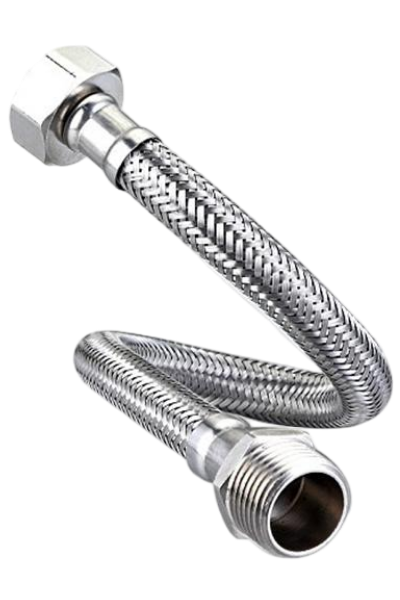
A high-quality stainless braided hose typically lasts between 5 to 15 years. Premium models can reach up to 20 years, while hoses subjected to demanding environments (like high heat, pressure, or constant vibration) may fail in less than 5 years. To ensure safety, experts recommend treating 5 to 8 years as a practical replacement checkpoint for critical lines.
Key Takeaways
- Average Lifespan: Most hoses last 5 to 15 years, with well-constructed hoses reaching 20 years under ideal conditions.
- Quality Matters: A robust inner core, tight braid density, and solid fittings dramatically extend service life.
- Inspect Regularly: Check your hose every 6 to 12 months and replace it at the first sign of fraying, bulging, or leaks.
Typical Lifespan of a Stainless Braided Hose

Average Service Life and Replacement Checkpoints
While manufacturers may offer warranties up to 10 years, the actual service life depends heavily on construction. Features such as a thick braided layer, a robust EPDM or PEX inner core, and well-machined fittings contribute to a longer lifespan. Consumers should view the 5-to-15-year range as a general reference; the actual duration depends on the installation environment and practical usage.
Lifespan Variations by Application and Environment
How a hose is used directly affects its durability. Studies show that washing machine hoses often fail after an average of 8.7 years. Hoses carrying hot water may develop bulges within a few years, while heavy-duty use in harsh environments can shorten lifespan to four years or less. In stable, dry environments—such as a standard kitchen hose setup with moderate pressure—a steel-braided hose is likely to last much longer.
Factors Affecting Stainless Braided Hose Durability
Core and Braid Construction Quality
The inner core determines the foundational service life. A robust polymer core offers superior resistance to heat, chemicals, and corrosion compared to cheap alternatives. Braid density is equally critical: a tight, well-structured braid distributes stress across multiple strands, whereas a loose braid forces individual wires to bear excessive loads. When sourcing in bulk, buyers should inquire about the number of reinforcement layers and the rated burst pressure. Leading manufacturers like GONGGONG can customize metal-braided hoses to meet specific pressure ratings, providing buyers with quantifiable metrics for verification.
Installation and Operating Conditions
Installation quality is one of the biggest factors. Correct sizing prevents excessive pressure, while sharp bends and kinks focus stress at one point, leading to early failure. The braid must stay away from sharp edges and moving parts, as rubbing wears through the outer wires quickly. Additionally, exposure to sunlight, salt, and constant vibration will steadily degrade the hose’s durability.
Maintenance Tips for Stainless Braided Hoses
Routine Inspection and Care
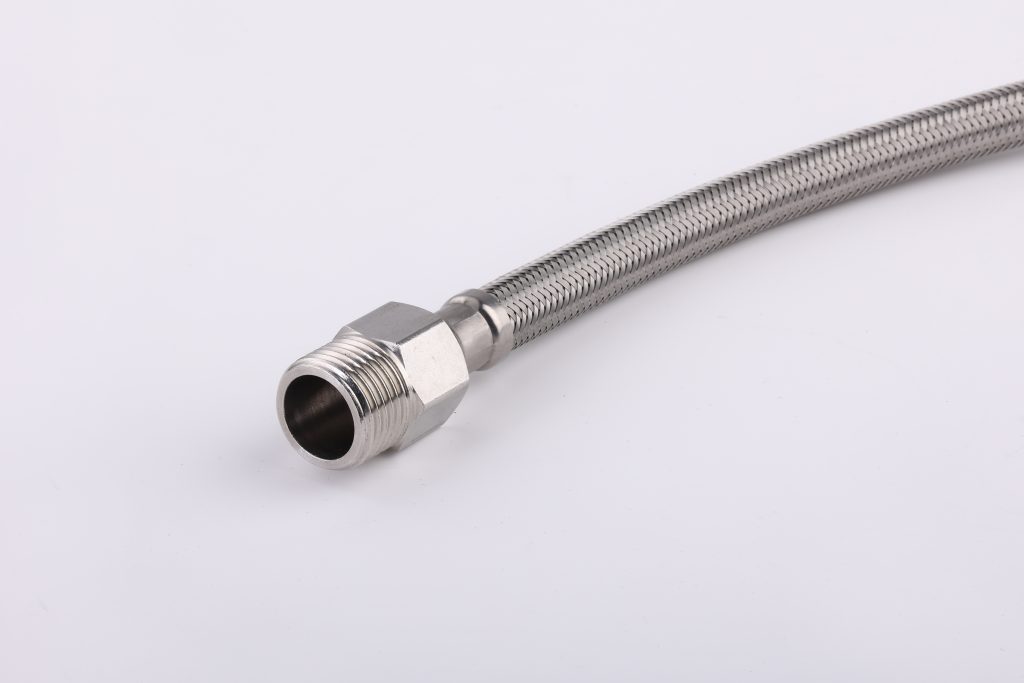
Regular maintenance makes a real difference. Owners should have hoses checked every six months to a year for fraying, bulging, or blisters. Any sign of wear and tear means replacement, not repair. Catching damage early stops small flaws from turning into catastrophic leaks. For hoses equipped with a quick connect hose fitting, check the O-rings and locking mechanisms during your inspection to ensure a secure, leak-proof seal.
FAQ
How often should a stainless braided hose be replaced?
Experts often suggest a 5 to 8-year checkpoint as a safety precaution. High-quality hoses can serve 10 to 15 years or more, but owners should replace any hose immediately at the first sign of wear.
What are the warning signs of a failing stainless braided hose?
Fraying, bulging, or blisters on the braid signal immediate danger. Leaks or corrosion at the fittings also call for replacement. Furthermore, if the hose remains rigid after soaking or feels overly stiff, the inner core may be degraded.
Does the steel braid alone protect the inner core?
No. The braid adds strength and abrasion resistance, but the inner core handles the pressure, heat, and chemicals. Braided metal hoses fail when either layer wears out, so both deserve careful inspection. For hoses used in bathroom settings, such as a flexible shower hose, checking the inner tube for kinks is just as important as checking the outer braid.