
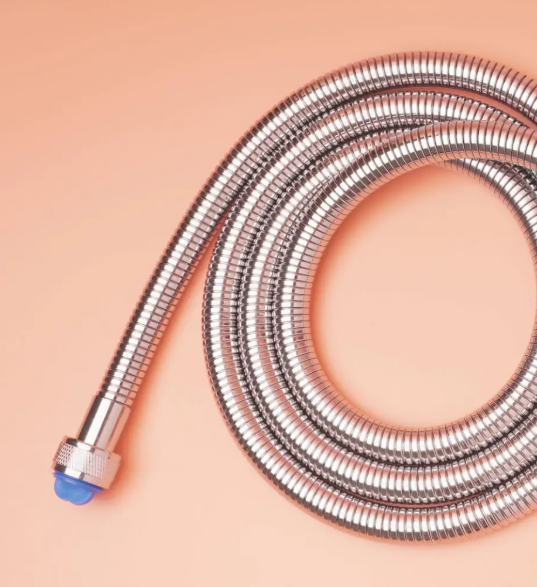
Stainless steel water pipes have a very long lifespan.
- Most pipes can last 70 to 100 years.
- With proper maintenance, grade 316 pipes can last even longer.
People like stainless steel water pipes because they are robust, durable, rust-resistant, and have a long lifespan. Many pipes can last over 50 years. This means less worry about leaks or water damage.
| Feature | Description |
|---|---|
| Durability | Can handle high pressure without breaking. |
| Corrosion Resistance | A special layer stops rust and stains. |
| Longevity | Pipes can last many years if cared for. |
Key Takeaways
- Stainless shower hose have a long lifespan. With proper maintenance, they can last 70 to 100 years. This helps reduce your worries about leaks and water damage.
- Choosing the right stainless steel grade is very important. Grade 316 stainless steel is the best choice for corrosion prevention and extended lifespan. It performs excellently even in harsh environments.
- Regular maintenance is essential. You should inspect and clean them annually. This prevents rust and leaks, ensuring your water supply lines operate safely and reliably.
What Are Stainless Steel Water Supply Lines?
Types and Common Uses
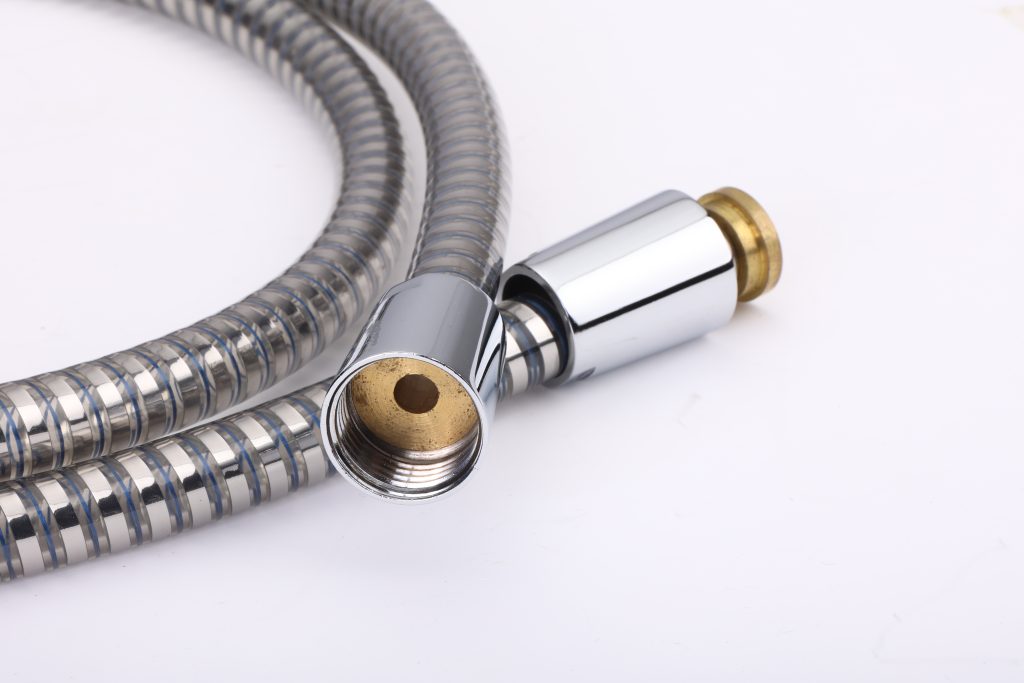
Stainless steel water supply lines are essential in both residential and commercial settings. They are used to connect showers, sinks, and bidets. They are also widely used in hospitals and cleanrooms. GONGGONG stainless steel shower hoses are suitable for bathrooms and kitchens. They are also used in cleaning systems. These lines deliver hot and cold water, helping to maintain the cleanliness and safety of drinking water.
Here are some common uses:
- Bathroom showers and faucets
- Kitchen sinks and dishwashers
- Bidets and utility sinks
- Water supply for hospitals and places with high hygiene standards
Stainless steel water supply lines come in various grades. Each grade is suitable for different uses or budgets.
Why Choose Stainless Steel?
Many people choose stainless steel because it is durable and ensures safe water quality. This material is resistant to rust and effectively prevents harmful substances from entering the water, giving families peace of mind when drinking clean water.
Let’s look at the main differences between different grades of stainless steel:
| Feature | 201 Stainless Steel | 304 Stainless Steel | 316 Stainless Steel |
|---|---|---|---|
| Molybdenum Content | No | No | Yes (around 2-3%) |
| Chloride Resistance | Poor | Good | Excellent |
| Pitting Resistance | Fair | Good | Excellent |
| Cost | Low | Standard | Higher |
| Common Use | Decorative, low-cost items | Food-grade, kitchenware | Medical, marine, harsh areas |
| Primary Advantage | Cost-effective | Reliable, corrosion-resistant | Superior corrosion resistance |
201 grade stainless steel is often used for simple and low-cost applications. 304 grade stainless steel is best suited for kitchens and bathrooms. 316 grade stainless steel is suitable for harsh environments such as coastal areas or hospitals.
Tip: Choosing the appropriate stainless steel grade helps extend the life of pipes and ensures safe water use.
Lifespan and Longevity of Stainless Steel Water Supply Lines
Average Lifespan by Grade (201, 304, 316)
The lifespan of stainless steel water supply pipes depends on their grade. Each grade has different strength and rust resistance. Here is a simplified table of lifespans for some common pipe types:
Grade 201 pipes have a lifespan of approximately 10 to 20 years. Grade 304 pipes can last 50 to 80 years under ideal conditions. Grade 316 pipes can last over 100 years under optimal conditions. However, hoses should be replaced every 5 to 7 years. This helps prevent leaks and ensures safety. Stainless steel braided water supply pipes have a long lifespan. They are a good choice for those who want to reduce concerns about leaks.
Factors Affecting Longevity (Installation, Water Quality, Maintenance)
Many factors affect the lifespan of these water supply pipes. Among the most important are installation, water quality, and maintenance.
Installation
Good installation is very important for these water lines. Here are some tips:
- Pick pipes with more alloy for tough places.
- Use the right joints to keep pipes strong.
- Install them well and check them often.
A good job stops rust and stress on the pipes. This makes the pipes last longer and helps stop leaks. How you install the pipes matters as much as what they are made of.
Water Quality
Water quality can change how long pipes last. Hard water has lots of minerals and can cause problems.
Hard water has a lot of minerals like calcium and magnesium. These minerals can build up inside pipes. This buildup can block water and cause rust. It can also make clogs, lower water pressure, and even cause leaks. All of this can make the pipes not last as long.
If water has a lot of chlorine or chemicals, it can make pipes rust faster. Checking water and treating it can help protect the pipes.
Maintenance
Proper maintenance helps extend the lifespan of pipes. Cleaning and using protective coatings are both beneficial. Regularly inspecting the pipes helps detect problems early. This allows for timely repairs before leaks worsen.
- Maintenance prevents rust, leaks, and damage.
- Cleaning and coating help extend the lifespan of pipes.
- Regularly inspecting the pipes prevents scale buildup and avoids pipe damage.
- Troubleshooting small problems early keeps pipes strong and durable.
Signs Replacement Is Needed
Knowing when your water pipes need replacing is crucial. Here are some signs that indicate they need replacing:
- Rust or discoloration on the pipes
- Broken or worn stainless steel wires
- Swelling or bubbling in the hoses
- Leaks or water accumulation near connections
Plumbers recommend that all your pipes be inspected annually. Annual inspections help detect problems early and prevent leaks or damage. Replacing old pipes promptly is also important. This helps prevent leaks and saves on repair costs.
| Cause of Failure | Description |
|---|---|
| Free Iron Contamination | Iron from tools or fixtures can stick and cause rust. |
| Improper Material Handling | Rough handling can hurt the protective layer and let in dirt. |
| Inadequate Process Control | Bad work during making can cause problems and early failure. |
How long stainless steel braided water lines last depends on many things. Good installation, regular care, and clean water help them last for years. Always fix leaks fast and change pipes when you see warning signs. This keeps your water safe and your home protected.
Advantages of Stainless Steel Braided Water Lines
Durability and Corrosion Resistance
Stainless steel braided water pipes offer numerous advantages for homes and businesses. They are robust, durable, and rust-resistant. These water supply pipes can be bent without breaking, making them easy to install in confined spaces. The braided layers prevent the hose from twisting and ensure smooth water flow. Many people choose this type of pipe because they are more durable than PVC or copper pipes. Insurance companies also prefer them because they help prevent leaks and flood damage.
| Advantage | Stainless Steel Braided Water Lines | PVC/Copper |
|---|---|---|
| Durability | Very strong and do not break or kink easily | Not as strong, can crack (PVC) or rust (copper) |
| Flexibility | Bend easily, simple to install around corners | Harder to bend, tough to use in small spaces |
| Corrosion Resistance | Do not rust easily | Can rust (copper) or wear out (PVC) |
| Risk of Leaks | Less likely to leak or burst | More likely to leak or break |
These water lines can handle high water pressure. They do not swell or split like rubber hoses. The smooth surface keeps germs away, so they are safe for drinking water.
Maintenance Tips for Maximum Longevity
Taking care of stainless steel braided water lines helps them last longer. People should check the lines often for any damage or wear. Cleaning the hoses gets rid of dirt that could make them rust. Using oil or grease keeps the lines working well. Store hoses in boxes that keep out water and lift them off the ground. Plastic bins or wooden boxes are good choices. Do not use cardboard if the area is wet.
Tip: Taking care of your supply lines helps them last longer and stay strong.
When to Replace for Safety
Changing old supply lines is important for safety. Experts say to get new braided stainless steel lines every 5 to 7 years, even if they look okay. Some rules say to change them every 10 years. This stops hidden problems and keeps leaks from starting. Picking good supply lines from brands you trust helps protect your home and saves money on repairs.
Stainless steel water supply lines can last many years if you pick the right grade and take care of them. Checking them often and replacing them quickly helps stop leaks. How long they last depends on how well they are put in, the water quality, and how you care for them. People who use good braided lines get stronger pipes, less rust, and feel safer.
FAQ
How often should stainless steel water pipes be checked for leaks?
You should check your stainless steel water pipes annually. Regular checks help detect problems before leaks worsen, ensuring water flows safely within the pipes.
What are the advantages of stainless steel water pipes compared to other types of pipes?
Stainless steel water pipes have a longer lifespan than most other types of pipes. They are less prone to rust and help maintain water quality. Many people choose stainless steel water pipes because they trust their superior performance.
Does water quality affect the lifespan of stainless steel water pipes?
Yes, water quality does affect the lifespan of pipes. Hard water or chemicals can accelerate rust formation. Proper pipe maintenance and the use of clean water help extend their lifespan.