
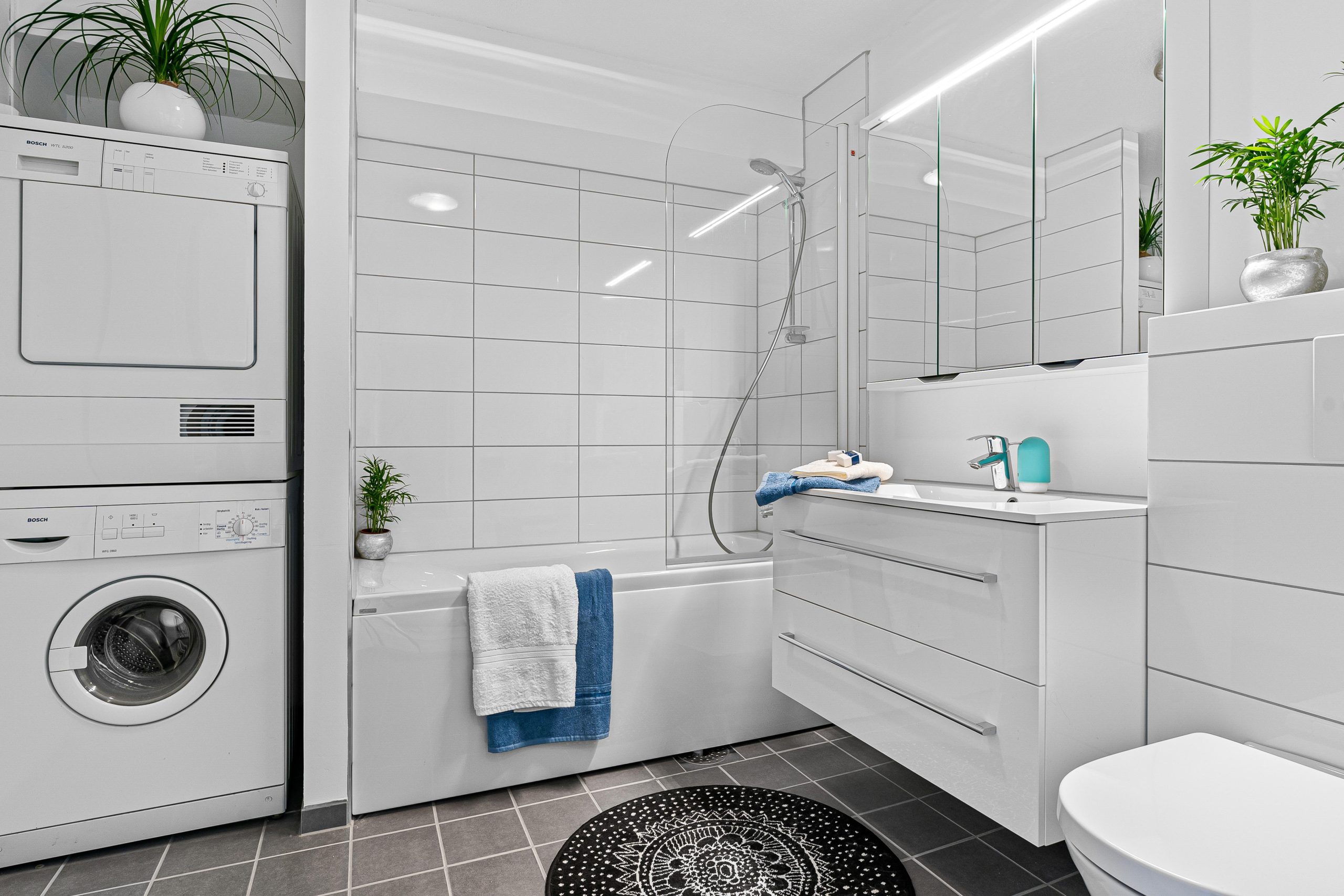
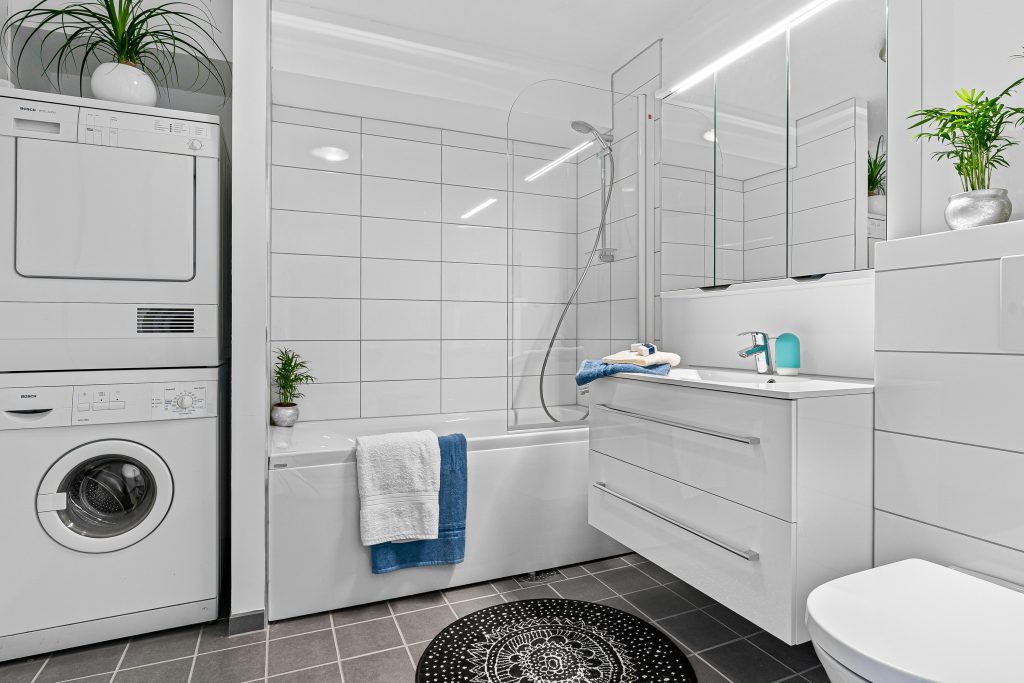
Most braided washing machine supply hoses have a lifespan of 10 to 15 years. Among them, stainless steel hoses offer the longest service life; nylon hoses last approximately 10 years; while rubber hoses require more frequent replacement. You should inspect your hoses regularly, watch for any potential hazards, and replace them before they burst.
Key Takeaways
- Braided washing machine supply hoses typically last between 10 and 15 years. Stainless steel hoses are the most robust and durable option available. Inspect your hoses regularly for signs of leaks, cracks, or bulges. Doing so helps prevent water damage incidents and ensures the safety of your home. It is recommended that you replace your washing machine hoses every 3 to 5 years. Even if the hoses appear to be in perfect condition on the surface, they should still be replaced on schedule to prevent sudden failure. When purchasing, prioritize certified hoses from trusted brands—such as GONGGONG—and be careful not to overtighten them during installation. These practices will help extend the lifespan of your washing machine hoses.
Lifespan of Braided Washing Machine Lines
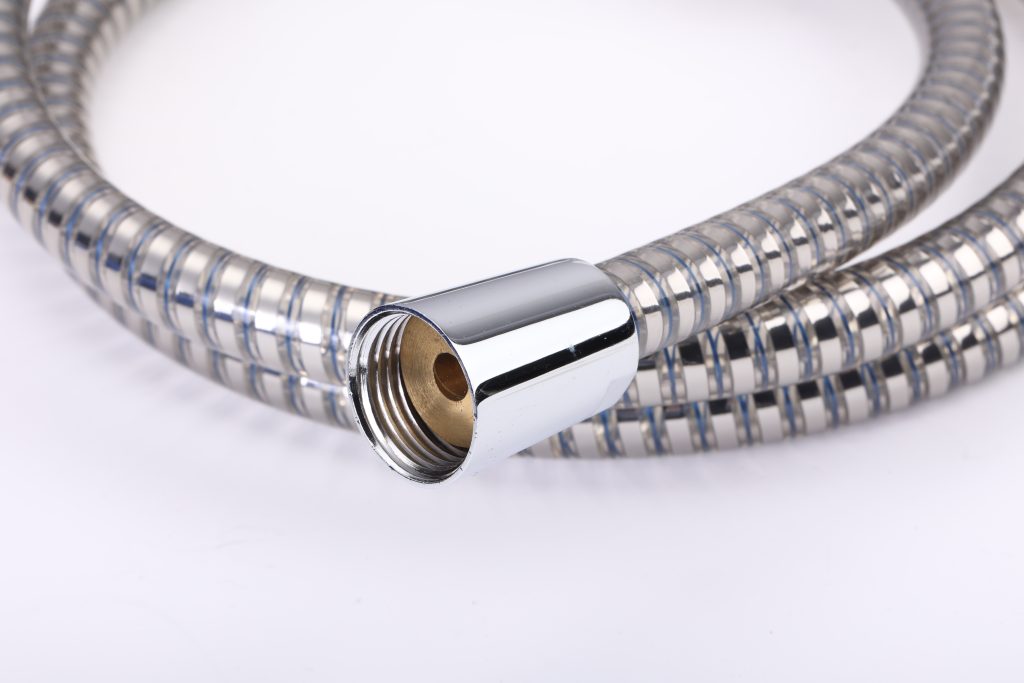
When shopping for washing machine supply hoses, you naturally want a product that will stand the test of time. A hose’s lifespan depends on its material and how it is used on a daily basis. Let’s take a look at how long some of the most common types of hoses typically last.
Stainless Steel Braided Lines
Stainless steel is the preferred material for braided washing machine supply hoses. These hoses typically have a lifespan ranging from 8 to 15 years. Most manufacturers provide a guideline of approximately 8 to 10 years, though with proper care and maintenance, they can last as long as 15 years. Stainless steel hoses offer excellent pressure resistance and are suitable for conveying both cold and hot water. Furthermore, they are highly resistant to rust.
Sometimes, leaks happen at the supply line or fittings. This can be from putting the hose on wrong or if the inside tube gets old. Look for tiny leaks, splits, or cracks at the ends. GONGGONG makes stainless steel braided hoses that meet high standards. Their hoses do not rust and last longer, so you can feel safe.
Tip: Change your stainless steel hoses every 10 years, even if they look okay. This helps stop leaks before they start.
Nylon and Polymer Braided Lines
Nylon and polymer braided hoses are also an excellent choice for washing machine inlet hoses. These types of hoses typically have a service life of approximately 10 years. They are highly flexible and easy to install. Nylon hoses are suitable for medium-pressure environments and can withstand temperatures ranging from -40°C to 120°C. While they offer resistance to weak acids and certain cleaning agents, their overall corrosion resistance is not as robust as that of stainless steel materials.
Below is a brief comparison:
| Features | Stainless Steel Braided Hose | Nylon Braided Hose |
|---|---|---|
| Pressure | Very High (over 1000 PSI) | Medium (200-500 PSI) |
| Temperature Range | -60°C to +260°C | -40°C to +120°C |
| Corrosion Resistance | Very Strong | Good |
GONGGONG makes nylon and polymer braided hoses that are strong and bendy. These hoses are good if you want something light and easy to use.
Rubber Hoses vs. Braided Lines
Rubber hoses were the earliest type of washing machine inlet hose to appear on the market. Although they are relatively inexpensive, their service life typically falls short of that of braided hoses. Most rubber hoses have a lifespan of only 3 to 5 years. They may fail prematurely if exposed to prolonged excessive heat, subjected to high water pressure, or brought into contact with sharp objects. Common failure modes include cuts or cracks in the hose body, as well as corrosion at the connectors.
Braided washing machine inlet hoses boast a service life far exceeding that of rubber hoses. Furthermore, they demonstrate superior performance in preventing leaks and bursts. GONGGONG brand braided hoses are manufactured using high-strength materials and undergo rigorous testing, thereby offering you enhanced safety and a longer service life.
Note: If you still use rubber hoses, think about switching to braided lines for better safety.
Additionally, you may encounter plastic hoses and quick-connect hoses. Plastic hoses are lightweight and easy to install, but their service life is limited to 5 to 7 years. Quick-connect hoses offer both convenient and secure installation, though their specific service life depends on the materials used in their construction.
When purchasing washing machine inlet hoses, be sure to select certified products from trusted brands, such as GONGGONG. Doing so helps ensure the safety of your home and guarantees the proper operation of your washing machine.
Factors Impacting Braided Washing Machine Lines Lifespan
Many things can change how long braided washing machine lines last. Knowing these things helps you make better choices.
Water Quality
Water quality plays a critical role in determining a hose’s service life. Hard water can lead to the accumulation of limescale deposits at the brass connectors. These deposits not only restrict water flow but also cause internal water pressure to rise. Excessive water pressure can result in cracked or even fractured connectors. Furthermore, acidic water conditions can accelerate the leaching of zinc from the brass material, thereby compromising the structural integrity of the connectors.
Installation Quality
How you install your hoses affects how long they last. Good installation keeps hoses safe and stops leaks. This helps hoses last longer. Bad installation can make hoses wear out fast. It can also cause leaks, no matter what the hose is made of. If you tighten the connections too much, you can hurt the threads. This can also damage the washing machine or water valve. These weak spots can leak. If you do not tighten enough, the hose can move and shake. This can make it come loose or leak. Hoses that are too small or bent can get damaged. Bending a hose too much or forcing it into a small space is bad. This can block water and put stress on the hose. The hose will wear out faster.
When installing a hose, it is imperative to strictly adhere to the accompanying instructions. GONGGONG hoses feature exceptional flexibility and are easy to install, helping to effectively prevent kinking or excessive bending.
Frequency of Use
If a washing machine is used frequently, the rate at which its connecting hoses wear out will accelerate accordingly. High water pressure and frequent wash cycles place a greater strain on the hoses. Therefore, if you wash laundry frequently, it is recommended that you increase the frequency with which you inspect the hoses.
Material and Brand
The material and brand of a hose are of paramount importance. Stainless steel hoses offer a longer service life and are resistant to rust. Rubber hoses, on the other hand, may develop cracks and leaks as they age. The GONGGONG brand utilizes robust and durable materials, subjecting every single hose to rigorous testing. Their hoses are specifically engineered for longevity and durability, capable of withstanding a wide range of demanding operating environments.
The table below lists the primary factors that influence a hose’s service life:
| Factor | Description |
|---|---|
| Age | Hoses older than five years break more often. Most hoses break before eight years. |
| Materials | Rubber hoses get weak over time and can burst. |
| Installation Errors | Kinks or bad connections can hurt hoses and cause leaks. |
| Manufacturing Defects | Cracks or blockages from the factory can make hoses fail early. |
You can help your hoses last longer by picking good products and installing them the right way.
When to Replace Braided Washing Machine Lines
Knowing when to replace your braided washing machine lines helps you avoid leaks and water damage. You should not wait for a problem to appear. Look for these signs and follow expert advice to keep your laundry area safe.
Visible Wear or Fraying
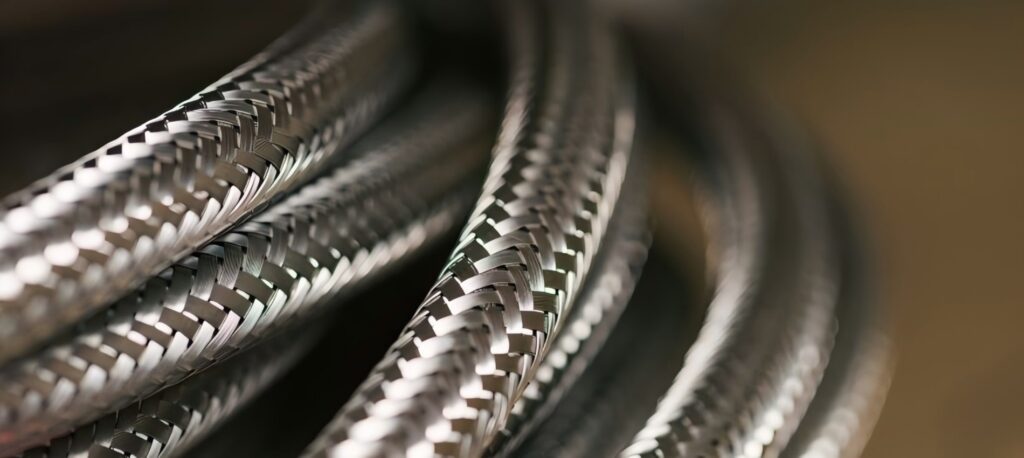
Check your hoses for any visible wear. If you see fraying, cracks, or blisters on the outer layer, it means the hose is getting weak. Sometimes, the steel braid may look worn or have broken wires. These changes show the hose cannot handle pressure well anymore. Replace the hose right away if you notice these problems.
Tip: Even small cracks or brittle spots can lead to sudden failure. Do not ignore them.
Leaks and Moisture
Leaks often begin in subtle ways. You may notice water droplets accumulating at the hose connections or along the body of the hose itself. Additionally, you might observe standing water or dampness beneath or behind the washing machine. Aging hoses frequently develop leaks due to deformation under pressure (compression) or material corrosion—a problem particularly common with stainless steel hoses exposed to poor water quality (such as hard water) over extended periods. If you discover any leaks or traces of moisture, replace the hose immediately.
Bulges, Kinks, or Rust
If a hose exhibits localized bulging or swelling, it indicates that the internal rubber lining structure has failed. Kinks or flattened sections in the hose can obstruct water flow and compromise the hose’s structural integrity. Rust on the braided exterior serves as a warning sign that the metal components are aging and deteriorating. These issues can cause the hose to burst suddenly and without warning. Inspect your hoses regularly for these signs of damage to ensure the safety of your home.
Age of the Hose
Even if a hose appears outwardly intact, its age remains a critical factor. Most experts recommend replacing washing machine hoses every 3 to 5 years. After five years of use, the risk of failure increases—even for braided hoses—because the inner lining may be wearing thin in areas invisible to the naked eye. Be sure to follow these guidelines:
- Replace hoses every 3 to 5 years.
- Replace a hose immediately if you discover any signs of damage.
- Never wait until a leak or burst occurs before taking action.
Compared to braided hoses, standard rubber hoses typically require more frequent replacement. Adhering strictly to a regular replacement schedule is an effective way to protect your home from water damage.
Extend Lifespan of Braided Washing Machine Lines
By taking a few simple measures, you can effectively extend the service life of your washing machine hoses. These steps not only prevent leaks but also save you money on repair costs. GONGGONG hoses have obtained multiple certifications, including WRAS, ACS, and KTW/W270. These certifications indicate that the hoses meet drinking water safety standards, allowing you to use them with complete peace of mind.
Regular Inspection
Check your hoses often. Look for bulges, cracks, rust, or broken steel braiding. Check hoses every month for leaks or damage. Watch the connection points for wet spots. Change hoses if you see water drops, rust, or bulges. Write down when you put in each hose and when to replace it. Turn off the water if you leave home for a long time.
Tip: Checking your hoses often helps you find problems early and stop them from getting worse.
Proper Installation
Please exercise extreme care when installing the hoses. Never bend, twist, or knot them. When installing, leave a little slack to ensure the hose is not under tension. Select a hose size that is appropriate for your installation space. GONGGONG hoses are highly flexible and easy to install; they are suitable for use in confined spaces while remaining robust and durable. When installing the hoses, please strictly follow the guidelines provided in the product manual.
| Evidence Description | Impact on Hose Life |
|---|---|
| Certified stainless steel braided hoses help prevent damage from leaks in the home. | Lowers the chance of big leaks and helps hoses last longer. |
| Quality braided hoses should have certifications such as WRAS, ACS, KTW/W270, etc. | Makes sure the hose is safe for water and lasts longer. |
| Choosing certified hoses from reputable brands reduces the risk of leaks. | Helps hoses last longer because they are made well. |
| Regularly inspecting hoses helps prevent leaks and water quality problems. | Finds problems early, stops leaks, and makes hoses last longer. |
Avoid Over-Tightening
Never overtighten the connections. Applying excessive force during tightening can damage the threads or fittings. This not only risks causing leaks but also compromises the structural integrity of the hose. When tightening the hose, stop as soon as it feels snug; never force it. Whenever you inspect the hose, take a moment to check the fittings for any signs of damage.
Proactive Replacement
It is recommended that you replace your hoses every 3 to 5 years, even if they appear to be in perfect condition. Proactively replacing a hose *before* it ruptures is an effective way to protect your home from water damage. Investing in new hoses now can save you money in the long run. Brand-new stainless steel hoses not only safeguard your home but also help minimize future repair costs.
- Regularly inspecting and replacing your hoses is an effective way to prevent water damage and avoid costly repairs.
- Replacing your hoses in advance ensures that your floors, walls, and personal belongings remain safe from water damage.
Note: Using certified hoses from trusted brands like GONGGONG helps hoses last longer and keeps your home safe.
You can count on good braided stainless steel washing machine lines to last 8 to 12 years.
If you check your hoses often and change them on time, you can stop leaks and save money on repairs.
- Look at your hoses for cracks, bulges, or color changes.
- Get new hoses every five years, even if they look okay.
Choosing certified hoses—like those from GONGGONG—helps ensure the safety of your home. Durable, burst-resistant hoses provide robust protection for your laundry room. Take a few minutes today to inspect and upgrade your washing machine supply hoses for complete peace of mind.
FAQ
How often should I inspect my washing machine hoses?
You should inspect the hoses once a month. Check for any leaks, bulges, or signs of rust. Early inspection helps you detect and resolve issues before they cause water damage.
Can braided hoses be used for both hot and cold water?
Yes, braided hoses can be used for both hot and cold water. Stainless steel braided hoses are suitable for all water temperatures.
What certifications should I look for when purchasing braided hoses?
Look for certifications such as WRAS, ACS, or KTW/W270. These certifications indicate that the hoses are suitable for use with potable water and meet high quality standards.
What should I do if I discover a leaking hose?
Immediately shut off the water supply. Replace the hose as soon as possible. Do not use the washing machine until the issue has been resolved.