
Braided hoses should be replaced every 5 to 10 years, or sooner if signs of wear appear. A burst hose can lead to costly water damage, and insurance companies may deny claims if the issue stems from a lack of maintenance. This guide outlines the factors affecting hose lifespan, warning signs, inspection steps, and replacement guidance. Manufacturer instructions and local plumbing codes always take priority.
Key Takeaways
- Replace braided hoses every 5 to 10 years under normal conditions.
- In demanding conditions—high temperature, high pressure, harsh water chemistry, continuous use—consider 3 to 5 years.
- Inspect accessible hoses monthly; do a deeper annual check.
- Replace immediately if you see bulging, soft spots, frayed braid, kinks, rust, discoloration, hardening, drips, or mineral scale.
- The Association of British Insurers (ABI) recommends annual inspections and replacement after 10 years of use. Some UK insurers may deny claims for incidents caused by hoses older than 10 years.
- Record the installation date and product certification. Use certified hoses and avoid overtightening.
What Are Braided Hoses?
Braided hoses are flexible water supply lines used to connect fixtures and appliances to the main water supply. Common applications include toilets, faucets, water heaters, washing machines, dishwashers, HVAC systems, and whole-house water filtration systems.
Their structure typically includes:
- An inner tube made from EPDM, PEX, or PTFE, depending on hot/cold water and chemical resistance needs.
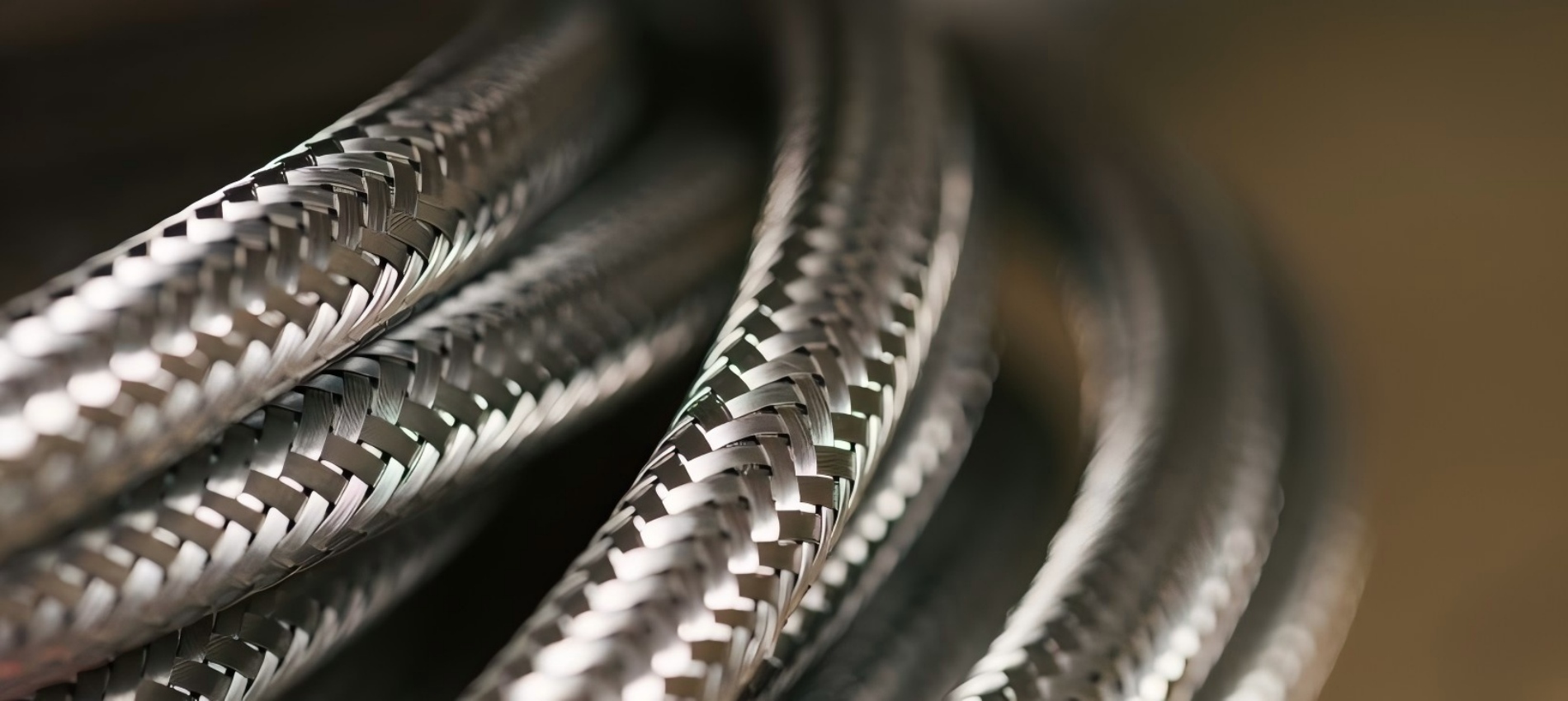
- A reinforcing braid, usually stainless steel, that resists pressure expansion and bursting.
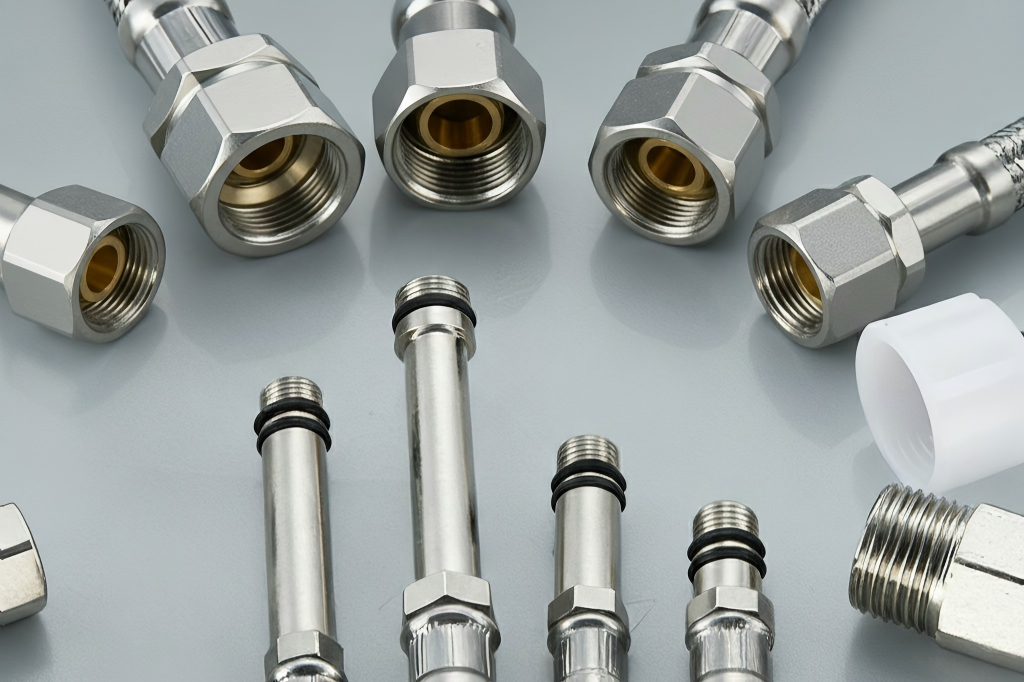
- End fittings that must match the thread, diameter, and pressure rating of the fixture.
Not all braided hoses are rated for hot water. Check the manufacturer’s temperature and pressure ratings before installation.
Common Types of Flexible Supply Hoses
Braided hoses are not the only flexible supply option. Depending on the fixture and local code, you may also encounter Stainless Braided Hose, Nylon Braided Hose, Plastic Flexible Hose, and Quick-Connect Hose.
- Stainless Braided Hose remains the most common choice for toilets, faucets, and appliances because it handles higher pressure and resists rust well.
- Nylon Braided Hose is lightweight and often used in low-pressure or automotive applications.
- Plastic Flexible Hose is a lower-cost option for some cold-water connections, though it may not last as long under high pressure or heat.
- Quick-Connect Hose is designed for tool-free installation and is common in modern appliance setups.
Whichever type you choose, match it to the fixture’s temperature, pressure, and local plumbing code requirements.
How Long Do Braided Hoses Last?
Several factors affect lifespan:
- Water pressure: Higher pressure stresses the inner tube and crimp connections.
- Temperature: Hot-water lines and temperature fluctuations accelerate wear.
- Water chemistry: Chloramine, soft water, and corrosive compounds can degrade some inner tubes and braid.
- Installation quality: Sharp bends, friction, and overtightening create stress points.
- Vibration and use: Appliances that vibrate or cycle frequently wear hoses faster.
- Accessibility: Hoses behind appliances may go unchecked longer.
| Operating Condition | Recommended Replacement Interval |
|---|---|
| Standard conditions, properly maintained | 5 to 10 years |
| Demanding conditions: high temperature, harsh chemicals, high pressure, continuous use | 3 to 5 years |
| Visible wear: fraying, cracks, leaks, bulging | Replace immediately, regardless of age |
| Whole-house filtration or specialty systems | Follow the manufacturer’s interval; often shorter than 5–10 years |
The 5-to-10-year range is general industry guidance, not a legal requirement. Always check the hose manufacturer’s instructions.
Signs of Wear in Braided Hoses
Inspect hoses before a leak starts. Check the parts you can see and feel for soft spots or bulges.
| Visible Sign | What It Means |
|---|---|
| Bulging or soft spots | Hose is near failure; replace immediately |
| Frayed stainless braid | Reinforcement is damaged; replace immediately |
| Kink marks or flat spots | Repeated bending under pressure has weakened the hose |
| Stiffness or rough surface | Material is breaking down; plan replacement |
| Rust, discoloration, or corrosion | Braid or fittings are deteriorating |
| Drips, mineral scale, or moisture at connections | Seal or fitting may be failing |
| Blistering on outer layer | Potential early leak risk |
If a hose feels stiff or rough, replace it at the next maintenance check. If it is more than five years old or shows any sign of wear, have a licensed plumber inspect it.
Inspection Checklist
Monthly visual check: Look at accessible hoses under sinks, behind toilets, and near appliances. Feel for soft spots or bulges. Check for drips.
Annual deeper check: Inspect the full hose, connections, braid, and inner tube condition. Confirm the hose is within its rated pressure and temperature limits.
| Inspection Criterion | Acceptable | Failing |
|---|---|---|
| Connection to fittings | Dry, no deposits | Drips, mineral scale, moisture |
| Age | Under 10 years; under 5 years in hard water or high-risk areas | Over age limit regardless of appearance |
| Braid corrosion | Intact, no corrosion | Corroded or broken strands |
| Inner tube fatigue | Smooth, flexible | Stiff, bulging, rough |
| Installation | Gentle bends, no friction | Sharp kinks, rubbing, overtightened |
Installation tip: Overtightening is a common mistake. Use the “hand-tighten, then a quarter-turn with a wrench” method unless the manufacturer specifies otherwise. Use new washers where required.
Record keeping template:
| Item | Record |
|---|---|
| Installation date | |
| Brand / model | |
| Certification number | |
| Location | |
| Next inspection date | |
| Next replacement date |
Write down the installation date, brand, model, and certification number. This helps you follow the replacement schedule and can support insurance claims.
Burst Risks and Insurance
A burst braided hose can cause flooding, mold growth, and structural damage. Restoration industry estimates for emergency water removal, drying, flooring, drywall, cabinetry, and mold remediation can range from several thousand to tens of thousands of dollars, depending on the extent and region.
Insurance companies consider maintenance history when processing claims. If a hose bursts due to neglect or lack of maintenance, the insurer may deny the claim. The ABI recommends annual inspections and replacement after ten years of use. Some UK insurers may deny claims for incidents caused by hoses older than ten years.
For high-risk areas—second-floor bathrooms, kitchens, laundry rooms—replacing hoses every five to seven years can reduce risk. Keep a record of replacement dates and product certifications, such as WRAS approval where applicable.
When to Call a Licensed Plumber
Contact a licensed plumber if:
- The hose is more than five years old and you are unsure of its condition.
- You see any sign of wear, leak, rust, or corrosion.
- The hose is behind a washing machine, dishwasher, water heater, or in a hard-to-reach area.
- You are installing a whole-house filtration system or replacing multiple fixtures.
- You notice persistent vibration, water pressure changes, or unexplained moisture.
A plumber can inspect hidden connections, check pressure, and replace hoses without damaging fittings.
How to Choose Replacement Braided Hoses

Look for hoses that match:
- Length and diameter: Avoid stretching or sharp bends.
- Thread type: Match the fixture connection.
- Pressure rating: Meet or exceed your home’s water pressure.
- Temperature rating: Use hot-water-rated hoses for hot lines.
- Inner tube material: EPDM or PEX for general hot/cold water; PTFE for chemical resistance.
- Certifications: Depending on your region, look for WRAS, NSF/ANSI 61, IAPMO/UPC, WaterMark, ACS, or KTW/W270.
How to read certifications:
| Certification / Mark | What It Generally Means | What to Check |
|---|---|---|
| WRAS | UK water fittings approval | Confirm the exact product and scope |
| NSF/ANSI 61 | Drinking water system components | Check material and application |
| IAPMO/UPC | Plumbing code compliance in many US jurisdictions | Confirm local adoption |
| WaterMark | Australian plumbing product certification | Check product category |
| ACS | French sanitary approval | Confirm fitting and material |
| KTW/W270 | German drinking water contact standards | Check temperature and use |
| ISO 9001 | Quality management system certification | Not a product safety certification |
| CE | EU marking | Not a universal plumbing product approval |
Some manufacturers, such as GONGGONG, publish certifications for specific product lines. Verify the exact SKU, certification scope, and local code acceptance before buying.
FAQ
Can I repair a leaking braided hose instead of replacing it?
No. A leaking hose indicates internal damage. Replacement costs less than repairing water damage. Replace it immediately.
Do braided hoses have an expiration date printed on them?
Most manufacturers do not print dates. Write down the installation date and follow the 5-to-10-year replacement rule, or the manufacturer’s shorter interval.
Are stainless steel braided hoses better than standard rubber hoses?
They generally resist higher pressure and rust better. However, correct material rating, certification, and installation matter more than the braid alone.
How often should I inspect braided hoses?
Check accessible hoses monthly. Do a deeper annual inspection. Have a licensed plumber inspect hoses older than five years or any hose showing wear.
Are all braided hoses suitable for hot water?
No. Check the temperature rating. Hot-water lines require a hose rated for the expected temperature and pressure.
Do I need a plumber to replace a braided hose?
If you are comfortable and the connection is accessible, you may replace it yourself using the manufacturer’s instructions. For hidden, older, or damaged hoses, or if you are unsure, use a licensed plumber.