


Experts recommend spraying your showerhead and hose with vinegar weekly. Perform a deep clean monthly. Disassemble and descale every three months. Regular cleaning removes bacteria, mold, and germs. Studies show that harmful pathogens can thrive where grime builds up in your showerhead.
Key Takeaways
- Clean your showerhead weekly with vinegar. This prevents bacteria and mineral buildup, ensures safe water use, and helps water flow smoothly.
- Deep clean your showerhead monthly by soaking it in vinegar or baking soda. This removes stubborn grime and helps keep it clean.
- Disassemble and remove limescale from your showerhead and hose every three months. Deep cleaning helps extend their lifespan and ensures safe use.
Cleaning Frequency for Shower Heads
Weekly Maintenance
Cleaning your shower head every week stops bacteria and minerals. Experts say to spray or wipe it with white vinegar. This keeps limescale away and helps water flow well. The table below shows which cleaners work best for weekly use:
| Cleaning Solution | Effectiveness | Cost | Safety Level | Time Required |
|---|---|---|---|---|
| White Vinegar | High | Low (<$5) | High (non-toxic) | 1-4 hours (soak) |
| Baking Soda Paste | Medium | Low (<$2) | Very High | 30-60 minutes |
| Dish Soap | Low | Low (<$5) | Very High | 15-30 minutes |
| Commercial Cleaners | Varies | Med-High | Varies | 15-30 minutes |
White vinegar is popular due to its effective cleaning properties and low price. For cleaning, simply spray or soak the shower head with white vinegar, then rinse thoroughly with water. GONGGONG shower head hoses are perfect for this task, their robust material allowing them to withstand frequent cleaning.
Monthly Deep Cleaning
A deep clean once a month can remove stubborn grime. Experts recommend soaking the shower head in a vinegar or baking soda solution for an hour to break down limescale and kill bacteria. HSG 274 Part II recommends monthly cleaning to ensure safe water quality.
When performing a monthly clean, if possible, remove the shower head. Place it in a bowl of vinegar or wrap it in a bag. After soaking, scrub with a soft brush. Rinse thoroughly and then reinstall it. GONGGONG hoses make cleaning easy and convenient, with a connection that allows for quick disassembly and reassembly.
Here’s a simple cleaning schedule:
| Frequency | Action |
|---|---|
| Weekly | Spray with vinegar and wipe down. |
| Monthly | Soak and scrub to remove buildup. |
| Quarterly | Dismantle and descale all parts. |
Quarterly Dismantling
Every three months, you need to perform a deep cleaning. Remove the shower head and hose for cleaning and descaling. Industry standards recommend following these steps:
- Remove the shower head and hose.
- Clean and descale each component, for up to two hours each time.
- Document the position and condition of each component before, during, and after cleaning.
- Take photos of the cleaning and reassembly.
- Record the cleaning date and the cleaning personnel.
This helps comply with water hygiene rules and prevents limescale buildup. For a thorough cleaning, remove all components and soak them in vinegar. Scrub away all buildup. Before use, let water flow through the system for five minutes. GONGGONG shower head hoses are easy to clean. Their design allows for easy removal and installation of components.
Following these steps ensures your shower head always stays in good working order. Regular cleaning is not only good for your health but also extends the life of your shower head and hose.
Why Regular Cleaning Shower Heads and Hoses Matters
Health Risks
Cleaning shower heads and hoses often is important for health. If you do not clean them, bacteria can grow inside. This makes showers less safe for everyone. Many studies show dirty shower heads can have harmful germs. The table below lists some bacteria found in these places:
| Pathogen | Source | Study Reference |
|---|---|---|
| Acinetobacter junii | Faucet aerators, sink faucets | Kappstein et al. (2000) |
| Sphingomonas paucimobilis | Catheters (showering) | Perola et al. (2002) |
| Burkholderia cepacia | Antiseptics, clinical solutions | Nasser et al. (2004) |
| Legionella spp. | Various sources | Noted as a significant pathogen in water systems. |
| Pseudomonas spp. | Various sources | Commonly found in water systems and associated with infections. |
Legionella bacteria grow in warm water that does not move. When you turn on the shower, these germs can get in the air. People can breathe them in and get very sick. Checking water safety helps stop infections. Cleaning often stops legionella and keeps things safe.
Preventing Mineral Build-Up
Minerals can build up when hard water goes through shower heads. These minerals are calcium and magnesium. They can block water and give legionella a place to grow. Experts say cleaning often removes these minerals. This keeps shower heads working well. You should clean your shower head at least once a month. If your water is very hard, clean more often.
Tip: Deep cleaning every few months gets rid of tough minerals and lowers the risk from legionella bacteria.
Cleaning well stops minerals, helps water flow, and keeps people safe. It also helps check water safety and keeps risk low for everyone at home.
Cleaning Methods for Shower Heads and Hoses
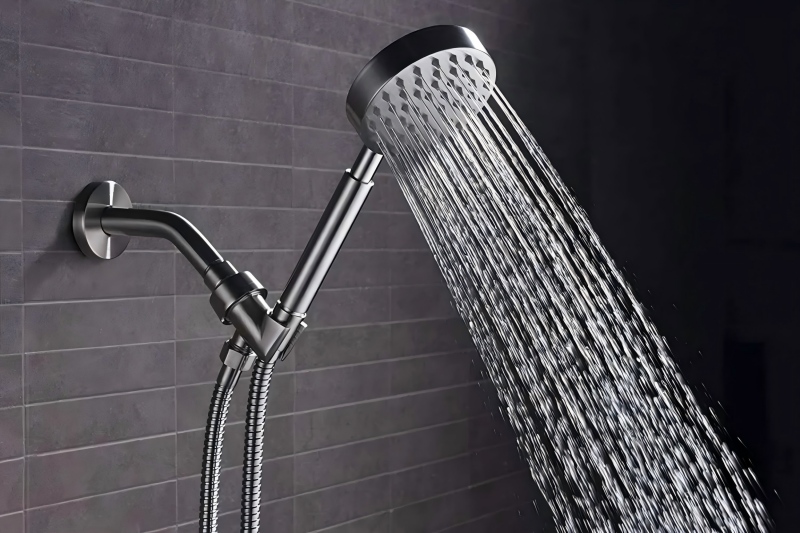
Step-by-Step Guide
Cleaning your shower head and hose helps keep your water safe and fresh. Professionals recommend following these steps for best results:
- Remove the shower hose from the shower head. This makes cleaning easier.
- Soak the hose in a bucket of equal parts vinegar and warm water for at least 30 minutes.
- Mix baking soda with water to make a paste. Use this paste to scrub stubborn stains.
- Rinse the hose thoroughly with warm water to remove all cleaning agent residue.
- Gently scrub any stubborn stains with a soft-bristled brush or toothbrush.
- Check the hose for any remaining dirt. Repeat cleaning if necessary.
- Dry the hose with a soft, absorbent cloth.
- Reinstall the hose and check for leaks.
Tip: Avoid using steel wool or a hard-bristled brush. These can scratch the hose surface.
GONGGONG shower head hoses are known for their ease of cleaning. Their tangle-free and flexible design allows users to quickly remove and reinstall them. The smooth surface makes it less likely for dirt to accumulate, making each cleaning process quicker.
| Feature | GONGGONG Shower Head Hose | Standard Hose |
|---|---|---|
| Flexibility | Yes | No |
| Anti-Kink Properties | Yes | No |
| Easier to Clean | Yes | No |
| Better Water Flow | Yes | No |
| Suitable for Kids/Pets | Yes | No |
Disinfecting Solutions
To disinfect shower heads and hoses, use natural and effective products. Vinegar works well against grime and mineral deposits. Baking soda removes odors and tough stains. For extra safety, use a soft brush to scrub all surfaces. Some people use KDF filters or calcium sulfite in their shower systems. These help remove bacteria, chlorine, and heavy metals from water. They also stop algae from growing.
Note: Always rinse thoroughly after you disinfect to keep water safe for everyone.
Signs Shower Heads Need Cleaning
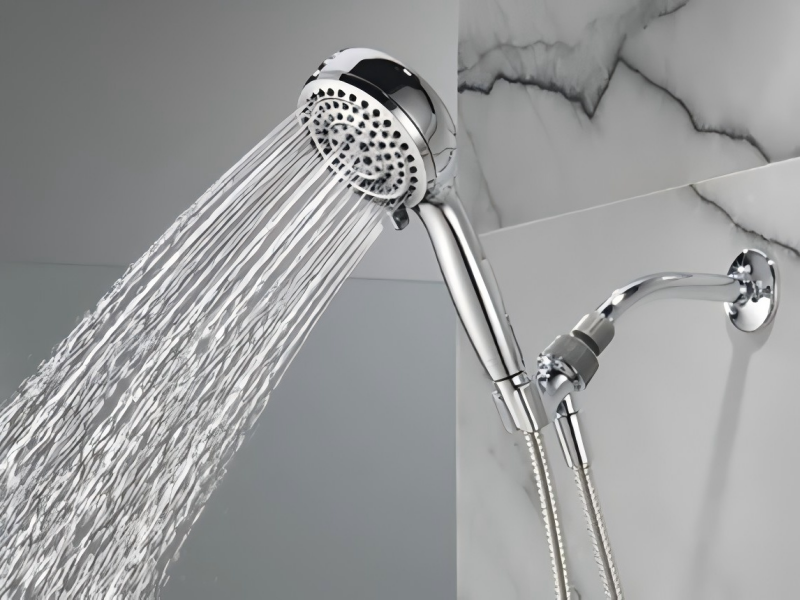
Visible Buildup
People can determine if a showerhead needs cleaning by observing changes on its surface. Plumbing experts point out the following common signs:
- Weak or uneven water flow indicates that minerals from hard water are clogging the showerhead orifices.
- White crusty spots or green stains mean descaling is needed.
- Brown or colored water stains indicate internal buildup of grime, possibly indicating corrosion.
- A clogged filter can cause reduced water pressure.
These signs usually appear after grime has accumulated in the showerhead for some time. Regular checks help prevent larger problems.
Reduced Water Flow
A drop in water flow often signals that cleaning is needed. The table below explains why this happens:
| Cause | Description |
|---|---|
| Mineral deposit buildup | Accumulation of calcium and magnesium from hard water creates a chalky buildup that restricts flow. |
| Clogged showerhead | Various debris such as sediment, rust, and dirt can clog the showerhead, reducing water flow. |
When water does not flow as it should, people may notice showers take longer or feel less refreshing. Cleaning restores proper function.
Odors
Unpleasant smells coming from the shower often mean bacteria or mold have started to grow. These odors can smell musty or sour. They usually get stronger when the water runs. If someone notices a bad smell, it is a sign to clean the shower head and hose right away. Keeping everything clean helps stop germs and keeps the bathroom fresh.
Maintenance Tips for Shower Heads and Hoses
Easy Routines
Keeping your showerheads and hoses in good working order is easy with a few simple steps. These steps help extend the life of your bathroom accessories and keep your water clean.
- Wipe your hoses and showerheads after each use. This prevents soap scum and water stains from building up.
- Use only mild detergents. Strong chemicals can damage surfaces.
- Check for leaks regularly. Inspect hoses and fittings to address problems early.
- Clean your nozzles weekly. Soak them in a mixture of vinegar and water to remove mineral deposits.
- Inspect the seals for damage or wear. Replace them if damaged.
- Wipe surfaces with a microfiber cloth. This will leave them shiny and free of streaks.
- Perform a deep clean monthly. Soak your showerheads in a mixture of vinegar and water to remove stubborn grime.
- Apply a silicone-based lubricant to the controls. This helps them move smoothly.
- Inspect annually. Replace worn seals, hoses, or gaskets if necessary.
GONGGONG shower head hoses are sturdy and durable, and not easily tangled. This means you won’t need to repair them frequently, and they’re also easier to clean.
| Feature | GONGGONG Hoses | Other Brands |
|---|---|---|
| Material | Stainless steel and special polymers | Thin plastic or metal |
| Rust Resistance | High | Low |
| Lifespan | Lasts longer because of good materials | Shorter, needs more replacements |
| Maintenance Needs | Needs less care because it is strong | Needs more care, breaks easier |
| Pressure Resistance | Handles high water pressure | Sometimes lower |
| Leak-proof | Yes | Sometimes leaks |
Preventive Measures
You can stop big problems by doing a few smart things:
- Get a low-flow showerhead. It uses less water and stops minerals from building up.
- Use a drain screen. The screen catches hair and dirt so clogs do not happen.
- Have a plumber check your pipes often. They can find small problems before they get worse.
Tip: Set reminders for cleaning and checks. This helps everyone remember to take care of the shower.
Experts say you should follow this cleaning plan for shower heads and hoses:
- Take off, wash, and disinfect them every month.
- Use a cleaner with chlorine that is EPA-approved or use a bleach mix.
Cleaning often helps keep people healthy and water running well. GONGGONG hoses make it simple to take care of your shower and keep it safe.
FAQ
How often should someone replace a shower head hose?
Most people should get a new hose every 1 or 2 years. GONGGONG hoses last longer because they are made with strong materials. They also do not leak as much.
Can vinegar damage a shower head or hose?
Vinegar is safe for stainless steel and good polymers. GONGGONG hoses can be cleaned with vinegar without problems. Always rinse the hose with water after soaking it.
What should someone do if water flow stays low after cleaning?
Look for clogs or mineral buildup inside the hose. If cleaning does not help, you should get a new hose. GONGGONG hoses are easy to put on.