
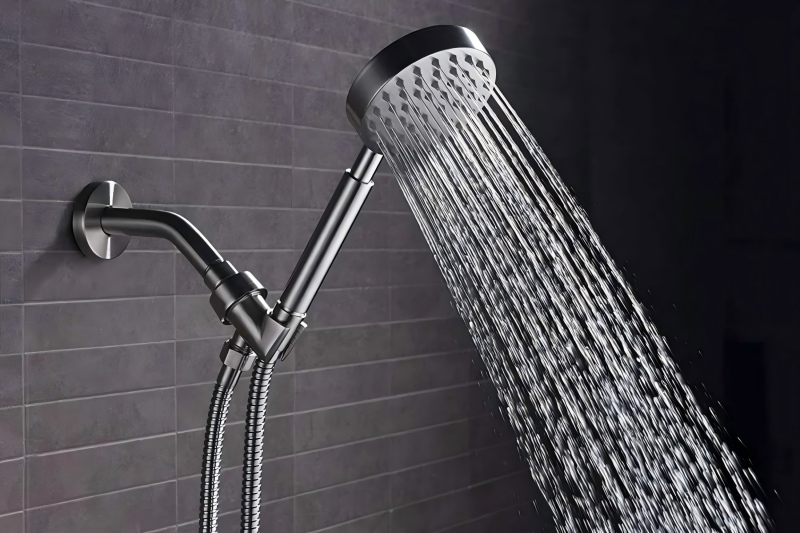
To clean a flexible shower hose, soak it in a solution of equal parts white vinegar and warm water for at least 30 minutes. Scrub the braided exterior with a baking soda paste, rinse thoroughly with cool water, and wipe it completely dry. White vinegar breaks down limescale, making the rest of the process quick and easy. Making this a regular habit ensures a fresh, hygienic shower experience.
Key Takeaways
- Soak: Submerge the hose in a 1:1 white vinegar and warm water solution for 30 minutes to dissolve limescale.
- Scrub: Use a baking soda paste and a soft brush to remove soap scum without damaging the braid.
- Maintain: Give the hose a quick wipe-down weekly and a deep-soak cleaning once a month.
Signs You Need to Clean Your Flexible Shower Hose
Mineral Buildup and Hard Water Spots
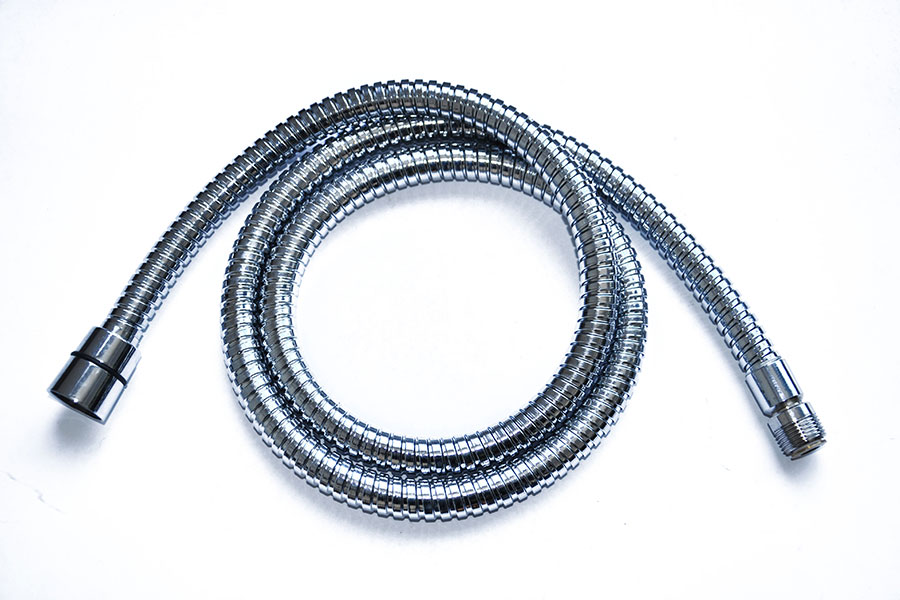
Flexible shower hoses operate in warm, humid environments that promote mineral buildup. Hard water leaves white, powdery spots on the braided outer layer. If left untreated, stubborn limescale deposits can cause the hose to stiffen and restrict internal water flow. If the hose feels gritty to the touch, it requires a deep vinegar soak.
Mold, Mildew, and Unpleasant Odors
Damp hoses are highly susceptible to mold growth. A musty odor near the shower area, or the appearance of dark spots and a slimy film on the braided exterior, indicates mold has taken hold. If detected, clean the hose immediately to prevent mold from spreading to the inner core and compromising water quality.
Supplies for Cleaning a Flexible Shower Hose
Natural Cleaning Solutions (Vinegar and Baking Soda)
White vinegar handles the bulk of the cleaning. Its acidic components dissolve the chalky mineral film left behind by hard water. Baking soda, mixed with a small amount of water to form a thick paste, effectively scrubs away soap scum. (Note: Never mix white vinegar with bleach, as it produces harmful gases).
Tools to Protect the Braided Outer Layer
Using the right tools protects the hose’s exterior. A soft-bristled brush—such as an old toothbrush—can reach into the gaps between the braids. Conversely, avoid stiff wire brushes, as they will scratch and damage the stainless steel or polymer outer layer.
Step-by-Step: How to Clean a Flexible Shower Hose
Detach, Soak, and Scrub
- Detach the hose from both fittings by hand.
- Mix equal parts white vinegar and warm water in a bucket.
- Submerge the coiled hose completely and soak for at least 30 minutes.
- Scrub the braid with the baking soda paste and a soft brush.
Rinse, Dry, and Reattach
- Flush the tube thoroughly with cool water to carry away remaining grime.
- Dry the hose with a clean cloth and let it air out completely.
- Reattach the hose to the shower head and check the connections for leaks.
Prevention and Maintenance of Your Flexible Shower Hose
How to Keep Your Shower Hose Clean Longer
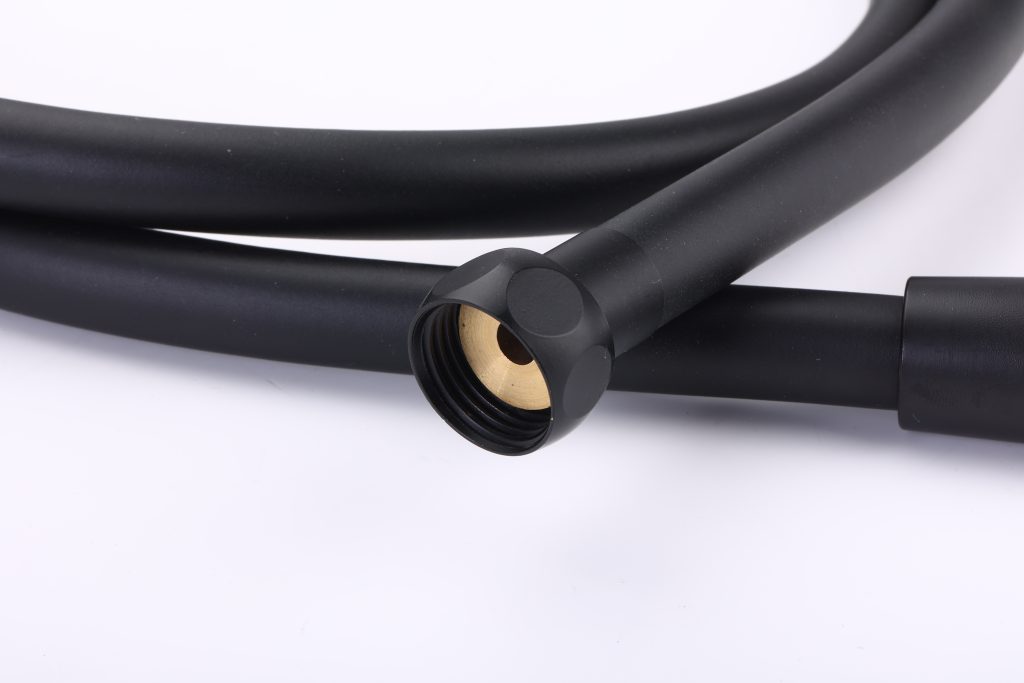
Prevention starts with a simple habit. A quick rinse after every shower washes soap scum away before it hardens. Hanging the hose straight allows trapped water to drain out, preventing kinks that stress the inner tube. Homes in hard water areas require more frequent deep soaks.
When to Replace a Degraded Flexible Shower Hose
Some wear and tear cannot be resolved through cleaning. If a hose leaks at the connection points, develops bulges under pressure, or remains rigid after soaking, it has reached the end of its service life. Fraying of the outer braid is also a clear indication for replacement. Upgrading to a high-quality stainless braided hose with an EPDM or PEX core offers excellent resistance to fatigue and maintains a reliable, leak-proof seal.
FAQs About Cleaning a Flexible Shower Hose
Can I put my shower hose in the washing machine?
No. The mechanical agitation in a washing machine can damage the inner core and fray the braided outer layer. Hand-washing with a vinegar soak is the safest and most effective method.
How often should I clean my shower hose?
A quick wipe-down or spray with a vinegar solution once a week slows buildup. A full 30-minute soak once a month handles deeper limescale. If you live in an area with very hard water, clean it more frequently.
Does vinegar damage a stainless steel shower hose?
No. White vinegar is mild and safe for most braided exteriors. However, always rinse the hose thoroughly with cool water afterward and dry it completely to prevent any long-term degradation.