
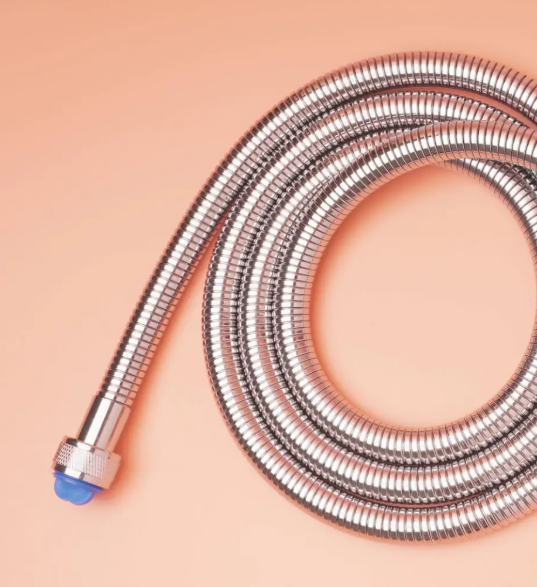
Regularly descaling your water pipes helps ensure smooth water flow and protects your health. GONGGONG braided water pipes are sturdy, durable, and reliable. Homeowners may experience problems such as slow drainage, weak water flow, or abnormal water quality. Regularly cleaning your pipes can effectively inhibit bacterial growth and extend their lifespan. If your water is hard, you will need to clean your pipes more frequently.
Be safe by reading the maker’s instructions and using soft cleaning ways.
| Water Hardness Level | Descaling Frequency |
|---|---|
| Hard Water | Every 6-9 months |
| Soft Water | Extended intervals |
Key Takeaways
- Clean your hose every 6 to 9 months if your water is hard. This helps water move easily and makes your hose last longer.
- Use mild cleaners like vinegar or citric acid to clean. Do not use strong chemicals because they can hurt your hose or the environment.
- Always rinse the hose well after cleaning. This stops leftover cleaner from causing trouble later.
Materials and Preparation for Descaling
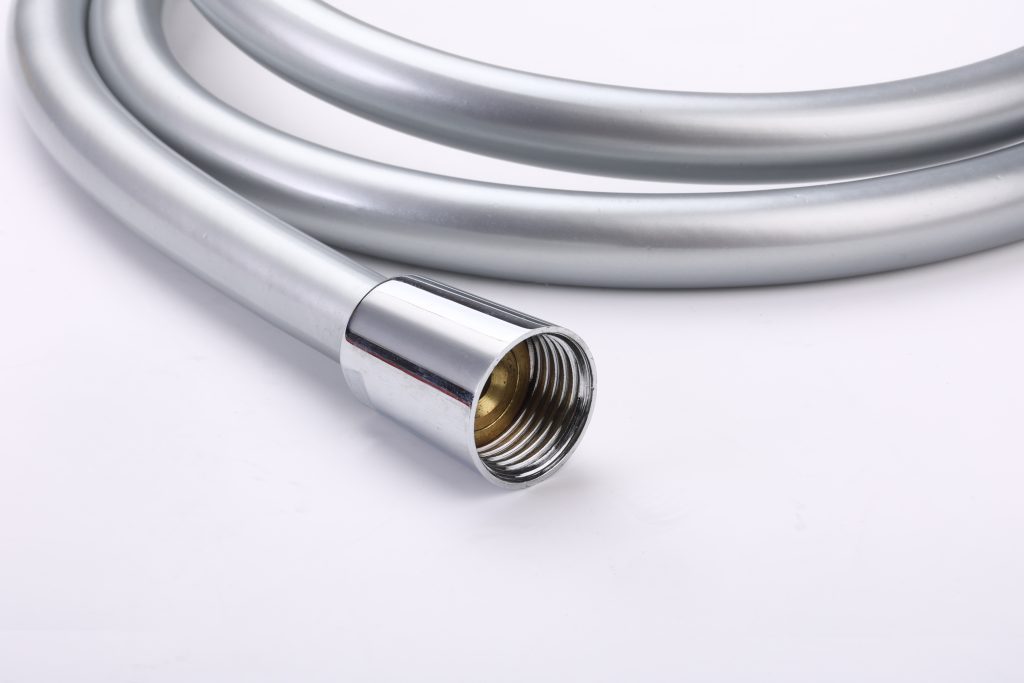
What You Need to Descale a Hose
Many people ask how to descale hoses. You can use cleaners such as vinegar, citric acid, or oxygen cleaner. Some people use bleach, but you must first confirm that your hose is suitable. A special feature of GONGGONG braided hoses is that they don’t rust and remain flexible. Always read the manufacturer’s instructions before you begin.
Here are some tools and cleaners that can help descale hoses:
- A soft-bristled brush or pipe cleaning brush
- A bucket of water for soaking
- Protective gloves
- Cleaning agents: vinegar, citric acid, oxygen cleaner, bleach (if permissible)
- Running water for rinsing
Different methods are used to clean the inside of hoses. The table below lists the advantages and disadvantages of each method:
| Method | Pros | Cons |
|---|---|---|
| Chemical descaling | Breaks down mineral deposits, gets into hard spots | Needs careful use, not for every hose |
| Mechanical descaling | Scrapes off scale, works for most hoses | Might miss spots, takes longer |
| Hydro-jet descaling | Cleans tough scale, covers the whole hose | Needs special tools, not for old hoses |
Safety Tips for Cleaning Your Hoses
Always exercise safety precautions when cleaning hoses. Wear gloves and never mix strong chemicals. Never use strong acids, as they may damage the hose or pollute the environment.
The table below lists the environmental impact of different cleaning agents:
| Descaling Agent Type | Environmental Impact | Biodegradability |
|---|---|---|
| Strong Mineral Acids | Can hurt fish, make soil bad, and are toxic | Not biodegradable |
| Organic Acids (e.g., Citric Acid) | Safer for nature, breaks down fast, does not build up | Biodegradable |
If you want the best results, always check the hose label and use gentle cleaners. You can make your hose last longer by cleaning it often and not using dangerous chemicals.
Step-by-Step Guide to Descale a Hose
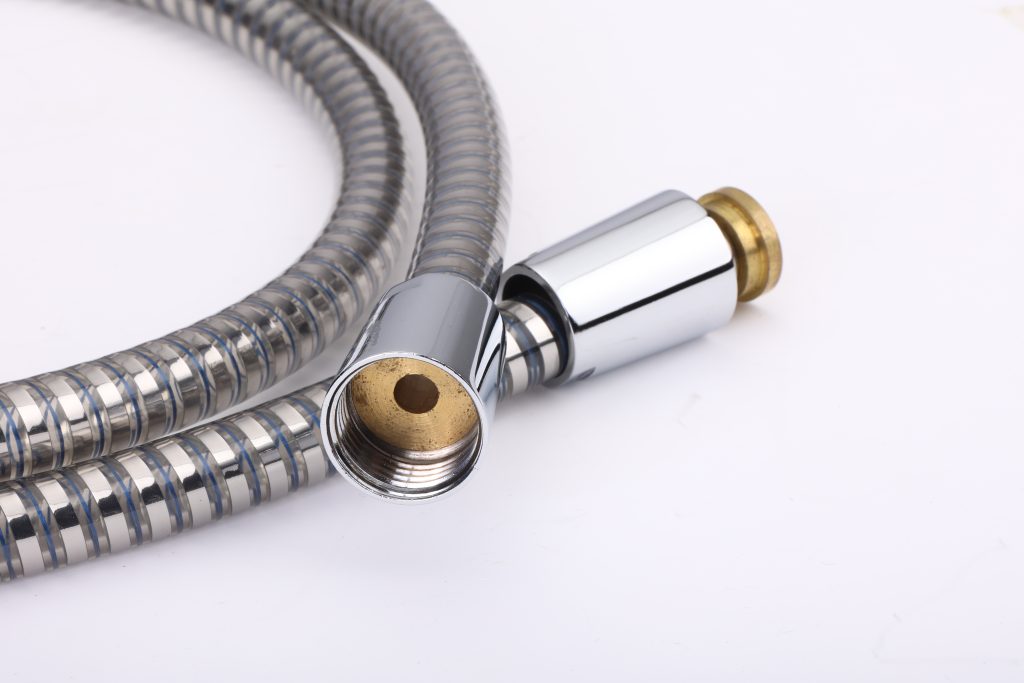
Disconnect and Drain the Hose
Before you begin descaling your water pipes, you must disconnect the water pipes and drain the water. This step ensures safety and prevents water from overflowing. Here are the specific steps:
- If the water pipes are connected to an instant water heater, turn off the power first.
- Turn off the water supply valve.
- If necessary, connect a drain pump to the water heater’s drain valve.
- Place a bucket under the drain valve.
- Open the drain valve to allow water and the old scale solution to flow into the bucket.
Tip: Before proceeding to the next step, always check the water pipes for leaks or damage.
Prepare and Apply Descaling Solution
Now it’s time to prepare the cleaning solution. People often use vinegar or citric acid because they are mild and safe for most hoses. However, for braided hoses, avoid using strong acids or harsh chemicals. Here’s the best cleaning method:
- Soak the hose in a few gallons of vinegar.
- If needed, add a few cups of baking soda, but never mix the vinegar and baking soda together in the hose. For better cleaning results, use vinegar and baking soda in that order.
Pour the cleaning solution into the hose. Make sure the hose is completely submerged so that the cleaner can reach all parts of the hose’s inner walls.
Note: Do not use steel wool or abrasive brushes. These items will scratch the hose and make it brittle.
Soak and Wait
Allow the solution to soak inside the hose. This step helps break down stubborn limescale and buildup. The optimal soaking time is three hours. You can set a timer to check back later.
- Soaking for three hours yields the best results.
- If the hose is very dirty, gently shake it every hour to help the solution penetrate fully.
Tip: GONGGONG braided hoses do not require vigorous scrubbing. The soaking step is sufficient for most of the cleaning.
Rinse and Reconnect
After soaking, rinse the hose thoroughly. Use water below 48.9°C (120°F). This temperature helps to thoroughly remove cleaning agents without damaging the hose.
- Rinse the hose with clean water until it looks and smells fresh and clean.
- Drain all standing water.
- Let the hose air dry, or wipe the outside dry with a clean towel.
- Store the hose upright to help the inside dry and prevent mold growth.
- Reconnect the hose to the system.
Tip: Always rinse well. If any cleaner stays inside, it can build up and cause problems later. This step helps extend the life of your hose.
Common Mistakes to Avoid
Here is a quick table to help everyone remember what not to do:
| Mistake | How to Avoid It |
|---|---|
| Using abrasive materials | Use only soft brushes or cloths |
| Mixing vinegar and baking soda | Use them one after the other, not together |
| Not rinsing enough | Rinse with plenty of water until fully clean |
People who clean your hoses the right way will see better water flow and a longer-lasting water hose. Regular care keeps everything working well.
Descaling a hose helps water move well. It also makes hoses last longer. GONGGONG Braided Hose should be cleaned with gentle cleaners. Taking care of your hose often can save you money. Look at the table to see how much you can save:
| Action | Cost Range |
|---|---|
| Regular Descaling | $160 – $205 |
| Replacement | $450 – $600 |
Clean your hose often and follow the instructions for the best results.
FAQ
How often should someone descale a GONGGONG Braided Hose?
He should descale every 6-9 months if he has hard water. She can wait longer with soft water. Regular cleaning keeps the hose working well.
Can someone use bleach to clean a braided hose?
They should check the manufacturer’s instructions first. GONGGONG Braided Hose works best with gentle cleaners like vinegar or citric acid.
What signs show a hose needs descaling?
He might see slow water flow or strange water color. She may notice buildup inside the hose. These signs mean it is time to clean.