
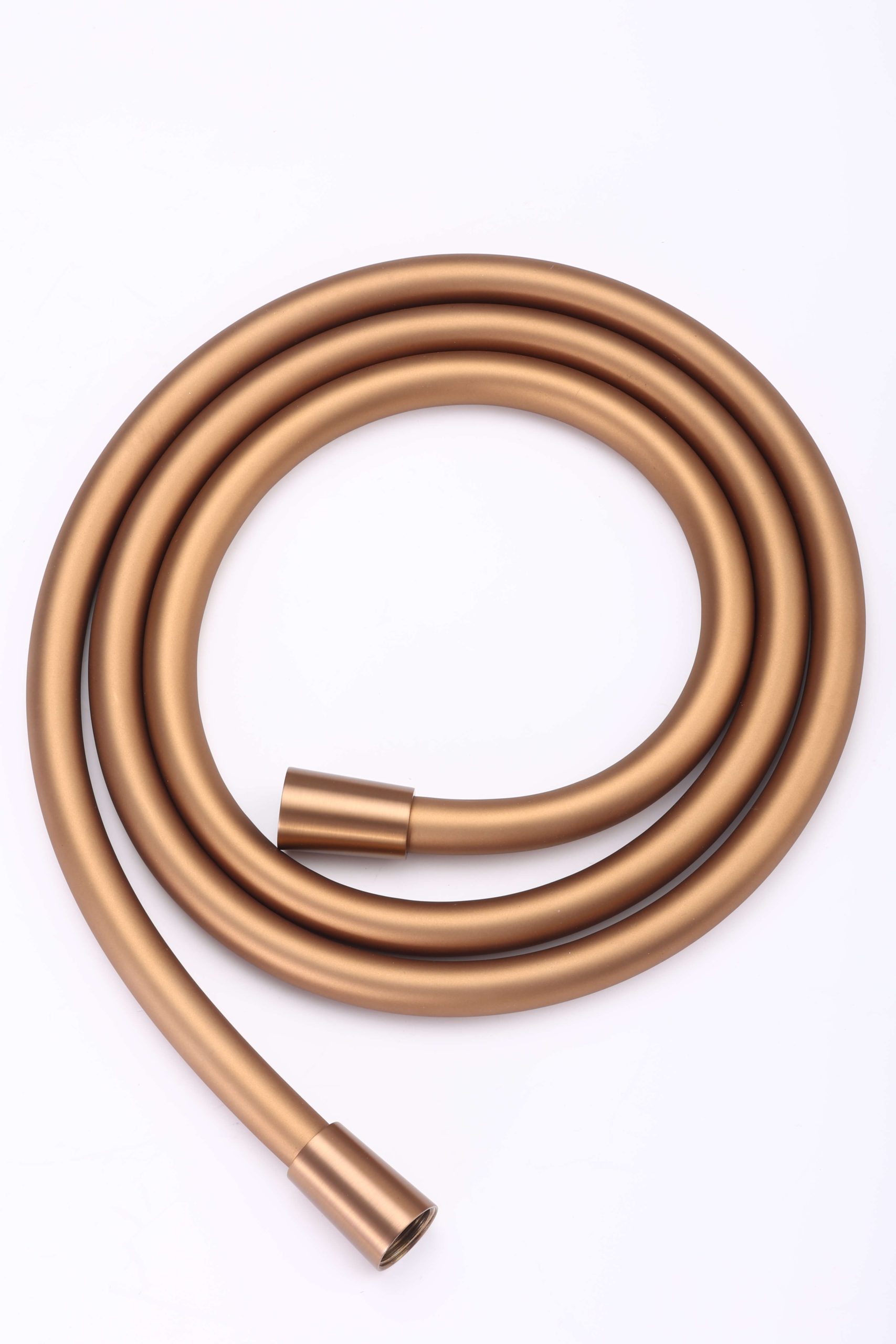
People often notice orange-brown patches on their flexible shower hose. Rough spots frequently appear near the connection between the hose and the showerhead. When water collects on a metal surface, it begins to rust. If your shower hose starts to rust, you should address it as soon as possible. You can prevent rust by adopting three simple habits: keep the hose dry, clean it regularly, and apply a protective coating. Anyone can do this.
Key Takeaways
- Wipe the shower hose dry after every use to prevent rust.
- Clean the shower hose with vinegar once a month to remove mineral deposits.
- Apply a protective coating (such as lanolin) to metal fittings to seal out moisture.
Why Your Shower Hose Rusts
Moisture and Oxygen
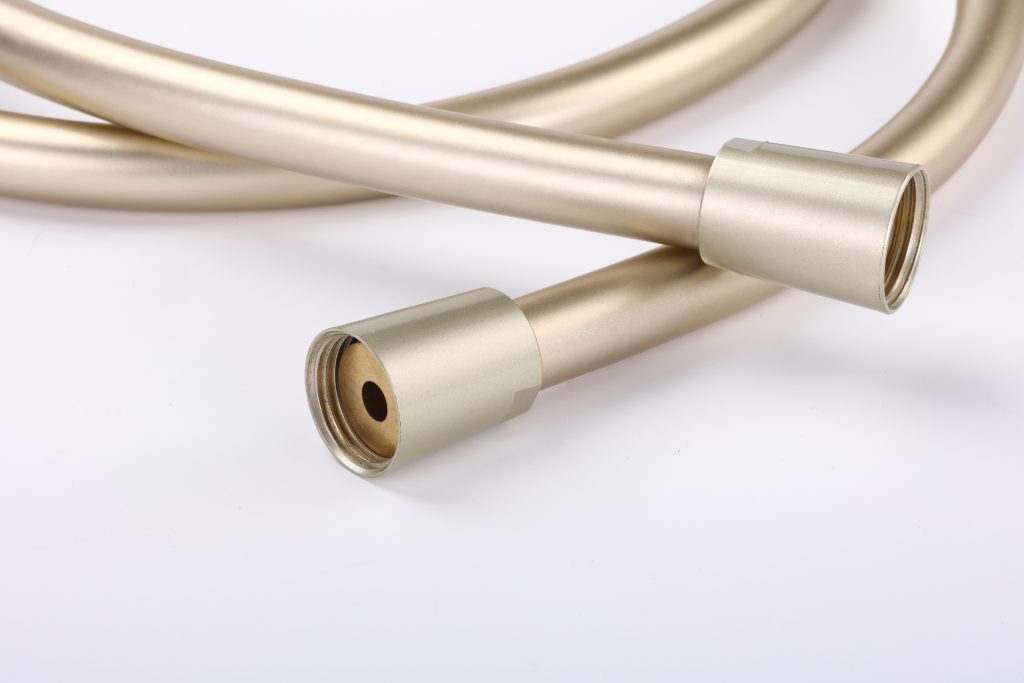
Metal components undergo corrosion when exposed to both water and oxygen over an extended period. On shower hoses, rust typically begins at the crimped ends and connection points—areas where tiny water droplets often remain after a shower, with the trapped moisture continuously fueling the corrosion process. This can lead to issues such as water leaks, loose connections, and a decline in water quality. In environments with hard or acidic water, metal fittings deteriorate rapidly—a common occurrence in older plumbing systems. Once a braided hose begins to corrode, it often becomes the primary cause of costly repairs.
In piping systems, galvanic corrosion can occur when incompatible metals come into contact. According to the “anodic index,” the potential difference between different metals should be kept within the range of 0.15V to 0.25V. If brass is placed in contact with Type 410 stainless steel, the two metals are separated by seven levels on the anodic index scale—a disparity that is highly likely to cause corrosion. In contrast, when brass is in contact with Type 301, 304, or 310 stainless steel, the separation is only two levels, which is generally considered safe. The specific grade of steel is critical: Type 316 stainless steel offers superior resistance to chloride and salt-induced corrosion compared to Type 304, making it a more suitable choice for pipe fittings that will be exposed to water containing chlorides or salts.
A retired, licensed master plumber once visited a home where the shower hose had to be replaced every 8 to 10 months over a three-year period. Each damaged hose showed the same signs: a blue-green crust had formed at the metal connections, and the metal surfaces had become pitted. The root cause was a poor grounding connection at the electrical panel. Stray electrical current was using the plumbing system as a ground path, effectively turning the hose fittings into “sacrificial anodes.” This phenomenon is known as “dielectric corrosion” or “electrolytic degradation.” The plumber advised that if a hose repeatedly fails in such an unusual manner, an electrician should be called to inspect the home’s grounding system.
Hard Water and Buildup
Hard water can leave mineral deposits on shower hoses. These deposits trap moisture against the metal surface, accelerating the corrosion process. Galvanized steel hoses may rust and become clogged due to mineral buildup. Even stainless steel hoses can develop rust spots—often because the protective layer has been scratched or the steel used is of a lower quality grade. A higher-grade stainless steel braided shower hose with 304 or 316 stainless steel offers better resistance to chloride and salt-induced corrosion. Using abrasive cleaners can damage the chromium oxide passive layer on stainless steel, which in turn leads to the formation of rust spots. It is recommended to use a mild soap-and-water solution instead to clean the exterior of the hose.
When temperatures exceed 60°C and chloride levels surpass 50 ppm, stainless steel may be susceptible to chloride-induced stress corrosion cracking, which can lead to cracks and corrosion in fittings, connectors, and crimped ends. As reflected in the ASSE 1071 standard, industry experts favor a composite construction—consisting of an EPDM (ethylene propylene diene monomer) rubber core encased in a 304 stainless steel braid. The 18% chromium content in 304 stainless steel enables the formation of a self-healing chromium oxide (Cr₂O₃) passive film. This is why high-quality braided hoses do not rust in typical residential water environments; however, if this passive film is compromised, the hose will begin to corrode.
A retired, licensed master plumber advises that when installing a new flexible shower hose, one should ensure there is enough slack—a natural curve or slight droop—between the wall elbow and the handheld shower holder. If the hose is pulled too taut, its crimped ends remain under constant tension. After hundreds of thermal cycles—alternating between hot and cold—this stress can cause the hose to develop bulges, which then turn into pinhole leaks and, eventually, a complete rupture. As the plumber puts it: “If your shower hose looks like a taut guitar string, you’ve got a problem.”
Stop Rust and Shower Hose Leak
The rust on a shower hose may look severe, but it is usually just surface-level damage. Follow these maintenance steps to remove the rust and prevent it from returning. The cleaning and drying process takes only a few minutes, yet it effectively extends the lifespan of the hose.
Clean with Vinegar
White vinegar can dissolve mineral deposits and remove minor corrosion. In a basin large enough to hold the shower hose, mix white vinegar with warm water in a 1:1 ratio. Submerge the shower hose completely in the mixture until the deposits loosen. The acidic components break down calcium scale and iron oxide on the metal surfaces. Afterward, rinse the shower hose under running cold water. Lay it flat to air-dry before reinstalling it. For a PVC shower hose, avoid acidic cleaners like vinegar, as they may degrade the plastic over time.
Aluminum foil can be used to remove stains that vinegar alone cannot, making it particularly effective for chrome-plated fixtures.
- Crumple a piece of aluminum foil into a loose ball.
- Dampen the foil ball with water.
- Scrub the rusted areas firmly.
- For stubborn rust, try dipping the foil ball into cola first. The carbonic acid in the cola reacts with the iron oxide, helping to loosen it.
- Afterward, rinse the shower hose thoroughly.
This method not only cleans the surface but also helps seal the chrome plating, which can prevent future rusting. Please note that this may not yield the same results on stainless steel braided hoses. Since chrome plating and stainless steel react differently to abrasion, it is advisable to test the method on a small, inconspicuous area first.
For minor rust, you can use baking soda. Mix it with warm water to create a thick paste, apply it to the rusted area, let it sit for a while, and then wipe it off with a soft cloth. For routine cleaning when no visible rust is present, it is best to use only a mild, soapy water solution. Never use abrasive scouring pads, as they can scratch the protective coating and lead to more significant damage.
Dry After Every Use
Tip: Dry a metal shower hose after every shower. This stops moisture from causing corrosion and keeps the hose looking new.
Shower environments are filled with moisture and humidity, which can cause metal to oxidize over time. Furthermore, any chemical residues or cleaning agents left on the surface of the hose may trigger adverse reactions. A quick wipe with a dry cloth is sufficient to remove the film of water that could initiate such processes. Please hang the shower hose up to allow it to air-dry; you can use a hook—such as one designed to hang over a door—or the showerhead holder itself. This allows gravity to drain any water that has collected at the hose’s connection points (the crimped ends). These small, intricate connection areas are the most prone to trapping water droplets, which is why they are typically the first places where corrosion appears.
Please keep a close eye out for any signs of water leakage. If a shower hose begins to leak consistently, the issue will generally not resolve itself; this usually indicates that internal corrosion has damaged the inner core. Water seeping through the braided outer layer is a clear warning sign. In such cases, replacing the shower hose is the only reliable solution. A severely corroded hose could rupture without warning, potentially flooding your bathroom floor. Proper routine maintenance and prompt action can help you avoid such problems.
Long-Term Protection and Shower Hose Replacement
Coatings and Upgrades
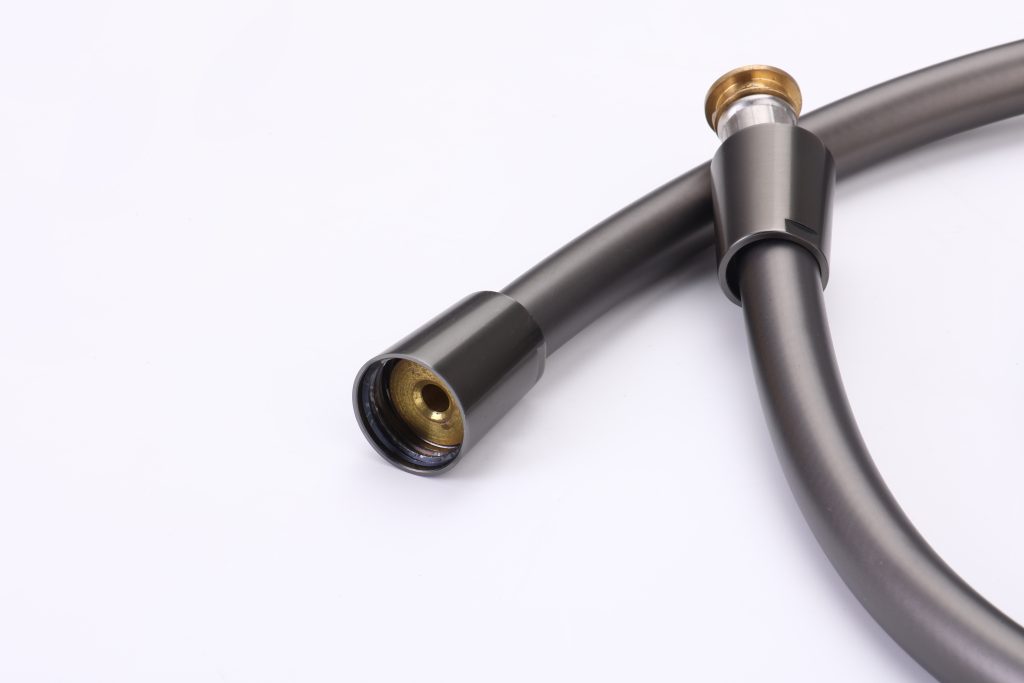
A protective coating creates a barrier between metal and moisture, and a clear protective spray is ideal for this purpose. Applying a thin layer of clear protective spray to fittings and crimped ends effectively seals out moisture; for chrome-plated surfaces, you can use a commercially available chrome polish. Ensure the area is well-ventilated while spraying, and wipe the surfaces clean once finished. Chrome polish, penetrating oil, and wax products—all available on the market—can also help protect chrome-plated surfaces. A clear protective spray forms an anti-rust barrier on metal components. Taking these steps helps ensure that your shower hose remains resistant to rust and corrosion throughout its long-term use.
In the long run, choosing stainless steel braided hoses offers superior cost-effectiveness. As an industry-leading manufacturer and supplier, GONGGONG specializes in the production of various braided shower hoses. These high-quality hoses feature a composite construction: an EPDM (ethylene propylene diene monomer) rubber core encased in a 304 stainless steel braided outer layer. The 304 stainless steel exterior forms a self-healing chromium oxide protective film, providing enhanced resistance against rust and corrosion in typical household water environments. GONGGONG’s hose products hold multiple certifications—including WRAS, ACS, KTW/W270, WaterMark, ISO 9001, and CE—which attest to their exceptional quality and compliance with rigorous standards. The brand also provides OEM (Original Equipment Manufacturer) and ODM (Original Design Manufacturer) services to wholesale clients worldwide. By customizing the length and diameter of the hoses, GONGGONG effectively prevents kinking while ensuring smooth water flow; this anti-kink design allows for effortless movement during use without the risk of twisting. Furthermore, the precise engineering of the hose diameter balances optimal water flow with flexibility, ensuring a stable and consistent water supply.
When to Replace
If rust reappears on your shower hose after cleaning, it is time for a replacement. A rusted or corroded braided hose cannot be repaired; the outer braiding may fray, unravel, or develop bulges. If the hose continues to leak after cleaning, it indicates internal corrosion; if water seeps through the braided layer, the inner tube is damaged. A severely corroded hose can burst without warning, so replace it immediately if you notice any of these signs.
When selecting a shower hose, choosing the right length and diameter is crucial. Common lengths include 1 meter, 1.5 meters, 2 meters, and longer. A hose that is too long tends to tangle, while one that is too short puts excessive tension on the connections at either end. Choosing the appropriate length prevents tangling and ensures smooth water flow; GONGGONG offers a variety of custom sizes to suit any installation space. High-quality materials maintain their shape even under fluctuating pressure, ensuring the inner diameter does not narrow due to deformation—which would otherwise restrict water flow. Premium shower hoses often feature an “anti-tangle” design, which prevents water from pooling and reduces premature wear. Selecting the correct size and high-quality materials effectively extends the lifespan of your shower hose. Opting for a trusted brand ensures long-lasting, reliable performance. A proper hose helps protect your bathroom from water damage, so it is advisable to choose products with anti-corrosion certification. Hoses made from high-quality materials can resist rust and corrosion for years.
Wipe the shower hose dry after every use, clean it periodically with vinegar, and apply a clear protective coating to the metal connectors. Adopting these three simple maintenance habits—small, everyday actions—can prevent severe corrosion and save you from the high cost of frequent replacements. Why not check your shower hose today? A quick inspection now could save you money later. Start implementing these simple maintenance measures today!
FAQ
Good materials keep rust from starting. This section answers common questions about shower head hose care, cleaning, and when you need a new shower hose.
Why does a stainless steel shower hose rust?
Rust occurs when the protective chrome layer on the surface becomes scratched. Hard water and residual moisture can accelerate this process. Once the outer layer is compromised, rust spots easily form on the metal components.
How often should you care for a shower hose?
Wipe the hose dry after every shower. Periodically soak it in vinegar to remove deposits. Regular maintenance helps prevent mineral buildup, which in turn helps avoid rust.
When should you replace a shower hose?
It is time to replace your shower hose if you notice recurring rust, fraying of the outer braiding, or water leaks. A new hose made from high-quality materials will have a significantly longer lifespan than an old, rusted one.