
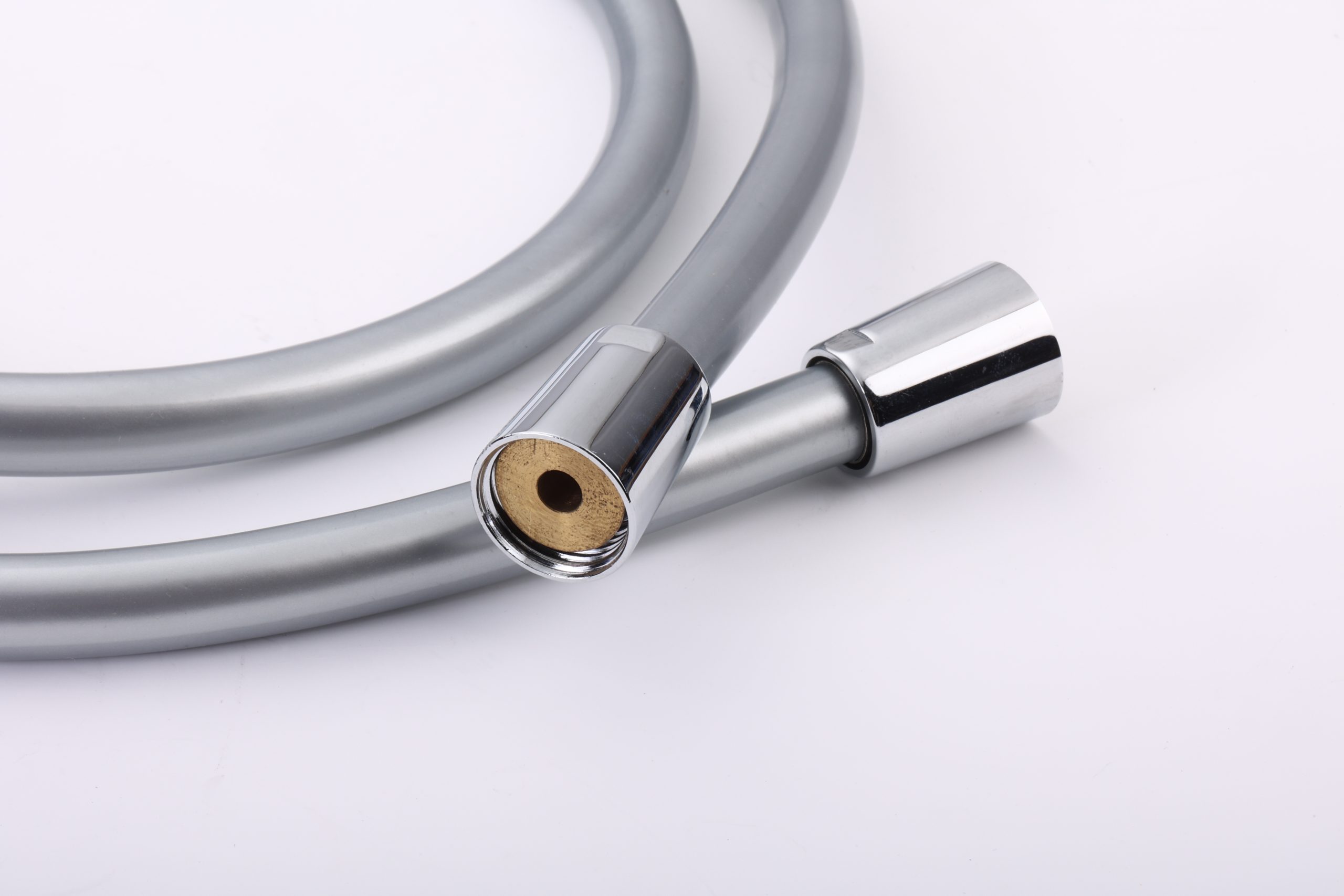
Tightening the connections at both ends of the shower head hose or replacing the rubber washers can usually resolve a leaking showerhead. Such leaks are typically caused by loose fittings or worn-out washers rather than serious plumbing issues. With simple tools, most repairs can be completed in under ten minutes. If the hose needs replacing, a high-quality product from the GONGGONG brand offers a durable solution.
Key Takeaways
- Tightening the connections at both ends of the shower hose can quickly resolve most leaks.
- If tightening does not fix the issue, replace the rubber washer; this is a simple and inexpensive repair.
- If the leak persists, check the diverter valve at the bathtub spout; if the valve is faulty, it may need to be replaced.
Find the Leak in Your Shower Hose
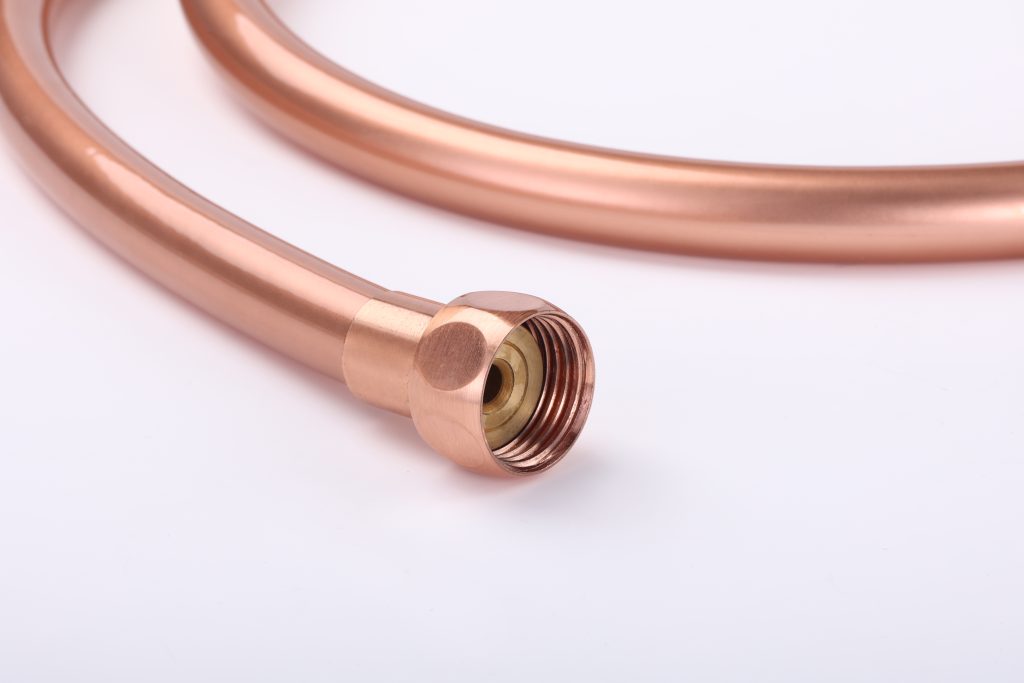
Before repairing a leaking showerhead, turn on the water supply and carefully observe exactly where the leak is coming from. Leaks typically occur in one of three places: the connection between the hose and the showerhead, the connection between the hose and the wall outlet, or the body of the hose itself. Leaks at the connection points usually require only a simple fix, whereas a leak in the hose body necessitates replacing the hose.
At the Shower Head Connection
Connection points are common sources of trouble, so please inspect this area first. If the connection drips while showering, the joint has likely come loose; simply tightening it is usually enough to stop the leak. If the showerhead itself is leaking, try tightening the connection first; if the leak persists, the internal rubber washer may need replacing. This repair takes only a few minutes, as a worn washer fails to create an effective seal, whereas a new one restores proper water flow. Checking the water flow can help diagnose the specific issue.
At the Tub Spout Diverter
The diverter valve within the bathtub spout is another common source of leaks; this is where the hose connects to the wall outlet. If water continues to flow from the bathtub spout while the shower is in use, the diverter is malfunctioning—indicating a fault in its internal mechanism. If water still flows after the diverter is engaged, the valve is likely worn out. Located inside the spout, the diverter directs the water flow to the showerhead. Inspecting the valve requires a close look; if damage is found, the best solution is to replace the diverter to restore proper water flow.
Fix a Leaking Shower Head
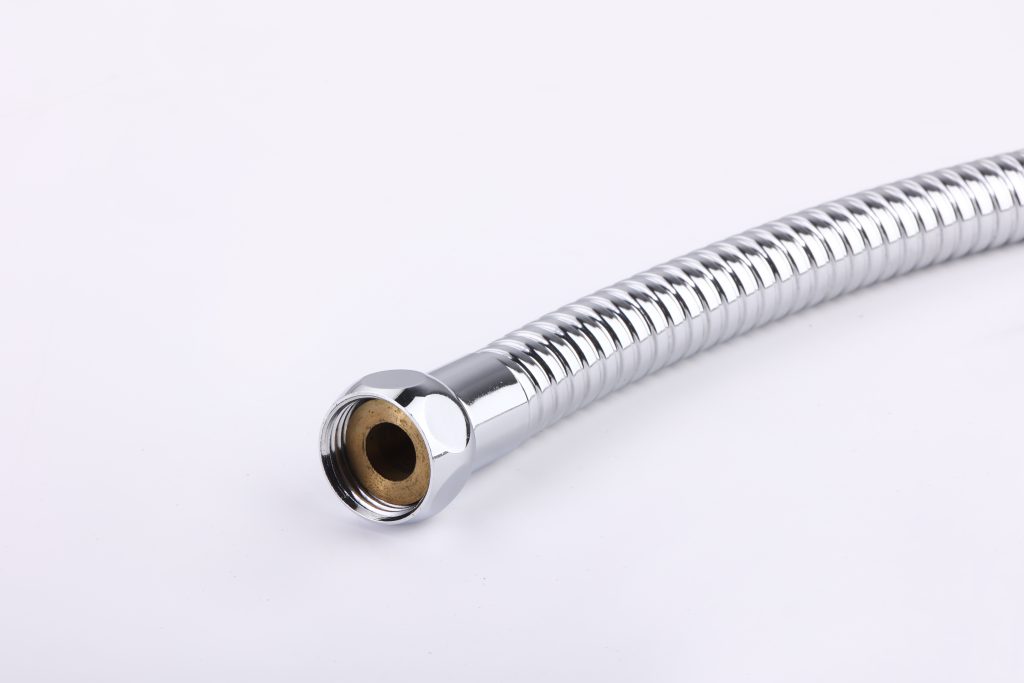
To repair a leaking showerhead, start by briefly inspecting the connection points. Leaks frequently occur where the hose connects to the showerhead, a junction sealed by a rubber washer; loose nuts or worn washers are common culprits. This section outlines two effective methods that allow you to complete the repair quickly without hiring a plumber. The table below lists common leak locations and the best solutions for fixing them.
| Leak Location / Symptom | Repair Feasibility | Replacement Necessity | Expert Recommendation & Rationale |
|---|---|---|---|
| Leak at shower head connection | High | Low | Repair. Classic washer failure; replacing the washer is a targeted, low-cost, highly effective fix. |
| Visible crack or hole in hose body | Very Low | High | Replace. Inner waterproof core is compromised; patches will not hold. |
| Coupling nuts cracked or threads stripped | None | High | Replace. Hose can no longer be securely fastened to create a seal. |
| Hose old, stiff, frequently kinks | None | Recommended | Replace. Prone to cracking; new flexible hose prevents future leaks. |
Tighten Connections
Showerhead leaks often originate at the connection point where the hose meets the showerhead. The primary solution is to hand-tighten the connecting nut by turning it clockwise until it feels secure; however, avoid overtightening, as this can damage the washer. The threads serve only to hold the components together rather than to prevent leaks. In connections sealed by a washer, the seal relies on the tight fit between the washer and the fitting; if the washer is missing or damaged, simply tightening the connection will not solve the problem. Applying sealant or wrapping the threads with sealing tape cannot replace the function of the washer; the only effective remedy is to replace the washer, as tightening alone does not eliminate the root cause. Establishing a habit of regular inspections helps maintain the connection’s integrity—checking the tightness every three to six months is recommended to detect and address potential leaks early. Restricted water flow may also result from a loose diverter valve; the diverter at the bathtub spout directs water upward, and if it fails, water will flow from the spout instead of the showerhead, necessitating a replacement of the diverter valve. When repairing shower connections, be sure to inspect both ends of the hose; leaks at the wall outlet require attention as well.
Replace Washer
If the showerhead still leaks after tightening, replace the washer. First, unscrew the showerhead from the hose and remove the old washer from the connection point. Take the old washer to a hardware store to match the size. Standard dimensions are typically an outer diameter of 3/4 inch, an inner diameter of 3/8 inch, and a thickness of 1/16 inch; some models also use washers with a 5/8-inch outer diameter and 1/8-inch thickness.
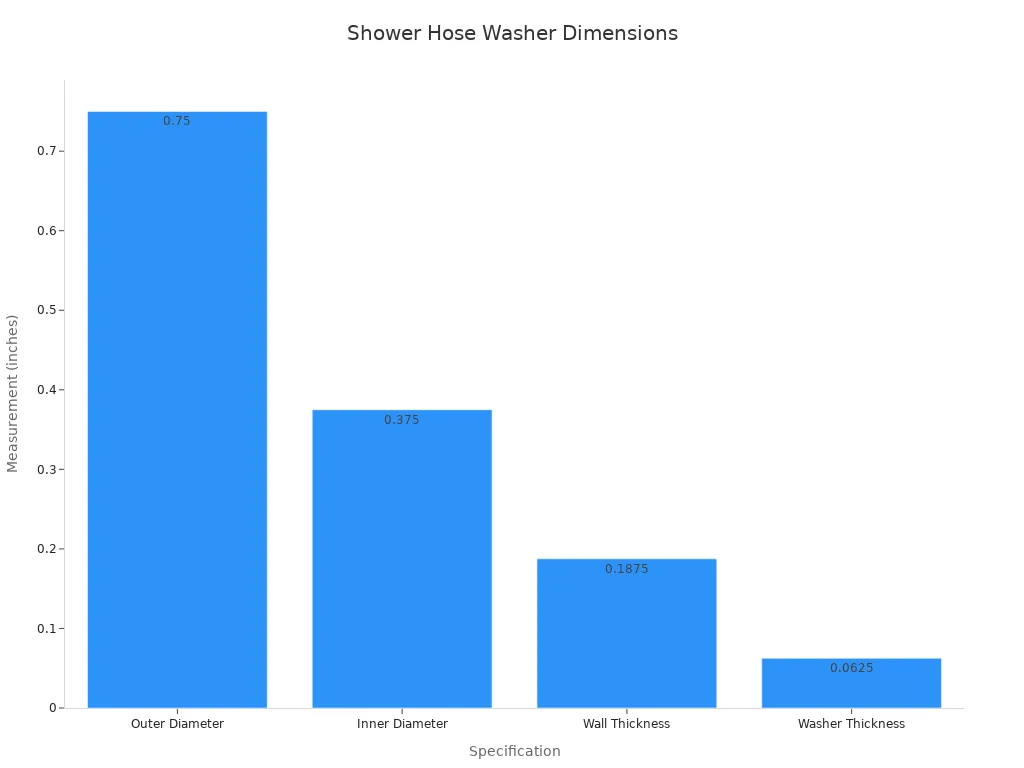
Please select durable materials. Viton (FKM) offers excellent sealing performance under high pressure, while EPDM or silicone materials boast a lifespan of up to 10 years, effectively preventing future leaks. When installing a new washer, press it firmly into place, reconnect the showerhead, and hand-tighten the connection. Finally, turn on the water supply to check for leaks. A simple washer replacement can resolve dripping issues in under ten minutes. If the leak persists, check that the washer is seated correctly. If the hose itself is cracked, replacing the washer won’t solve the problem; the entire hose must be replaced. GONGGONG manufactures high-quality, durable stainless steel braided hose. The company has been producing hose systems since 2000 and holds certifications such as WRAS, ACS, and KTW/W270; customers are welcome to visit their factory in Yuyao, Zhejiang. GONGGONG hoses feature a stainless steel braided layer for added strength and an inner tube made of EPDM or PEX, suitable for both hot and cold water. The company conducts 100% inspection of all raw materials to ensure consistent product quality. For large-volume needs, establishing a wholesale partnership with a custom manufacturer ensures a stable and reliable supply. Properly repairing a leaking showerhead prevents water damage. Fixing a leak with a correctly sized washer is both time- and cost-effective.
You can repair a leaking showerhead by locating the leak, tightening connections, and replacing the washer—without needing a plumber. Upgrading to a high-quality braided hose eliminates the hassle of frequent replacements. Premium braided hoses maintain steady water flow and offer a long service life, reducing overall costs. GONGGONG guarantees quality for bulk orders and welcomes customers to visit its Zhejiang factory.
FAQ
How do I fix a leaking connection at the shower head joint?
First, inspect the showerhead connection. If the showerhead is leaking, you need to tighten the connection point. Replace any damaged washers inside the showerhead and check the water flow.
Why does the tub spout diverter leak during a shower?
The showerhead is connected to the bathtub spout’s diverter valve via a hose. Please repair the connection between the showerhead and the diverter valve. A faulty diverter valve can cause reduced water flow.
What tools stop a shower head from dripping?
To fix a leak at the showerhead connection, use a wrench to tighten the showerhead and replace the washer to stop the leak and restore normal operation.