
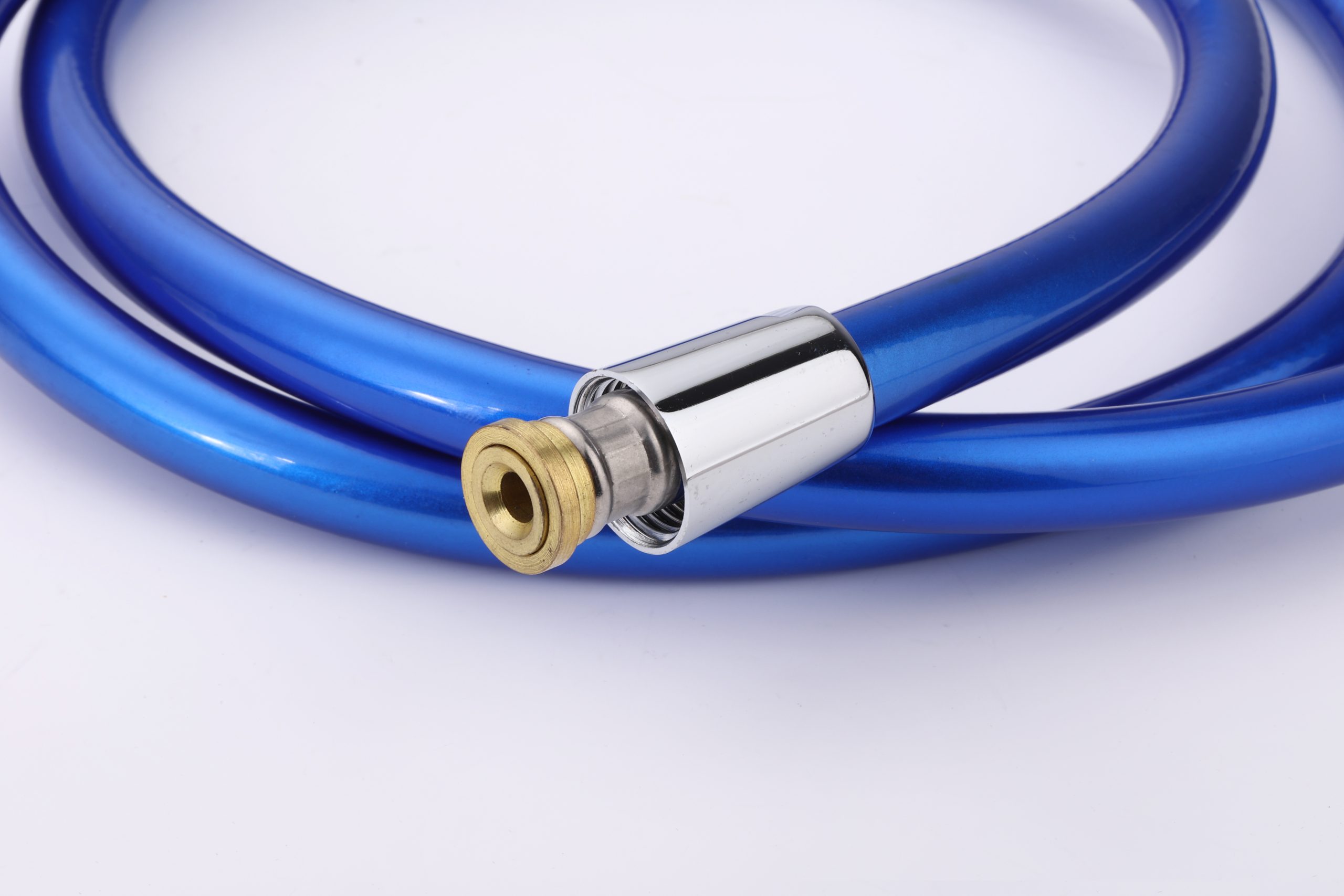
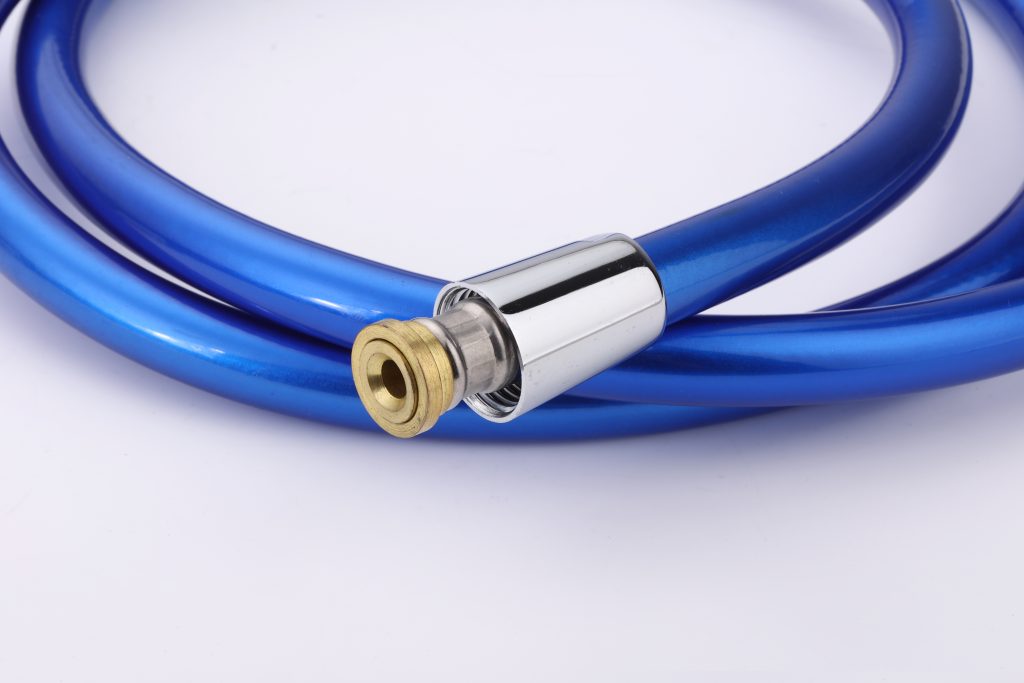
Plasticizers are the primary additives that impart flexibility to PVC piping. This flexibility allows the pipes to bend and navigate around obstacles without breaking. In piping applications, this enables the material to adapt to various installation spaces and withstand differing pressures. Plasticizers provide the bending characteristics essential for products such as the flexible shower hoses manufactured by GONGGONG.
Key Takeaways
- Plasticizers are crucial additives that enable PVC piping to bend without fracturing.
- Flexible PVC piping is lightweight and easy to install, making it ideal for products such as shower hoses and medical tubing.
- Selecting the right plasticizer is essential to ensure the piping performs well and is safe for use.
Why Are PVC Pipes Rigid or Flexible?
The Role of Additives in PVC Pipes
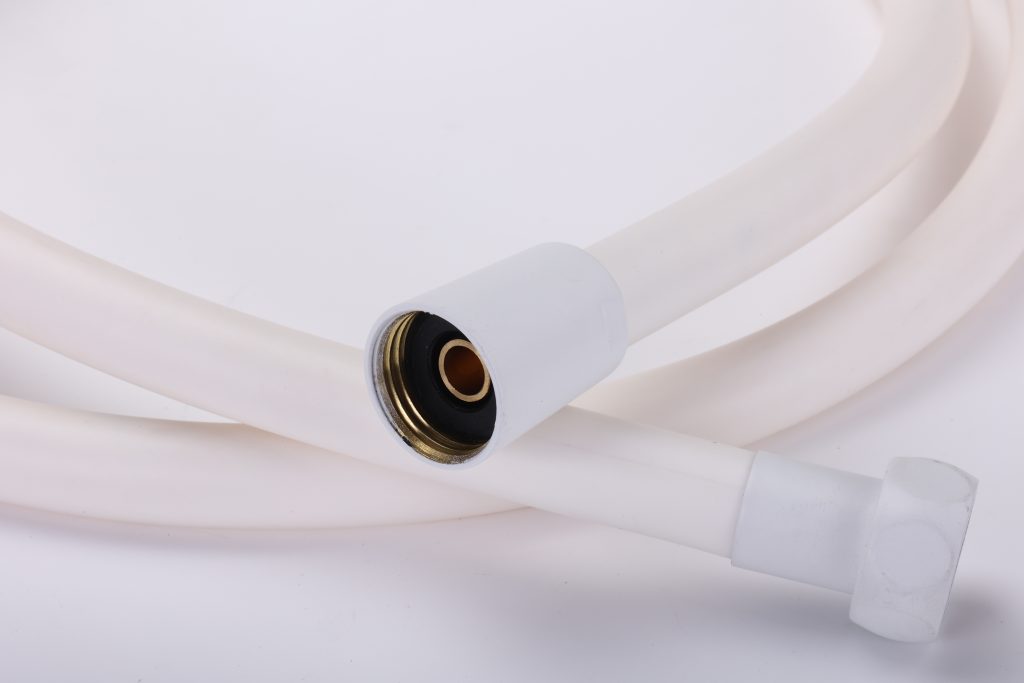
PVC piping can be either rigid or flexible, depending on the ingredients mixed into it. Additives are crucial because they modify the properties of PVC. There is a wide range of additives, including plasticizers, heat stabilizers, fillers, and lubricants. Each type of additive alters PVC’s characteristics in a unique way and improves its flow properties during processing.
The table below outlines the functions of various additives:
| Additive Type | Function | Examples |
|---|---|---|
| Plasticizers | Make pvc more bendy and strong | Phthalates, Adipates, Trimellitates |
| Heat Stabilizers | Stop pipes from getting ruined by heat | Various stabilizers |
| Fillers | Make pipes tougher and less likely to break | Calcium carbonate, titanium dioxide |
| Lubricants | Help pvc flow better when being made | External and internal lubricants |
How much of each thing is in pvc decides if it is hard or soft. Hard pvc pipes have almost no plasticizer. This makes them stiff and strong. Soft pvc pipes have more plasticizer. This lets the pvc move and bend.
Importance of Flexibility in Applications
Soft pvc pipes are helpful in many ways. They can handle changes around them. This means they do not break as easily. Soft pipes can bend, so they are safer where the ground moves. They are also light, so putting them in is faster and easier.
| Benefit | Explanation |
|---|---|
| Can handle changes | Soft pipes change shape when needed, so they work better. |
| Less likely to break | Pipes bend instead of snapping, so they are safer. |
| Easy to put in | Light pipes make the job quicker and use less effort. |
What is mixed into pvc and the use of things like plasticizers help make pipes for many jobs. Soft pvc items, like shower hoses, show how additives make them better for special uses.
How Plasticizers Make PVC Pipes Flexible
What Are Plasticizers?
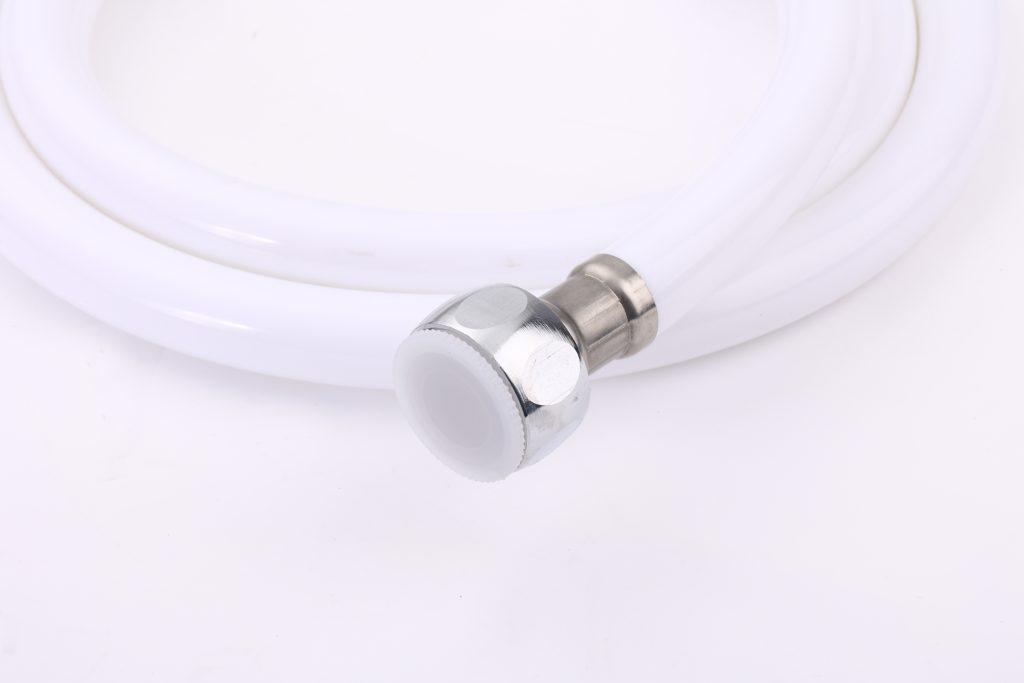
Plasticizers are things added to pvc to make it bendy. These additives make pvc softer and stretchier. Companies pick plasticizers based on what they want the pvc to do. Plasticizers are chemicals called esters, like phthalates, adipates, and trimellitates. They also use alcohols and acids. Suppliers put plasticizers into two groups:
| Type of Plasticizer | Description |
|---|---|
| Primary Plasticizers | Esters like phthalates, adipates, trimellitates that enhance flexibility and resilience. |
| Secondary Plasticizers | Substances that improve performance of primary plasticizers, often used together. |
Plasticizers are important in pvc. They help companies make flexible pvc pipes for many uses.
How Plasticizers Work in PVC
Plasticizers mix with pvc at a tiny level. They make the pvc chains move apart from each other. This gives the chains more room to move. The pvc becomes soft and easy to bend. Plasticizers work like oil, making pvc pipes softer and easier to shape.
When you add more plasticizer, the glass transition temperature (Tg) goes down. Tg is the point where pvc changes from hard to soft. Here is a table that shows how Tg drops when you add more plasticizer:
| Plasticizer Level | PVC Tg |
|---|---|
| 0 phr | 80°C |
| 20 phr | 55°C |
| 40 phr | 25°C |
| 60 phr | -5°C |
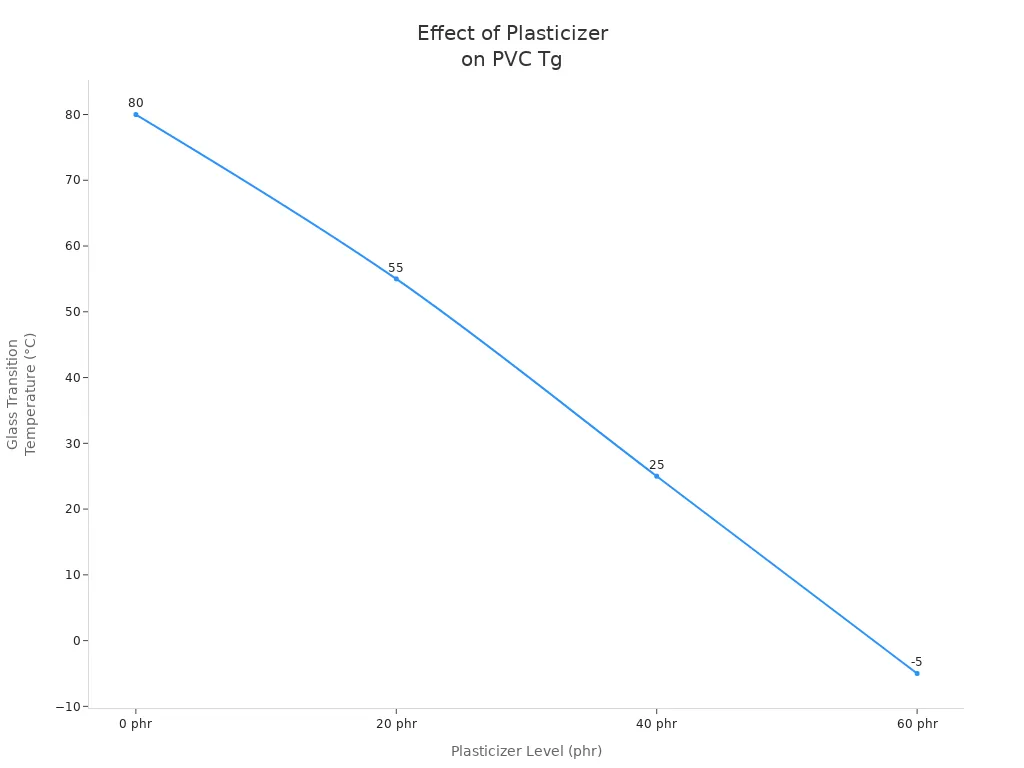
This change helps flexible pvc pipes work well in many places. Flexible pvc pipes can bend, twist, and stretch without snapping. That is why they are good for things like shower hoses, medical tubes, and electric wires.
Note: The world market for plasticizers in pvc is expected to reach US$ 20.8 billion by 2026. This is because more people want pvc for building, electric, and packaging jobs.
Types of Plasticizers Used
Enterprises employ various plasticizers in the production of PVC (polyvinyl chloride). The most common plasticizers used for flexible PVC piping include:
- Diisononyl phthalate (DINP)
- Dioctyl adipate (DOA)
- Trioctyl trimellitate (TOTM)
- Diisodecyl adipate (DIDA)
- Dioctyl sebacate (DOS)
- Epoxy monoesters
Phthalate plasticizers offer excellent performance and are widely used; however, their use has been restricted in certain regions due to health concerns. Non-phthalate plasticizers offer comparable performance while providing a superior safety profile. The table below compares these two types of plasticizers:
| Aspect | Phthalate Plasticizers | Non-Phthalate Plasticizers |
|---|---|---|
| Performance | Effective in various applications | Similar performance characteristics |
| Health Concerns | Associated with endocrine disruption and health risks | Developed to minimize health risks |
| Regulatory Scrutiny | Subject to restrictions in many regions | Generally compliant with stricter regulations |
| Cost | Typically lower cost | Often higher cost due to reformulation needs |
| Applications | Widely used but facing restrictions | Increasingly used in safety-sensitive applications |
The choice of plasticizer depends on the intended application of the PVC piping and relevant local regulations.
Flexible PVC piping is widely used across various sectors, including blood bags, electrical wiring, footwear, toys, medical catheters, and fluid transport lines. The GONGGONG brand’s flexible shower hose is a prime example; manufactured using specialized PVC materials and additives, these hoses are not only flexible and durable but also ensure consistent water flow, making them ideal for use in hotels, gyms, and homes.
Flexible PVC piping possesses unique characteristics compared to rigid PVC piping. While flexible pipes can withstand significant pressure and adapt to demanding operating environments, they have a relatively shorter service life. In contrast, rigid PVC piping offers exceptional strength and, with proper maintenance, can last for many years.
Tip: Companies pick modifiers and additives based on what they want the pvc pipes to do. This helps make sure the pvc is flexible, strong, and safe for its job.
Plasticizers vs. Other PVC Additives
Comparison with Stabilizers and Other Additives
PVC has many additives that change how it works. Each additive does something special in pvc pipes and other products. The table below lists the main types and what they do:
| Additive Type | Description |
|---|---|
| Stabilizers | Stop pvc from breaking down when heated by blocking acid and stopping rust. |
| Flame Retardants | Slow down fire and smoke, making pvc safer in fires. |
| Pigments | Give pvc different colors and help protect it from sunlight. |
| Waxes | Make pvc easier to shape during making, so it feels smoother. |
Stabilizers help pvc handle heat, hits, and fire better. Flame retardants like antimony trioxide work with pvc’s chlorine to stop fire. Pigments such as titanium dioxide add color and block sunlight. Waxes help make pvc easier to shape in factories.
Why Plasticizers Are Essential for Flexibility
Plasticizers differ from other additives used in PVC. They are the only additives capable of spacing out PVC molecular chains, thereby imparting flexibility to the material. This characteristic allows PVC piping to bend and stretch while retaining its original shape—an effect that other additives, such as stabilizers or waxes, cannot achieve. Research indicates that primary plasticizers (liquid substances with low volatility) effectively impart flexibility and demonstrate good compatibility with PVC. Secondary plasticizers also play a supporting role but cannot function effectively on their own.
Without plasticizers, PVC remains rigid. Only plasticizers can render PVC sufficiently pliable for the manufacture of products such as shower hoses or medical catheters. It is precisely this unique function that gives plasticizers a vital role in PVC products.
Plasticizers help pvc pipes bend and stay strong. They make pvc easier to use in many jobs. Other additives do not give pvc these special features. Plasticizers make pvc last longer, go in faster, and work better. The GONGGONG Flexible Shower Hose shows how these features help in real life. Some people think plasticizers are not safe or hurt the planet, but this is not always true.
| Benefit | Description |
|---|---|
| Flexibility | PVC bends and adapts easily |
| Durability | Properties last in tough conditions |
| Workability | Installation is simple and efficient |
FAQ
What is the main additive that makes PVC pipes flexible?
Plasticizers are the main additive. They let PVC pipes bend and stretch. Flexible shower hoses, like the GONGGONG Flexible Shower Hose, use plasticizers to stay bendy.
Are flexible PVC pipes safe for home use?
Yes, they are safe. Makers use approved plasticizers. These pipes meet rules for water and home plumbing.
How do flexible and rigid PVC pipes compare?
| Feature | Flexible PVC Pipe | Rigid PVC Pipe |
|---|---|---|
| Flexibility | High | Low |
| Common Use | Shower hoses | Drain pipes |
| Installation | Easy | Moderate |