
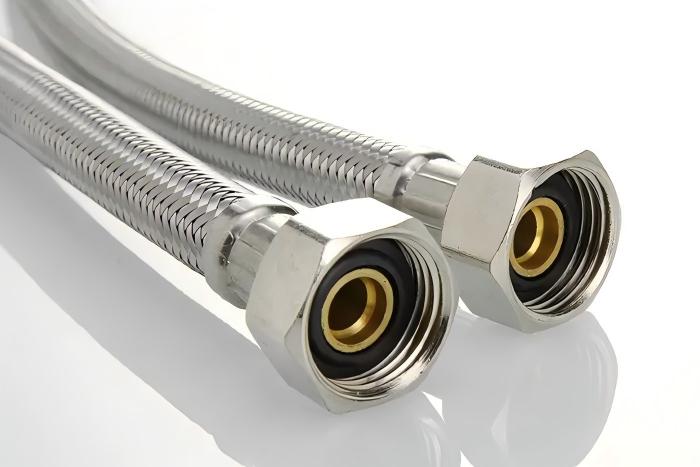
Braided hoses are designed to be robust and durable. The outer layer is typically made of stainless steel. The inner hose can be made of EPDM, PEX, or PVC. The choice of material for braided hoses is crucial as it affects the hose’s performance and safety. Many people prefer stainless steel because it is flexible and does not rust. With proper installation and maintenance, braided hoses can last 10 to 20 years or even longer.
- Stainless steel makes the hose stronger and helps prevent leaks in water systems.
- Good installation and maintenance help extend the lifespan of braided hoses.
- Environmental conditions and water quality are also important influencing factors.
Key Takeaways
- Braided hoses are robust, durable, and have a long service life. They are typically made of stainless steel, EPDM, PEX, or PVC.
- Regularly check for leaks and rust. This helps prevent water damage and extends the hose’s lifespan.
- Choose the best material based on your needs. Stainless steel is suitable for high-pressure environments. Polymer materials are lightweight and flexible.
- Replace braided hoses every 5 to 7 years. This ensures your piping system operates safely and reliably.
- Choose hoses certified such as NSF 61. This means they are safe for use in drinking water.
Types of Braided Supply Lines
Braided Stainless Steel
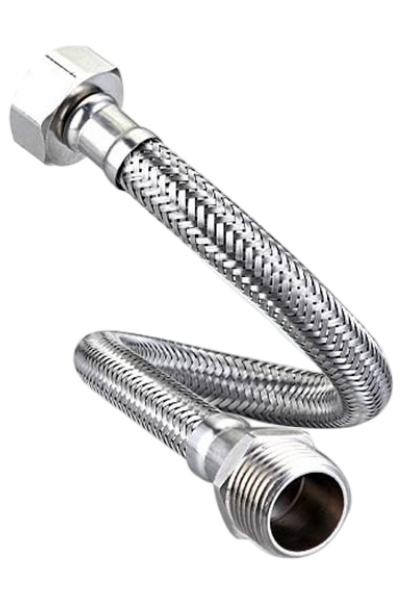
Braided stainless steel hoses are widely used. They have a strong stainless steel braided mesh on the outer layer. This braid protects the inner hose and enhances its strength. People choose braided stainless steel hoses because they don’t rust or corrode. They can withstand high water pressure without bursting.
GONGGONG is a top brand of this type of hose. They sell braided stainless steel hoses in various sizes. These hoses are suitable for kitchens, bathrooms, and factories. GONGGONG’s double-braided design provides extra safety for high-pressure water systems. You can also order custom hoses for special projects.
Some key advantages of braided stainless steel hoses include:
- Superior strength and durability
- High pressure resistance
- Corrosion and abrasion resistance
- Long service life and cost-effectiveness
Most braided stainless steel hoses have a service life of 5 to 8 years. Experts recommend replacing them every 5 to 7 years. This is especially important when installing new appliances.
Tip:Regularly check hoses for leaks or rust. Early detection helps prevent water damage.
Polymer and Nylon Braided Supply Lines Options
Polymer and nylon braided hoses are lightweight and flexible. These hoses are made from nylon and other synthetic materials. They can be installed in confined spaces and won’t kink. Plumbers prefer to use them for quick jobs that require bending.
Some features of polymer and nylon braided hoses include:
- Lightweight and easy to handle
- Flexible and twistable without breaking
- Resistant to chemical corrosion
GONGGONG also manufactures polymer and nylon braided hoses. Their hoses are of high quality and can be customized for special applications. Polymer and nylon hoses are suitable for both hot and cold water.
Note: Some areas have regulations regarding the use of plastic or polymer hoses. Always check local regulations before selecting these hoses.
Copper and Plastic Alternatives
Copper and plastic water supply pipes are other options. Copper pipes are very strong and can withstand high pressure; K-type copper pipes can withstand pressures up to 300 psi. However, copper tubing requires a rigid installation and may require welding or the use of specialized fittings.
Plastic tubing, such as PEX, is more flexible. PEX can withstand pressures up to 160 psi at 73°F. They are easy to install and can be run through walls or around corners. Some plastic tubing has a braided layer for added strength.
Here’s a quick comparison:
Reminder: Local regulations may dictate which materials you can use. Always comply with local regulations to ensure safety and legality.
GONGGONG sells hoses for a variety of needs. They offer hoses with copper fittings and PEX inner tubing. This provides customers with more options for their projects.
Inner Hose Materials in Braided Supply Lines
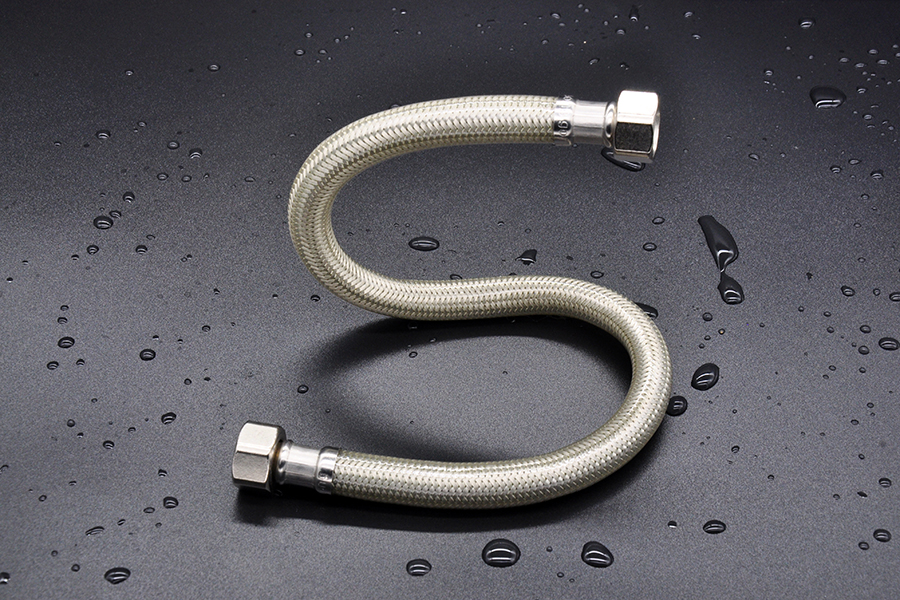
The inner core of a braided faucet hose is crucial. The core material affects the hose’s safety and strength, and also determines its lifespan. These hoses are often compared to rubber water supply hoses. Braided faucet hose cores offer numerous advantages. EPDM, PEX, and PVC are three of the most common core materials, each with its unique advantages and applications.
EPDM Core
EPDM stands for ethylene propylene rubber, a synthetic rubber. Many companies use EPDM as the core material for braided faucet hoses. EPDM maintains flexibility and strength in many situations and is suitable for both hot and cold water. EPDM is heat-resistant, waterproof, and resistant to many chemicals, making it ideal for both residential and commercial applications.
- EPDM core hoses are resistant to UV radiation, ozone, and extreme temperatures, with an operating temperature range of -40°C to +130°C.
- The flexible EPDM rubber core is not easily damaged. It is heat- and water-resistant.
- EPDM will not rust or corrode like some rubber water supply hoses.
EPDM core hoses should be replaced every five years. They don’t last as long as PEX, but are safer than older rubber hoses.
PEX Core
PEX stands for cross-linked polyethylene. This plastic is strong and flexible. Many people choose PEX for braided faucet hoses because it’s durable and doesn’t rust. PEX core hoses won’t burst or rust. They typically come with a 15-year warranty, indicating a long service life.
- PEX core hoses perform well in high-pressure and high-temperature systems.
- They don’t allow harmful chemicals to enter the water. This ensures safe drinking water.
- PEX won’t decompose in sunlight or hot water.
The following table lists the main advantages of various inner tubing materials:
| Material | Benefits |
|---|---|
| EPDM | Flexible, resists heat and chemicals, good for hot and cold water |
| PEX | Burst-proof, rust-proof, long lifespan, safe for drinking water |
| PVC | Smooth surface, resists corrosion and mineral buildup |
PEX inner core braided faucet hoses are used in kitchens and bathrooms. These hoses are more durable and easier to maintain than rubber water supply hoses.
PVC Core
PVC stands for polyvinyl chloride. This plastic has a smooth surface and is not easily corroded. Many braided faucet hoses use PVC as the inner core. PVC does not allow minerals to accumulate inside. The smooth surface helps water flow smoothly. PVC inner core hoses are best suited for low or medium pressure applications.
- PVC inner core hoses are lightweight and easy to install.
- Lower price than PEX or EPDM hoses.
- PVC will not rust or corrode.
PVC-lined hoses don’t last as long as PEX-lined hoses. They’re suitable for simple water usage but may require more frequent replacement.
Some people are concerned about chemicals in the hoses. Older rubber hoses and certain plastic products may release chemicals like BPA, phthalates, or lead into the water. These chemicals can be harmful to health, especially for children. Braided faucet hoses with PVC, EPDM, or PEX inner cores are safer if they meet NSF or lead-free standards. These hoses won’t impart an unpleasant odor to the water.
Braided faucet hoses feature a flexible inner tube and braided fiber or metal layers. This design makes the hose both strong and flexible, helping it withstand high pressure and temperature changes. Braided faucet hoses last longer and wear out more slowly than rubber hoses.
Tip: When choosing a braided faucet hose, always look for NSF certification or lead-free labels. This helps ensure the safety of your drinking and cooking water.
Table: Types of Hoses and Their Advantages
| Type of Hose | Advantages |
|---|---|
| Braided faucet hoses | Very durable, resist wear, good for home plumbing |
| Rubber supply lines | Flexible, but not as strong and need more replacements |
Braided faucet hoses with a suitable inner core ensure safe water use. They have a longer lifespan and lower maintenance costs. Choosing the right material helps protect your home environment and health.
Durability & Safety of Braided Supply Lines
Braided Supply Lines Corrosion and Leak Resistance
Braided stainless steel water supply hoses offer excellent corrosion resistance. The outer stainless steel mesh protects the inner hose from water and air corrosion, preventing rust and extending the hose’s lifespan in humid environments. Many people choose this type of hose to prevent leaks and water damage. Stainless steel is rust-resistant, ensuring the hose remains strong and durable for a long time.
GONGGONG hoses are made of double-braided stainless steel. The second braided layer makes the hose even stronger and helps prevent leaks. Double-braided hoses are ideal for use in kitchens, bathrooms, and factories. The smooth stainless steel outer layer also prevents mineral deposits, thus helping to prevent corrosion. Plumbers love these hoses because they are durable and perform exceptionally well.
Tip: Regularly check hoses for leaks or rust to ensure the safety of your water supply system.
Pressure Ratings and Burst Protection
Braided stainless steel water supply hoses can withstand high water pressure. GONGGONG’s double-braided design provides extra safety for homes and businesses. These hoses can withstand sudden changes in water pressure. This protects your appliances and plumbing components. The robust mesh structure prevents the hose from being overstretched or bent, ensuring unobstructed water flow.
The company tests these hoses to ensure they meet drinking water safety standards. They check each hose to ensure it can withstand pressure and is leak-proof. Many braided stainless steel water hoses have special certifications indicating their compliance with drinking water safety standards. Here are two important certifications:
| Certification | Description |
|---|---|
| NSF 61 | Makes sure the hose is safe for drinking water. |
| UPC | Shows the hose is good quality for home plumbing. |
GONGGONG follows these standards to produce safe and durable hoses. Their hoses meet world standards for rust and leak prevention. You can rely on these hoses for important water connections.
Braided Supply Lines Maintenance and Replacement Tips
Braided Supply Lines Signs of Wear
You can identify problems with your water supply lines by looking for warning signs. These signs help prevent leaks and ensure safe water use. Some common signs of wear include:
- Cracks, kinks, or rust on the outside of the hose
- Rust or discoloration (such as fading) in the braided mesh
- Repeated leaks in the same spot
- Bulging or bubbles in the hose
These signs indicate that the hose is aging. If you notice these problems, check the hose immediately. Timely intervention helps stop leaks and protects your home from water damage.
Tip: Regularly check water supply hoses under the sink, behind the toilet, and near appliances. Early detection saves money and effort.
When to Replace Braided Supply Lines
Don’t wait until a serious leak occurs to replace your water supply hose. Old or damaged hoses can burst suddenly, causing water damage and even endangering your safety. Regularly checking hoses and repairing them promptly helps prevent unexpected problems.
Experts recommend replacing water supply hoses every five to seven years, even if they appear intact. Humid environments accelerate the rusting of stainless steel hoses. Rubber hoses can crack or burst over time. If you find any damage, replace the hose immediately.
A simple plan helps ensure plumbing safety:
| Hose Type | Suggested Replacement Interval |
|---|---|
| Stainless Steel | Every 5-7 years |
| Polymer/Nylon | Every 5 years |
| Rubber | Every 3-5 years |
Following these recommendations helps ensure home safety and a smooth water supply.
Braided water hoses are made of stainless steel, nylon, or polymer. Each material has its advantages. The table below lists the main advantages:
| Material | Key Benefits |
|---|---|
| Stainless Steel | Bends easily, does not rust, works with high pressure |
| Nylon | Light, bends well, does not wear out fast |
| Polymer | Saves money, simple to put in |
The material you choose will affect the hose’s lifespan and safety. Local regulations may dictate which material you should use. Many experts recommend hoses from brands like GONGGONG because they are safe and durable.
FAQ
What are the main benefits of using braided stainless steel water supply pipes?
Braided stainless steel water supply pipes offer strong leak-proof and rust-proof properties and have a longer lifespan than many other types of water supply pipes. Many people choose them for kitchens and bathrooms because they withstand high water pressure well.
How often should braided water supply pipes be replaced?
Most experts recommend replacing braided water supply pipes every 5 to 7 years. Checking for signs of wear annually helps prevent leaks and water damage.
Can braided water supply pipes be used for both hot and cold water?
Yes, braided water supply pipes can be used for both hot and cold water. Brands like GONGGONG design their hoses with temperature variations in mind, ensuring their strength doesn’t decrease.
Is braided water supply pipe safe for drinking water?
Please choose hoses with certifications such as NSF 61 or UPC. These certifications indicate that the hoses are safe for drinking water. GONGGONG hoses meet global drinking water system standards.
What should I do if my braided hose shows signs of damage?
If the hose develops cracks, bulges, or leaks, replace it immediately. Acting quickly helps protect homes from flood damage.