
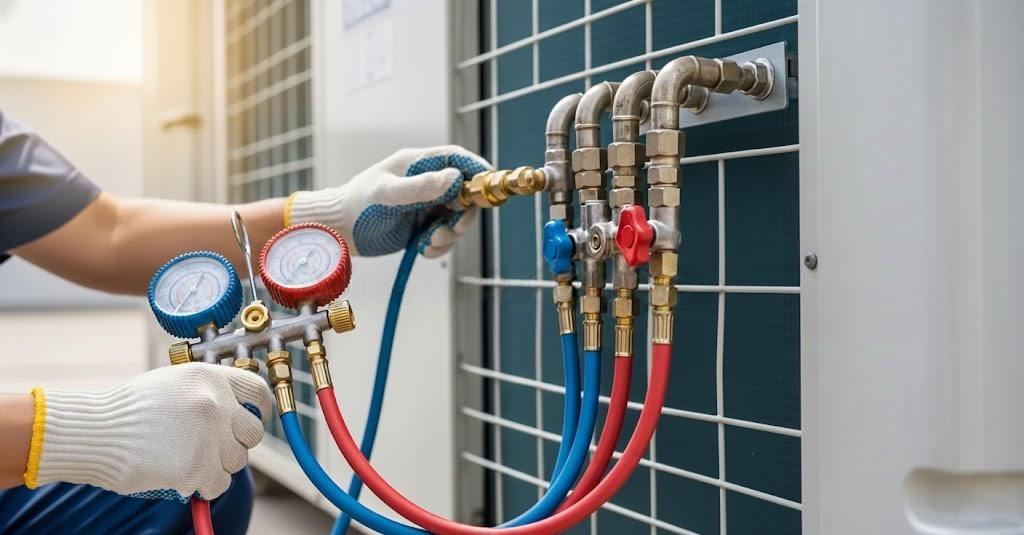
Quick couplings can encounter several common problems that can affect equipment performance and jeopardize user safety. Users often face various challenges during connection, which can lead to leaks. Vibration can also cause damage, and contamination is another concern. Improper use can lead to malfunctions, and improper installation can also cause problems.
- In harsh environments, choosing the wrong material can cause premature coupling failure.
- Using the wrong size or failing to check compatibility can lead to leaks or equipment malfunctions.
- Exceeding pressure limits can cause serious malfunctions.
- Neglecting maintenance increases the likelihood of overlooked damage.
GONGGONG hoses are designed with robust and durable materials and are leak-proof, effectively addressing these common problems encountered by professionals and home users.
Key Takeaways
- Always let out system pressure before you connect or disconnect quick release couplings. This keeps people safe and stops leaks from happening.
- Check and clean couplings often. This stops dirt from building up. Dirt can make couplings come apart and cause equipment to break.
- Pick the right material and size for couplings. Make sure they fit the system’s pressure and the place where they are used. This helps stop leaks and keeps things from breaking.
- Install and line up couplings the right way. This lowers stress and wear. It helps couplings last longer and keeps equipment working well.
- Follow maintenance tips like adding lubricant and changing old parts on time. This keeps couplings safe and working right.
Quick Release Couplings:Pressure and Misalignment Challenges
Residual Pressure Effects
Quick couplings can encounter several common problems that can affect equipment performance and jeopardize user safety. Users often face various challenges during connection, which can lead to leaks. Vibration can also cause damage, and contamination is another concern. Improper use and incorrect installation can both cause malfunctions.
In harsh environments, choosing the wrong material can lead to premature coupling failure.
Using the wrong size or failing to check compatibility can result in leaks or equipment malfunction.
Exceeding pressure limits can lead to serious malfunctions.
Neglecting maintenance increases the likelihood of overlooked damage.
GONGGONG quick-connect hoses are designed with robust and durable materials and are leak-proof, effectively addressing these common problems encountered by professionals and home users.
Tip: Always let out system pressure before you try to connect or disconnect quick release couplings. This helps keep everyone safe.
The table below shows the most common pressure problems:
| Type of Failure | Description |
|---|---|
| Incorrect Hydraulic Coupler | Most failures happen when the wrong hydraulic coupler is used. |
| Safety Risks | Connection problems can hurt people or even cause death. This is very dangerous for workers. |
| Financial Losses | Problems can cost a lot of money. Unplanned shutdowns can cost thousands or even more. |
Residual pressure can also make valve springs weak and break seals. This is worse if the system runs with too much pressure. Over time, heating and cooling can make seals weaker. This can cause leaks and mean more repairs are needed. These are some of the most common problems at work and at home.
Misalignment Problems
Misalignment is another big problem. If couplings are not lined up right, you have to push too hard to connect them. This puts too much stress on the inside parts. Parts can wear out fast or even break. Misalignment can also make leaks happen because seals do not fit right.
The table below shows what misalignment does to different parts:
| Component | Effect of Misalignment |
|---|---|
| Bearings | Uneven force makes bearings wear out, get hot, and break. |
| Seals | Stress can make seals leak or break. This lets dirt in and oil out. |
| Couplings | Too much force can wear out or break couplings. This stops power and hurts equipment. |
| Shafts | Bending can make shafts crack or break. This makes failure more likely. |
| Pumps, Motors, Gearboxes | More shaking and pushing shortens the life of inside parts. |
Making sure everything lines up right helps couplings work better and last longer. Checking often and installing carefully can stop these problems. This keeps both machines and people safe.
Quick Release Couplings:Disconnection and Locking Issues
Difficulty Disconnecting
Many people find quick couplings difficult to disassemble. This problem reduces work efficiency and is frustrating. Both workers and homeowners may encounter this issue. Repair technicians have summarized the following main reasons:
- Dust and other foreign objects can enter the coupling. Tiny debris can clog moving parts, making disassembly difficult.
- Frequent use of the coupling can cause wear and tear on internal parts. The worn parts rub against each other, causing the coupling to jam.
- Incorrect use or installation of the coupling can also cause it to jam. Forcing disassembly or using the wrong coupling can damage it.
- Pressure issues, such as excessive or insufficient pressure, can also cause the coupling to jam and become difficult to disassemble.
Tip: Clean and check the coupling often to stop dirt from building up. Always make sure it is put in right and let out pressure before taking it apart.
These are some of the most common problems with quick release couplings. Fixing them early can save time and stop damage to equipment.
Locking Mechanism Failures
Locking mechanism malfunctions can be dangerous and cause work interruptions. If the lock malfunctions, the coupling may come loose unexpectedly. Sometimes, it may not even be able to loosen at all. This can lead to leaks, equipment damage, and even personal injury.
There are many reasons why locking mechanisms may fail:
- Wearing internal parts can cause the lock to slip or jam.
- Dirty deposits can clog the locking pins or sleeves, preventing them from working properly.
- Incorrect assembly of parts or the use of incorrect parts can damage the lock.
Proper maintenance of the coupling and the use of secure locks can effectively prevent these problems. Always follow the manufacturer’s instructions for the installation and use of the coupling. Understanding these issues helps ensure safety and keeps the connection in good condition.
Quick Release Couplings:Frequent Disconnections and Movement
Causes of Frequent Disconnections
Frequent disconnections can stop work and make equipment less reliable. Many people say this is a common problem at work and at home. There are several reasons why couplings disconnect more than they should:
- Incorrect Installation: If workers do not secure the coupling well, it can come loose while being used.
- Vibration: Machines that shake a lot can make couplings come apart. This happens more in places with pumps, compressors, or big tools.
- Worn Components: Locking balls, pins, or sleeves can wear out over time. Worn parts do not keep the connection tight.
- Improper Selection: Picking a coupling that does not fit the pressure or flow can cause it to disconnect often.
- Contamination: Dirt or debris inside the coupling can stop it from locking right.
Note: Checking and cleaning couplings often helps prevent surprise disconnections.
Excessive Movement Impact
Excessive swaying can damage quick couplings and the equipment they connect to. Swaying occurs when hoses are stretched, twisted, or bent during operation. This stress reduces the strength of the connection, leading to leaks or malfunctions.
The table below shows how swaying affects couplings:
| Movement Type | Possible Impact on Coupling |
|---|---|
| Pulling | Can stretch or break the connection |
| Twisting | May cause inside parts to wear |
| Bending | Can lead to cracks or leaks |
| Vibration | May loosen locking mechanisms |
When couplings disconnect or move too much, fixing them costs more and takes time. In business settings, these problems can slow down projects and hurt productivity. Using hoses with anti-kink and anti-twist features, like the GONGGONG Quick Connect Hose, helps keep connections safe and lowers these risks.
Quick Release Couplings:Temperature and Material Concerns
High Temperature Effects
High temperatures can cause serious problems for quick couplings. If system temperatures get too high, seals and internal components can soften or crack. This can lead to leaks or a drop in system pressure. Sometimes, the coupling may even fail simultaneously. HVAC and plant workers need to closely monitor temperatures to prevent these problems.
Different materials react differently to heat. Rubber couplings may crack at temperatures exceeding 82°C (180°F). Ethylene propylene diene monomer (EPDM) couplings can withstand temperatures up to 149°C (300°F). Stainless steel couplings can withstand temperatures up to 538°C (1,000°F). Composite polymer couplings function normally below 121°C (250°F). The table below lists the maximum temperatures that various materials can withstand:
| Material Type | Temperature Range (°F) | Temperature Range (°C) |
|---|---|---|
| Rubber Couplings | -20°F to 180°F | -29°C to 82°C |
| EPDM Couplings | -40°F to 300°F | -40°C to 149°C |
| Stainless Steel Couplings | Up to 1,000°F | Up to 538°C |
| Composite Polymer Couplings | -40°F to 250°F | -40°C to 121°C |
Tip: Always check how hot a coupling can get before using it in places with high heat.
Material Integrity
For quick couplings, material integrity is paramount. If the material cannot withstand high temperatures or pressures, problems such as cracking, bending, or rusting may occur. These problems are common in both workplaces and homes.
Stainless steel offers excellent heat resistance and corrosion resistance, making it ideal for high-intensity operations. Ethylene propylene diene monomer (EPDM) rubber and composite polymers offer good flexibility and chemical resistance, but have poor heat resistance. Rubber couplings are suitable for general applications, but they age rapidly in high-temperature or highly corrosive environments.
Choosing the right material helps extend the coupling’s lifespan and ensure its safety. Regular inspection of the coupling helps detect damage early, reducing the risk of leaks or malfunctions.
Quick Release Couplings:Sleeve and Operation Problems
Hard-to-Slide Sleeve
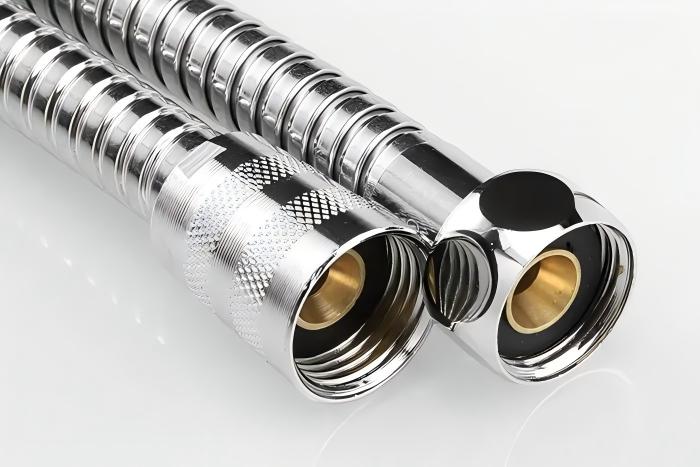
A sleeve that’s difficult to turn will reduce work efficiency. This can be frustrating for both workers and those at home. If the sleeve gets stuck, connecting or disconnecting the coupling becomes difficult. This problem usually occurs when the coupling is improperly maintained or placed in a rough environment. Sometimes, people also press the sleeve too hard.
There are many reasons why a sleeve might harden:
- Insufficient lubrication or grease on the moving parts.
- Dust or hard objects have accumulated on the sleeve.
- Frequent use of the coupling or rough handling.
Tip: Workers should check sleeves often and use the right oil or grease. Doing this keeps the sleeve moving well and stops problems before they happen.
Dirt and Wear
Dirt and wear are two major problems faced by quick couplings. Dirt can clog the locking mechanism, making the coupling difficult to use. Wear on seals and O-rings can lead to leaks. Leaks reduce system efficiency and safety. Even when the coupling is tightened, dirt on the seals can still cause leaks.
Regular inspection can effectively solve these problems:
- Clean the coupling before and after use.
- Inspect the seals and O-rings for wear.
- Remove dirt from the locking components.
- Replace worn or damaged components immediately.
Inspecting and cleaning the coupling helps it function properly and ensures safety. Keeping components clean helps the locking mechanism work properly and prevents malfunctions. During operation, these steps help reduce waiting time and ensure smooth operation.
Quick Release Couplings:Seal and O-Ring Failures
Seal Damage
One of the most common failures of quick couplings is the failure of seals and O-rings. Seals are crucial because they prevent leaks and maintain system pressure. If a seal or O-ring is damaged, the entire connection may fail to function properly. The following conditions can damage seals:
- Small, rough debris can scratch or cut the seal.
- Excessive pressure can crush or destroy O-rings.
- Chemicals can cause seals to swell, crack, or harden.
- High temperatures accelerate seal wear and reduce their elasticity.
Seal damage is often only noticed when a leak is detected or the system malfunctions. Even minor leaks can cause machine downtime and increase repair costs. Regularly inspecting seals and replacing them when necessary helps prevent these problems.
Tip: Pick couplings with seals made from materials that fit the system’s pressure, temperature, and chemical needs.
Leak Detection
Finding leaks early helps keep things safe and working well. Experts say you should use both looking and touching to check for leaks. The table below shows good ways and how often to check for leaks in quick release couplings:
| Inspection Frequency | Method of Detection |
|---|---|
| Before each use | Look at the coupling and where it connects for cracks, wear, bent parts, or dirt. |
| Every 6 months | Check hydraulic quick connect couplers for normal air or low-pressure systems. |
| Every 3 months | Check medium and high-pressure hydraulic systems. |
| Every 1-2 months | Check systems that work with strong chemicals or in tough places. |
| Daily | Look at O-rings and change them if they look bent or wrong. |
| If leak occurs | Look at where the leak is and check for loose, bent, or broken parts. |
| If visual is insufficient | Touch the connector or hose to feel if it is wet. |
| If still undetermined | Take apart the hose or quick coupler to test the inside. |
Workers should always check for leaks before turning on machines. They can find leaks by looking for fluid around the coupling or feeling if it is wet. If they still cannot find the leak, taking the connection apart can help find hidden problems. Finding and fixing leaks early saves time and keeps equipment safe.
Preventive Measures and Solutions
Maintenance Tips
Experts say it is important to take care of quick release couplings. Companies should check them often for leaks, damage, or worn parts. Cleaning the couplings gets rid of dirt and small bits. This helps the seal stay strong. Putting oil or grease on moving parts makes them last longer and work better.
| Maintenance Practice | Description |
|---|---|
| Regular Inspection | Checking for damage, leaks, or wear can stop problems early. |
| Cleaning | Cleaning off dirt and bits helps the seal and makes couplings last longer. |
| Lubrication | Using oil or grease on moving parts stops them from wearing out fast. |
Checking couplings often helps find problems before they get worse. Cleaning them makes them work better and last longer. If you skip these steps, machines can break and people can get hurt.
Proper Selection
Picking the right quick release coupling is very important. It keeps people safe and helps machines work well. Companies need to think about what the coupling is made of, its size, how much pressure it can take, and where it will be used. The right choice stops leaks and keeps things from breaking.
| Criteria | Description |
|---|---|
| Material | Pick a material that is strong, does not rust, and works with the fluid. |
| Size and Compatibility | Make sure the size fits the hose or pipe so it does not leak. |
| Pressure Ratings | The coupling must handle the pressure of the system. |
| Environmental Conditions | Think about heat, chemicals, and other things that could hurt the coupling. |
The GONGGONG Quick Connect Hose is made to stop leaks and handle high pressure. It fits many systems and does not twist or kink. This helps it work well in busy places.
Training and Safe Practices
Learning how to use quick release couplings the right way is important. Workers should know how to put them in and take them out safely. They also need to check for leaks and damage. Good training helps stop accidents and keeps machines working.
| Standard | Description |
|---|---|
| ISO 7241 | This is a rule for hydraulic quick couplings. |
| ISO 6150 | This rule is for pneumatic couplings. |
| SAE J2044 | This rule is for car fluid connections. |
| RoHS & REACH Compliant | These rules make sure materials are safe for people and the planet. |
The GONGGONG Quick Connect Hose follows these rules, so people can trust it. If companies do these things, they can stop most problems and help their equipment last longer.
Knowing the usual problems with quick release couplings helps companies save money and keep machines working. They can stop long breaks and fix things for less money by checking equipment often, watching it in real time, and doing regular checks, as shown below:
| Practice | Benefit |
|---|---|
| Proactive Maintenance | Less time stopped and saves money |
| Real-time Monitoring | Warnings come early if something is wrong |
| Regular Maintenance Checks | Machines work better and break less |
Picking good products like the GONGGONG Quick Connect Hose and using smart steps helps everything work well.