
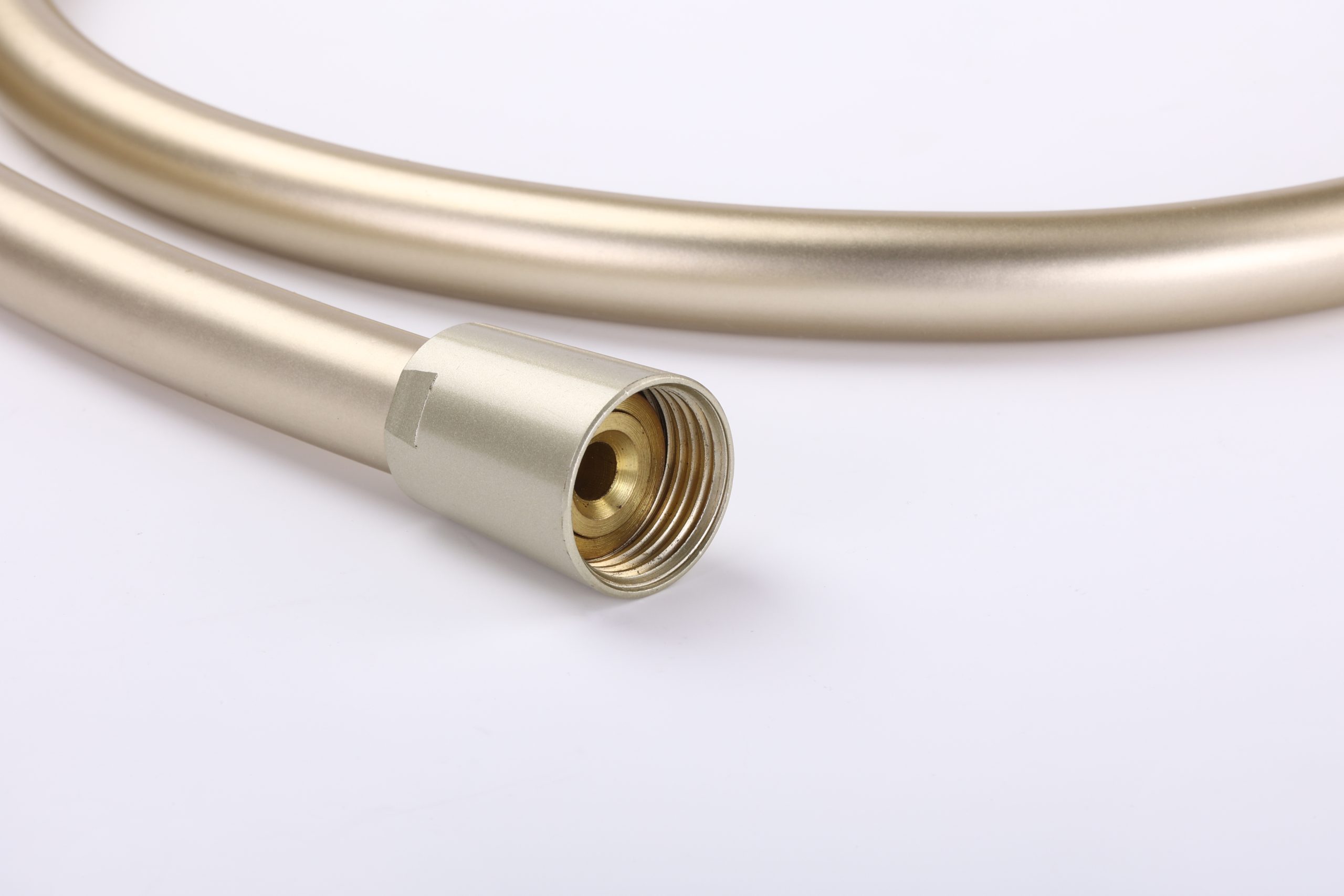
Plumbing professionals need to understand the drawbacks of flexible PVC. Its main shortcomings include lower pressure ratings, susceptibility to chemical degradation and insufficient structural rigidity. When buried underground, flexible PVC pipe can easily deform under backfill load, while rigid PVC delivers far greater strength and longer service life.
Key Takeaways
- Flexible PVC supports lower working water pressure.
- It is prone to crushing under overburden soil weight.
- Rigid pipe offers substantially higher mechanical strength.
- Direct sunlight deteriorates flexible PVC walls.
- Aggressive chemicals also cause pipe degradation.
- Rodents and insects can chew through the material.
- Degradation accelerates over time.
- Joint leakage leads to additional operational costs.
- Rigid PVC minimises leakage risks.
- Proper specialised cement delivers reliable sealing for flexible PVC.
Physical Limitations of Flexible PVC
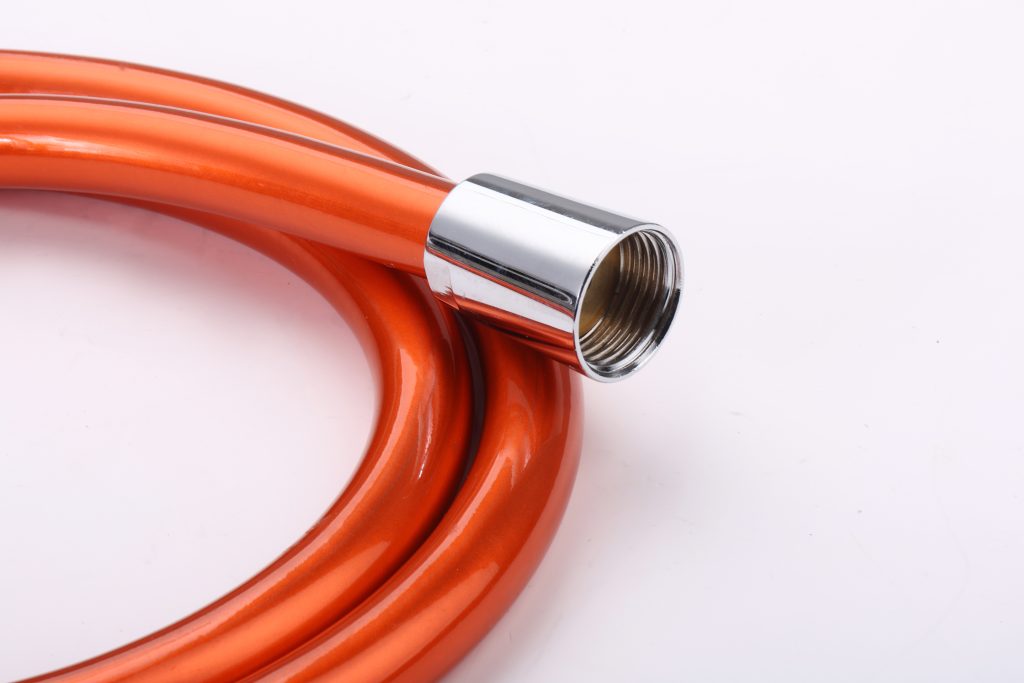
Flexible vinyl pipe simplifies installation, yet lacks robust structural strength. Contractors should evaluate these critical weaknesses to select suitable piping solutions.
Lower Pressure Thresholds
Rigid pipe withstands internal pressure effectively, whereas flexible hose cannot handle high loading. Schedule 40 flexible PVC hose carries a maximum working pressure of 60 PSI at 70°F. Standard rigid pipe achieves far higher pressure resistance. A 1.5-inch rigid PVC pipe withstands 198 PSI, while the equivalent flexible PVC hose is only rated for 65 PSI.
Chart comparing maximum working pressure (PSI) of Schedule 40 and Schedule 80 PVC pipe across nominal diameters ranging from 1/2 inch to 2 inches.
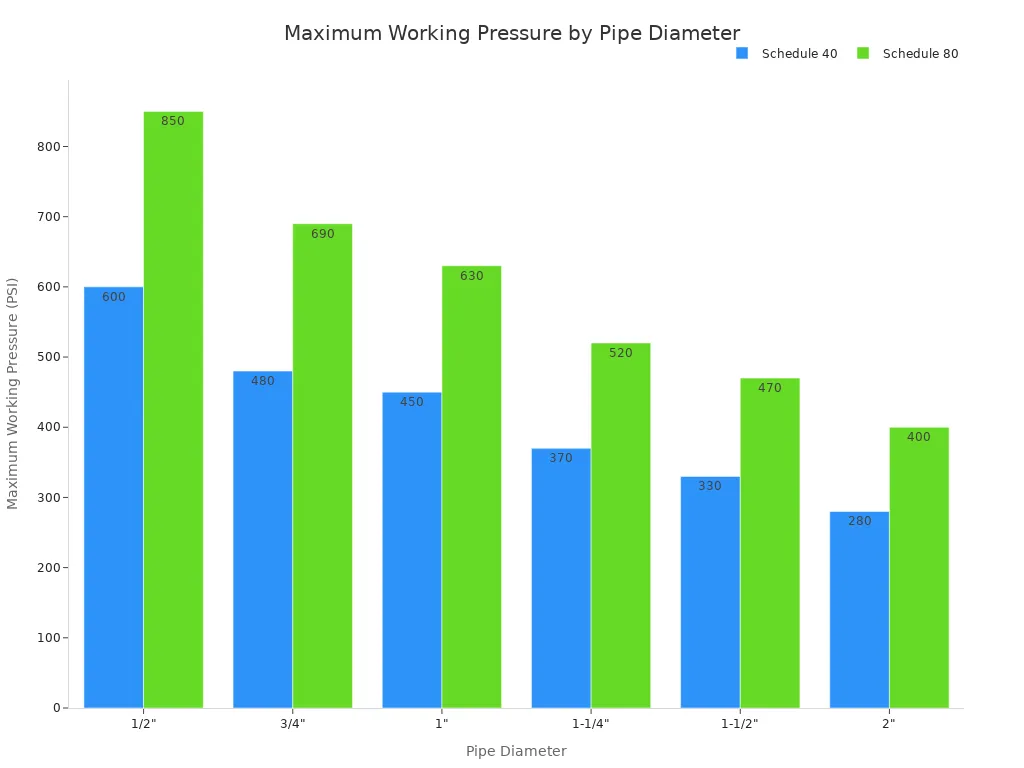
This table shows normal pressure limits for rigid pipes:
| Pipe Diameter | Schedule 40 Maximum Working Pressure (PSI) | Schedule 80 Maximum Working Pressure (PSI) |
|---|---|---|
| 1/2″ | 600 | 850 |
| 3/4″ | 480 | 690 |
| 1″ | 450 | 630 |
| 1-1/4″ | 370 | 520 |
| 1-1/2″ | 330 | 470 |
| 2″ | 280 | 400 |
Strong water surges pop soft outer walls. Heavy water pressure needs solid pipe walls.
Crush and Puncture Vulnerability
Plasticisers enable PVC flexibility but soften the pipe wall. Sharp rocks and construction tools easily pierce flexible hose. Heavy machinery can crush flexible PVC rapidly. Schedule 40 and Schedule 80 rigid pipe provide superior impact resistance. A shovel strike may only crack rigid pipe, yet the same impact can slice flexible hose completely. Continuous heavy loads flatten the tubing, gradually restricting internal flow capacity.
Underground Backfill Risks
Direct burial of flexible pipe creates significant physical hazards. Soil shifts under overburden weight and traffic loads. Backfill pressure compresses buried flexible PVC during filling and compaction work. Flexible tubing crushes much more readily than Schedule 40 or Schedule 80 rigid PVC. Fully compacted soil can flatten flexible lines, resulting in blockages and joint failure.
Ground movement and soil compaction lead to crushed underground flexible piping.
Plumbing codes generally discourage direct burial of bare flexible PVC. Installers must run flexible lines inside protective conduits, or opt for rigid PVC for underground applications.
Chemical and Environmental Weaknesses of Flex PVC
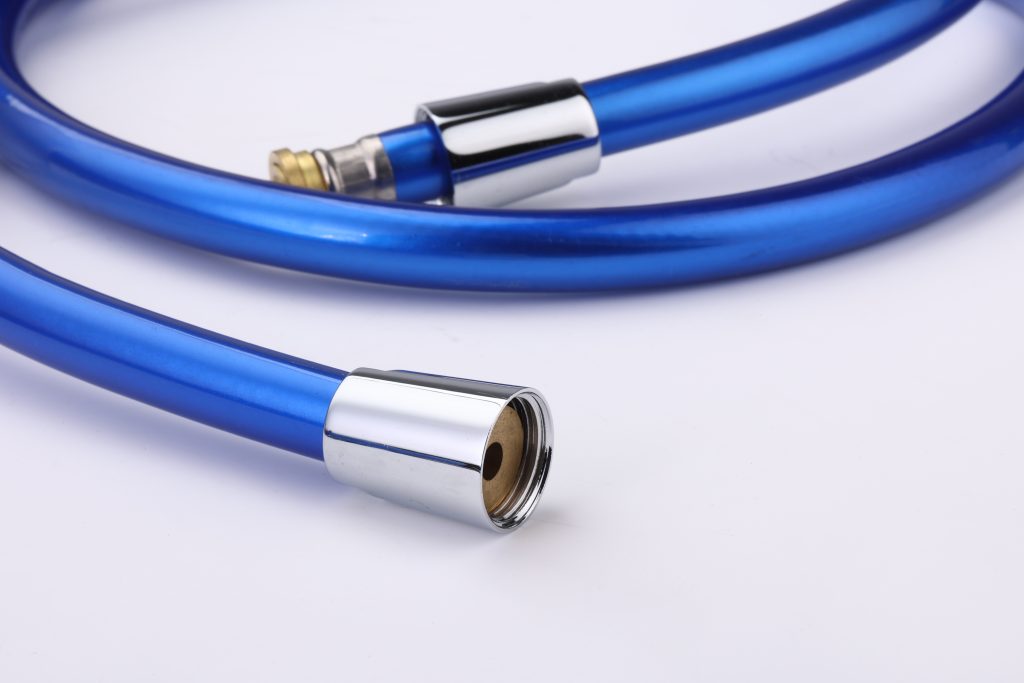
Chemical and UV Degradation in Flex PVC
Long-term sunlight exposure damages plastic tubing. UV radiation attacks the outer surface of flexible PVC, causing discoloration to a dull brown tone. Sunlight breaks down internal plasticising components. The flexible PVC becomes hard and brittle, with rapid loss of mechanical strength. Exposed outdoor lines must be shielded. Pool treatment chemicals also erode pipe walls. Chlorine continuously attacks flexible PVC surfaces, while strong acids create deep internal cracking. Chemical degradation severely weakens pipe walls and shortens overall service life.
Plasticizer Leaching and Pest Attraction
Softening chemicals give flexible pvc its bend. These liquid additives leak into soil slowly. Chemical leaching happens steadily over 120 days. Leak amounts depend on internal chemical levels. Higher chemical amounts increase total leaching fast.
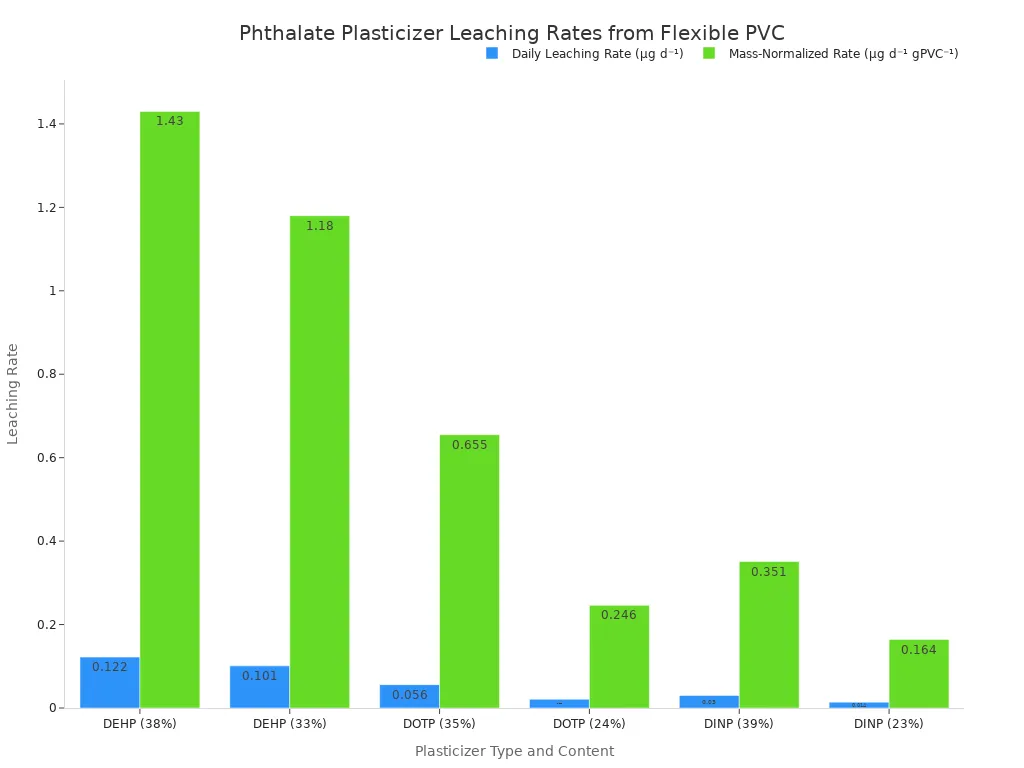
This table shows measured plasticizer release rates across common formulations:
| Plasticizer Type and Content | Daily Leaching Rate (μg d⁻¹) | Mass-Normalized Leaching Rate (μg d⁻¹ gPVC⁻¹) |
|---|---|---|
| DEHP (38%) | 0.122 | 1.43 |
| DEHP (33%) | 0.101 | 1.18 |
| DOTP (35%) | 0.056 | 0.655 |
| DOTP (24%) | 0.021 | 0.246 |
| DINP (39%) | 0.030 | 0.351 |
| DINP (23%) | 0.014 | 0.164 |
Escaping chemicals create strong smells later. These smells attract pests like bugs. Insects smell chemicals in wet soil easily. Hungry bugs bite soft hose walls easily. Small holes make big water leaks quickly. Animal bites cause huge pipe leaks fast.
Temperature Limits in Extreme Environments
Standard flexible PVC performs poorly under extreme weather. Unprotected vinyl pipes are vulnerable in freezing winter conditions. Low temperatures increase brittleness, and expanding ice can split weakened pipe walls. Repeated temperature cycling causes structural separation. High-temperature environments also affect conventional PVC. Hot water accelerates degradation of flexible PVC lines. Rising temperatures rapidly reduce pressure ratings and weaken pipe structure under flowing conditions.
Plumbing projects require robust, dependable materials. Standard flexible PVC cannot withstand demanding operating environments. Established suppliers such as GONGGONG offer alternative solutions. Manufacturers utilise durable 304 stainless steel, flexible silicone and rubber materials. Premium products adopt pure silicone or EPDM construction. These formulations effectively resist thermal damage and deliver strong protection against pest activity.
Disadvantages of Flex PVC in Installation
Plumbers encounter practical challenges during pipe fitting. Combining different PVC pipe varieties creates inherent weak points within piping systems.
Flexible PVC Joint Leak Risks
Specialised couplings connect flexible PVC hose to rigid fittings, and these connections are prone to slow, progressive leakage. Internal water pressure exerts constant force on movable joint edges. Soil displacement shifts flexible hose while rigid fittings remain stationary.
Recurring movement creates cyclic stress on glued joints. Ordinary rigid PVC cement cannot stretch alongside flexible pipe walls. Microcracks develop within the adhesive layer during regular water flow, allowing water to seep gradually into surrounding ground.
Requirement for Specialised Solvent Cements
Installers must source dedicated solvent cement formulated for flexible PVC hose. Products including Weld-On® 795™ contain critical elastomer additives. These custom chemical blends soften mating surfaces to achieve proper fusion bonding.
Standard PVC cement lacks these essential elastomer components. Once cured, it forms a rigid, brittle adhesive layer. This hardened layer fractures when flexible PVC tubing deflects. Poor adhesion results in complete joint separation and substantial water leakage.
Higher Long-Term Material Costs
Flexible hose carries a higher per-foot cost than basic rigid PVC, increasing upfront project expenses. Specialised adhesives further raise initial material costs for property owners.
Frequent repairs drive up total ownership costs over time. Leaking joints require excavation and full pipe replacement. Servicing damaged flexible PVC leads to sharply increased labour expenses.
Plumbers generally avoid flexible PVC for underground routing and high-pressure zones. Soft tubing is vulnerable to pest damage and soil crushing. Schedule 40 rigid PVC offers superior load resistance. PEX or fibre-reinforced PVC hose deliver extended service life. Selecting high-grade piping reduces ongoing maintenance expenditure.
FAQ
Can flexible pvc pipe withstand direct burial?
Ground shifts squash bare flexible pvc pipe underground fast. Dirt weight crushes soft walls. Plumbers use rigid Schedule 40 pipes outdoors instead. Outer protective conduits also shield buried lines.
Why do flexible pvc joints leak more often?
Moving pipes stress connections constantly over long periods. Regular glue cracks very easily. Specialized solvent cements fix these spots. Using Weld-On 795 stops ongoing water leaks.
What is the pressure limit for flexible pvc hose?
A 1.5-inch flexible pvc hose holds 65 PSI. This limit applies at 70°F temperatures. Strong water surges pop soft walls quickly. Rigid pipe works much better for high-pressure setups.