
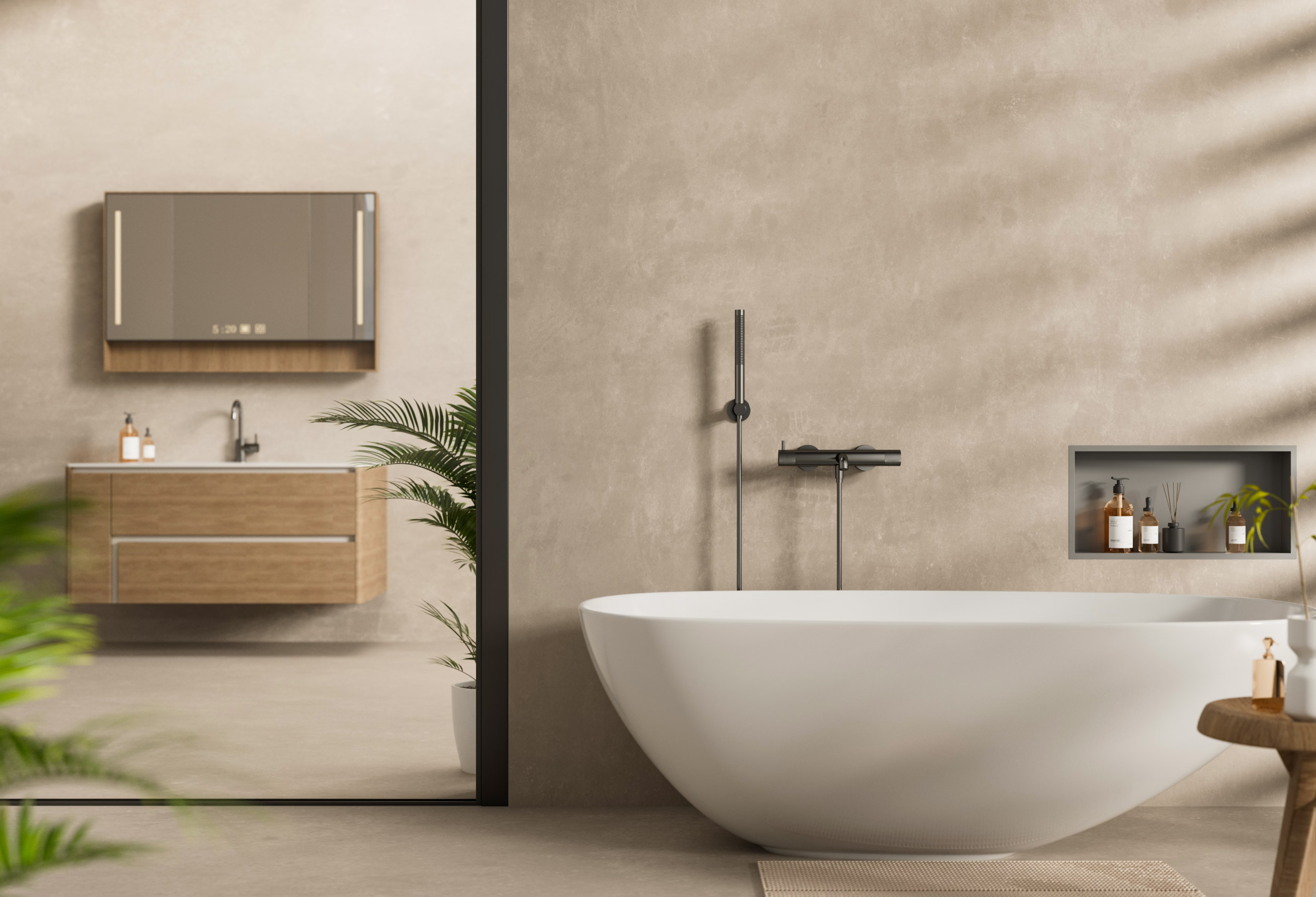
For most people, a flexible shower hose between 1.5 and 2 meters (approximately 5 to 6.5 feet) in length is the most suitable choice. This length offers an ideal balance of reach and flexibility, while minimizing the risk of tangling or creating a cluttered appearance. When determining the best length for your needs, consider factors such as your ceiling height, your personal range of motion, and the overall size of your bathroom. Many standard shower sets available on the market already include a 1.5-meter hose. This guide explains why that is the case and offers tips to help you make the right selection.
Key Takeaways
- For most bathrooms, a shower hose with a length between 1.5 and 2 meters (5 to 6.5 feet) is recommended.
- Choose the hose length based on the size of your bathroom space and your personal movement requirements.
- Before purchasing a new hose, measure the intended path it will follow and allow for some extra length.
Why This Shower Hose Length Works
Fits Standard Heights
Height is the primary limiting factor to consider when purchasing a shower hose. In construction, most showerheads are installed at a standard height of 80 inches (203 cm) from the floor—measured from the floor to the face of the showerhead where the water emerges.
The standard shower head height hovers around 80 inches (203 cm) from the floor to the spray face.
A hose with a length of 1.5–2 meters (59–72 inches) is well-suited for this type of installation. This length provides enough slack for users to remove the showerhead from its holder—whether to rinse a child or to clean the shower enclosure—without putting strain on the connections. A 1.5-meter (approx. 59-inch) hose is the most common and versatile choice for most households. The 63-inch option is often considered ideal for showering, as it offers greater freedom of movement and a more comfortable experience. Regardless of the length chosen, users can easily maneuver the showerhead to wherever it is needed.
Balances Reach and Flex
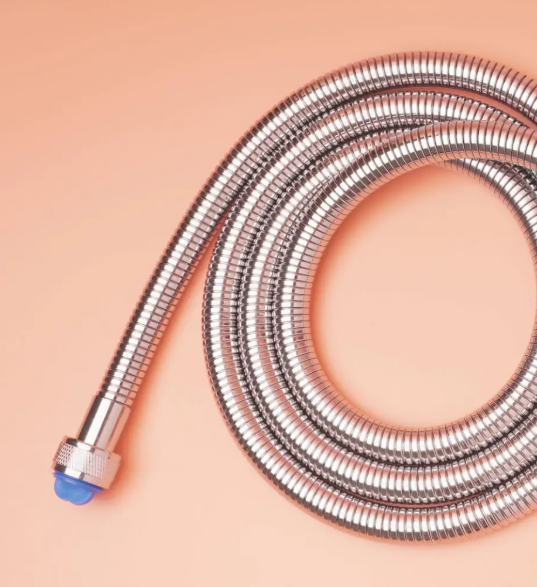
This product line offers ample range of motion while eliminating the common issues of tangling, knotting, and twisting often associated with long, flexible hoses. The 59-inch (approx. 150 cm) stainless shower hose is both flexible and convenient, allowing for free movement and easy reach during a shower, all while maintaining a steady water flow. Excessively long hoses increase flow resistance, which can reduce the water output from the showerhead; furthermore, long hoses are prone to tangling, and pulling on a knotted hose can easily cause damage.
Hoses featuring a braided design effectively resolve these problems. GONGGONG has been manufacturing stainless steel braided hoses since 2000; their products are meticulously engineered to prevent twisting while striking an optimal balance between flexibility and strength. For specific requirements, customers can even customize the length or diameter of the hose to suit their installation space. Since most shower fixtures utilize a 1/2-inch connection, the primary variable to consider when purchasing is the length rather than the connector size. A 63-inch (approx. 160 cm) hose is considered ideal for unrestricted movement, while an 80-inch (approx. 200 cm) hose provides generous reach—sufficient even for showering while standing in a bathtub or when the faucet is installed at a lower position. For most users, a hose between 1.5 and 2 meters in length is perfectly suited for daily use, offering practicality without unnecessary excess.
Choosing Your Shower Head Hose Length
Match Your Setup
The way your bathroom is laid out matters more than what you like. A normal tub and shower setup works well with a 1.5 m (59 inch) shower hose. Most North American tubs are 60 in long and 30–32 in wide. About 60–70% of factory-made combos fit within those sizes.
| Configuration | Standard Length | Standard Width | Suggested Hose |
|---|---|---|---|
| Alcove tub-shower combo (most common) | 60 in | 30–32 in | 1.5 m / 59 in |
| Wider alcove combo | 60 in | 36 in | 1.5–2 m |
| Accessible / walk-in combo | 52–72 in | 30–40.5 in | 6–7 ft / 72 in |
Showers you can sit in, accessible showers, and washing pets need a 72 inch shower hose. That length lets you reach the far end of the stall. Big bathrooms or ones with glass enclosures work well with a 2 m (79 inches) model. A metal hose at least 72 inches long also works for a shower cabin with a low-mounted valve.
For standalone shower stall dimensions, a companion reference on typical shower stall dimensions is provided to contextualize the tub-combo figures.
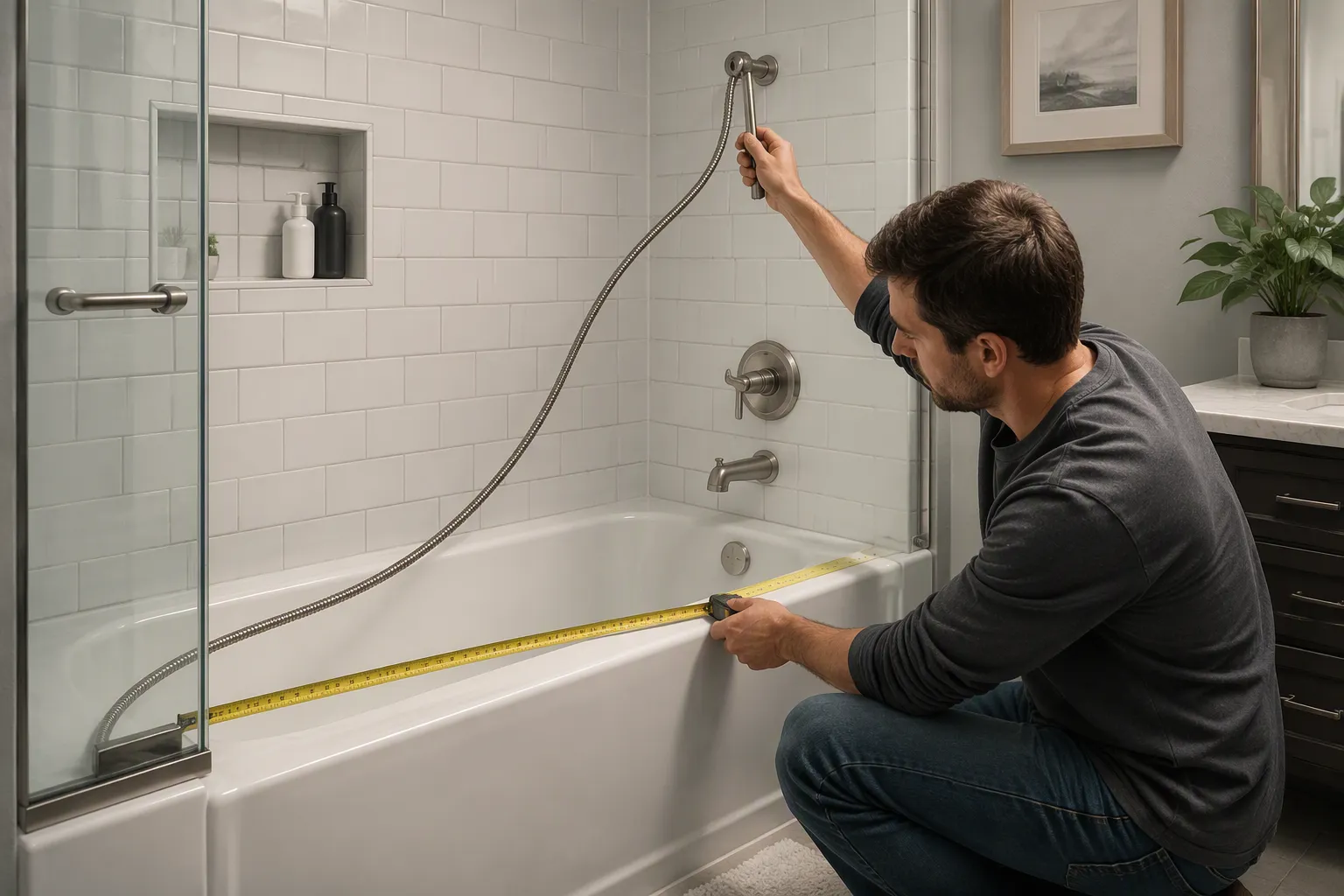
Measure before you buy. Begin at the real hose connection point, not the fixed showerhead. With the water off and the floor dry, run a flexible tape along the actual path. Write down where the connection is, where you want your hand to be, and the longest route you need. Let the hose curve instead of planning a tight line. Also check for doors, shelves, or tub edges that could catch it. Add about 0.3–0.5 m (1–1.5 ft) of extra length so you can move around.
Avoid Extremes
A shower hose that is too short limits your range of motion; pulling on it forcefully can also put undue stress on the connection points. Conversely, a hose that is too long tends to pile up, knot, or tangle, with the resulting loops often becoming collection points for grime. Both extremes can detract from the comfort of your shower. For most households, a 60-inch (approx. 1.5-meter) hose is a reliable, well-balanced choice. In commercial settings, such as public facilities, shower hoses are typically longer.
Beyond length, material is also crucial. The material determines both the flexibility and the lifespan of the hose. GONGGONG offers custom hoses in various lengths and diameters to suit different installation spaces. Options include stainless steel braided hoses or polymer/nylon hoses, with inner tubing made from materials such as EPDM (ethylene propylene diene monomer), PEX (cross-linked polyethylene), or PTFE (polytetrafluoroethylene). Opting for a showerhead and hose set from a reputable brand can simplify the selection process. By taking accurate measurements beforehand and considering your specific bathroom layout, you can ensure the hose is functional without any unnecessary excess.
For most bathrooms, a shower hose between 1.5 and 2 meters (approx. 5 to 6.5 feet) is a safe, standard choice. When making your final purchase, consider factors such as the height of the shower fixture, the needs of the users, and the overall size of the bathroom. A single measurement is all it takes to confidently select the right showerhead and hose set. A carefully chosen hose will ensure a more comfortable shower experience for years to come.
FAQ
How do I measure for a new shower hose?
Measure from the wall outlet to the shower head along the hose’s real path. Add 1–1.5 ft of slack. Most homes need a 1.5–2 m hose.
Does a longer hose lower water pressure?
Yes. Extra length adds resistance and reduces flow at the head. A 59-inch hose keeps flow steady. Long loops also tangle and collect grime.
Which length suits a glass-enclosed stall?
A 2 m (79-inch) hose reaches across a large enclosure. A 72-inch hose works for seated showers and pet washing. Both stay within the 1.5–2 m range.
A 1/2-inch connection fits most fixtures, so length is the main choice. Shoppers who want a complete kit can compare a shower head with hose set against separate parts. The best shower head with hose set matches the room’s size and the user’s reach. A quality shower head with hose set includes a hose rated for hot and cold water. Check the hose’s inner core and braid before buying.