
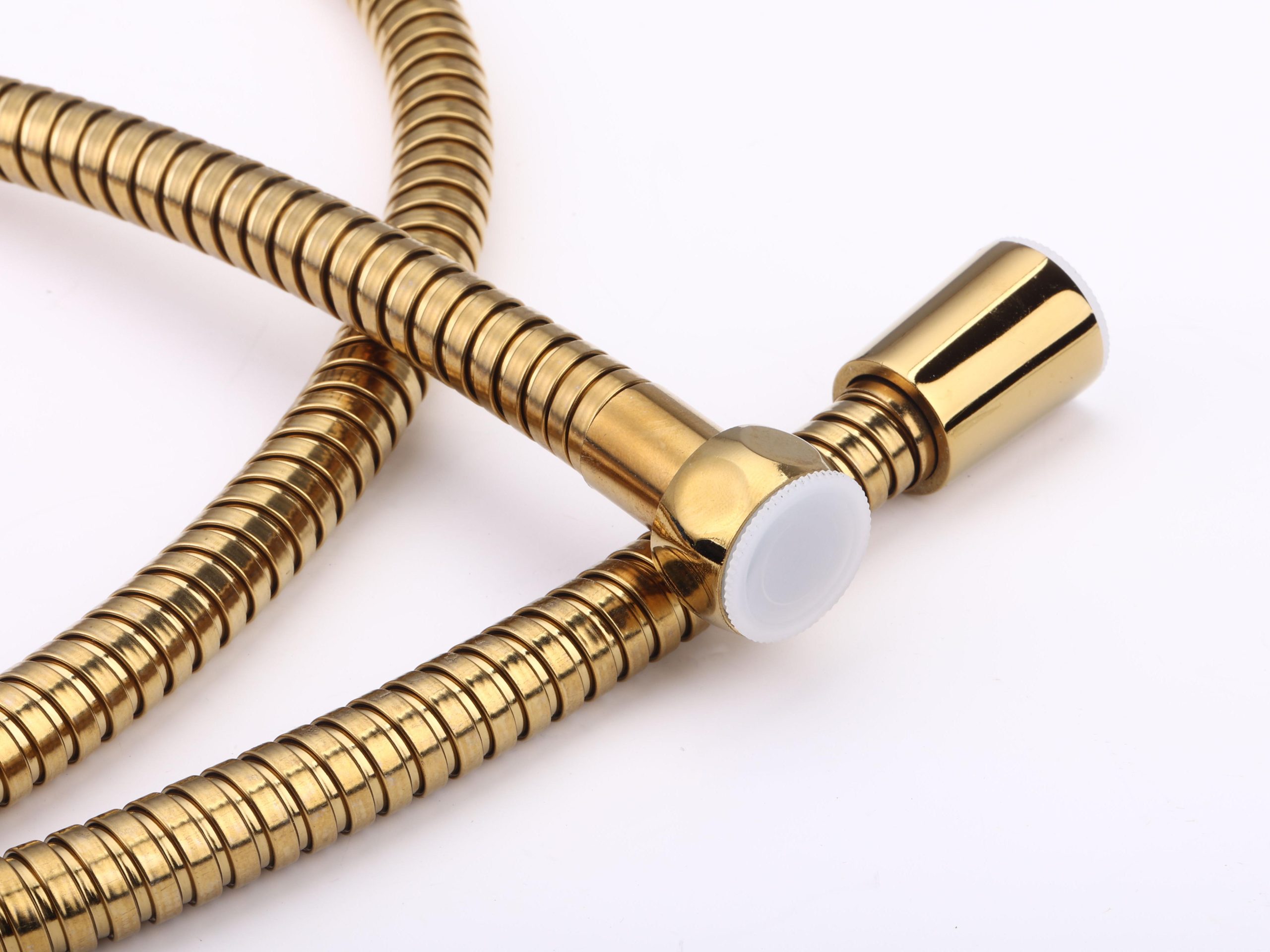
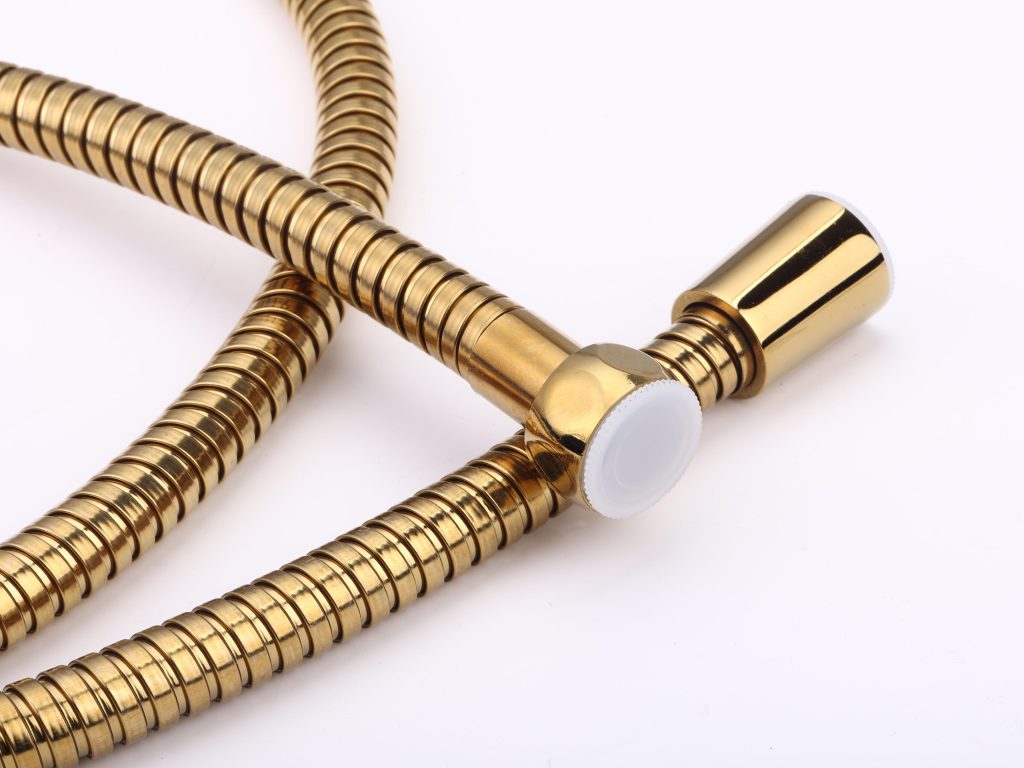
A person buying a shower hose looks at two types: brass and stainless steel. The hoses look alike. The price difference is big. What makes these shower hoses different? The best hose for a shower depends on the shower area and water quality.
Key Takeaways
- Stainless steel shower hoses don’t rust and last longer, so they’re great for hard water and low maintenance.
- Brass hoses look classic and high-end, but they need more care and don’t work well with acidic water.
- Pick a braided hybrid hose if you want a good mix of flexibility, strength, and price without spending too much.
Shower Hoses Material and Build Differences
Durability and Corrosion Resistance
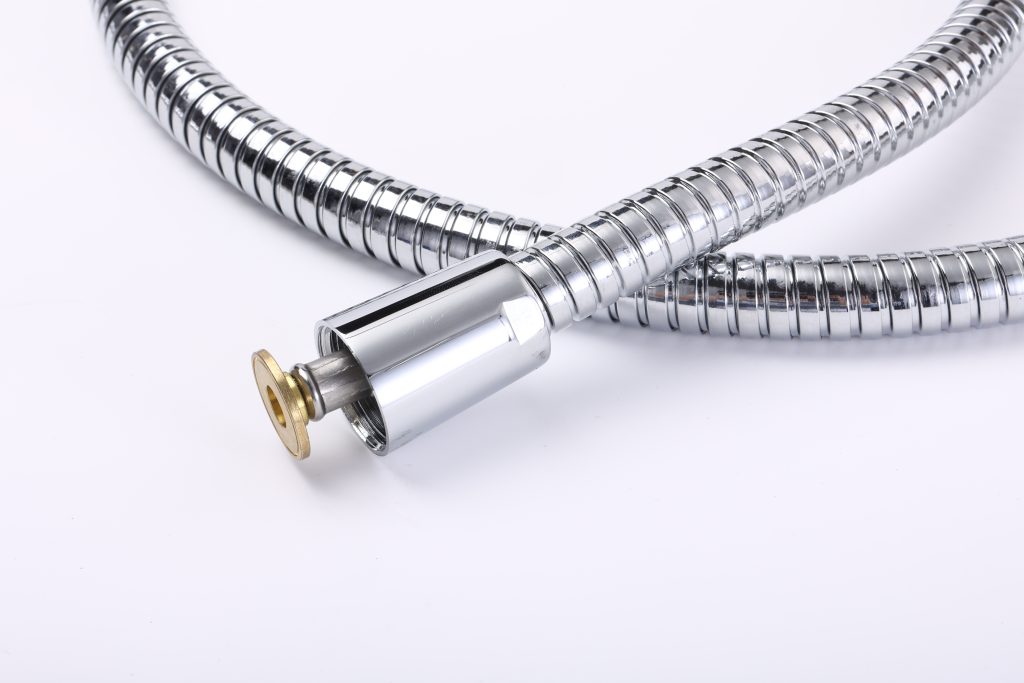
The material you pick decides how long a shower hose lasts with daily use. Solid brass hoses feel heavy and stiff in your hand. This metal gives a classic, high-end look that many homeowners like. But brass does not do well with acidic water. Over time, acidic water causes tarnishing and wears down the surface. This reaction weakens the metal’s outer layer and makes it look less appealing.
Stainless steel works differently. The tensile strength of 304 stainless steel ranges from 515 to 620 MPa. Brass alloys, by comparison, reach only 338 to 469 MPa. This higher strength means stainless steel resists physical damage better than brass. The pitting resistance equivalent number (PREN) also sets these materials apart. Grade 304 stainless steel scores about 18 to 20 on the PREN scale. This level works fine in low-chloride indoor spaces. Grade 316 stainless steel scores 24 to 26, giving much better chloride tolerance. The key difference comes from 2 to 2.5% molybdenum content, which boosts pitting resistance a lot. Coastal homes and pool areas gain the most from 316 grade material.
Manufacturers follow strict rules when making these hoses. The outer braided layer usually uses ASTM 304 stainless steel wire. Products with French ACS, UK WRAS, and North American UPC certifications meet regional quality and safety standards. These certifications confirm that the hose material handles real-world conditions without harming water quality.
GONGGONG, a manufacturer since 2000, offers a hybrid braided hose option. This product combines a stainless steel braid over a polymer core. The design gives strength and flexibility at a lower cost than solid brass. As a wholesale supplier, GONGGONG provides custom lengths, diameters, and materials for various uses. Their double-braided stainless steel hoses stop bursts and leaks under high pressure.
Flexibility and Feel
The modulus of elasticity shows how easily a hose bends. Brass has a modulus of 90 to 110 GPa. Stainless steel measures 190 to 210 GPa. A lower modulus means brass bends more easily. A higher modulus means stainless steel resists bending. This difference affects daily shower use. A brass hose holds its shape firmly but struggles to move around tight corners. A stainless steel hose offers more spring and bounce, returning to its original position after bending.
The GONGGONG braided hose provides a middle ground. The stainless steel braid delivers durability and function while the polymer core keeps flexibility. This design stops kinking in tight spaces and keeps full water flow. Users who find rigid brass hoses hard to handle often prefer this hybrid design. The braided assembly also offers great flexural fatigue resistance, meaning it handles repeated bending without breaking.
For maintenance and cleaning, stainless steel needs less work. Its smooth surface resists mineral buildup and wipes clean easily. Brass hoses need more care to prevent tarnishing and require regular polishing. The durability and long life of stainless steel hoses make them a smart choice for hard water areas. Brass hoses suit those who value looks and accept higher maintenance demands.
Shower Hoses Practical Differences for Your Shower
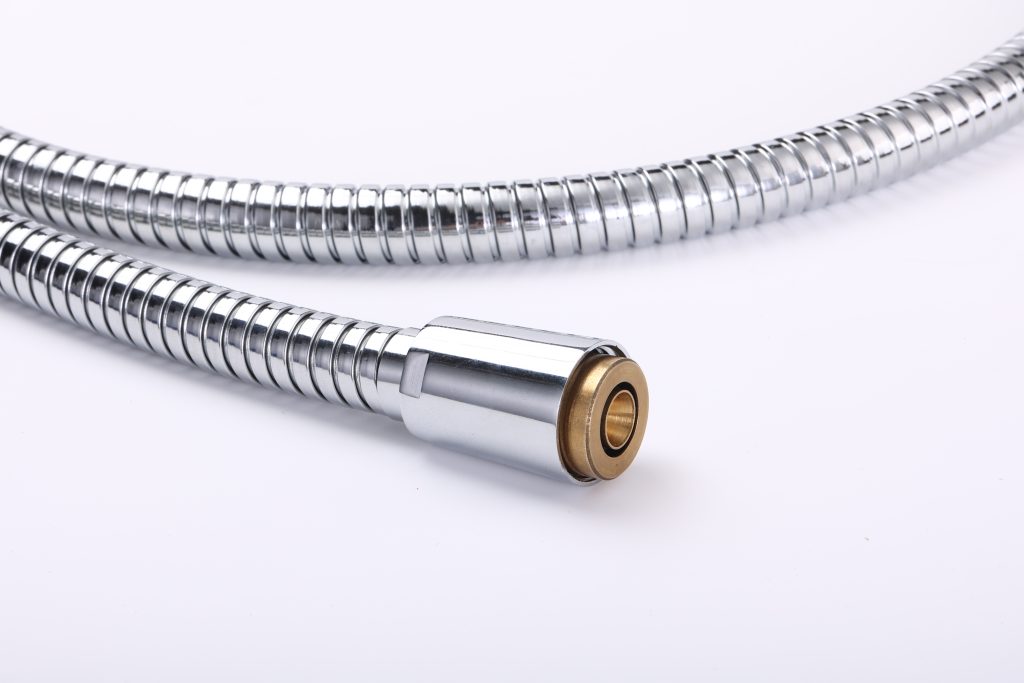
Understanding the material differences helps you see how each shower hose performs. The next step involves looking at real-world factors like budget and daily use. These practical considerations often make the final decision clear.
Cost and Value
The initial price tag presents the most immediate difference. Stainless steel hoses generally offer a more budget-friendly entry point. Their manufacturing process and material availability often keep costs lower. Brass showers and solid brass hoses command a higher upfront cost. This premium reflects the material’s density, machining requirements, and the classic aesthetic many buyers seek.
Long-term value tells a more complete story than the purchase price alone. Consider total cost of ownership. A stainless steel hose requires minimal maintenance. Its superior corrosion resistance in various water conditions means it likely needs replacement less often. This durability translates into reliable functionality over many years. The lower maintenance demands save both time and money on cleaning supplies or polishing kits.
A brass shower hose may have a higher initial investment. Its value lies in enduring style and a specific, rigid feel that some users prefer. However, this value depends on your water quality. In areas with aggressive or acidic water, the potential for tarnishing and increased maintenance can diminish its long-term appeal. For a bathroom where visual appeal is paramount and water is neutral, the brass hose delivers lasting aesthetic value. Weighing these cost considerations against your expected maintenance effort is crucial.
Choosing the Right Hose
Selecting the best shower hose means matching its strengths to your specific bathroom environment. Your water quality, budget, and desired functionality are the key deciding factors.
For homeowners who prioritize a classic, premium look and a solid, rigid feel in the hand, a brass hose remains an excellent choice. It suits installations where visual harmony with traditional or luxury bathroom fixtures is important. Ensure your local water supply is not highly acidic to protect its finish.
Stainless steel hoses are the top recommendation for most practical scenarios. They excel in hard water areas where mineral buildup is a concern. Their natural resistance simplifies cleaning. Budget-conscious buyers get exceptional durability and corrosion resistance without a high initial cost. This makes stainless steel a smart, long-lasting default for many showers.
Experts say you should pick a valve that fits your water and your money plan. Brass is usually the best choice for most homes, providing good performance and cost-effectiveness, while stainless steel is preferable for large buildings or environments with high heat, chemicals, or pressure.
For those seeking a versatile middle ground, a braided hose design offers a compelling solution. Manufacturers like GONGGONG engineer these hoses with a stainless steel braid over a flexible polymer core. This hybrid construction provides the leak-proof security and pressure resistance of metal at a cost often between solid brass and basic stainless steel models. It delivers excellent flexibility to prevent kinking, making it ideal for confined shower spaces. As a supplier offering wholesale and custom options, such a product provides a balanced answer for diverse needs, from residential bathrooms to demanding commercial applications. Assess your water conditions, budget, and how you use your shower daily. This assessment will lead you to the hose that delivers the best combination of durability, functionality, and value for your home.
The difference between brass and stainless steel shower hoses depends on what you care about most. Brass gives a classic, stiff feel with a high-end look. Stainless steel offers better rust protection, bendability, and good value. Each type works best for different needs. The right hose depends on your water quality, budget, and bathroom style. Buyers should look at their own shower setup. Then they can pick a hose that will last for years. Every shower needs the right material.
FAQ
Many buyers want to know what makes brass and stainless steel hoses different. This FAQ section answers common questions about picking a shower hose. Every shower is different. The best hose depends on your water quality and budget. Knowing these facts helps buyers choose the right hose for their shower.
How long does a stainless steel shower hose last?
A stainless steel hose lasts 5-10 years if used every day. The 304 grade steel fights rust. This hose needs very little care. People like that it lasts a long time.
Can a brass shower hose handle hard water?
Brass hoses do not work well with hard water. Acidic water makes them tarnish. Stainless steel works better. If you have hard water, pick steel. Brass hoses need polishing often.
What makes the GONGGONG braided hose different?
The GONGGONG braided hose uses a stainless steel braid over a polymer core. This design gives flexibility and strength for less money. It stops kinking in small spaces. This hose is good for buyers on a budget.
These answers help buyers compare hose choices for their shower. The right pick depends on what each person needs.