
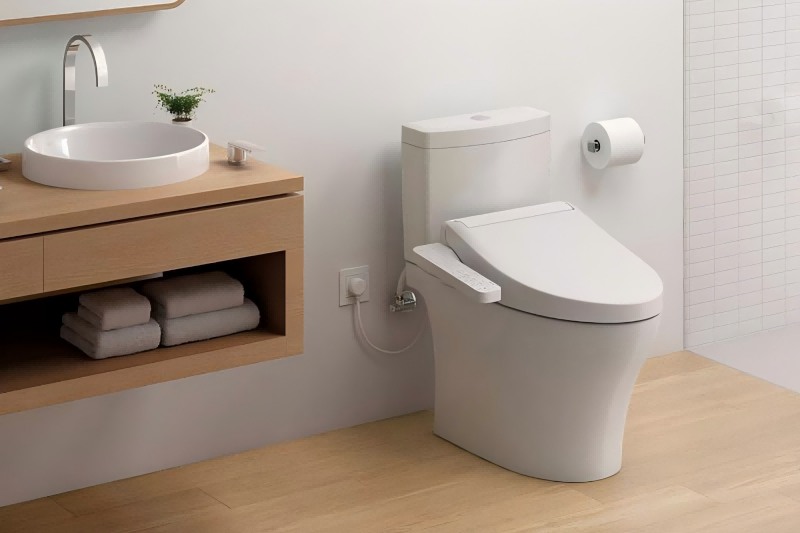
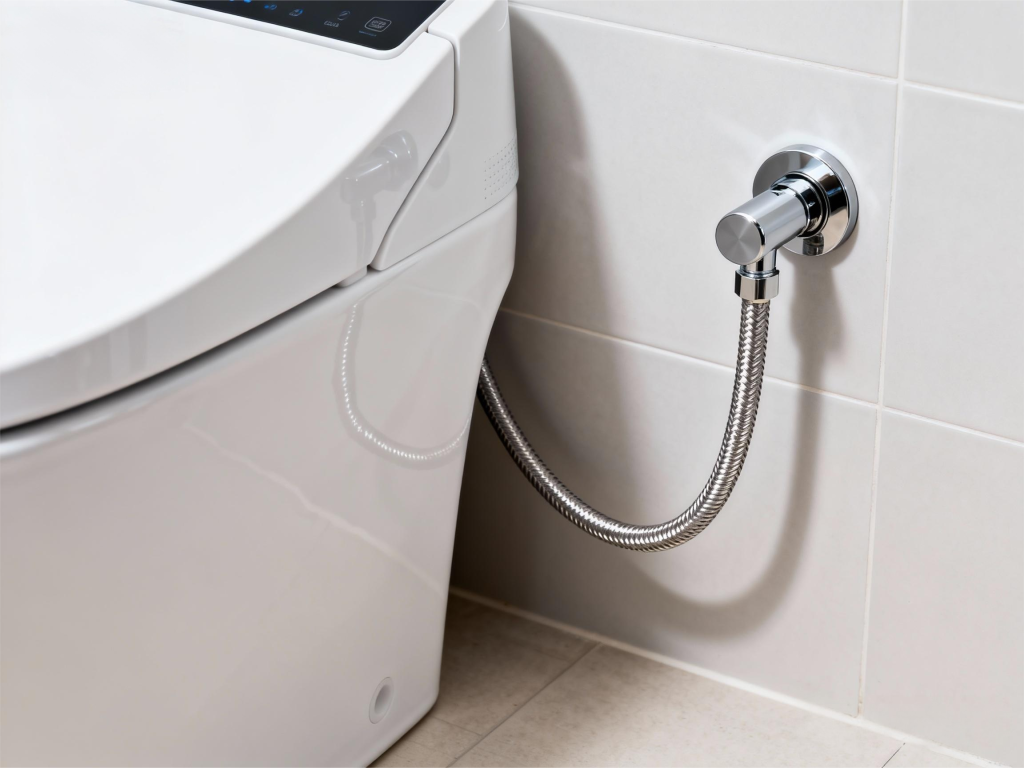
The easiest toilet water supply hose to install is a flexible braided hose. Many people like this type of hose because it’s easy to bend, can be installed in tight spaces, and requires no special tools. Most users report that the easiest toilet water supply hoses come pre-installed with fittings.
Key Takeaways
- Choose a flexible braided hose, such as the GONGGONG model, because it’s easy to install and performs well.
- Be sure to measure the distance from the shut-off valve to the toilet tank to select the appropriate hose size and thickness.
- After installation, slowly turn on the faucet to check for leaks at all connections.
Why Choose the Easiest Toilet Supply Line?
Flexible Braided Hose Benefits
Flexible toilet water supply hoses are easy to install. Many people like them because they can be installed around obstacles in tight spaces. Their flexible design prevents the hose from tangling, ensuring a smooth flow of water to the toilet. People choose PEX toilet water supply hoses because they are easy to use and quick to replace.
Here are the main advantages of using flexible braided hoses to connect toilets:
- They won’t loosen with changes in water pressure.
- They can be quickly replaced when repairs or upgrades are needed.
- Maintenance is simple, requiring no frequent inspections.
- Suitable for short-distance connections in most bathrooms.
Flexible toilet supply hoses can be used with PEX pipes. PEX pipes are common in new plumbing systems. This combination provides users with a robust and durable solution.
GONGGONG Braided Hose Features
GONGGONG is a trusted manufacturer of high-quality braided hoses. Their PEX toilet supply hoses are robust, durable, and easy to bend. They are made with premium materials that are not prone to cracking or aging. GONGGONG hoses are easy to install, making them popular for large-volume orders and special projects.
GONGGONG braided hoses meet stringent international standards. Some certifications are listed in the table below:
| Certification | Description |
|---|---|
| ISO | International rule for quality and safety. |
| CE | Meets health and safety standards. |
| RoHS | Limits dangerous stuff in products. |
GONGGONG checks every hose for pressure and tough plumbing. Their hoses last longer and stop leaks. This helps anyone who puts them in feel safe.
Tools and Materials for Toilet Supply Line Installation
What You Need
Before you begin, prepare your tools and materials. This will make the job easier and faster. Most people only need a few simple tools to install a toilet water supply hose. The following list can help you:
- Measuring tape
- Adjustable wrench
- Pipe cutter (sometimes needed for special purposes)
- New flexible braided hose (e.g., GONGGONG brand)
- Towel or small bucket (for catching dripping water)
Tip: Suppliers and manufacturers say to use an adjustable wrench. It works for taking off the old line and putting on the new one. This tool fits most nuts and stops damage.
Picking the Right Hose Length
Choosing the right hose length and diameter is crucial. This helps maintain smooth water flow and prevents leaks. The correct size applies to a variety of toilet models. This is important for both home users and large orders.
- The right length prevents the hose from stretching or tangling.
- The right diameter ensures a tight fit between the hose and the toilet bowl/valve.
- If you follow the manufacturer’s sizing guidelines, PEX hoses will function correctly.
Suppliers and manufacturers can help you customize hose lengths. Always measure the distance from the shut-off valve to the toilet tank before purchasing. This step helps avoid problems later.
How to Install a Toilet Supply Line
Preparation Steps
Proper preparation makes the process smoother and helps avoid mistakes. Before you begin, everyone should complete these simple steps:
- Turn off the toilet’s water supply. This prevents water from overflowing during operation.
- Flush the tank to empty it. This lightens the tank’s weight, making subsequent operations easier.
- Lend a towel or cloth around the toilet. This catches dripping water and protects the bathroom floor.
- Gather all tools and materials. Most people will need an adjustable wrench, a new PEX braided hose, and a small bucket to hold the remaining water.
- Measure the distance between the stop valve and the toilet tank. This ensures a perfect fit for the new hose.
Tip: Taking a few minutes to prepare can save time and prevent water damage later.
Removing the Old Line
Removing an old toilet water supply hose is very simple; follow these steps. Here’s a brief guide:
- Inspect the existing water supply hose for signs of wear or leaks.
- Make sure the water supply is turned off. Try flushing again to confirm the water supply is off.
- Use an adjustable wrench to loosen the nut connecting the old hose to the shut-off valve.
- Loosen the nut at the toilet tank end and gently pull the old hose out.
- Set the old hose aside for later disposal.
If the old line looks cracked or worn, upgrading to a new pex braided hose from a trusted supplier like GONGGONG can prevent future leaks.
Attaching the New Braided Hose
Now it’s time to install the new hose. Using flexible braided hose, especially PEX hose, will make the installation process quick and easy.
- Align the new hose with the shut-off valve and the toilet tank inlet.
- Hand-tighten the compression fitting onto the shut-off valve. Ensure the threads are aligned smoothly.
- Connect the other end of the hose to the toilet tank. Again, hand-tighten the nut until it feels secure.
- If the hose has a snap-on sealing nut, turn the nut counterclockwise to align the threads, then tighten until you hear a click.
Note: Avoid using too much force. Over-tightening can damage the fittings and cause leaks.
Tightening and Checking for Leaks
Proper tightening and leak checks are crucial for successful installation.
- Use an adjustable wrench to gently tighten both ends of the hose. Stop when you feel resistance—do not overtighten.
- Slowly turn on the water supply.
- Flush the hose several times. Observe the area around the connection for condensation or dripping water.
- Check the connection between the shut-off valve and the water tank for leaks.
- If water is found, tighten the connections slightly.
Always perform a leak test after installing a new toilet supply line. This simple step can prevent bigger plumbing problems down the road.
A good install with a quality pex braided hose, like those from GONGGONG, gives peace of mind and keeps the bathroom running smoothly.
Common Mistakes with Toilet Supply Lines
Overtightening Fittings
Some people believe that tightening the connectors too much is a good thing. This is incorrect. Overtightening can damage the connectors and cause problems.
- Excessive force can cause the connectors to crack or bend.
- Excessive pressure on the connectors can lead to leaks.
- Tighten to a comfortable level; do not overtighten.
Tip: Use an adjustable wrench and stop when it gets hard to turn. This keeps the fitting safe and makes sure it stays in place.
Kinking the Hose
Flexible braided hoses, like pex, bend without breaking. But if you bend or twist them too much, problems can happen. The table below shows what can go wrong if a hose gets bent sharply:
| Problem | Description |
|---|---|
| Compromised Integrity | Bending the hose can hurt the inside and make it weak. |
| Increased Leak Potential | Bends make leaks more likely because the hose is not strong there. |
| Reduced Pressure Capacity | Bending can make the hose lose some of its strength. |
| Premature Wear | Hoses with bends can crack sooner and not last as long. |
People who put in hoses should keep them straight and not bend them a lot. If a hose gets bent badly, it is smart to get a new one.
Wrong Size Issues
Many people make the mistake of choosing the wrong size water pipe.
- If the pipe is too short, it may stretch or strain the joints.
- If the pipe is too long, it is prone to tangling or bending.
- Before purchasing water pipes from a supplier or manufacturer, always measure the distance from the shut-off valve to the toilet tank.
Getting a custom length from a wholesale supplier can help you get the right size and make sure it fits well.
Troubleshooting Toilet Supply Line Leaks
Finding Leak Sources
Leaks can still occur even after a new water supply pipe is installed. Most leaks occur at connections or on the hose. To locate the leak, turn off the water inlet valve near the toilet seat. Dry the hose and connections with a towel. Turn the water valve back on for a moment and observe carefully. If water is seeping from both ends of the hose, the connection may be loose. If water is seeping from the hose itself, the pipe may be damaged.
Tip: Always check for leaks after every installation or repair. This simple step saves time and prevents water damage.
Quick Fixes
Many leaks have simple solutions. Here are the detailed steps for common solutions:
- Turn off the water supply to the toilet.
- Dry the area around the hose and connector.
- Use an adjustable wrench to gently tighten both ends of the water supply hose. If the connector is plastic, you can tighten it by hand. Be careful not to overtighten.
- If the leak persists, remove the connector and replace any worn gaskets. New gaskets are inexpensive and readily available at any hardware store.
- If the hose itself is leaking, replace it with a new flexible braided hose. Take the old hose to a store to choose the size and type of hose.
- Reconnect the new hose, turn on the water, and check for leaks again.
Manufacturers and wholesale suppliers recommend following these steps for a quick and reliable solution. Regular checks keep the bathroom dry and ensure the plumbing system is in optimal condition.
Benefits of a Leak-Free Toilet Supply Line
Peace of Mind
A leak-free toilet supply line helps people feel calm. When you pick a good braided hose from a trusted brand like GONGGONG, you know it will last. GONGGONG stainless braided hoses have double-walled stainless steel. This stops rust and keeps the hose strong. These hoses can handle high water pressure, so leaks are less likely. They also meet strict safety rules, which makes people feel safer.
- Double-walled stainless steel makes the hose last longer.
- High-pressure strength means leaks are not common.
- Safety certifications help people trust the product.
- Checking for bulges or rust keeps things safe.
Many suppliers and buyers pick GONGGONG because the hoses pass hard tests. This makes them a smart pick for anyone who wants to stop water damage and save money on repairs.
Long-Term Reliability
Long-term reliability is important for every toilet job. GONGGONG braided hoses use strong materials like stainless steel and special plastics. These materials stop rust and damage, even after many years. The hoses also have anti-tangle features, so water flows well and kinks do not happen.
- Strong materials stop rust and damage.
- Anti-tangle design keeps the hose working well.
- Many lengths fit different projects.
- Certifications show the hose is high quality.
Manufacturers and suppliers often use GONGGONG for big jobs because the hoses last a long time and do not need to be replaced often. People say good things about these hoses, and the certifications prove they work well year after year.
A flexible braided hose helps make toilet jobs easy. GONGGONG is a trusted supplier for custom and big orders. They help people put in bidet systems or change a supply line quickly. People should always look for leaks after each job and use the troubleshooting tips to get the best results.