
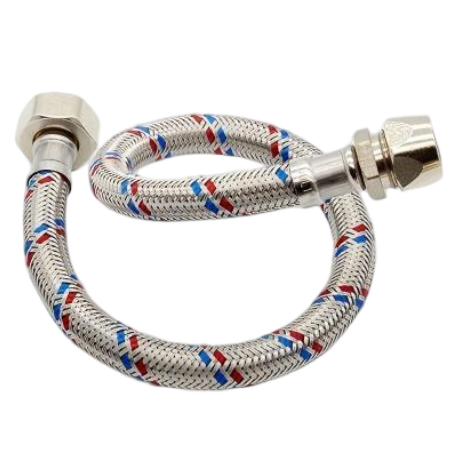
The customs code for braided hoses depends on their material. Steel wire braided hoses typically use code 8307.10. Plastic or rubber hoses use other codes. Using the correct customs code helps companies like GONGGONG understand customs duties and taxes. This simplifies the customs clearance process and ensures compliance with relevant regulations. The correct code depends on the hose’s material, reinforcement, and fittings. You can find more details in the list of customs codes in the next section.
Key Takeaways
- Understand the material of your braided hose. This will help you choose the correct customs code. Stainless steel, rubber, and plastic hoses each have their own codes.
- Use the correct customs code for your hose. This helps your goods clear customs smoothly. Using the wrong code may result in fines or shipping problems.
- Always check the latest customs codes. Product changes or new regulations may change the code required for your shipment.
- When choosing a customs code, consider the hose’s reinforcement and fittings. These factors affect the hose’s classification.
- Understand the customs regulations of different regions. Some countries have special codes or additional customs regulations.
Braided Hose HS Code Overview
Main HS Codes for Braided Hose
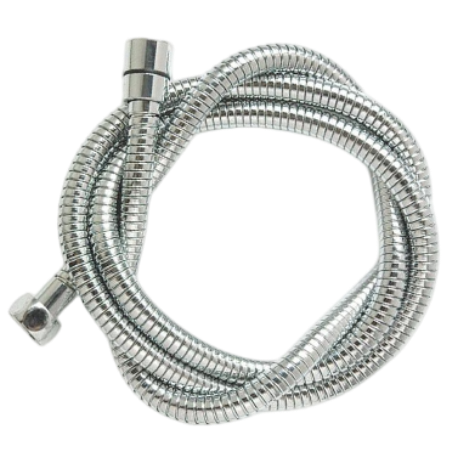
HS codes for hoses help people understand the product type. Customs officials use Harmonized System (HS) codes to classify goods by type and material. Braided hoses are manufactured in various ways, so the HS code for hoses varies depending on the material. For example, GONGGONG braided hoses use one code to indicate stainless steel, while hoses made of rubber or plastic use different codes.
Below is a table of some main customs codes for hoses:
| HS Code | Description |
|---|---|
| 8307.10 | Metal-based flexible tubing, with or without fittings |
| 4009.21.00 | Tubes, pipes, and hoses made of vulcanized rubber (excluding hard rubber), reinforced only with metal |
| 3917.39 | Tubes, pipes, and hoses made of plastic, unless otherwise specified |
GONGGONG braided hoses generally use code 8307.10 for stainless steel hoses. Rubber hoses containing metal use code 4009.21.00. Plastic braided hoses use code 3917.39. Customs codes for hoses help track and classify products.
Why Multiple Codes Exist
Customs codes for hoses can change because different materials are used in braided hoses. Some hoses contain metal, while others use plastic or rubber. The customs code for a hose depends on the type of fitting and the hose’s pressure resistance. Customs officers select the correct customs code based on these factors.
The example of GONGGONG braided hoses shows that different types of hoses require different codes. The customs code for stainless steel braided hoses is different from that for plastic or rubber hoses. Customs codes for hoses help businesses comply with relevant regulations and pay the correct customs duties. Using the correct hose customs code helps goods clear customs quickly and avoid problems.
Tip: Always check the latest hose customs codes before shipping. New products or designs may lead to code changes.
Braided Hose HS Code by Type
SS Braided Hose Codes
Stainless steel braided hoses have a wide range of uses. These hoses have metal braided layers, making them strong and durable. The braided layers help the hose withstand high pressure. GONGGONG manufactures these hoses for pipelines and plants. Customs officers use special customs codes to classify these hoses.
The primary customs code for stainless steel braided hoses is 8307.10. This code applies to flexible tubing made of base metals, with or without fittings. Some regions use longer codes, such as 83071000. The code may vary if the hose has fittings. GONGGONG’s braided steel hoses, such as double-braided and PTFE-lined hoses, use this code.
Note: Please always check the latest customs tariff database for updated information. Customs codes may change when new products are introduced.
Common HS codes for ss braided hose:
- 8307.10 – Flexible tubing made of base metals, with or without fittings
- 83071000 – Flexible tubing made of iron or steel, with or without fittings
GONGGONG recommends using these codes for all stainless steel braided hose products.
Plastic and Rubber Hose Codes
Plastic and rubber braided hoses come in various types. GONGGONG manufactures hoses made of PVC, rubber, and other materials. The customs code for each hose depends on its material, reinforcement method, and application.
The following is a table of main HS codes for plastic and rubber braided hoses:
| HS Code | Description |
|---|---|
| 3917.21 | Metal-reinforced plastic tubing, pipes, and hoses |
| 3917.22 | Other material-reinforced plastic tubing, pipes, and hoses |
| 3917.23 | Unreinforced plastic tubing, pipes, and hoses |
| 4009.11 | Unreinforced rubber hoses for gas or liquid transport |
| 4009.12 | Metal-reinforced rubber hoses for gas or liquid transport |
| 4009.22 | Textile-reinforced rubber hoses |
| 4009.31 | Rubber hoses for vehicles (e.g., fuel hoses) |
The coding for each braided hose depends on several factors:
- Material (PVC, rubber, silicone)
- Reinforcement layer (braided, spiral, fabric)
- Application (industrial, household, or automotive)
- Design (layout, suction, drainage)
GONGGONG’s plastic braided hoses typically use coding 3917.21 or 3917.22. Rubber braided hoses may use coding 4009.12 or 4009.22, depending on the reinforcement layer type.
Hoses with Fittings
Many braided hoses come pre-installed with fittings. Fittings are used to connect the hose to other equipment. If the hose has fittings, its HS coding may differ. For SS braided hoses with fittings, the coding is typically 8307.10 or 83071000. For plastic or rubber braided hoses with fittings, the coding may include additional numbers to indicate the fitting.
Key points for hoses with fittings:
- Stainless steel braided hose (with fittings): 8307.10 or 83071000
- Plastic braided hose (with fittings): 3917.21 or 3917.22 (may have additional numbers)
- Rubber braided hose (with fittings): 4009.12 or 4009.22
GONGGONG sells a variety of hoses pre-fitted with fittings. The company ensures that each hose has the correct HS code for customs inspection.
Tip: Always ensure that the hose material, reinforcement layer, and fittings match the correct HS code. This helps avoid delays and additional costs.
GONGGONG’s full range of stainless steel braided hoses, plastic braided hoses, and rubber braided hoses conforms to international standards. The company uses the correct HS code for each product, making exporting to other countries easier.
Classifying Braided Hose by HSN
Braided Hose Key Classification Factors
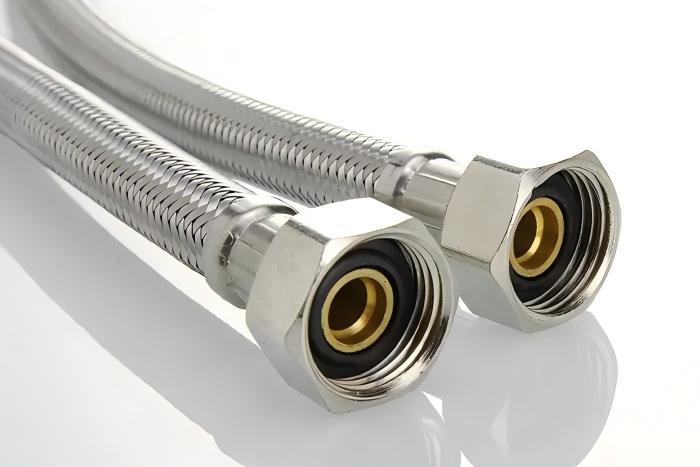
Choosing the correct HSN code for a braided hose requires careful consideration. Many factors help customs officials and companies like GONGGONG comply with regulations and ensure smooth transportation. Key considerations include:
- Material: Hose can be made of rubber, thermoplastic, or metal. The material affects the HSN code.
- Reinforcing Layer: Some hoses use woven or wire braided layers. The type of braid affects the hose’s classification.
- Application: The hose’s intended use is important. It can be used in construction, agriculture, or factories.
GONGGONG checks these factors to comply with international regulations.
Steps to Find the Right Code
There is a simple way to select the correct HSN code for each braided hose. The following steps can help companies classify hoses:
- Determine the hose’s material. The material may be stainless steel, PVC, or rubber.
- Check the braid type. It may be single-layer or double-layer.
- Consider the hose’s intended use. For example, it may be used for piping or in a factory.
- Review product documentation and test results. These documents will show the hose’s material and working principle.
- Match the hose details with the correct HS code in the customs manifest.
Note: GONGGONG tests and quality-checks every product. This ensures that every hose has the correct code.
Verifying with Official Sources
Companies need to verify HS codes and classifications through reliable channels. This helps avoid errors. Here are some good verification channels:
- Customs websites of various countries
- International trade portals
- Industry rulebooks
GONGGONG always keeps abreast of the latest regulations on HS codes and classifications. The company uses ISO and FDA certification documents to demonstrate its compliance with relevant regulations. This rigorous work ensures that every braided hose has the correct code. This also makes trade with other countries safer and easier.
Braided Hose Compliance and Customs Impact
Tariffs and Duties
Tariff compliance is crucial when shipping braided hoses. Each country uses customs codes to determine the tariffs a company should pay. Using the correct customs code helps customs officials choose the correct rules, ensuring that tariff amounts are fair, reasonable, and easy to understand.
GONGGONG always adheres to international safety and quality standards. The company uses sturdy packaging to protect the hoses from damage. GONGGONG complies with ISO 1307 and ISO 7005 quality standards. These measures help comply with tariff regulations and expedite customs inspections. The table below lists some key compliance points for braided hoses:
| Compliance Aspect | Details |
|---|---|
| International Safety | Follow global safety standards for braided hose classification |
| Packaging | Use sturdy packaging to prevent damage |
| Quality Specifications | Comply with ISO 1307 and ISO 7005 standards for smooth customs clearance |
| Manufacturing Process | Use textile reinforcement materials and plastic coatings to ensure correct classification |
| Tariff Application | Use the correct customs code to accurately declare tariffs and conduct tariff assessments |
Risks of Incorrect Classification
Using the wrong customs code can lead to numerous problems. Companies may pay too much or too little customs duty, causing clearance delays. Sometimes, customs officials may even intercept or return goods. Incorrect customs compliance can also result in fines or legal disputes. GONGGONG inspects every product and uses the correct code to mitigate these risks. The company trains its team members to comply with all regulations and double-checks every customs duty payment.
Note: Correct use of customs codes helps companies avoid major errors and ensures smooth shipment.
Regional Code Differences
Customs compliance rules vary from country to country. Some regions use special customs codes or have additional customs regulations. For example, Europe, the United States, and Asia differ in their customs and compliance checks. GONGGONG understands these changes and updates its processes for each region. The company collaborates with local experts to ensure that every braided hose complies with relevant regulations. This meticulous work enables GONGGONG to ship products smoothly worldwide.
Tip: Always check the latest customs codes and customs compliance rules for each country before shipping.
Choosing the correct customs code helps GONGGONG braided hoses clear customs smoothly and ensures that tariffs are fair and reasonable for everyone. Businesses can avoid errors by checking the hose material, as well as the reinforcement layer and fittings. It is essential to check regulations in each sector and follow international standards.
Businesses should frequently do the following:
- Check for compliance with REACH and RoHS regulations.
- Ensure the hoses comply with SAE 100R and ISO 5774 standards.
- Classify products correctly according to customs regulations.
FAQ
What is an HS code? How important is it for braided hoses?
An HS code is a special designation for traded products. Customs officials use this code to set tariffs and inspection rules. Using the correct code can prevent delays and additional costs.
How to find the correct HS code for a braided hose?
To find the correct code, check the hose’s material. Inspect it for any reinforcement or fittings. You can visit the customs website or trade portal for assistance. GONGGONG recommends reading the product manual and consulting an expert to ensure accuracy.
Do all GONGGONG braided hoses use the same HS code?
No, not all GONGGONG braided hoses use the same code. The code varies depending on the hose’s material and manufacturing method. Stainless steel hoses typically use 8307.10. Plastic or rubber hoses use different codes. Always choose a code that matches the hose type.
What happens if a company uses the wrong HS code?
Customs may delay or intercept shipments. The company may pay incorrect tariffs or be fined. GONGGONG helps avoid these problems by checking barcodes.