
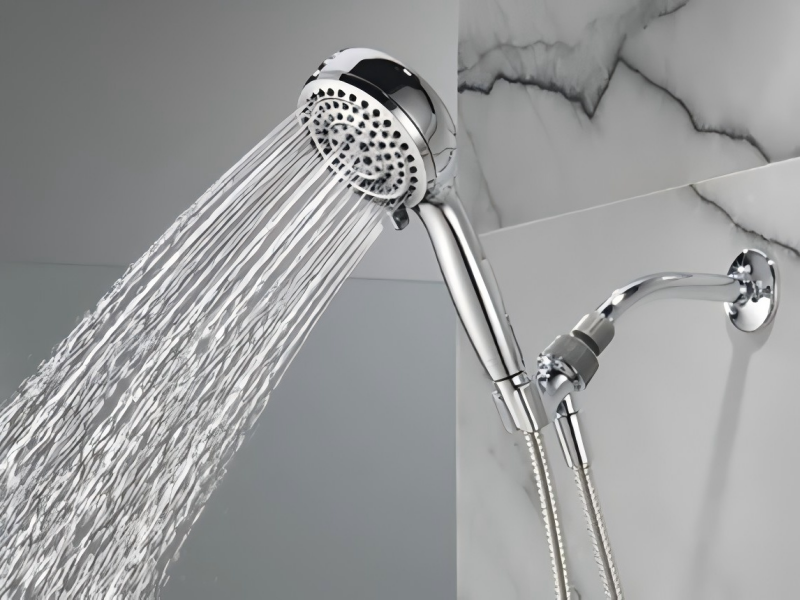
The life expectancy of a flex hose is 3 to 15 years, based on material and use. Rubber lasts 5-12 years, silicone 5-10 years, PTFE unlimited if stored right, metal 3-5 years, stainless steel braided 10-15 years, and PVC 5-8 years. Storage, use, and care change these numbers. This article explains each material’s lifespan for a flex hose and gives tips for homeowners and wholesale buyers who buy from a flex hose maker.
Key Takeaways
- The service life of a hose depends on its material: rubber hoses last 5–12 years; silicone hoses, 5–10 years; PTFE (polytetrafluoroethylene) hoses have an indefinite lifespan if stored correctly; metal hoses last 3–5 years; stainless steel braided hoses, 10–15 years; and PVC hoses, 5–8 years.
- Proper storage, installation, and maintenance can extend the service life of a hose. Store hoses in a cool, dark place, avoid excessive bending, and inspect them every 6–12 months.
- Select the appropriate hose for your needs and purchase from reputable manufacturers—such as GONGGONG—to ensure you receive a certified, durable product that meets your operational requirements.
How Long Do Flexible Shower Hose Last by Material?
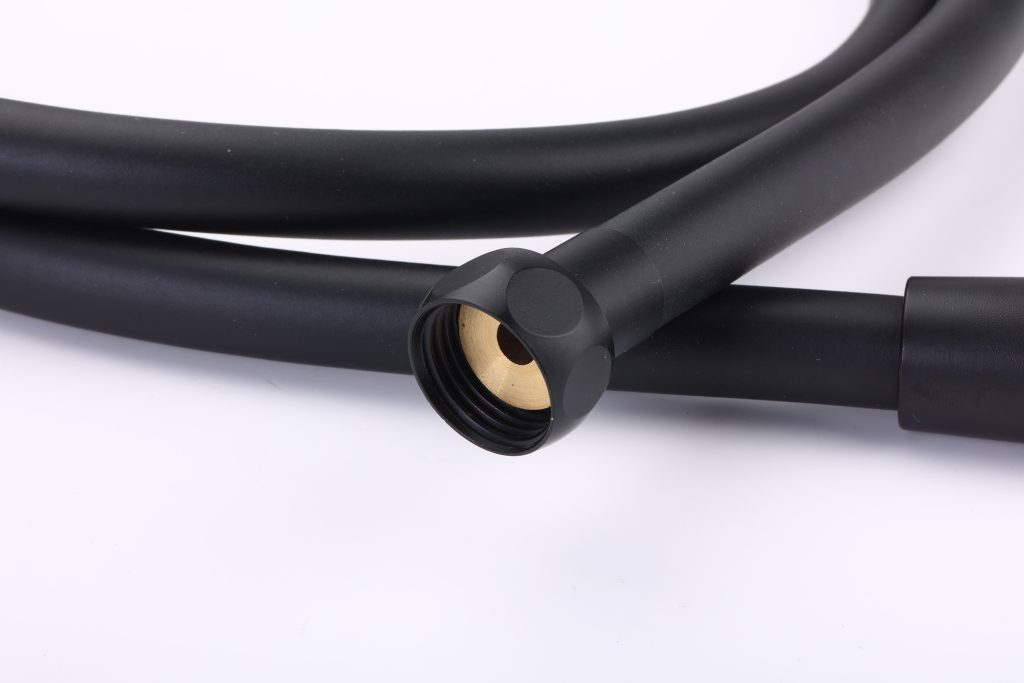
The material you pick affects how long a flex hose lasts more than anything else. Each material deals with heat, pressure, and chemicals in its own way.
Rubber and Silicone Flex Hose Lifespan
Under normal operating conditions, the service life of rubber hoses typically ranges from 5 to 12 years. Ethylene Propylene Diene Monomer (EPDM) rubber performs well in hot water environments; provided the water temperature is moderate and free of harsh chemicals, it can last between 5 and 10 years. In mild HVAC water systems, EPDM hoses can even achieve a service life of up to 10 years. However, exposure to high-temperature water and aggressive chemicals can reduce their lifespan to just 1 or 2 years.
Silicone hoses offer comparable durability. Taking the GONGGONG brand as an example, their high-quality flexible shower hoses typically last 5 to 10 years under normal household usage.
High-quality silicone shower hoses can last between 5 and 8 years under normal conditions.
Rubber ages more rapidly when exposed to ultraviolet (UV) radiation, ozone, and temperature fluctuations. Temperature cycling exceeding 50°C can reduce service life by as much as 60%. Untreated natural rubber hoses may experience a tensile strength loss of up to 40% after just 12 months of outdoor use. It is precisely these factors that account for the significant variations in the service life of flexible hoses.
PTFE, Metal, and Braided Hose Lifespan
PTFE hoses offer chemical resistance that nothing else can match. PTFE is virtually inert to all chemicals, making it ideal for acids, bases, and solvents. Its shelf life is considered unlimited under proper storage. PTFE withstands temperatures from -100°F to 450°F (-73°C to 232°C). Rubber hoses cannot match this performance in aggressive environments.
Metal flex hoses usually last 3 to 5 years after installation. Torsional stress from tube twisting leads to fatigue and premature failure. Residual stress from conventional forming shortens product lifespan.
Braided hoses deliver strong performance across applications. Stainless steel braided hoses last 10 to 15 years. PVC hoses last 5 to 8 years. Double lock shower hoses last 8 to 12 years.
GONGGONG has manufactured knitted and flexible hose systems since 2000. The GG brand launched in 2007 for premium sanitary applications. The company offers EPDM or PEX inner cores for hot and cold water, PTFE for chemical resistance, and double-braided stainless steel for high pressure. Wholesale buyers can request OEM and ODM services with custom lengths and diameters. These options help buyers match the recommended lifespan to their specific application.
Factors That Affect the Lifespan of a Flexible Shower Hose
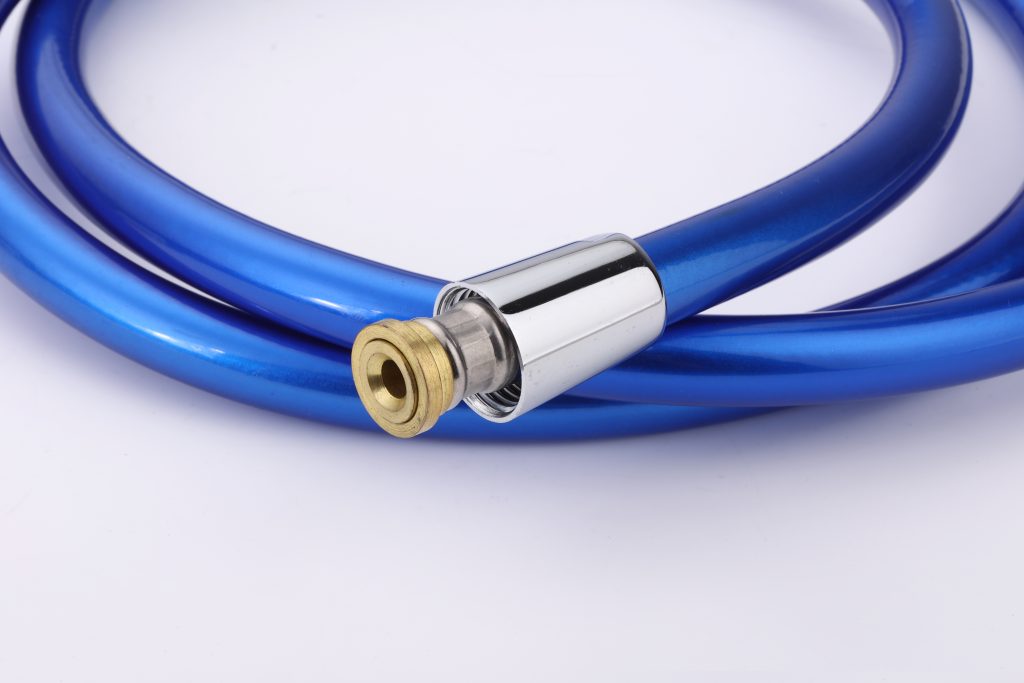
Many things decide how long a flexible shower hose will serve your home or business. The life expectancy of a flex hose depends on storage, installation, and daily operating conditions. Knowing these factors that affect the lifespan of a flexi hose helps buyers make smarter choices.
Storage and Installation Conditions
Poor storage can cut shelf life to under 5 years. Ultraviolet radiation breaks down chemical bonds in rubber and plastic flexi hoses. This oxidation leads to cracking, discoloration, and loss of flexibility. A weakened hose may burst under pressure, which creates a safety hazard. Store hoses in cool, dry, dark spaces away from direct sunlight and ozone sources. Keep storage containers off the ground to stop moisture from getting in. Respect bend radius limits, especially for metal hoses, to avoid plastic deformation before use.
Installation errors cut lifespan by 30 to 50 percent. A hose kinks when bent past its minimum bend radius. The wall collapses on itself, and repeated stress pushes the material to fatigue. Once a kink forms, the hose tends to kink again in the same spot. Over-tightening fittings damages threads and stops proper resealing. Wrong fittings create leak paths. At least one end of the hose must have a swivel to prevent loosening the opposite end during tightening.
Usage, Pressure, and Temperature
High pressure speeds up degradation. Hard water causes mineral calcification inside the flex hose, leaching out plasticizers and making rubber stiff and brittle. Instant shut-off of washing machine valves creates a water hammer shockwave. A healthy hose absorbs this spike, but a calcified hose cannot stretch to handle it. Microscopic internal tearing eventually leads to a full blowout.
Thermal cycling adds micro-fatigue into seals and connector bodies. Repeated exposure to hot water causes expansion, while cooler conditions cause contraction. Brass connectors handle thermal cycling better than zinc-alloy alternatives because they keep dimensional stability. Chemical exposure also matters. Rubber and elastomer inner cores can swell, harden, or degrade entirely depending on concentration and temperature. Higher temperatures increase chemical reactivity.
GONGGONG conducts 100% raw material inspection and holds certifications including WRAS, ACS, KTW/W270, WaterMark, ISO 9001, and CE. These certifications ensure compliance with potable water standards. The company’s defect rate is well below the industry average, and global leaders like TOTO trust their hoses. For wholesale buyers seeking OEM or ODM partnerships, these credentials confirm reliable performance across demanding operating conditions.
How to Extend Flex Hose Lifespan
Good habits help protect how long a flex hose lasts. Storage, handling, and care decide if a hose reaches its expected lifespan or fails early.
Proper Storage and Handling
Store hoses in a cool, dry place away from direct light to protect them from moisture, heat, and UV radiation. Keep the storage area away from sources of ozone, such as high-voltage equipment, electric motors, or items that generate sparks.
Ozone can corrode various types of rubber products.
Coiling method is also important. The coiling diameter should be at least 15 times the hose’s inner diameter; for example, a hose with a 25 mm inner diameter requires a coiling diameter of 375 mm or greater. Using a hose reel can extend the hose’s service life by up to 30%.
| Storage Practice | Benefit |
|---|---|
| Dry, cool environment | Prevents moisture and heat damage |
| UV protection | Stops surface cracking |
| Sealed hose ends | Blocks debris and internal corrosion |
| Lifting, not dragging | Avoids abrasion and punctures |
Maintenance and Inspection Tips
Conducting regular maintenance and inspections every 6 to 12 months helps identify issues early. Inspect hoses for cracks, kinks, corrosion, bulges, leaks, stiffness, or damaged fittings. Replace the hose immediately upon detecting any of these common signs of wear. In accordance with NFPA 99 (2018 edition) standards, non-stationary booms equipped with flexible gas connections must undergo leak testing at least every 18 months.
Ordering custom-length hoses from reputable suppliers helps avoid stress caused by excessive length or sharp bending. Selecting the appropriate liner material for the specific application is also crucial: for instance, EPDM or PEX is suitable for hot and cold water systems, while PTFE is ideal for chemical transfer. GONGGONG offers OEM and ODM services, providing wholesale customers with hoses customized to specific lengths and diameters. Implementing these measures maximizes the hose’s service life.
A hose’s service life depends on its material, operating environment, and routine maintenance. Expected lifespans by material are as follows: rubber (5–12 years), silicone (5–10 years), PTFE (virtually indefinite under proper storage conditions), metal (3–5 years), stainless steel braided hose (10–15 years), and PVC (5–8 years). Proper maintenance, correct installation, and appropriate storage all contribute to extending the hose’s lifespan. Buyers should select the right hose for their specific application and source certified braided hoses from reputable manufacturers like GONGGONG. Adopting these good practices not only extends the hose’s life but also ensures optimal performance.
FAQ
Does the life expectancy of a flex hose change with water quality?
Yes. Hard water causes mineral buildup. This buildup can harden the rubber, thereby shortening the hose’s service life. GONGGONG conducts 100% inspection of all raw materials to ensure compliance with drinking water standards.
How often should I inspect my flexi hose?
Please inspect the hose every 6 to 12 months for cracks, leaks, or hardening. Replace the hose immediately if signs of wear are detected. Wholesale customers can order custom-length hoses from GONGGONG to reduce stress caused by sharp bends.
What signs show a braided hose needs replacement?
The appearance of bulges, leaks, or stiff sections indicates that the hose is damaged. Stainless steel braided hoses have a service life of 10 to 15 years. For buyers seeking certified and durable hoses, GONGGONG offers OEM and ODM services.