
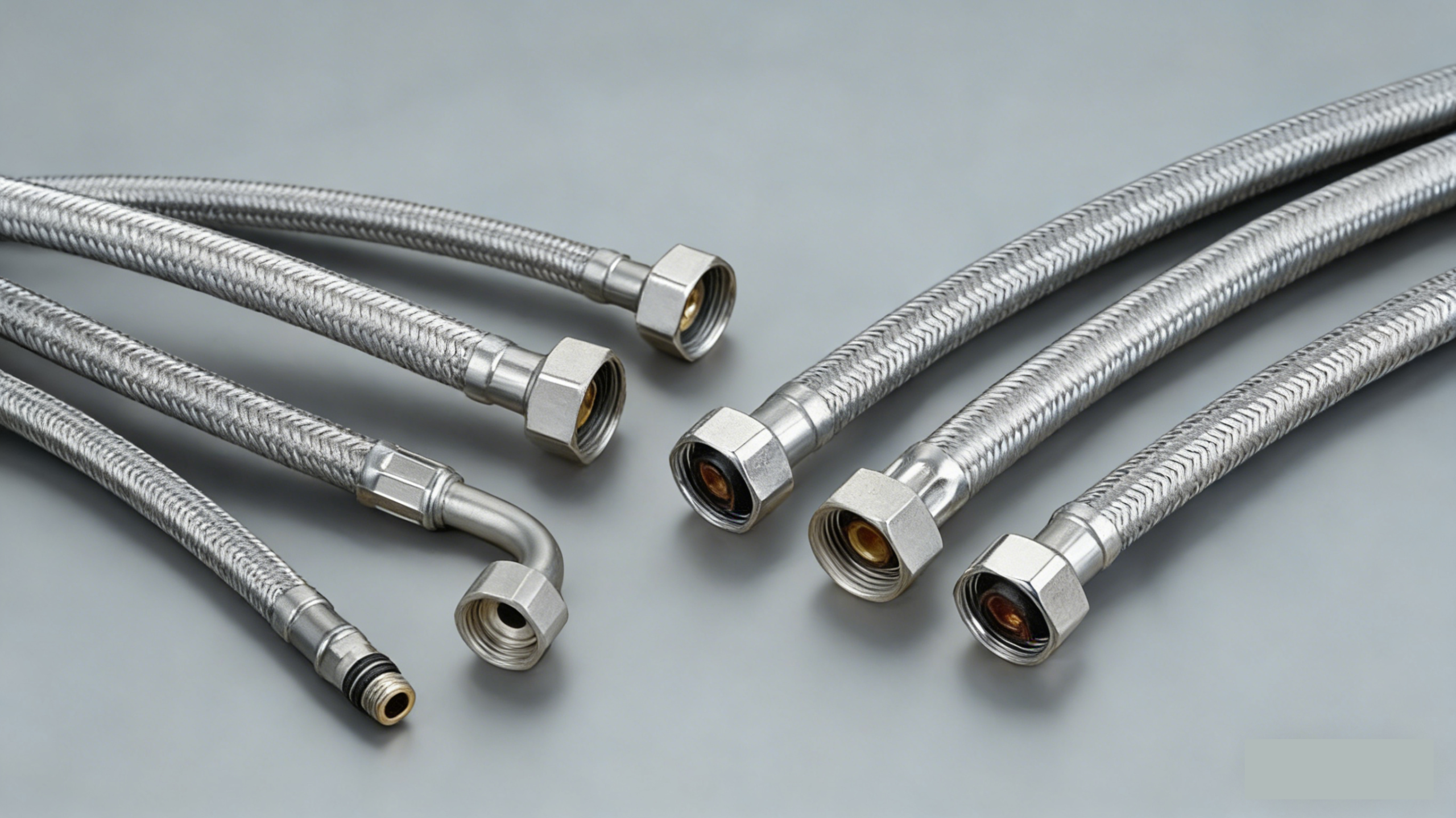
The flexible tubing in a shower enclosure is called a shower hose or shower tube. Some people also call it a hand shower hose or shower connector. Using the correct terminology helps buyers and homeowners make better choices.
- Clear labeling gives people peace of mind and helps them buy the right accessories.
- Simple, easy-to-understand names help everyone make choices faster.
Key Takeaways
- A shower hose, also known as a shower tube, connects the water supply line to the hand shower head. This allows the water flow to be easily directed in different directions.
- Using the correct terminology when buying shower accessories can help you quickly find the products you need and avoid buying the wrong thing.
- Regularly check your shower hose for leaks or damage. If you find a problem, replace it promptly. This ensures smooth water flow and avoids expensive repairs.
Shower Tube Terminology
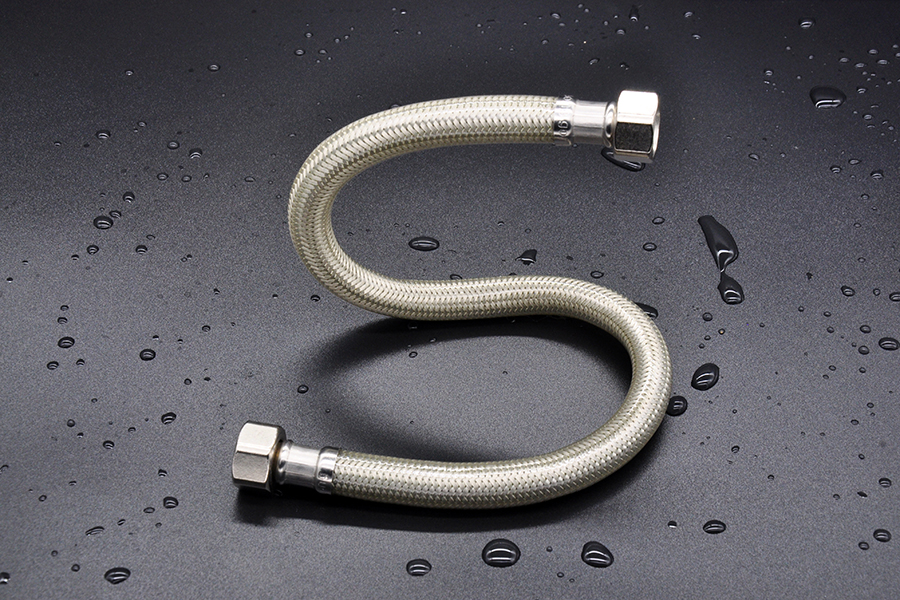
What Is a Shower Tube?
A shower hose is a flexible shower hose. It connects the water supply line to the hand shower head. This tube allows you to move the shower head and direct the water flow in the direction you want. Most shower hoses are made of stainless steel, polymer, or nylon. These materials make the hose both strong and flexible. GONGGONG braided hoses are a good example. They are durable, rust-resistant, and ideal for both home and commercial use.
Tip: Shower hoses prevent tangling and stretching, thus maintaining smooth water flow.
Shower tube Alternative Names
People call shower hoses various things. Some other names include:
- Shower Hose
- Handheld Shower Hose
- Hose Fitting
- Shower Tube
All these names refer to the same part. But “shower hose” and “shower tube” are the most common. Stores and websites use these names for easy reference.
| Term | Common Usage |
|---|---|
| Shower tube | Plumbing, retail |
| Shower hose | Plumbing, retail |
| Handheld hose | Home improvement |
| Flexible connector | Technical manuals |
Why Correct Terms Matter
Using the correct terminology helps people quickly find the right shower accessory. If you ask about a shower hose, the salesperson will know what you need. Clear wording helps in reading instructions or finding new accessories. For example, GONGGONG braided hoses use common terminology. This helps buyers match it to their shower system. Using the correct terminology can prevent errors and save time when repairing or upgrading your shower equipment.
Note: Always read the product label and instructions. This helps you ensure that the accessories are suitable for your shower equipment.
Related Shower tube Parts
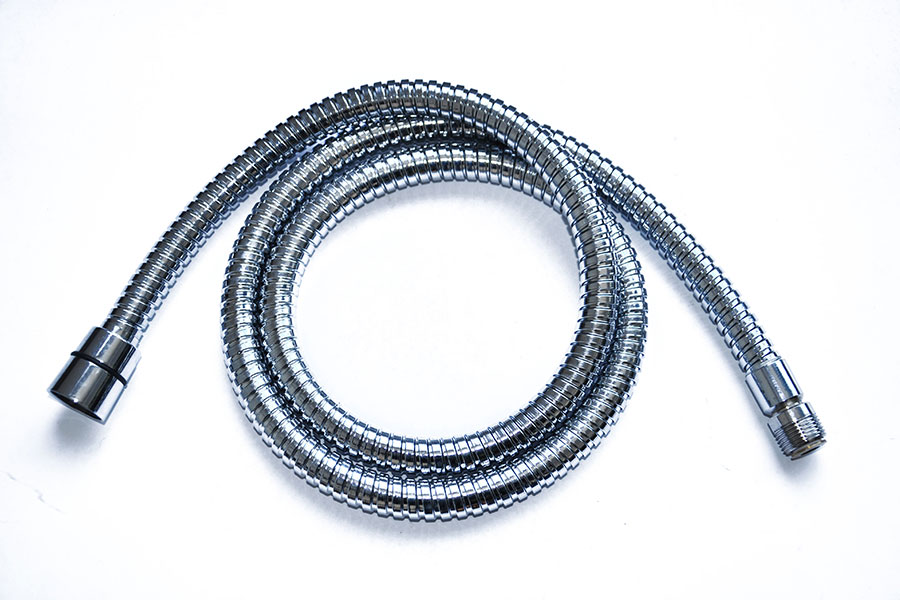
Shower Arm vs. Shower Tube
Shower arms and shower hoses serve different functions. A shower arm is a rigid tube used to connect the shower head and faucet. The shower arm can raise the shower head. It can also adjust the angle of the shower head. A shower hose is not rigid but flexible, used to connect a handheld shower head and faucet. Each component is made of different materials and has a different lifespan. The table below compares the different materials:
| Material | Durability Comparison | Health Properties |
|---|---|---|
| Pure Brass | Lifespan is three times that of ordinary stainless steel | Antibacterial, antiviral, antifungal |
| Stainless Steel | Not as durable as pure brass | General health properties |
| Zinc Alloy | Not recommended for health reasons | Potentially harmful |
Shower Head and Trim
The shower head is where the water comes out, and it determines your showering experience. A shower cover consists of two main parts: the cover plate and the trim panel. The cover plate covers any holes in the wall to prevent water from seeping in. The trim panel is installed around the handle. It gives the shower a clean and aesthetically pleasing look. The table below lists these components and their functions:
| Component | Function |
|---|---|
| Shower Arm | Connects the shower head and faucet system, and adjusts it to a comfortable height and angle. |
| Cover Plate | Covers holes in the wall to prevent water damage. |
| Trim Plate | Makes the area around the handle look seamless. |
| Showerhead | The place where water flows out of the plumbing system. |
Most shower heads use 1/2-inch pipe threads. This size makes it easy to connect to different shower hoses. You don’t need to use special adapters.
Diverter Valve and Rough-In Valve
A diverter valve sends water to different places. It can send water to the showerhead or the tub spout. It does not change the water’s temperature or pressure. Some diverter valves are inside the tub spout. Others are separate parts. The rough-in valve is the main control for water. It sets the water’s temperature and flow. It is the main valve in the shower system.
Tip: If you know the difference between a diverter valve and a rough-in valve, it is easier to pick the right shower faucet parts.
- The diverter valve lets you switch water between the showerhead and other places.
- It only controls where the water goes.
- It does not change the temperature or pressure.
- Some diverter valves are part of the tub spout, and some are not.
Shower Tube Function
Shower tube role in the Shower System
A shower tube links the faucet to the handheld showerhead. This bendy tube lets you move water where you want. It is helpful for kids, older people, and anyone who cannot move easily. People use it to wash the shower and rinse their hair well. When you hang it up, it works like a regular showerhead. You can pick different spray settings for your own needs. It is simple to put in or swap out, which helps homeowners. The shower tube keeps water flowing and helps the shower faucet work right.
Tip: Flexible shower tubes keep water strong and make cleaning simple.
Shower tube Material Options
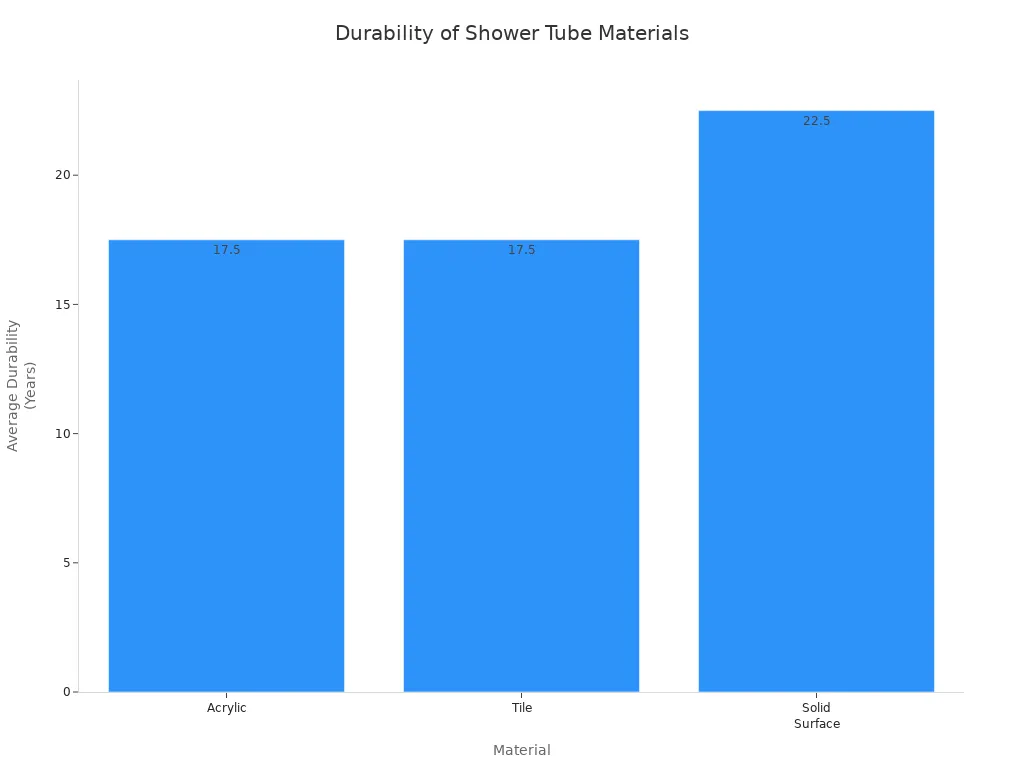
Shower tubes are made from different materials. Stainless steel, polymer, and nylon are used a lot. The GONGGONG Braided Hose uses strong stainless steel that does not rust. Polymer and nylon are bendy and cost less money. Some tubes have safety ratings to stop leaks and bursts. The inside might use EPDM or PEX to keep water clean or safe from chemicals. The table below shows how these materials compare:
| Material | Durability (Years) | Waterproofing | Maintenance Requirements | Safety Features |
|---|---|---|---|---|
| Acrylic | 15-20 | 100% | Easy to clean, no resealing | Can scratch if scrubbed with abrasives |
| Tile | 15-20 | Requires resealing | Requires specialty cleaning | Can harbor mold if not maintained |
| Solid Surface | 15-30 | Requires resealing | Easy to wipe down | Requires professional maintenance |
Shower tube Replacement Tips
People get new shower tubes for many reasons. Leaks, mold, cracks, weak water, or old styles are common problems. To change a shower tube, do these steps:
- Shut off the water.
- Take off the old trim and valve.
- Pick a new valve and connect the pipes.
- Put together the new valve part.
- Check for leaks.
- Add the cartridge, tub spout, showerhead, and trim handle.
Measure carefully so the new tube fits right. Knowing about Plumbing and water flow helps you avoid mistakes. Check your local plumbing rules to stay safe. Do not buy cheap tubes, skip measuring, or forget about the drain spot. Look for anti-slip parts and good warranties for safety and value.
Note: Check your shower tube often and replace it when needed. This keeps water flowing and stops big repair bills.
Many people call the bendy tube in a shower a shower tube or shower hose. Using the correct name makes fixing or improving your shower easier. When picking a new tube, look at what it is made of, how long it is, what kind of ends it has, and if it bends without kinking. Good brands like GONGGONG make strong tubes that last and stop problems later.
- Make sure there is enough room and the hose fits the user’s height.
- Check that the hose size and ends match your shower.
- Pick a color or finish that looks good in your bathroom.
- Choose materials that are easy to keep clean.
Cleaning the tube often and putting it in the right way stops leaks, mold, and weak water flow.
FAQ
What is the difference between a shower tube and a shower hose?
A shower tube and a shower hose refer to the same flexible connector. Both link the water supply to the handheld shower head in a shower.
How often should someone replace a shower tube?
People should check the shower tube every year. Replace it if there are leaks, rust, or weak water flow. Regular inspection keeps the shower working well.
Can any shower tube fit all shower systems?
Not every shower tube fits all systems. Measure the length and connector size before buying. This helps match the shower tube to the shower setup.