
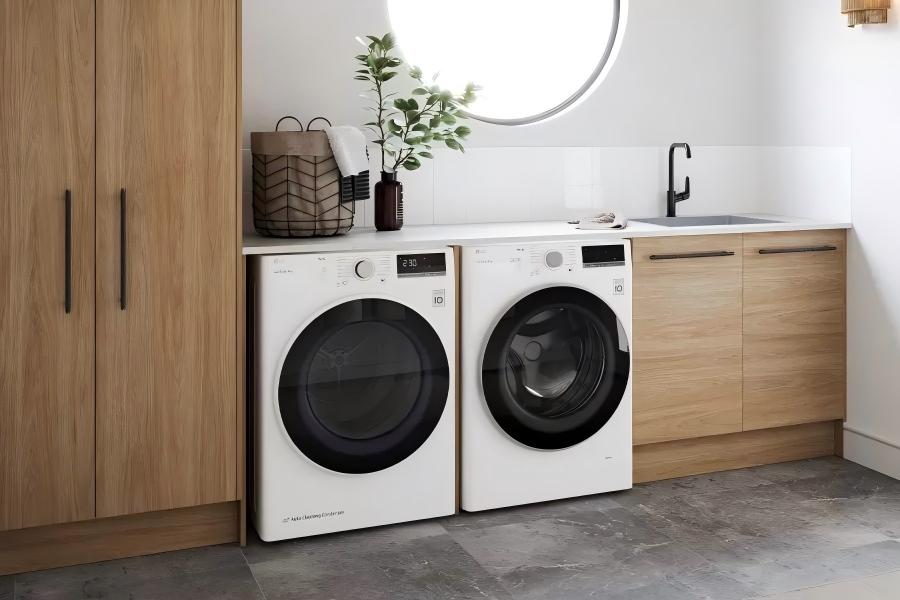
The washing machine drain hose is used to drain wastewater from the washing machine. It’s called by various names.
- Its formal name is drain hose.
- Some people also call it a drain pipe or drain hose.
Using the correct name helps with washing machine installation, repair, and maintenance. If repairmen and users use the correct name for the washing machine drain hose, they can find the necessary part more quickly. Understanding this important component helps prevent leaks and ensures your washing machine functions properly.
Key Takeaways
- The formal name for the washing machine drain hose is drain hose. Knowing its correct name helps with repair and maintenance.
- Regularly check the drain hose for leaks, blockages, or damage. Early detection can prevent bigger problems and ensure the safety of your laundry area.
- Keep the drain hose straight and secure it with clamps. This prevents backflow and leaks during use.
- Use a drain hose that is the correct size for your washing machine. Most hoses are 1 inch, 1-1/8 inch, or 1-1/4 inch in diameter.
- Clean the drain hose monthly to prevent blockages. Simple maintenance saves time and protects your home from water damage.
Washing machine drain pipe names
Official name: drain hose
The primary name for a washing machine drain hose is drain hose. You can find this name in user manuals and repair books. The drain hose connects the washing machine to your home’s plumbing system. It allows wastewater to drain from the washing machine after each wash. This name is used when the washing machine drain hose needs repair or replacement.
Alternative names: drain line, outlet hose
People sometimes use other names for the washing machine drain hose. The most common names are drain hose and outlet hose. You’ll see these names in online chats, stores, and repair shops. All these names refer to the same part, but people use them differently. For example, drain hose can refer to the entire path water travels from the washing machine to the main plumbing system. Outlet hose can refer to the curved hose that connects to the riser or wall drain.
Knowing these names helps people find the correct part and follow the instructions. It’s also helpful when communicating with plumbers or experts.
The following table lists the most common washing machine drain hose names found in online groups and forums:
| Term | Context of Use |
|---|---|
| standpipe | Needed for good setup to stop siphoning. |
| drain hose | Talked about when fixing washing machine cycle problems. |
| siphoning | Used when stopping water from draining the wrong way. |
Drain hoses are used in many ways. They are used when discussing the installation, repair, or inspection of washing machines. The drain hose is an important component of a washing machine. It helps water drain safely and prevents leaks.
Some hoses, such as GONGGONG kitchen hoses, are made of similar materials and have the same structure as washing machine drain hoses. GONGGONG kitchen hoses have a braided stainless steel layer, making them strong and durable. Most washing machine drain hoses are made of rubber or vinyl. GONGGONG hoses are lined with polytetrafluoroethylene (PTFE), which helps withstand greater pressure and keep water clean. Both types of hoses are easy to install and leak-proof.
- GONGGONG kitchen hoses have a braided stainless steel layer, making them strong and durable.
- Most washing machine drain hoses use rubber or vinyl materials.
- GONGGONG hoses are lined with polytetrafluoroethylene (PTFE), which can withstand pressure and keep water clean.
The drain hose is essential for the proper functioning of a washing machine. Understanding the names and functions of drain hoses is helpful for installation, maintenance, and selecting appropriate accessories. The washing machine drain hose connects to the riser or main drain pipe to drain water from the washing machine, keeping the floor dry.
Drain hose function in washing machine
Washing machine drain process
The washing machine drain hose is responsible for draining wastewater after each wash. It connects the washing machine to the house’s drainage system. After the clothes have finished washing, wastewater drains through the drain hose, keeping the inside of the washing machine clean and dry. If the drain hose malfunctions, wastewater will stagnate inside the washing machine. Stagnant water can lead to mold growth and odors. The drain hose ensures that wastewater is drained quickly and safely. People rely on drain hoses to keep the laundry room dry, and they also help prevent flooding. The drain hose prevents overflow by draining water from the washing machine.
Preventing leaks and overflows
Leaks and overflows can cause significant problems in the laundry room. The drain hose must be kept in good condition to avoid these issues. Several design features help prevent leaks and overflows. The table below lists important steps and their importance:
| Practice | Why it Matters |
|---|---|
| Keep hose straight | Stops water from backing up |
| Secure hose with clamps | Keeps hose from moving during draining |
| Clean lint filters | Helps stop clogs in the hose |
| Inspect connections | Finds leaks before they get worse |
People should regularly check drain hoses for problems and look for signs of leaks. Common causes of leaks include:
- Improperly installed drain hoses can cause leaks due to siphoning.
- Clogged drain hoses can cause slow drainage or even overflow.
- Frozen pipes, especially on exterior walls, can cause leaks in cold weather.
- Clogged hoses and inlet valves can block water flow and cause leaks when the washing machine is turned off.
Regular maintenance ensures drain hoses are functioning properly. People can prevent leaks and overflows by following these steps. Drain hoses protect homes from water damage and ensure the safety of the laundry area.
Washing machine drain pipe appearance
Common materials and sizes
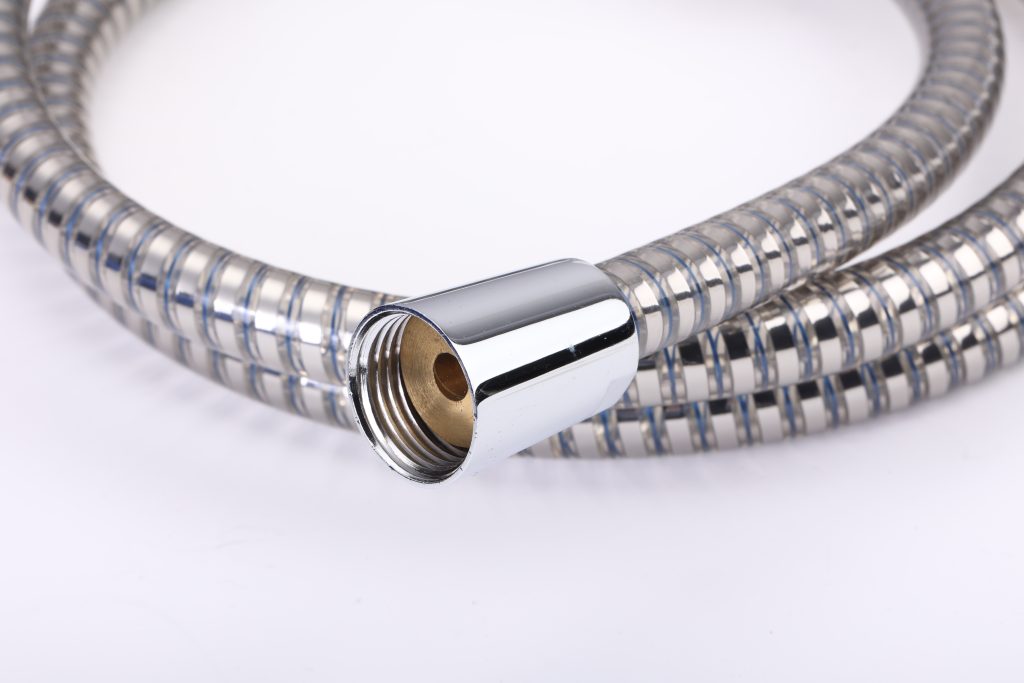
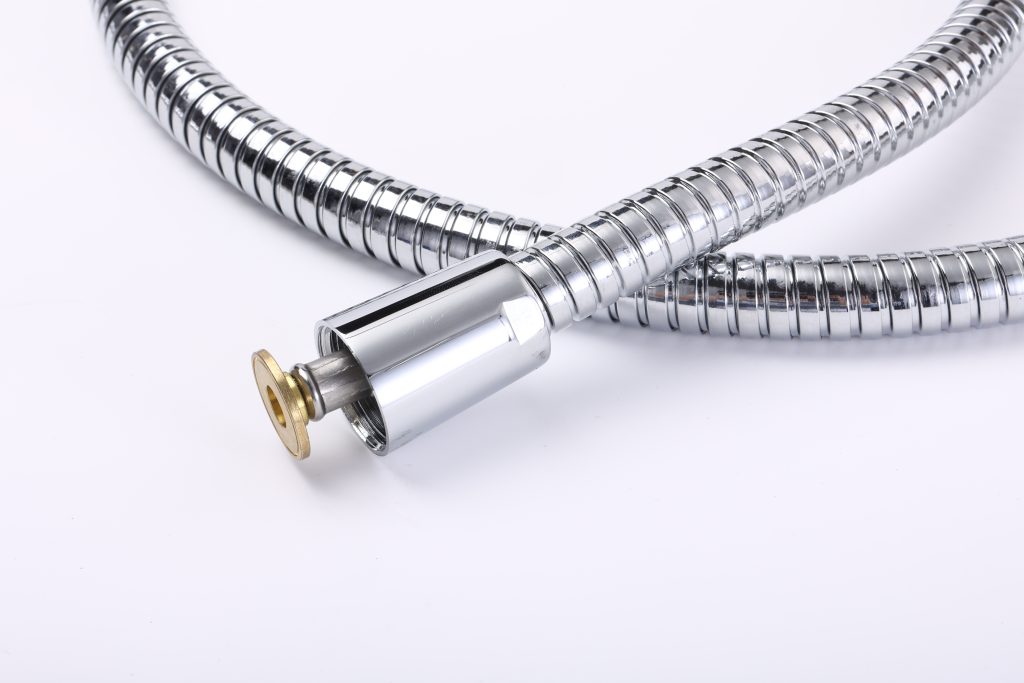
Washing machine drain hoses come in various materials. Most hoses are made of plastic or PVC. These materials make the hoses flexible and lightweight. Many people choose plastic or PVC because they are easy to move and install. Some hoses are made of rubber. Rubber hoses are flexible, but over time, especially under high pressure or high temperatures, they can crack or leak. For increased strength, some hoses have a stainless steel braided layer. This design uses an inner rubber hose wrapped with an outer stainless steel braided layer. The steel braided layer protects the hose from kinks, punctures, and external damage. Stainless steel braided hoses are more durable than ordinary rubber or plastic hoses.
Drain hoses also come in different sizes. Most hoses are between 4 and 12 feet long. Short hoses work well if the washing machine is close to the drain. Longer hoses are more suitable if the washing machine is further from the drain. However, hoses longer than 10 or 12 feet can cause problems. Drainage may slow down, and blockages may occur more frequently. The appropriate length depends on the distance between the washing machine and the drain. The hose may sag and accumulate water.
Tip: Always measure your space before purchasing a new drain hose. This helps prevent leaks and drainage problems.
Typical shapes and fittings
Most washing machine drain hoses are round and flexible. The hose typically has ridges along its length, which help the hose bend without tangling. The hose ends are usually molded elbows or hooks for fitting over the riser or connecting to a wall drain. Some hoses come with clamps or plastic supports; these accessories secure the hose during use.
The table below lists common accessories and their uses:
| Fitting Type | Purpose |
|---|---|
| Elbow/Hook End | Hangs hose on standpipe |
| Clamp | Secures hose to washer/drain |
| Adapter | Connects hose to different sizes |
Many hoses come in standard diameters, such as 1 inch, 1 1/8 inch, or 1 1/4 inch. These sizes fit most washing machines and home plumbing systems. Proper accessories ensure a tight seal and help prevent leaks.
Washing machine drain installation
Proper connection and setup
A good washing machine drain system installation begins with proper connections. Most washing machines use universal diameter drain hoses. The most common sizes are 1 inch, 1-1/8 inch, and 1-1/4 inch. These sizes fit most household plumbing systems. The drain hose connects to the riser. Clips or cable ties can be used to secure the hose in place to prevent slippage during use.
Easy installation is crucial for everyone. Some hoses, such as GONGGONG kitchen hoses, are designed to prevent leaks. These hoses use sturdy materials and tight connections. Leak-proof hoses prevent water from leaking out of the pipes and onto the floor. Users should check all connections for leaks before using the washing machine. A good seal prevents water leaks.
Height and placement tips
The height of the riser is critical for every washing machine. The riser should be at least 43 inches (approximately 109 cm) above the ground. This height helps water drain smoothly and prevents backflow. If the riser is too low, water may flow too fast or cause siphoning. If the riser is too high, the washing machine pump may overload. The riser should be close to the washing machine, but not in contact with it. Leaving space allows for airflow and prevents pressure build-up.
The riser should be kept straight and unobstructed. Bent or clogged risers can cause leaks or slow drainage. The riser should be connected to the house’s main drain. This connection allows water to drain away from the laundry area. The riser should be checked regularly for blockages or build-up of dirt. A clean riser ensures fast and safe water flow.
Tip: Always measure the riser height before installing a new washing machine. Proper riser height and location can protect your house from leaks and water damage.
A table below shows the best practices for stand pipe installation:
| Step | Why It Matters |
|---|---|
| Use correct hose diameter | Ensures a tight fit |
| Set stand pipe at 43″ min | Prevents siphoning and overflow |
| Secure hose in stand pipe | Stops leaks and movement |
| Keep stand pipe clear | Maintains fast drainage |
Drain pipe maintenance and replacement
Signs of clogs or damage
There may be issues with your washing machine drain hose that require attention. If drainage is slow, there may be a problem. Sometimes, water remains in the drum after a wash. You may hear a gurgling sound from the drain hose or pipe. There may be a musty or sour smell near the washing machine.
- Slow drainage or no drainage at all
- Water remaining in the drum
- Gurgling sound from the pipe
- Muddy or sour smell near the drain hose
- Drainage error code
- Water backflowing into the sink or other areas of the drain hose
Tip: Finding drain hose problems early helps avoid big repairs and keeps the laundry area safe.
Cleaning and replacing the drain hose
Proper maintenance of your drain hose helps it function properly. Experts recommend checking and cleaning it monthly. If you use hard water or do laundry frequently, you should check it every two to three weeks. This prevents blockages and ensures your washing machine runs smoothly.
Some simple habits help keep your drain hose in good condition:
| Maintenance Tip | Purpose |
|---|---|
| Keep hose straight | Stops water from backing up |
| Secure hose with clamps | Keeps hose from moving when draining |
| Clean lint filters | Lowers the chance of clogs |
| Inspect connections | Finds leaks before they get worse |
People should take off the hose and rinse it with water to clear out dirt. They can use a brush or pipe cleaner for tough clogs. If the hose has cracks, leaks, or lots of buildup, it is best to replace it. Most hoses are simple to put in and have standard ends. Taking care of the hose stops leaks and protects the home from water damage.
Taking care of the drain hose is easier than fixing a clog. A little work now saves trouble later.
Knowing the correct names—drain hose, drain pipe, and drain outlet hose—helps people maintain their washing machines. Understanding the function of the drain hose can simplify troubleshooting:
- Slow drainage or residual water may indicate a blockage.
- A gurgling sound usually indicates a blockage.
- An unusual odor may indicate water accumulation.
- A washing machine that won’t spin or drain may have a serious blockage.
Regular maintenance, such as checking for kinks or cracks, helps extend the life of your washing machine. Adopting some simple habits can ensure a safe laundry area and keep your washing machine running smoothly.
FAQ
What is the main purpose of a washing machine drain hose?
The drain hose directs wastewater from the washing machine into the house’s plumbing system. This keeps the laundry area dry and prevents damage from leaks.
How often should you check your washing machine drain hose?
It is recommended to check the drain hose monthly. Regular checks help detect leaks, cracks, or blockages before problems worsen.
Can a kitchen hose replace a washing machine drain hose?
Kitchen hoses, such as GONGGONG kitchen hoses, use similar materials and fittings to washing machine drain hoses. However, each type of hose has its specific purpose. Always use a hose that matches your appliance.
What size drain hose does most washing machines use?
Most washing machines use drain hoses with diameters of 1 inch, 1-1/8 inch, or 1-1/4 inch. These sizes are suitable for standard household plumbing systems.
How to prevent your washing machine drain hose from clogging?
Clean the lint filter, keep the hose straight, and check for buildup. These steps help ensure smooth water flow and prevent blockages.