
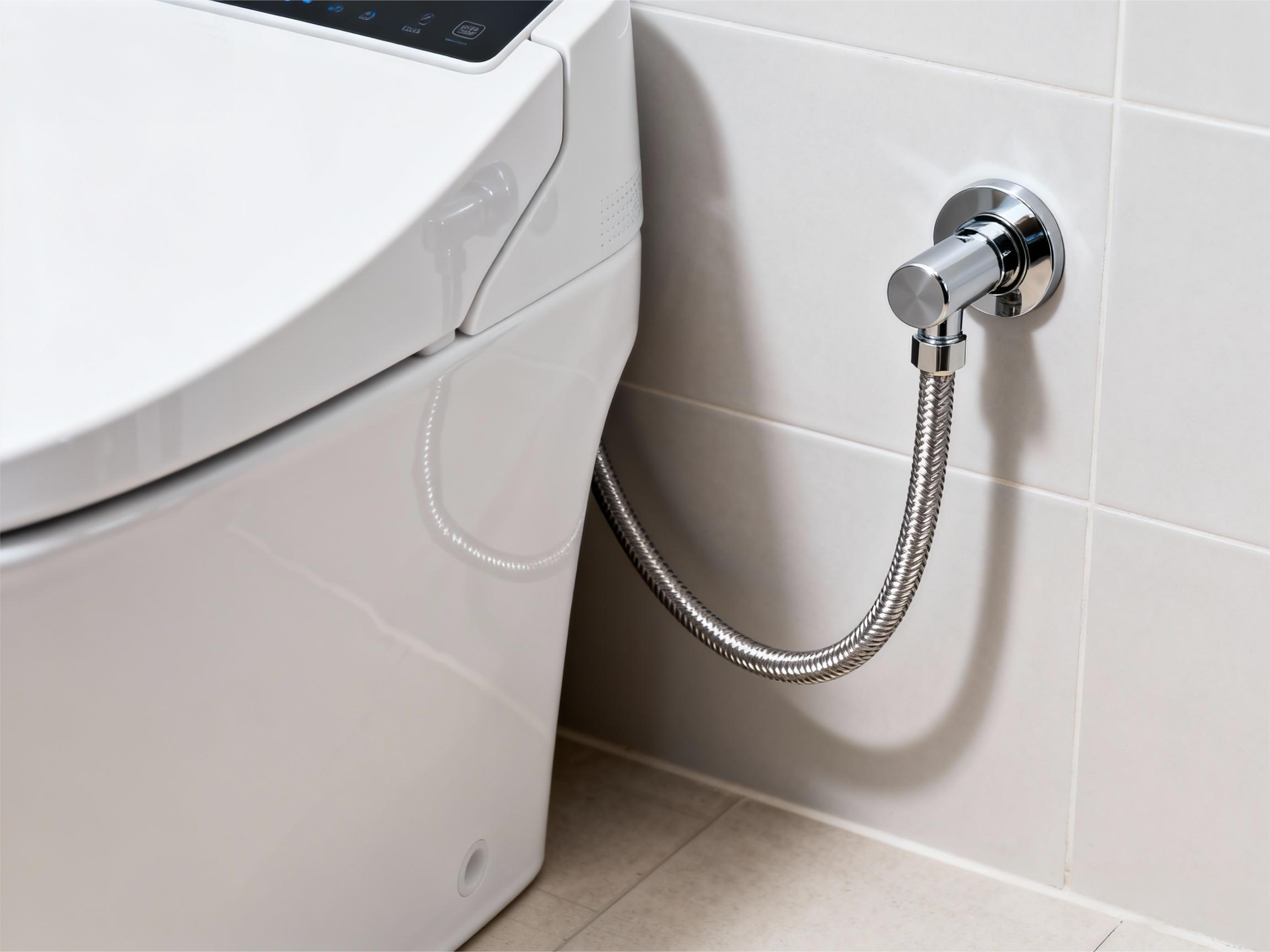
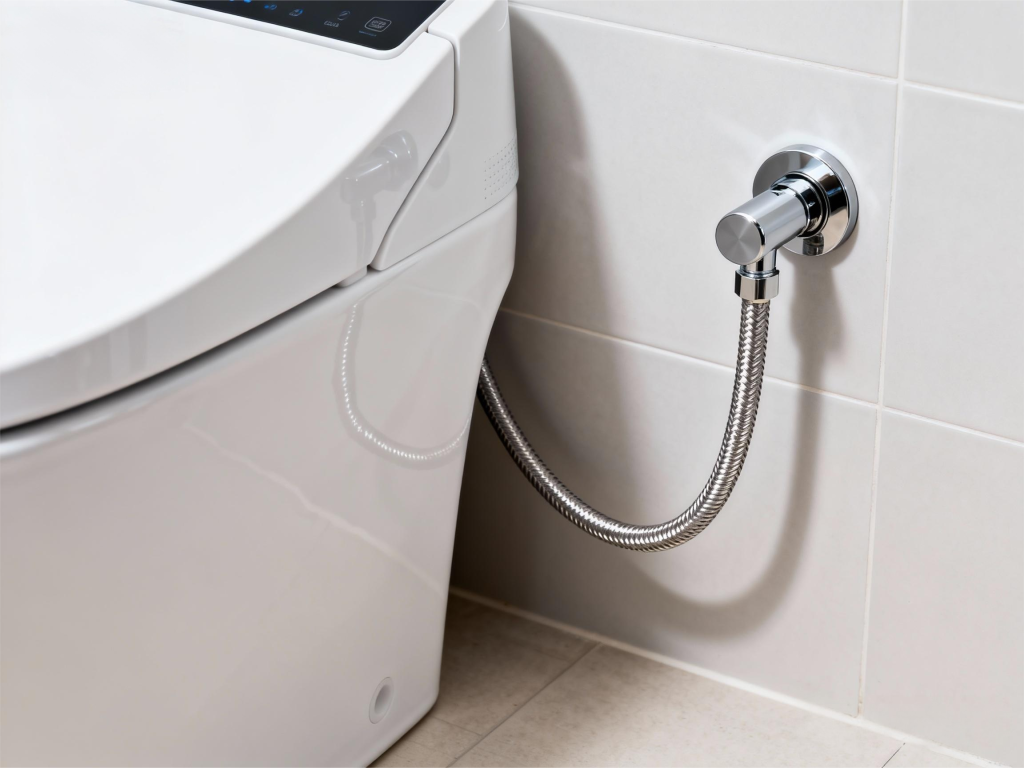
Most toilets typically use braided hose with a 3/8-inch compression fitting and a 7/8-inch ball valve. Some toilets may require different hose sizes, so checking the fittings is crucial. Choosing a reputable supplier like GONGGONG ensures you get high-quality products. Their hoses won’t rust, can withstand high pressure, and offer flexible customization options to meet various installation needs.
Key Takeaways
- Most toilets use braided hose with a 3/8-inch compression fitting and a 7/8-inch ball valve.
- Measure the distance from the shut-off valve to the toilet tank to determine the appropriate length.
- Replace the braided hose every 8 to 10 years to prevent leaks and damage.
Standard Braided Line Sizes
Common Diameters
Toilet water supply hoses come in several sizes. These sizes ensure a secure connection and smooth water flow. Most companies, such as GONGGONG, use these sizes for all orders.
- The inlet size is typically 7/8 inch, used to connect to the float valve on the toilet tank.
- The outlet size is typically 3/8 inch, used to connect to the compression fitting on the shut-off valve.
- Some installations use other sizes of fittings, such as 1/2 inch compression fittings or FIP fittings.
The table below lists the most common connection types and their common sizes:
| Connection Type | Common Sizes |
|---|---|
| Compression (OD) | 3/8″, 1/2″ |
| Female Iron Pipe (FIP) | 1/2″, 3/8″ |
| Faucet Shank and Ballcock | 7/8″ Ballcock |
Gonggong is a top-tier braided hose supplier that produces both standard and custom sizes for various projects.
Typical Lengths
Braided lines come in different lengths for many setups. Companies like GONGGONG make hoses in both common and custom lengths for all buyers.
- 9 inches
- 12 inches
- 16 inches
- 20 inches
- 24 inches
Most houses use a 12-inch braided line for toilets. But, you can get custom lengths for special jobs or big buildings. Custom lines need careful measuring and planning, but they make installing easier.
Tip: Always measure from the shutoff valve to the toilet tank before buying a new supply line. This helps you get the right length and stops stretching or bending.
Most Used Size
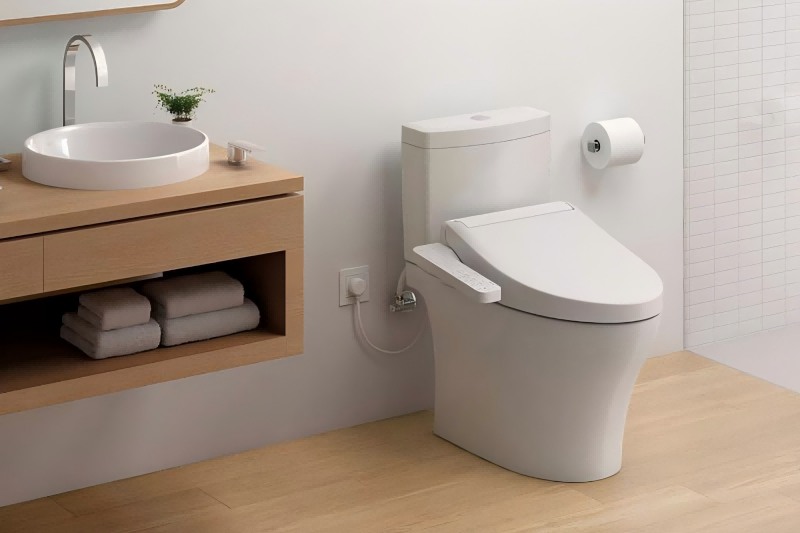
The size used most for toilets at home is 3/8-inch compression by 7/8-inch ballcock, with a 12-inch length. This size fits most toilets and shutoff valves. Big suppliers like GONGGONG keep these sizes ready to ship fast.
| Type of Supply Line | Price Range |
|---|---|
| Flexible Braided Stainless Steel | $10 – $20 |
| Rigid Copper | $15 – $30 |
| PVC and Vinyl Options | $5 – $15 |
Replacement and Pressure Ratings
Plumbers recommend replacing braided hoses every 5 to 7 years, and even sooner if damage or leaks are found. Most hoses last 10 to 12 years under normal conditions. If your home has hard water or high water pressure, you may need to replace the hoses more frequently.
GONGGONG’s braided hoses meet stringent pressure and safety standards. Their hoses are durable and suitable for both residential and commercial applications.
Note: Check your supply lines often and replace them on time to stop leaks and water damage.
How to Choose the Right Braided Line
Check Fittings
To pick the right braided line, you need to know the size of the shutoff valve and the toilet connection. This helps make sure the line fits well and does not leak. Here is what you should do:
- Find out what the supply line is made of. It could be copper, CPVC, PEX, or galvanized steel.
- Look at the connection type for each material:
- Copper uses compression, push-to-connect, or sweat fittings.
- CPVC uses solvent weld or push-to-connect.
- PEX uses barbed, compression, or push-to-connect.
- Galvanized steel uses FIP connections.
- Measure how wide the shutoff valve and the toilet tank connection are. Most toilets use a 3/8-inch compression at the valve and a 7/8-inch ballcock at the tank.
Measure Length
Measuring the length right stops the line from stretching or bending too much. Here is how you do it:
- Measure from the water supply valve, which is usually on the wall or floor, to the toilet tank’s inlet.
- Add 1 or 2 inches for extra length. This makes it easier to install and gives you more room, especially if the space is tight.
- GONGGONG makes both regular and special lengths to fit any setup.
Plumbers and people who fix things themselves like braided lines because they bend easily. These hoses are good for small spaces in bathrooms and mean you do not need lots of pipe work.
Match Connectors
It is important to make sure the connectors fit so there are no leaks.
- Make sure the connectors fit both the shutoff valve and the toilet tank.
- The most common connector types are compression and threaded fittings.
- If you need something special, companies like GONGGONG can help with custom options.
The fittings on each end of the supply line must fit the shut-off valve and the toilet. If the threads do not match or the size is wrong, leaks can happen and cause damage that costs a lot to fix.
GONGGONG knows a lot about making and selling braided lines. They make sure their lines work well for homes and businesses.
Braided Line Installation Tips
Material Quality
Most companies use stainless steel braided water pipes. This is because stainless steel is strong, durable, and rust-free. These pipes can withstand high water pressure and are not easily bent or twisted, making them ideal for both residential and commercial use. Polymer and nylon braided water pipes are less expensive but are easier to bend. If you want pipes that last, stainless steel is the better choice. Furthermore, stainless steel water pipes are environmentally friendly and recyclable, so they do not harm the environment.
Leak Prevention
Properly installing the hose will prevent leaks and ensure bathroom safety. You should tighten the nuts at both ends, but not too much, as this may damage the parts. If leaks persist, wrap hose tape around the threads or apply sealant. In situations with limited space, always measure the hose length before installation.
Common Mistakes
People sometimes make mistakes when installing braided hoses. Some forget to tighten the hose fittings, others use inferior hoses, or fail to check for leaks. Choosing a high-quality braided hose from a trustworthy brand like GONGGONG can help avoid these problems. Overtightening the fittings, bending the hose, or choosing the wrong size can all cause leaks. Safety labels are very important. Look for hoses with the NSF372 and APMO markings, as shown in the picture below:
| Certification | Description |
|---|---|
| NSF372 | Lead free approval for potable water systems |
| APMO | ASME A112.18.6-2009/CSA B125.6 NSF/ANSI 61 |
Tip: Always pick lines with safety labels and follow the steps for installation. This will help you feel safe.
The usual braided line size for toilets is 3/8″ compression by 7/8″ ballcock. You should check the fittings before you install the line. This helps stop leaks. Picking a trusted supplier like GONGGONG keeps your toilet safe and strong:
| Feature | Description |
|---|---|
| Material Quality | GONGGONG uses stainless steel that does not crack or get old fast. |
| Manufacturing Process | They follow strict rules to make sure the lines are strong and last long. |
Changing the line often gives you these good things:
- It makes your bathroom safer and stops leaks.
- Water flows better and your toilet works well.
- You save money over time.
Look at the lines every six months. Change the hoses every 8-10 years so you do not worry.
FAQ
What is the most common braided line size for toilets?
The usual size is 3/8″ compression by 7/8″ ballcock. Companies like GONGGONG make this size for big orders and special requests.
How often should a braided hose be replaced?
Plumbers say to change braided hoses every 8 to 10 years. Check the lines every six months for leaks or damage.
Are custom lengths available for toilet braided lines?
Suppliers like GONGGONG can make hoses in custom lengths. Custom hoses fit special setups and stop stretching or bending.