
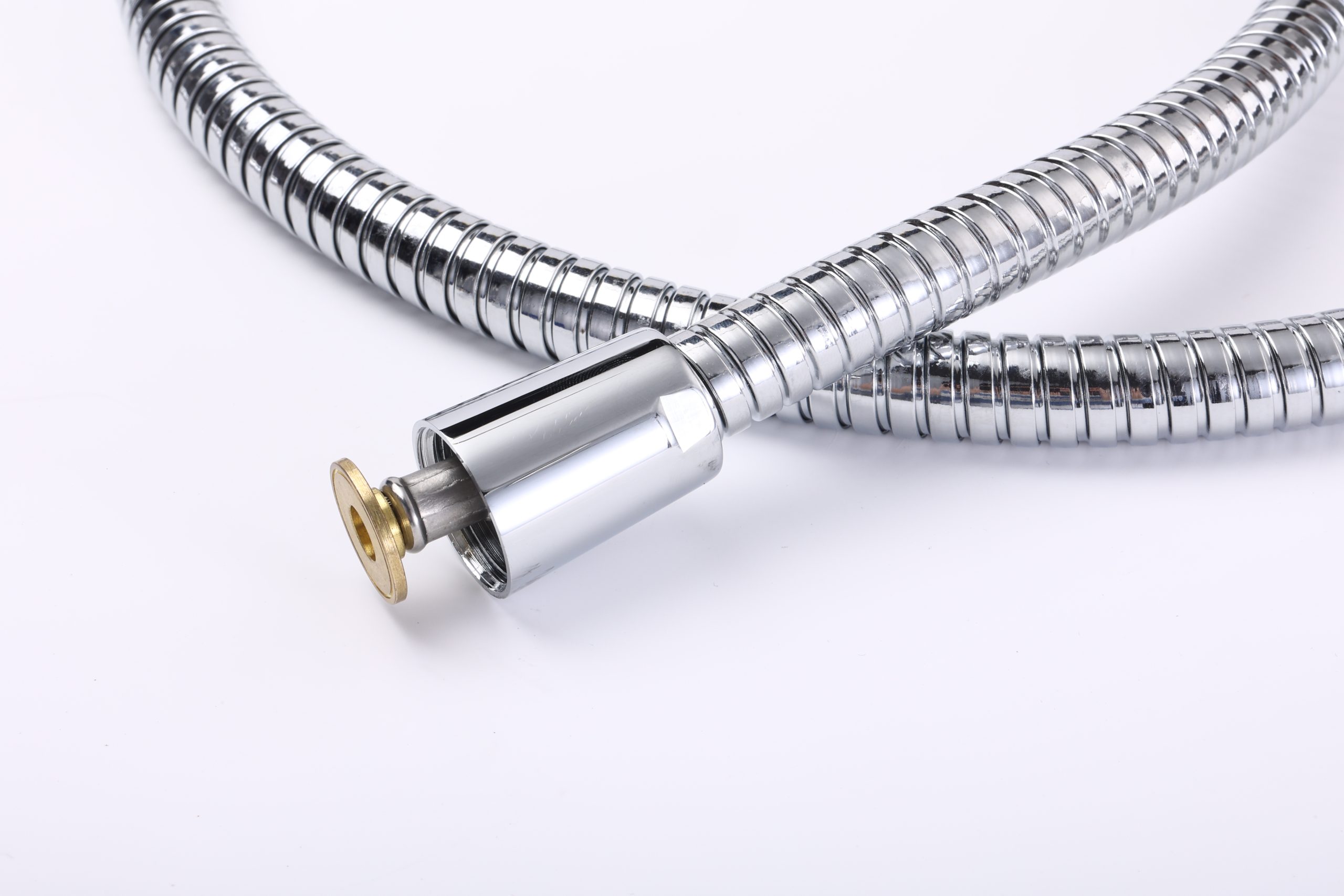
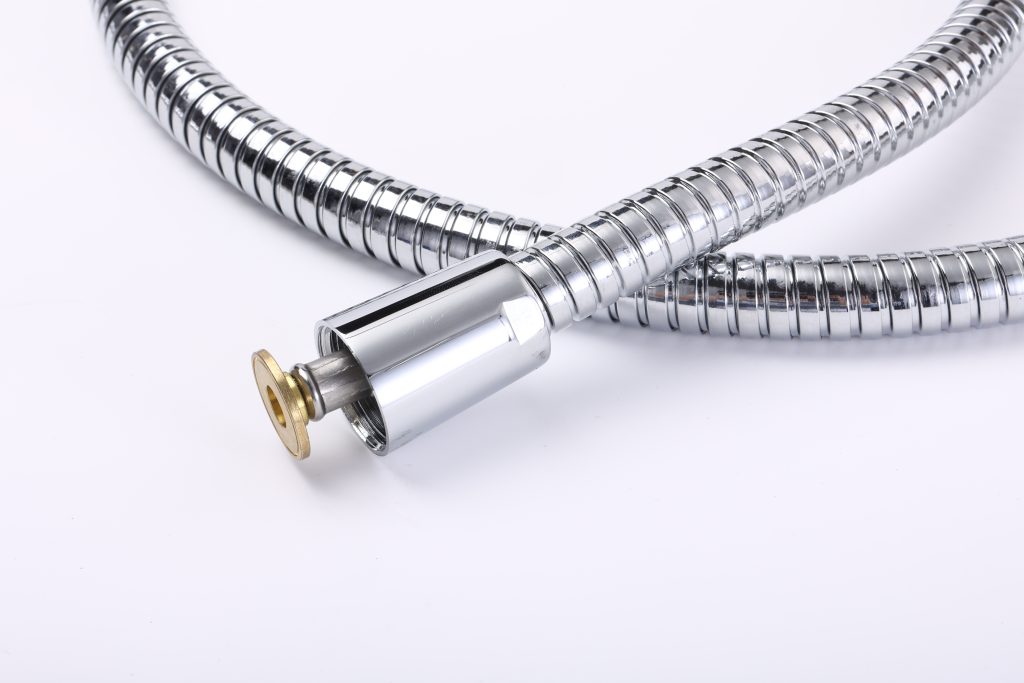
When homeowners pick out shower hoses, the most common comparison is between EPDM rubber and PVC. People care most about overall sturdiness, how bendable the hose stays, and its heat resistance. EPDM hose lasts far longer and remains flexible through years of use. PVC hose comes with a much lower price tag and works fine for basic, simple shower setups. Your final pick all boils down to which features you value most.
Key Takeaways
- EPDM hoses stand up to extreme hot and cold water far better than PVC, with a much longer service life. Go for EPDM if you regularly use hot showers or need a hose for outdoor use.
- PVC is budget-friendly and suitable for basic shower needs. It is lightweight, yet will gradually turn rigid and crack over time, especially with frequent hot water exposure.
- Always inspect the hose connectors before purchasing. Well-made fittings stop water leaks and make installation quick and hassle-free.
EPDM or PVC: Material Comparison
EPDM Shower Hose Features
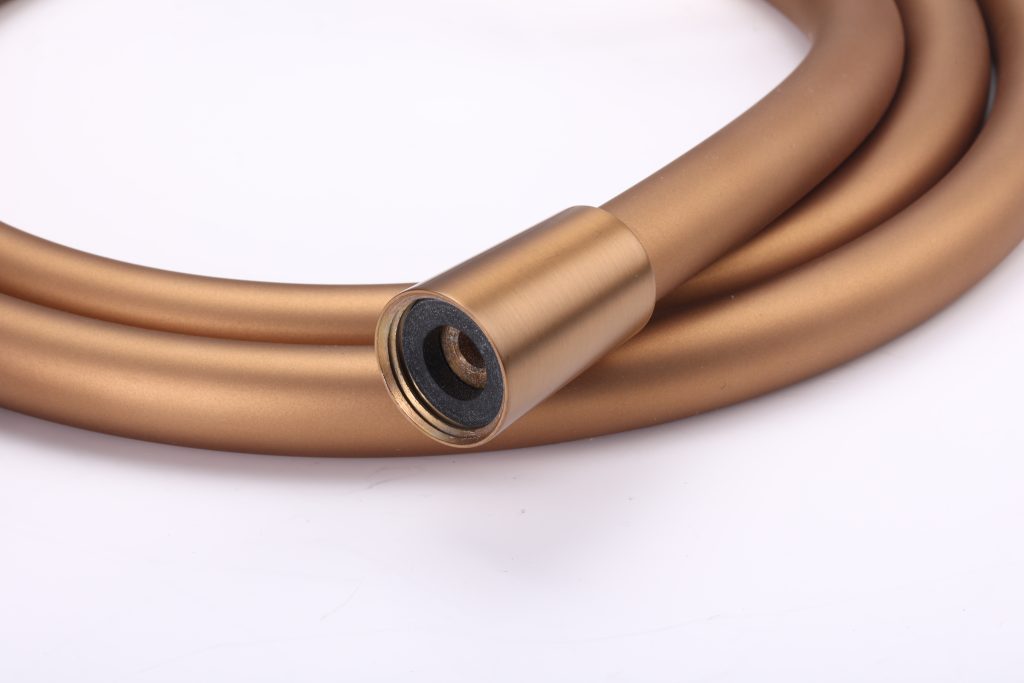
EPDM synthetic rubber is widely regarded as a premium material for shower hose liners. It bends effortlessly and copes with dramatic temperature swings without degrading. Homeowners and hotels prefer EPDM largely thanks to its excellent heat resistance, ozone resistance and weatherproof performance, which makes it ideal for both cold and hot water showers.
| Feature | EPDM | PVC |
|---|---|---|
| Material Type | Synthetic rubber | Thermoplastic plastic |
| Weather Resistance | Excellent | Poor to moderate |
| Operating Temperature Range | -50°C ~ +150°C | -15°C ~ +60°C |
| Chemical Resistance | Resists water, ozone and UV rays perfectly | Resistant to mild acids, alkalis and oils |
| UV & Ozone Resistance | Outstanding | Poor to moderate |
| Flexibility | Consistently soft and pliable | Decent flexibility; hardens noticeably in cold conditions |
| Cost | Mid-range | Low cost |
Both materials function for regular shower use, but EPDM is the tougher, more long-lasting option. It stays supple even when kept outdoors in cold weather, never stiffening or developing cracks. Direct sunlight and ozone exposure barely wear it down, which is why its overall lifespan is significantly extended.
Tip: EPDM handles sudden shifts between icy cold and boiling hot water with no damage whatsoever.
PVC Shower Hose Features
PVC plastic is a mainstream economical option because it is cheap and easy to manufacture. It feels light and offers decent flexibility out of the box, so many people install it for simple home bathrooms or guest washrooms.
Main advantages of PVC shower hoses:
- Flexible enough to curve around bathroom corners easily
- Ultra-lightweight for effortless daily use
- Smooth exterior will never scratch bathtub or tile surfaces
- Non-porous surface repels grime, making quick cleaning simple
PVC fits most standard shower fixtures, yet its performance suffers greatly with very hot or cold running water. After months or years of hot water and cold air exposure, the plastic turns rigid and develops tiny cracks. As shown in the table above, its narrow temperature tolerance and weak weather resistance are its biggest drawbacks.
Note: PVC is only recommended for low-budget shower systems where water temperature never runs high. Carry out regular checks to confirm it stays flexible and leak-free.
Each material has its own merits. Choose EPDM for durability and consistent flexibility, or PVC if you only need an affordable temporary solution that covers basic shower demands.
EPDM vs. PVC: Durability and Performance
Hose Lifespan
Humid bathroom air and frequent temperature changes steadily age all shower hoses, eventually leading to stiffness, cracking and leaks. This deterioration happens much faster with PVC. EPDM rubber withstands temperature fluctuations and humid environments effectively, retaining its shape and softness year after year. Most PVC hoses grow rigid and lose flexibility within just a few years.
Mineral deposits and soap scum tend to build up inside both hose types over time, slowing water flow and creating cleaning headaches.
Tip: Check your hose regularly for early signs of damage. Replace it before leaks develop to keep your bathroom safe and dry.
Resistance to Heat and Chemicals
Heat endurance directly dictates how well a hose performs long term. EPDM safely accommodates constant hot water flow, while PVC is only suited for lukewarm showers. Both materials may release a faint plastic odour when first heated up.
Chemical resistance matters for routine bathroom cleaning. EPDM holds up well against water, ozone and sunlight, so it rarely breaks down prematurely. PVC resists mild acids and oils, yet cannot stand prolonged UV light or ozone exposure. Harsh bathroom cleaners and harsh outdoor conditions speed up wear for both materials.
- EPDM: Perfect choice for daily hot water showers
- PVC: Suitable only for basic lukewarm water use
Proper regular maintenance will prolong the usable life of either hose option.
EPDM vs. PVC:Flexibility and Handling
Anti-Tangle Shower Hose
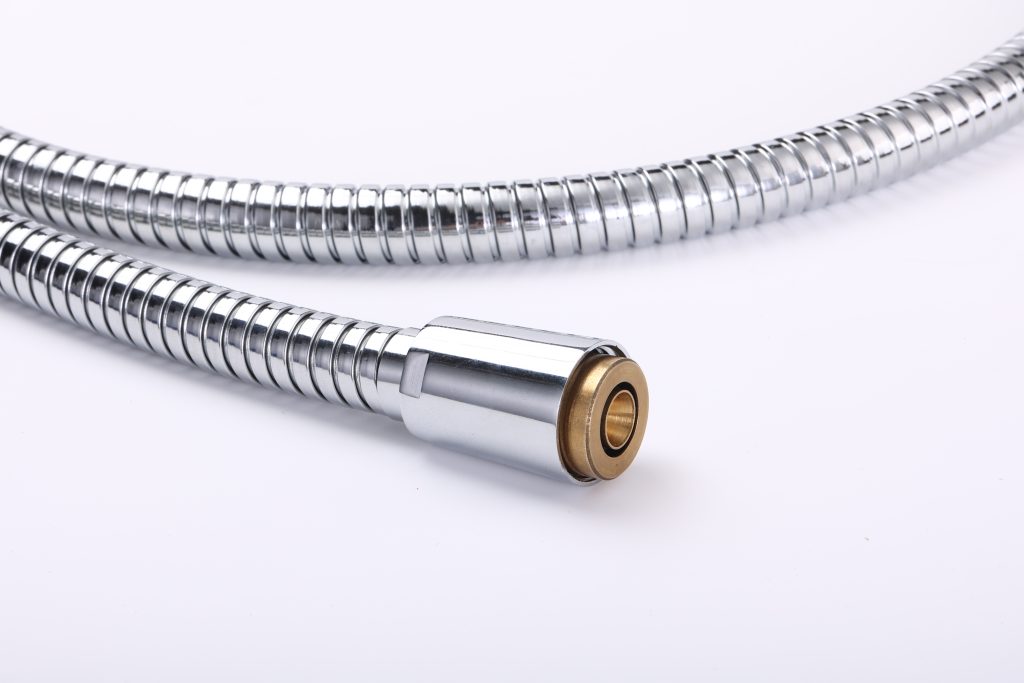
No one likes struggling with a tangled, twisted shower hose mid-shower. EPDM stays soft and elastic regardless of water temperature, resisting knots and twists. PVC stiffens considerably in chilly bathrooms, and countless users complain about persistent twisting, stiff movement and awkward rotation issues that ruin the shower experience.
Common complaints about low-flexibility hoses:
- Constant tangling and knotting during use
- Stiff, awkward feel when moving the shower head
- Clunky rotation that disrupts washing
EPDM rubber eliminates these frustrations by maintaining consistent softness. PVC works acceptably for short-term basic use but gradually loses pliability. Opting for an anti-kink designed hose minimises tangling entirely for a far more pleasant routine.
Tip: Pick hoses with smooth inner walls and soft outer layers; this design lets the hose swivel freely without getting twisted up.
Installation Ease
Shower hose installation ought to be quick and straightforward. EPDM bends smoothly, so it fits easily into cramped tight spaces during fitting. PVC is lightweight to handle initially, yet once it hardens with age, connecting it to shower fixtures becomes tricky.
Nearly all shower hoses come with universal threaded connectors compatible with most shower heads and water taps. Installers generally favour EPDM hoses thanks to their flexibility and crack resistance. PVC works fine for simple setups but requires extra care during fitting to avoid splitting.
Always verify connector quality and ensure tight sealing to prevent annoying drips and water leakage down the line.
Note: High-quality, well-sealed connectors cut installation time and guarantee steady, leak-free water flow long term.
EPDM vs. PVC:Safety and Certifications
Drinking Water Standards
Users expect all water-carrying shower hoses to meet safe drinking water regulations. Both EPDM and PVC can be manufactured to comply with potable water standards. Reputable manufacturers test finished hoses for harmful chemical content and bacterial growth, and hold official safety accreditations.
List of widely recognised global plumbing & drinking water certifications:
- BSCI: Business Social Compliance Initiative
- ISO: International Organization for Standardization
- TÜV: German technical inspection certification
- ACS: French drinking water safety certification
- KTW-BWGL: German standard for materials in contact with drinking water
- W270: German standard to prevent bacterial growth inside pipework
- WRAS: UK Water Regulations Advisory Scheme
- NF: French hygiene & safety certification
- NSF: US National Sanitation Foundation Standard
These accreditations give buyers confidence in product safety. Additional chemical safety standards including REACH and RoHS restrict hazardous substance leakage. KTW and WRAS also test for unpleasant odours, odd tastes and bacterial contamination inside hoses. Only certified products are deemed safe for delivering drinking and shower water.
Scald Protection
Preventing hot water scalds is essential for family bathrooms and hotel facilities alike. EPDM tolerates extreme hot water far better than PVC, retaining its structural integrity under high temperatures. This drastically lowers the risk of sudden bursts or hot water leaks that could burn skin. Many premium hoses feature specialised thermal insulation to avoid surface overheating. Always choose products clearly labelled with safety certifications and anti-scald features to protect all users.
Tip: Prioritise shower hoses with complete safety certifications and built-in anti-scald protection for household use.
EPDM vs. PVC:Maintenance and Cost
Cleaning the Hose
Regular cleaning prevents limescale and soap residue buildup and extends hose lifespan. EPDM’s stain-resistant surface wipes clean effortlessly. PVC also features a smooth exterior that repels dirt. You can clean both types with a soft cloth and mild detergent; white vinegar works great for stubborn limescale deposits. Avoid strong corrosive cleaners, as they will permanently damage the hose material. Clean interior passages keep water flowing smoothly and stop internal blockages.
Tip: Rinse the hose thoroughly after every shower to wash away soap residue, keeping the hose fresh and undamaged for longer.
Value Over Time
To calculate overall value, you need to consider how frequently the hose will need replacing. EPDM maintains its flexibility and structural strength for years, so replacements are rarely needed. PVC carries a cheap upfront price but must be swapped out regularly once it turns brittle and cracked. Basic plastic shower hoses usually fail within just a few years. When calculated year by year, EPDM delivers superior cost performance.
| Hose Type | Initial Purchase Cost | Replacement Frequency | Long-Term Value |
|---|---|---|---|
| EPDM | Mid-range | Very infrequent | High |
| PVC | Low cost | Regularly needed | Moderate |
People who want the best value choose EPDM hoses. They spend less money over time because the hose lasts longer. PVC hoses work well for short-term use, but frequent replacements add up. Choosing the right hose saves money and keeps the shower running smoothly.
Choosing the Right Shower Hose
Connector Quality
Connectors make or break leak-proof performance and ease of installation. Always select fittings crafted from solid brass or stainless steel; these metals never rust and outlast plastic connectors by a wide margin. Hoses fitted with double rubber sealing washers deliver tight sealing, eliminate dripping and maintain stable water pressure.
Suppliers such as GONGGONG supply braided shower hoses equipped with premium stainless steel connectors compatible with all standard shower heads. Installation is simple, and the robust build works reliably for both residential and commercial bathroom spaces. Custom connector sizes and thread types are available to match unique taps and bespoke plumbing layouts.
Tip: Double-check thread compatibility between the hose connectors and your shower fixtures before ordering; matching threads prevent leaking and fitting issues later on.
Usage Scenarios
People use hoses in many places. Some need a hose for a busy hotel. Others want one for a family bathroom. The right choice depends on where and how the hose will be used.
Here are some things to think about:
- For hotels or gyms, choose a hose that meets strict safety rules. Certifications like WRAS or EN13618 show the hose is safe for drinking water and public use.
- For homes, a flexible hose with anti-tangle features works best. It makes showers more comfortable and lasts longer.
- For hot water, EPDM hoses handle heat better than pvc hoses. They do not crack or get stiff.
- For cold water or simple showers, pvc hoses can be a good, low-cost option.
A manufacturer like GONGGONG gives buyers many choices. Their Braided Hose comes in different lengths and diameters. This helps buyers pick the right size for their space. The stainless steel braid adds strength and stops kinks. Buyers can also choose hoses with special liners, like EPDM or PEX, for extra safety or chemical resistance.
Certifications and custom options help buyers feel confident. They know the hose will fit their needs and pass safety checks. Here are some reasons why these features matter:
- Certifications prove the hose meets safety and quality standards.
- Custom options let buyers pick the right length, diameter, and connector type.
- Good documentation helps with building approvals and market rules.
Note: Always match the hose material to the job. Use EPDM for hot water and tough jobs. Use pvc for simple, low-cost needs.
Choosing the right shower hose means thinking about where it will go, what water it will carry, and how long it needs to last. Suppliers like GONGGONG help by offering strong, safe, and flexible hoses for every need.
Picking EPDM or PVC depends on what you care about most. EPDM lasts longer and bends more easily. PVC is cheaper and good for basic showers. For fancy showers, buyers should check how strong and safe the hose is. GONGGONG’s certified hoses are trustworthy choices. People should think about their needs before choosing EPDM or PVC.
FAQ
What makes EPDM shower hoses last longer than PVC hoses?
EPDM resists heat, ozone, and UV rays. This material stays flexible and strong. PVC hoses often crack or stiffen after a few years.
Are GONGGONG’s Braided Hoses safe for drinking water?
GONGGONG’s Braided Hose meets strict certifications like WRAS and NSF. These certifications show the hose is safe for drinking water and public use.
Can you use a PVC shower hose for hot water?
PVC hoses work best with warm water. They may crack or stiffen with hot water. EPDM hoses handle hot water much better.