
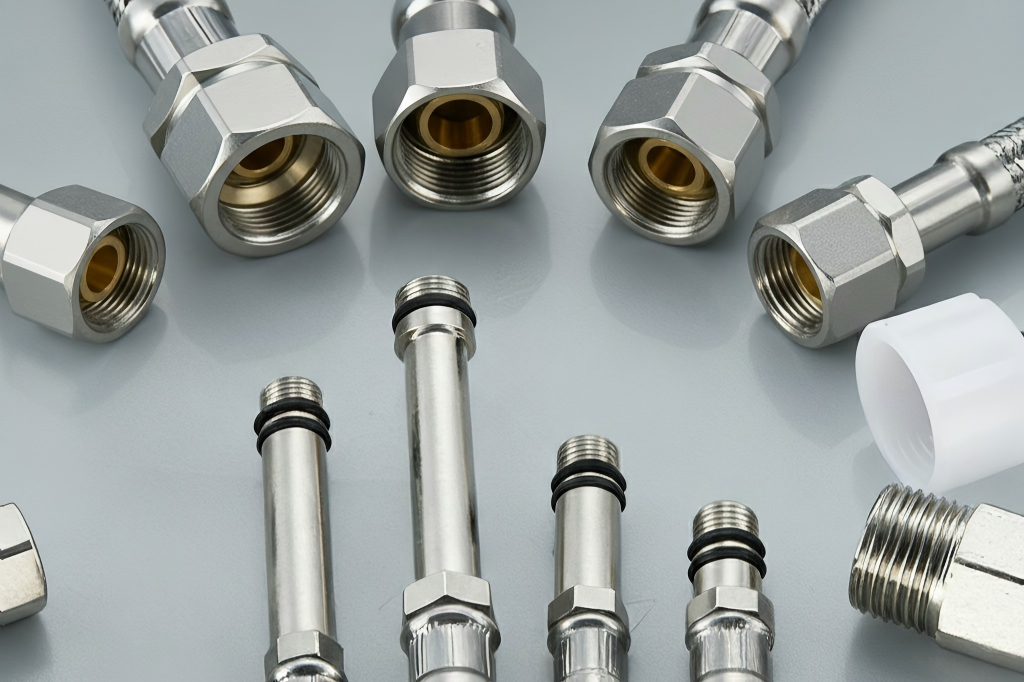
The shower hose connects to the water outlet at one end and the shower head at the other. Many people think this step is difficult, but it’s actually very simple. GONGGONG hoses use a universal G1/2 connector, making installation even easier. This means that almost everyone can easily replace their hose without worrying about leaks.
Key Takeaways
- Identify the two ends of the shower hose. Connect one end to the shower head and the other end to the water outlet. Most hoses can be connected from both ends.
- Use a high-quality hose with a universal G1/2 connector. This standard size fits most shower heads and water outlets, making installation easier and reducing leaks.
- Always check for gaskets before connecting the hose. Gaskets create a tight seal to prevent leaks. Regularly check the shower hose for wear to ensure a longer lifespan.
Identify Shower Hose Ends
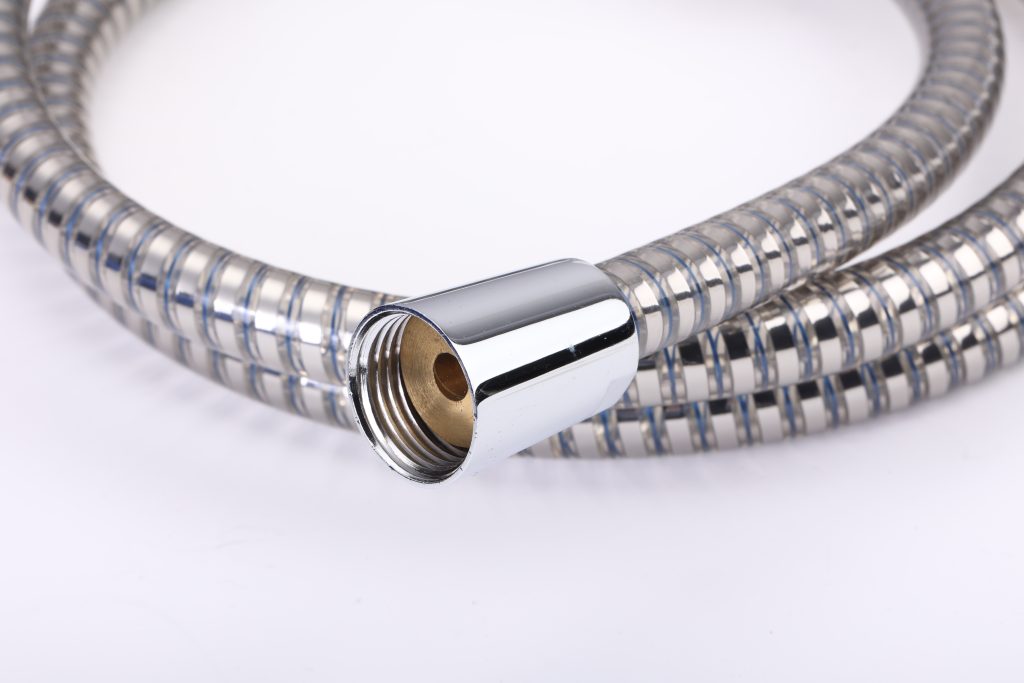
Connecting a shower hose can seem a bit tricky. Many people don’t know which end to connect to. One end connects to the shower head, and the other to the water outlet. GONGGONG’s universal connectors make it all simple. Let’s see how to distinguish the two ends of the hose and how to prevent leaks.
Check Hose Fittings
First, check the connectors at both ends of the hose. Most new hoses, such as those from the GONGGONG brand, use standard connectors. The most common size is G1/2 (1/2 inch BSP). This size fits almost all household shower heads and wall sockets. The table below can help you understand the connector types:
| Connector Size | Description |
|---|---|
| G1/2 (1/2″ BSP) | The most common and universal connector size for family showers and faucets. |
| G3/4 (3/4″ BSP) | Less common, used for high-pressure or power shower systems. |
| Non-Standard | Found in older plumbing or unique designer brands. |
If both ends look the same, that is okay. Most hoses are made so you can use either end for the shower head or water outlet.
Look for Markings or Size Differences
Some hose fittings have small markings or labels near them, such as “shower head” or “outlet.” Refer to these markings when installing. Sometimes, the end of a shower head is slightly smaller or more flexible to allow for better movement. If this is the case, install the more flexible end onto the shower head.
Tip: If your hose has no marks and both ends look the same, you can use either end for the shower head or water outlet. GONGGONG hoses are made so you cannot get it wrong.
Universal G1/2 Connections
The universal G1/2 connector makes installation easier. This connector is compatible with a wide range of brands and products. Here are the advantages of these connectors:
- The G1/2 connector is a standard connector, so you can connect the hose to almost any shower head or spout.
- Standardization reduces clutter and speeds up installation.
- Approximately 80% of households prefer easy-to-install shower products.
- Standardized hoses, such as those from GONGGONG, can increase user satisfaction by up to 35%.
Choosing a hose with a universal G1/2 connector saves time and avoids hassle. This is why many hotels and businesses choose GONGGONG hoses.
Note: Always check for washers inside the fittings before you put on the hose. Washers help stop leaks by making a tight seal. If a washer is missing or broken, water can drip or spray out. Make sure the washer is flat inside the fitting before you tighten the hose.
By following these steps, anyone can easily identify which end of the shower hose connects to where and install it effortlessly. Using a high-quality hose from a trustworthy company like GONGONGONG ensures a safe installation and guarantees a leak-proof shower.
How to Install a Shower Hose
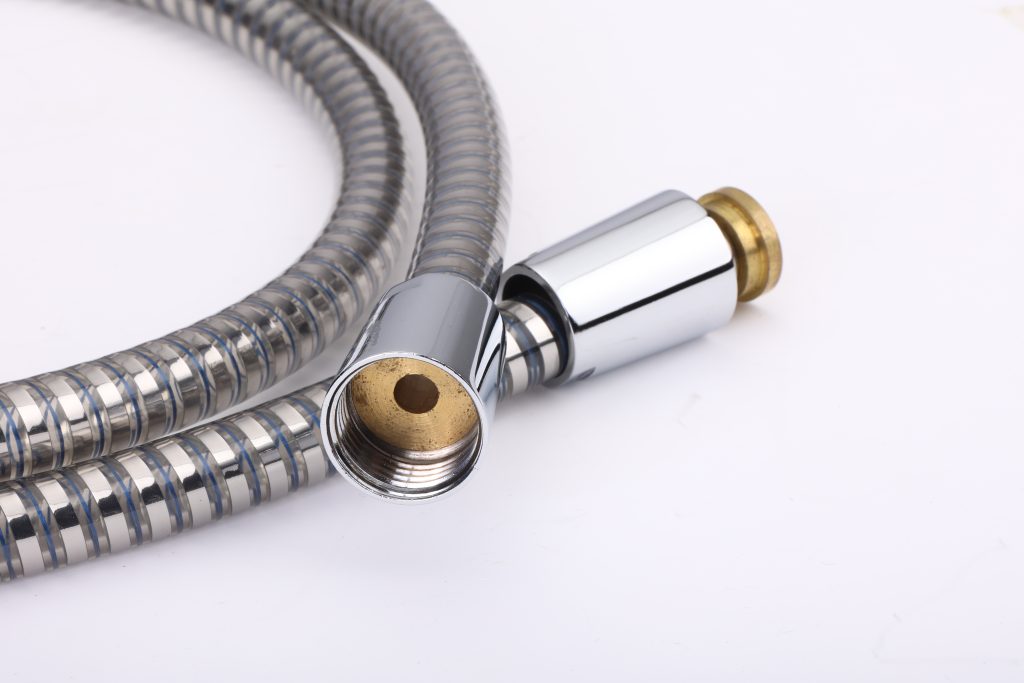
Installing a new shower hose may seem complicated, but anyone can easily do it if the steps are followed correctly. Trusted supplier and manufacturer GONGGONG makes the installation process even easier with its versatile design and high-quality materials. Below is a simple guide to help you easily install the hose and enjoy a leak-free shower experience.
Prepare the Hose and Area
Preparation is crucial before installation. The following steps help prevent leaks and ensure a smooth installation:
- Turn off the shower water supply.
- Flush the plumbing system to remove any dirt or debris.
- Unscrew the old hose counterclockwise.
- Clean the threads of the shower arm with a microfiber cloth. Remove any old tape or grit.
- Inspect the shower arm for corrosion or damage. Replace it if necessary.
- Ensure all gaskets and fittings on the new hose are in place.
Tip: Use a microfiber cloth for cleaning. It picks up grit and helps the new hose fit better.
Attach to Water Outlet
Now it’s time to connect the hose to the showerhead:
- Insert the sealing ring (washer) into the connector of the new hose.
- Screw the end of the hose onto the showerhead by hand. Most GONGGONG hoses use a universal G1/2” connector, so it will fit most showerheads.
- Tighten the connector by hand. Never use tools, as this may damage the connector.
- If needed, you can wrap hose tape around the threads for added leak protection.
GONGGONG hoses feature a twist-resistant and knot-resistant design, making this step easy and stress-free.
Connect Shower Head
Next, install the shower head:
- Insert the washer into the open end of the hose.
- Tighten the hose onto the shower head until it feels secure.
- If the old washer is still soft, use it along with the new washer for a better seal.
- Ensure the connection is secure, but do not overtighten.
Whether it’s a stainless steel hose or PVC hose, its flexibility allows the shower head to move freely and prevents tangling.
Hand-Tighten and Test for Leaks
After connecting both ends, tighten all fittings by hand. Turn on the water supply and check for leaks:
- Start the shower at a low flow rate.
- Check each connection point: the connection between the hose and the spout, and the connection between the hose and the shower head.
- If dripping or spraying occurs, tighten the fittings by hand.
- Avoid using tools to prevent damage to the fittings.
Note: Always test for leaks before finishing the job. A simple adjustment can stop most leaks.
Troubleshoot Common Issues
Problems may occur during installation. Here are the solutions:
- If there is a leak at the connection, check the gasket. If the gasket is worn or missing, replace it.
- If there is a leak at the showerhead or spout, try wrapping Teflon tape around the threads.
- If the water spray is abnormal or the flow is too weak, clean the showerhead and check for debris.
- Damaged or cracked connectors need to be replaced.
- If the threads are worn, wrap them with Teflon tape or replace the shower arm.
- Excessive water pressure can cause leaks. Install a pressure reducing valve if necessary.
Regular inspection every 3-6 months helps detect leaks or wear early. GONGGONG hoses feature a double-lock design and high-quality seals for superior leak prevention and a longer lifespan, making them ideal for wholesale and custom bathroom projects.
Remember: Always follow the manufacturer’s instructions for the best results.
You can easily install a shower hose by following these steps:
- Prepare your shower area and have your tools ready.
- Remove the old shower hose.
- Install the new shower hose and replace the new sealing ring.
- Tighten by hand and check for leaks.
- Use a high-quality shower hose, such as GONGGONG, for long-lasting durability.
High-quality shower hoses can last up to 10 years. Regularly check your shower hose for leaks or wear. If you encounter any problems, helpful shower troubleshooting tips are available in community forums and FAQs.
FAQ
How often should someone replace a shower hose?
People usually replace a hose every five years. If the shower leaks or the head feels loose, they should change it sooner.
Can any shower head fit a GONGGONG hose?
Most shower heads fit a GONGGONG hose. The universal G1/2 connector matches almost every shower head and outlet found in homes.
What causes leaks at the shower head or hose?
Leaks happen when washers wear out or the hose does not tighten enough. People should check the shower head and hose for damage or missing parts.